Blood Parrot Fish- The Unique Aquarium Fish That Doesn't Exist in the Wild
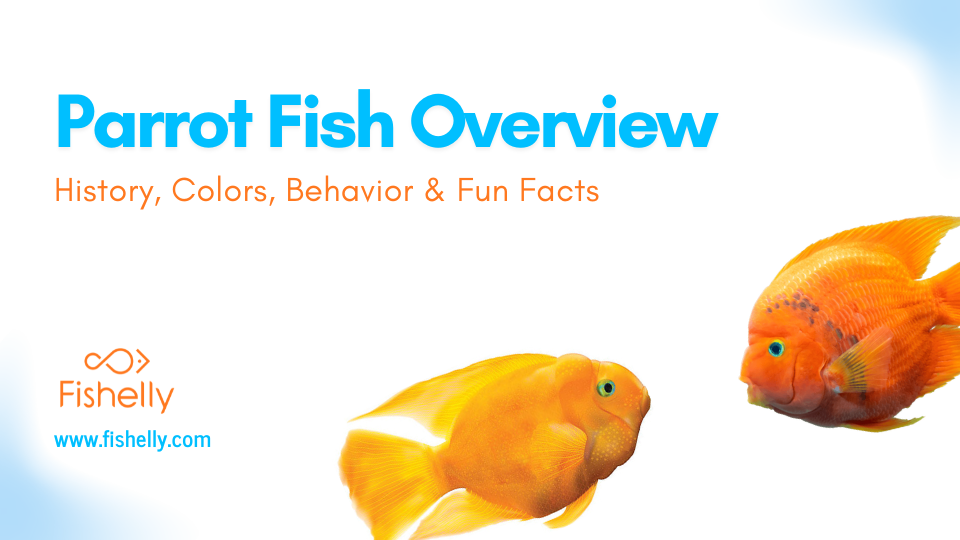
What makes Blood Parrot Fish so unique? Explore their history, hybrid origins, bright colors, playful personality, unusual mouth shape, and the reasons they remain one of the most popular aquarium fish worldwide.
- About Blood Parrot Fish
- Can Blood Parrot Fish Live in the Wild?
- How Did Blood Parrot Fish Become Popular?
- Why Is Their Mouth So Different?
- Why Do Hobbyists Love Blood Parrot Fish?
- Are There Any Concerns About Blood Parrot Fish?
- Blood Parrot Fish Care Guide
- Interesting Facts About Blood Parrot Fish
- Faq
- Conclusion
The Blood Parrot Fish is one of the most unique and popular fish in the aquarium hobby. Unlike most fish that are found in rivers, lakes, or oceans, Blood Parrot Fish were developed through selective breeding and do not exist naturally in the wild. Their bright colors, round body shape, and friendly personality make them a favorite among fishkeepers around the world. Whether you're a beginner or an experienced aquarist, these fish are known for being interactive, entertaining, and full of character. In this guide, we'll explore the origin of Blood Parrot Fish, their unique features, why they are so popular, and how to care for them properly.
About Blood Parrot Fish
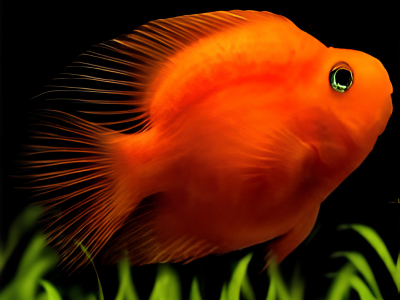
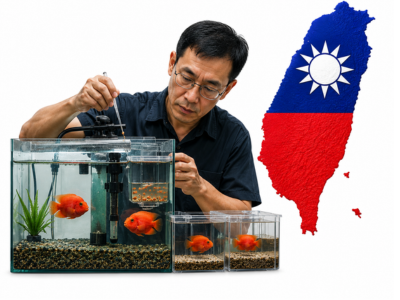
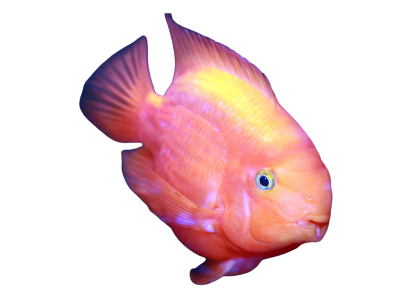
The Blood Parrot Fish is a unique hybrid cichlid first developed by fish breeders in Taiwan during the 1980s. Unlike most aquarium fish, Blood Parrots do not exist naturally in rivers, lakes, or oceans. They were selectively bred by crossing different cichlid species to create a fish with a distinctive appearance and friendly personality.
These fascinating fish are known for their:
-
Bright and vibrant colors
-
Round, balloon-like body shape
-
Unique beak-shaped mouth
-
Curious and interactive behavior
Their cheerful appearance and engaging personality have made them one of the most popular aquarium fish worldwide. Because they were created through selective breeding rather than occurring naturally in the wild, Blood Parrot Fish are often referred to as "man-made fish" or hybrid cichlids.
Today, they are cherished by both beginner and experienced fishkeepers for their intelligence, playful nature, and ability to interact with their owners.
Can Blood Parrot Fish Live in the Wild?
The simple answer is No.
Blood Parrot Fish are mainly bred and raised in aquariums.
There are several reasons why they cannot survive well in the wild:
-
They are not a naturally occurring species.
-
Their body shape makes swimming less efficient.
-
Their mouth structure can make feeding more difficult.
-
They rely on the safe and controlled conditions provided by aquariums.
This is why Blood Parrot Fish are almost exclusively found in home aquariums and fish farms.
How Did Blood Parrot Fish Become Popular?
Shortly after their introduction in Taiwan during the 1980s, Blood Parrot Fish gained widespread popularity among aquarium enthusiasts. Their unusual appearance, vibrant colors, and playful personality made them stand out from other freshwater fish.
Fishkeepers quickly fell in love with Blood Parrots because they are:
-
Brightly colored and visually striking
-
Active swimmers with entertaining behavior
-
Easy to identify due to their unique appearance
-
Curious and fun to watch throughout the day
-
Interactive and capable of recognizing their owners
Unlike many aquarium fish that tend to be shy, Blood Parrot Fish often approach the front of the tank when people are nearby, creating a stronger connection with their owners. Their combination of beauty, intelligence, and friendly nature has helped them remain a favorite in the aquarium hobby for decades.
Today, Blood Parrot Fish are sold in aquarium stores worldwide and continue to be one of the most popular hybrid cichlids among both beginner and experienced fishkeepers.
Why Is Their Mouth So Different?
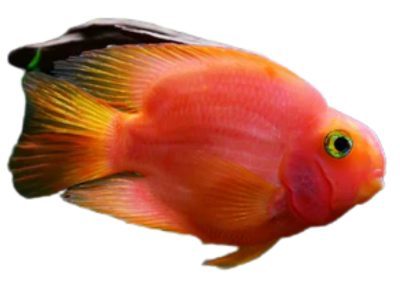
One of the most distinctive features of the Blood Parrot Fish is its small, beak-like mouth, which gives the fish a permanent "smiling" appearance. This unique characteristic is the result of the selective hybrid breeding process used to create the species.
Because of their mouth structure:
-
They cannot fully close their mouths.
-
Large food items may be difficult to eat.
-
Soft foods and smaller pellets are easier for them to consume.
Although this feature gives them a cute appearance, it also means owners should provide suitable food.
Why Do Hobbyists Love Blood Parrot Fish?
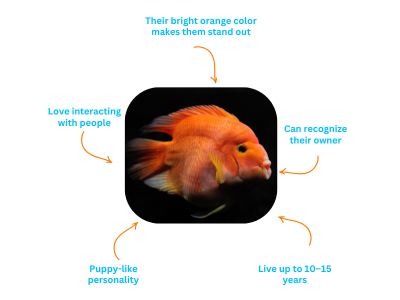
Blood Parrots are much more interactive than many aquarium fish.
Friendly Personality
Blood Parrot Fish are known for their curious and friendly nature.
-
Often swim toward people near the aquarium
-
Become comfortable around their owners
-
Less shy than many other aquarium fish
Recognize Their Owners
These intelligent fish can learn who regularly feeds them.
-
May greet owners at the front glass
-
Follow movement outside the aquarium
-
Quickly learn feeding routines
Bright Colors
Their vibrant colors make them stand out in any tank.
-
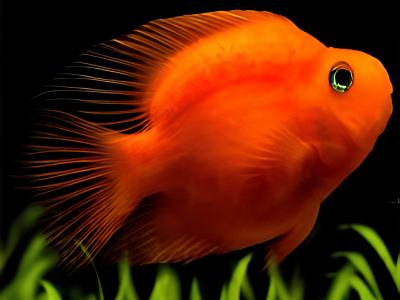
Common colors include orange, red, and yellow
-
Attractive centerpiece fish
-
Colors become brighter with proper care and nutrition
Fun to Watch
Blood Parrots are active and interactive fish.
-
Explore every corner of the aquarium
-
Dig in the substrate
-
Rearrange small decorations
-
Show unique personalities
Long Lifespan
With proper care, Blood Parrot Fish can be long-term companions.
-
Average lifespan of 10-15 years
-
Some can live even longer
-
Require consistent care and good water quality
Beginner Friendly
Despite their unique appearance, they are relatively easy to care for.
-
Hardy and adaptable
-
Suitable for beginners
-
Can thrive in a well-maintained aquarium
Are There Any Concerns About Blood Parrot Fish?
Yes, some hobbyists have concerns about Blood Parrot Fish because they are hybrids.
Common concerns include:
-
Their unusual mouth shape.
-
Possible body deformities in some fish.
-
The ethics of breeding fish primarily for appearance.
On the other hand, many aquarists believe that healthy Blood Parrots can live long and happy lives when cared for properly.
This is why Blood Parrot Fish remain a topic of discussion in the fishkeeping community.
Blood Parrot Fish Care Guide
One reason Blood Parrot Fish are so popular is that they are relatively easy to care for. They are hardy fish that can adapt well to aquarium life, making them suitable for both beginners and experienced fishkeepers.
| Care Parameter | Recommended Range |
|---|---|
| Tank Size | Minimum 30 gallons for one fish; 55+ gallons for a community tank |
| Water Temperature | 24°C – 27°C (76°F – 80°F) |
| pH Level | 6.5 – 7.4 |
| Water Hardness | 6 – 18 dGH |
| Diet | Cichlid pellets, bloodworms, brine shrimp, and other small foods |
| Tank Mates | Peaceful medium-sized fish |
| Lifespan | 10 – 15 years with proper care |
| Filtration | Strong filtration is recommended |
Interesting Facts About Blood Parrot Fish
-
Blood Parrot Fish were first developed in Taiwan.
-
They do not exist naturally in the wild.
-
They can recognize their owners.
-
They may live for more than 10 years.
-
Their unique mouth gives them a permanent "smiling" appearance.
-
They are one of the most popular hybrid aquarium fish in the world.
Faq
1. What is a Blood Parrot Fish?
A Blood Parrot Fish is a hybrid cichlid created through selective breeding. It is known for its bright colors, round body, and unique beak-like mouth.
2. Are Blood Parrot Fish found in the wild?
No. Blood Parrot Fish do not occur naturally in the wild and are bred exclusively in captivity.
3. How big do Blood Parrot Fish grow?
Adult Blood Parrot Fish typically grow between 6–8 inches (15–20 cm), although some may grow larger in spacious aquariums.
4. How long do Blood Parrot Fish live?
With proper care, a healthy Blood Parrot Fish can live between 10 and 15 years, and sometimes even longer.
5. What size tank does a Blood Parrot Fish need?
A minimum 30-gallon aquarium is recommended for a single Blood Parrot Fish, while a 55-gallon or larger tank is ideal for multiple fish or community setups.
6. What do Blood Parrot Fish eat?
They thrive on high-quality cichlid pellets, bloodworms, brine shrimp, krill, and other protein-rich foods. Smaller food items are easier for them to eat because of their mouth shape.
7. Are Blood Parrot Fish aggressive?
Blood Parrot Fish are generally semi-aggressive. They are usually peaceful toward similarly sized tank mates but may become territorial during feeding or breeding.
8. Can Blood Parrot Fish recognize their owners?
Yes. Many Blood Parrot Fish learn to recognize the people who feed them and may swim to the front of the tank when their owners approach.
9. Why do Blood Parrot Fish have a unique mouth shape?
Their distinctive mouth is the result of hybrid breeding. This feature gives them a permanent "smiling" appearance but can make eating larger foods more difficult.
10. What water temperature is best for Blood Parrot Fish?
The ideal water temperature is between 24°C and 27°C (76°F–80°F).
11. What are the best tank mates for Blood Parrot Fish?
Good tank mates include larger tetras, rainbowfish, severums, silver dollars, peaceful cichlids, and other medium-sized community fish.
12. Are Blood Parrot Fish suitable for beginners?
Yes. Their hardy nature, adaptability, and interactive personality make them a good choice for beginner fishkeepers who can provide proper tank maintenance.
13. Do Blood Parrot Fish need strong filtration?
Yes. Strong filtration and regular water changes are important to maintain excellent water quality and support their long-term health.
14. Why are Blood Parrot Fish controversial?
Some aquarists debate the ethics of breeding Blood Parrot Fish because of their hybrid origin and physical characteristics, while others believe they can live healthy lives with proper care.
15. Can Blood Parrot Fish breed?
Blood Parrot Fish may lay eggs, but successful breeding is uncommon because many hybrids have reduced fertility.
Conclusion
Blood Parrot Fish are one of the most unique and popular fish in the aquarium hobby. Their bright colors, playful nature, and distinctive appearance make them a favorite among fishkeepers around the world. While they do not exist naturally in the wild and are mainly kept in aquariums, they can thrive and live for many years when provided with proper care, a suitable tank setup, and a healthy diet. Whether you're new to fishkeeping or have years of experience, Blood Parrot Fish can be a colorful, interactive, and rewarding addition to your aquarium.