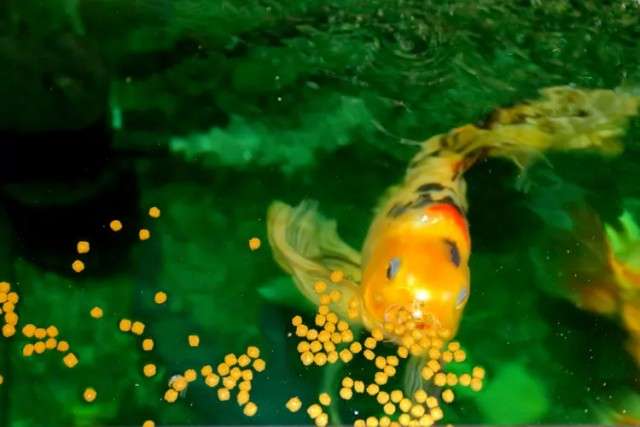
Feeding
Fetching Data...
Proper feeding is crucial for the health and well-being of fish in an aquarium. Here are some tips for feeding your aquarium fish:
-
Understand the Dietary Needs:
- Different fish species have varying dietary requirements. Research and understand the specific needs of the fish in your aquarium.
-
Balanced Diet:
- Provide a well-balanced diet that includes a mix of high-quality commercial fish food, live or frozen foods, and occasional treats.
- Pellets and flakes are common commercial options, while live or frozen foods can include brine shrimp, bloodworms, and daphnia.
-
Feed in Moderation:
- Avoid overfeeding. Feed your fish small amounts that they can consume within 2-3 minutes.
- Overfeeding can lead to water quality issues as uneaten food decomposes, releasing harmful substances into the water.
-
Establish a Feeding Schedule:
- Establish a consistent feeding schedule. Most aquarium fish benefit from being fed 1-2 times a day.
- Some fish, like herbivores or small grazers, may benefit from smaller, more frequent feedings.
-
Alternate Foods:
- Provide variety in the diet to ensure that all nutritional needs are met.
- Rotate between different types of commercial foods and include live or frozen foods as occasional treats.
-
Consider Fish Size:
- Choose appropriately sized food particles for the size of your fish. Some fish may require larger or smaller food items depending on their mouth size.
-
Monitor Fish Behavior:
- Observe the behavior of your fish during feeding. Healthy fish are active and eager to eat.
- If fish show disinterest or unusual behavior during feeding, it may indicate a health issue.
-
Remove Uneaten Food:
- Remove any uneaten food after feeding to prevent it from decomposing and affecting water quality.
- Use a siphon or net to clean up excess food from the substrate.
-
Consider Specialized Diets:
- Some fish have specific dietary requirements, such as herbivores or carnivores. Research and provide a diet that suits the natural feeding habits of your fish.
-
Seasonal Adjustments:
- Adjust feeding amounts based on factors like temperature and fish activity levels.
- Fish may eat less in colder water, and their metabolism can slow down during winter.
-
Use Automatic Feeders with Caution:
- If using an automatic feeder, ensure it dispenses the right amount of food and doesn't lead to overfeeding.
- Regularly check and adjust the settings on automatic feeders.
-
Provide a Feeding Area:
- Scatter food in different areas of the aquarium to ensure all fish have access to their share.
- This prevents aggressive feeding behaviors and ensures that shy or less dominant fish get enough to eat.
-
Supplement with Vegetables:
- Some fish, especially herbivores, benefit from vegetable supplements like blanched spinach, zucchini, or algae wafers.
-
Consultation with an Expert:
- If you're unsure about the dietary needs of your fish, consult with aquarium experts or veterinarians for advice.
By following these tips and paying attention to the specific requirements of your fish species, you can provide a nutritious and well-balanced diet, promoting the health and vitality of your aquarium inhabitants.