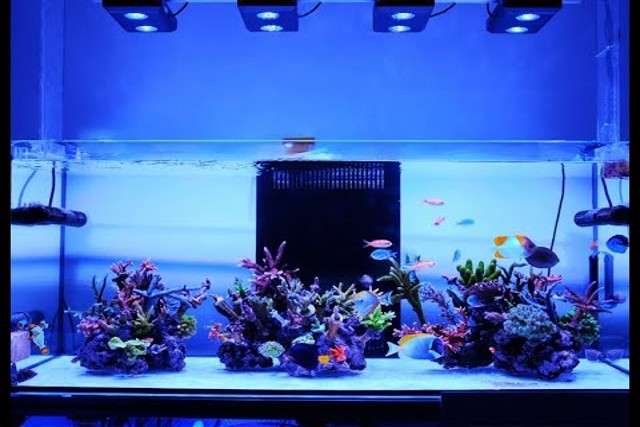
Lighting
Fetching Data...
-
Understand the Lighting Needs of Your Fish and Plants:
- Different fish and plants have varying lighting requirements. Research the specific needs of your aquarium inhabitants to provide appropriate lighting.
-
Choose the Right Spectrum:
- Select a light source that provides the appropriate spectrum for your plants and fish.
- Full-spectrum or daylight bulbs are generally suitable for most freshwater aquariums, while some plants may benefit from specific wavelengths in the red and blue spectrum.
-
Use Timers:
- Implement a lighting schedule with timers to mimic natural day and night cycles.
- Aim for 10-12 hours of light per day to provide a consistent environment for your aquarium.
-
Adjustable Intensity:
- Opt for lights with adjustable intensity or brightness settings.
- Some fish and plants may require lower or higher light levels, so having the flexibility to adjust intensity is beneficial.
-
Avoid Sudden Changes:
- Avoid sudden changes in lighting intensity or duration, as these can stress fish and plants.
- Gradual adjustments are better tolerated by aquarium inhabitants.
-
Consider LED Lighting:
- LED lights are energy-efficient and often provide a broader spectrum of light.
- They also generate less heat, reducing the risk of overheating the aquarium.
-
Provide Adequate Coverage:
- Ensure that the entire aquarium receives adequate light coverage.
- Arrange lights evenly to prevent shadowed areas and promote uniform plant growth.
-
Monitor Algae Growth:
- Adjust lighting intensity and duration to minimize algae growth.
- Algae thrive on excess light, so maintaining a balanced lighting schedule can help prevent algae overgrowth.
-
Use Reflectors:
- Consider using reflective materials or hoods to maximize the efficiency of your lighting system.
- Reflectors can help direct light back into the aquarium, ensuring better coverage.
-
Consider Moonlighting:
- Use moonlighting features in your aquarium lighting system to simulate nighttime conditions.
- Moonlighting is less intense and allows fish to rest during the night.
-
Replace Bulbs Regularly:
- Bulbs lose their intensity over time. Replace bulbs at regular intervals to ensure optimal light output.
- Some bulbs may need replacement every 6-12 months, depending on the type and brand.
-
Adjust for Plant Growth:
- If you have live plants, adjust the lighting to promote photosynthesis and healthy plant growth.
- Use higher-intensity lights for demanding plants and lower-intensity lights for low-light plants.
-
Be Mindful of Heat Output:
- Some lighting systems, especially older ones, can generate heat.
- Ensure proper ventilation and monitor the aquarium temperature to prevent overheating.
-
Consider Aesthetic Effects:
- Experiment with different lighting setups to enhance the visual appeal of your aquarium.
- Colored lights or dynamic lighting effects can create a stunning aquatic display.
-
Consult with Experts:
- If you're unsure about the lighting needs of your specific aquarium setup, seek advice from experienced aquarists or consult with aquarium professionals.
By paying attention to the lighting needs of your aquarium and making informed choices, you can create an environment that supports the health and vitality of both your fish and plants. Regularly assess and adjust your lighting setup as needed to maintain a thriving aquatic ecosystem.