- Home | |
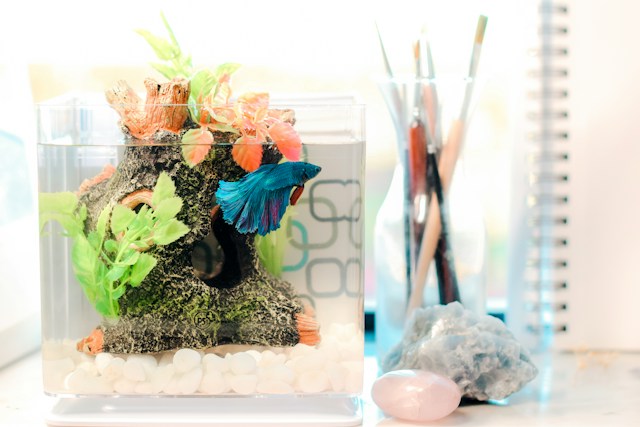
Tank Setup
Fetching Data...
-
Selecting the Tank:
- Choose an aquarium size appropriate for the type and number of fish you plan to keep.
- Consider the available space in your home and the weight-bearing capacity of the chosen location.
-
Choosing the Right Location:
- Place the tank on a sturdy, level surface away from direct sunlight and drafts.
- Ensure the tank is easily accessible for maintenance tasks.
-
Installing the Substrate:
- Add an appropriate substrate to the bottom of the tank, such as gravel, sand, or a planted substrate.
- The substrate provides a foundation for plants and a natural look for the aquarium.
-
Setting Up the Filtration System:
- Install a suitable filtration system based on the size of the tank and the type of fish.
- The filter helps remove debris, toxins, and maintains water quality.
-
Adding Decorations:
- Decorate the tank with ornaments, rocks, driftwood, or artificial plants to create hiding spots and mimic a natural habitat.
- Ensure decorations are aquarium-safe and won't harm the fish.
-
Introducing Aquatic Plants:
- Include live or artificial plants to enhance the aesthetic and provide oxygen.
- Live plants contribute to the biological filtration process and create a more natural environment.
-
Installing a Heater:
- Choose a heater appropriate for the size of the tank and the temperature needs of your fish.
- Maintain a consistent temperature within the recommended range for your specific fish species.
-
Setting Up Lighting:
- Install an aquarium light with an appropriate spectrum for the needs of your fish and plants.
- Establish a lighting schedule to simulate day and night cycles.
-
Cycling the Tank:
- Allow the tank to cycle before adding fish to establish beneficial bacteria that break down ammonia and nitrites.
- This process typically takes a few weeks, during which you monitor water parameters regularly.
-
Water Quality Testing:
- Use test kits to monitor pH, ammonia, nitrite, nitrate, and other water parameters.
- Adjust water conditions as needed to maintain optimal levels for your fish.
-
Adding Fish:
- Introduce fish gradually, starting with a few at a time.
- Avoid overstocking, and research the compatibility of different fish species.
-
Regular Maintenance:
- Perform routine water changes (20-25% of the tank volume) to remove accumulated waste and maintain water quality.
- Clean the filter, check equipment, and trim plants as necessary.
By following these steps, you can establish a well-balanced and thriving aquarium for your fish. Remember to research the specific requirements of the fish species you plan to keep and adapt your setup accordingly.