Water Quality
Maintaining proper water quality is essential for the health and well-being of fish in an aquarium. Here are some specific tips for aquarium water quality management:
-
Cycling the Aquarium:
- Allow the aquarium to cycle before adding fish. This establishes beneficial bacteria that help break down ammonia and nitrites.
-
Monitor Ammonia and Nitrite Levels:
- Regularly test for ammonia and nitrites, especially during the initial cycling phase.
- Keep levels at zero, as both substances can be harmful to fish.
-
Check Nitrate Levels:
- Monitor nitrate levels and keep them within acceptable ranges through regular water changes.
- High nitrate levels can lead to health problems for fish.
-
Maintain pH Stability:
- Check and maintain a stable pH level suitable for your specific fish species.
- Avoid sudden changes in pH, as they can stress fish.
-
Proper Filtration:
- Choose an appropriate filter for your aquarium size and type.
- Clean or replace filter media regularly to ensure efficient mechanical and biological filtration.
-
Regular Water Changes:
- Perform regular partial water changes to remove accumulated debris and toxins.
- The frequency and volume of water changes depend on the size and stocking of your aquarium.
-
Temperature Control:
- Keep the water temperature within the recommended range for your fish species.
- Use a reliable aquarium heater and monitor temperature fluctuations.
-
Avoid Overfeeding:
- Feed your fish a balanced diet and only the amount they can consume in a few minutes.
- Excess food contributes to ammonia levels and degrades water quality.
-
Quarantine New Additions:
- Quarantine new fish and plants before introducing them to the main aquarium to prevent the spread of diseases.
-
Use Dechlorinated Water:
- Always treat tap water with a dechlorinator to neutralize chlorine and chloramines before adding it to the aquarium.
-
Provide Sufficient Oxygen:
- Ensure proper aeration and surface agitation to maintain adequate oxygen levels in the water.
-
Monitor Water Hardness:
- Some fish species have specific preferences for water hardness. Research and adjust as needed.
-
Avoid Medications Unless Necessary:
- Use medications only when necessary, and follow dosing instructions carefully.
- Medications can impact the aquarium's biological balance, so use them judiciously.
-
Regularly Clean Substrate and Decor:
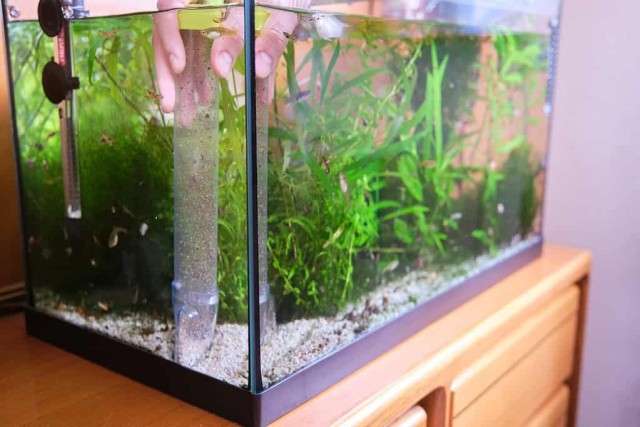
- Vacuum the substrate to remove uneaten food and debris.
- Clean decorations and rocks periodically to prevent the buildup of waste.
-
Observation and Early Intervention:
- Regularly observe your fish for any signs of stress, illness, or abnormal behavior.
- Take immediate action if you notice any issues, such as changes in color, lethargy, or abnormal swimming patterns.
By following these tips and tailoring them to the specific needs of your fish species, you can create a healthy and stable environment in your aquarium. Regular monitoring and proactive care are key to preventing water quality issues and ensuring the well-being of your aquatic pets.