How To Care For Allard's Clown Fish
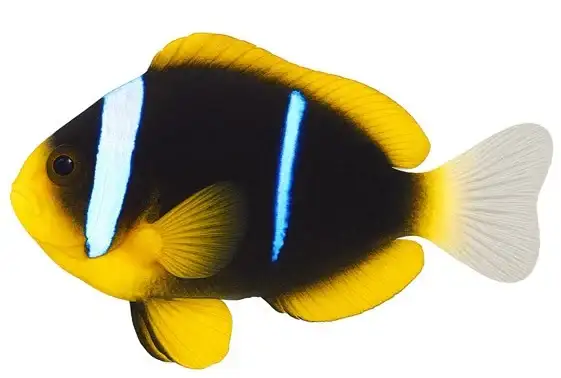
Allard’s Clownfish (Amphiprion allardi) is a bold and attractive species known for its dark brown to black body with bright yellow tail and fins, along with two distinct white vertical bands. This contrast gives it a striking and elegant appearance in reef aquariums.
This species thrives in a stable marine setup with temperatures between 24°C to 27°C, pH 8.0–8.4, and proper salinity (SG 1.020–1.025). Like most clownfish, it can live with or without a host anemone, though hosting enhances natural behavior.
They are omnivorous and should be fed a varied diet including high-quality flakes, pellets, algae-based foods, and frozen foods like brine shrimp and mysis shrimp.
Allard’s Clownfish can be semi-aggressive and territorial, especially when paired, so tank mates should be peaceful but not too small. Keeping them as a bonded pair (1 male and 1 female) is ideal.
Due to their slightly aggressive nature and specific care needs, they are better suited for aquarists with some experience. With proper care, they become a vibrant and active centerpiece fish.
Allard’s Clownfish is a fascinating aquarium fish that stands out with its vibrant colors. It belongs to the family Pomacentridae and is native to the East Africa (Kenya, Tanzania, Mozambique).
This species has a care level of Moderate and requires a minimum tank size of 40–60 gallons. It typically reaches a size of 40–60 gallons.
Preferred water parameters include a specific gravity (sg) of 1.020 – 1.025, pH ranging from 8.0 – 8.4, and a temperature between 24°C – 27°C. Additionally, maintaining water hardness within the range of SaltWater is essential.
For stocking, the recommended ratio is 1:1 M:F. The Allard’s Clownfish is widely available and has a diverse diet that includes Omnivore (flakes, micro pellets, live/frozen foods like brine shrimp, daphnia).
With a life span of 5-10 years, this species is known for its very easy care requirements. It is an ideal choice for both beginner and experienced aquarists. Providing a well-maintained tank environment with suitable water conditions will ensure the health and vibrancy of this captivating species.