How To care For Arapaima gigas
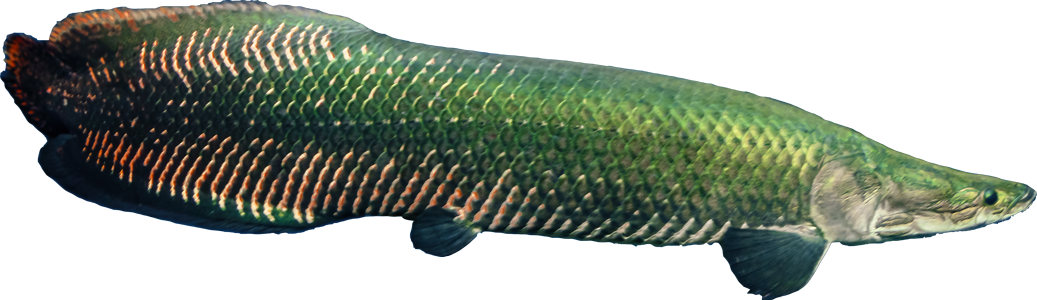
The Arapaima (Arapaima gigas) is one of the largest freshwater fish in the world, native to the Amazon River basin. Known for its massive size, armored scales, and red-tinted tail region, it is often called a “living fossil” due to its ancient lineage.
This species requires an extremely large tank or outdoor pond due to its rapid growth and enormous adult size. Maintain stable water conditions with temperatures between 24°C to 30°C and a pH range of 6.0 to 7.5. Strong filtration and frequent water changes are essential to maintain water quality.
Arapaima are carnivorous and should be fed a diet of fish, shrimp, and other protein-rich foods. They are air-breathers and regularly come to the surface to gulp air, so sufficient surface space is important.
They are generally calm but can be predatory and will eat smaller tank mates. Due to their size, they are best kept alone or with very large, compatible species in huge setups.
Because of their massive size and specialized care requirements, Arapaima are recommended only for expert keepers or public aquariums. With proper care, they become a truly impressive and majestic centerpiece fish.
Arapaima gigas is a fascinating aquarium fish that stands out with its vibrant colors. It belongs to the family Arapaimidae and is native to the South America.
This species has a care level of Hard and requires a minimum tank size of 2000+ gallons. It typically reaches a size of Up to 300 cm (10 feet).
Preferred water parameters include a specific gravity (sg) of Freshwater, pH ranging from 6.0 – 7.5, and a temperature between 24°C – 30°C. Additionally, maintaining water hardness within the range of 5-12 °dGH is essential.
For stocking, the recommended ratio is 1:1 M. The Arapaima gigas is widely available and has a diverse diet that includes Carnivore (worms, shrimp, insects, small fish).
With a life span of 15–20 years, this species is known for its very easy care requirements. It is an ideal choice for both beginner and experienced aquarists. Providing a well-maintained tank environment with suitable water conditions will ensure the health and vibrancy of this captivating species.