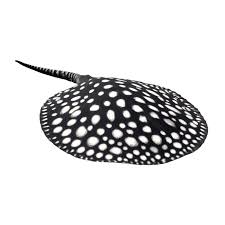
How To Care For Black Diamond Stingray
The Black Diamond Stingray (Potamotrygon leopoldi, P13) is one of the most prized and expensive freshwater stingrays in the aquarium hobby. It is famous for its deep black body covered with bright white, high-contrast spots, giving it a luxurious “diamond-like” appearance.
Native to the Xingu River in Brazil, this species requires a very large aquarium with a soft sandy substrate to protect its underside. Maintain stable water conditions with temperatures between 26°C to 30°C and a pH range of 6.0 to 7.5. Strong filtration and frequent water changes are essential, as they are highly sensitive to poor water quality.
They are carnivorous and should be fed a high-protein diet including worms, shrimp, insect larvae, and small fish. Proper nutrition helps maintain their bold contrast and overall health.
Black Diamond Stingrays are generally calm but possess a venomous tail spine, so handling should be avoided. They can be kept alone or as a pair in very large aquariums.
Due to their high cost, sensitivity, and advanced care requirements, they are recommended only for experienced aquarists. With proper care, they become a stunning, high-end centerpiece fish.
Black Diamond Stingray is a fascinating aquarium fish that stands out with its vibrant colors. It belongs to the family Potamotrygonidae and is native to the South America.
This species has a care level of Hard and requires a minimum tank size of 500–800 gallons. It typically reaches a size of 50-60 cm (19.7-23.6").
Preferred water parameters include a specific gravity (sg) of Freshwater, pH ranging from 6.0 – 7.5, and a temperature between 26°C – 30°C. Additionally, maintaining water hardness within the range of 3–10 dGH is essential.
For stocking, the recommended ratio is 1:1 M. The Black Diamond Stingray is widely available and has a diverse diet that includes Carnivore (worms, shrimp, insects, small fish).
With a life span of 10–20 years, this species is known for its very easy care requirements. It is an ideal choice for both beginner and experienced aquarists. Providing a well-maintained tank environment with suitable water conditions will ensure the health and vibrancy of this captivating species.