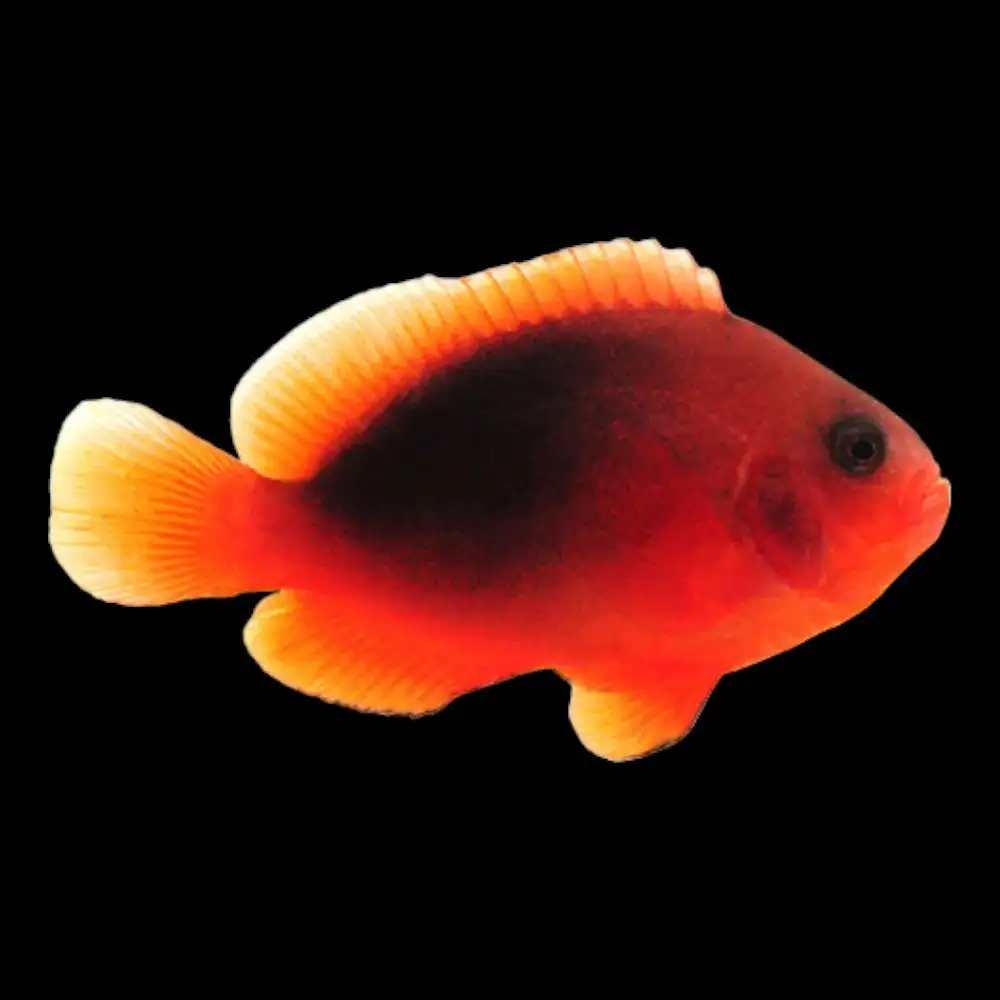
How To Care For Fire ClownFish
The Fire Clownfish (Amphiprion ephippium), also known as the Red Saddle Clownfish, is a vibrant species known for its bright orange-red body that develops a dark saddle-like patch on its back as it matures. Unlike many clownfish, adults may lack prominent white bands, giving them a bold and unique appearance.
This species thrives in stable marine aquarium conditions with temperatures between 24°C to 27°C, pH 8.0–8.4, and proper salinity (SG 1.020–1.025). It can live with or without a host anemone, though anemones enhance natural behavior.
Fire Clownfish are omnivorous and should be fed a varied diet including high-quality flakes, pellets, algae-based foods, and frozen foods like brine shrimp and mysis shrimp.
They are semi-aggressive and territorial, especially when paired or breeding. Tank mates should be selected carefully, avoiding very small or timid fish.
Due to their hardiness, they are suitable for beginners, but their territorial nature requires some experience in managing tank compatibility.
With proper care, they become a bold, colorful, and active addition to reef aquariums.
Fire Clownfish is a fascinating aquarium fish that stands out with its vibrant colors. It belongs to the family Pomacentridae and is native to the Indo-Pacific (India, Indonesia, Thailand).
This species has a care level of Easy and requires a minimum tank size of 30–50 gallons. It typically reaches a size of 10 – 12 cm.
Preferred water parameters include a specific gravity (sg) of 1.020 – 1.025, pH ranging from 8.0 – 8.4, and a temperature between 24°C – 27°C. Additionally, maintaining water hardness within the range of SaltWater is essential.
For stocking, the recommended ratio is 1:1 M:F. The Fire Clownfish is widely available and has a diverse diet that includes Omnivore (flakes, micro pellets, live/frozen foods like brine shrimp, daphnia).
With a life span of 6–10 years, this species is known for its very easy care requirements. It is an ideal choice for both beginner and experienced aquarists. Providing a well-maintained tank environment with suitable water conditions will ensure the health and vibrancy of this captivating species.