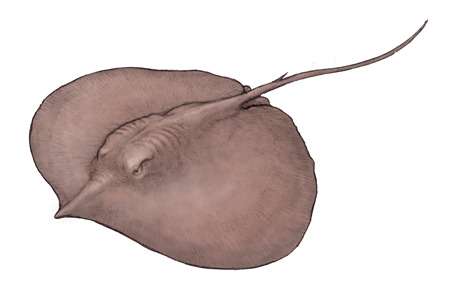
How To Care Giant Freshwater Stingray
Black Bar Peacock Endlers (Poecilia wingei) are a stunning combination variant featuring bold black vertical bars along the body along with a wide, colorful peacock-style tail. Their body often displays metallic greens, blues, or oranges, while the tail fans out with vibrant multi-color patterns, creating a very eye-catching look.
They are hardy and beginner-friendly fish that thrive in stable water conditions. Maintain a temperature between 22°C to 28°C and a pH range of 6.5 to 8.0. Weekly water changes (20–30%) are important to keep them healthy and maintain their coloration. A gentle filter is recommended, as they prefer calm water flow.
These fish are omnivorous and should be fed a balanced diet including high-quality flakes, micro pellets, and occasional live or frozen foods like brine shrimp and daphnia to enhance both their body patterns and tail colors.
Black Bar Peacock Endlers are peaceful and active, best kept in groups with more females than males to reduce stress. They breed easily, so adding plants or hiding spaces will help protect fry.
Avoid aggressive tank mates. With proper care, they remain vibrant, elegant, and easy to maintain.
Giant Freshwater Stingray is a fascinating aquarium fish that stands out with its vibrant colors. It belongs to the family Dasyatidae and is native to the Southeast Asia.
This species has a care level of Easy and requires a minimum tank size of 1000+ gallons. It typically reaches a size of Up to 300 cm.
Preferred water parameters include a specific gravity (sg) of Freshwater, pH ranging from 6.5 – 7.5, and a temperature between 24°C – 30°C. Additionally, maintaining water hardness within the range of 5-15 °d is essential.
For stocking, the recommended ratio is 1:2-3 M:F. The Giant Freshwater Stingray is widely available and has a diverse diet that includes Carnivore (worms, shrimp, small fish, mollusks).
With a life span of 15–25 years, this species is known for its very easy care requirements. It is an ideal choice for both beginner and experienced aquarists. Providing a well-maintained tank environment with suitable water conditions will ensure the health and vibrancy of this captivating species.