How To Care For Indian Glassy Fish
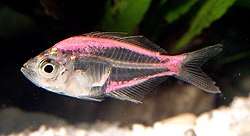
The Indian Glassy Fish (Parambassis ranga), also known as the Glass Perchlet, is a unique and attractive species famous for its transparent body, through which internal organs and bones can be seen. This natural transparency gives it a delicate and ghost-like appearance.
They are peaceful schooling fish and should be kept in groups of at least 5–6 individuals to feel secure and display natural behavior. They can adapt to both freshwater and slightly brackish conditions, though stable water parameters are important.
Maintain water temperature between 22°C to 28°C and pH between 7.0 to 8.0. Provide a well-planted tank with open swimming space and gentle water flow.
They are omnivorous and thrive on a varied diet including flakes, micro pellets, and live or frozen foods like bloodworms and brine shrimp.
Avoid aggressive tank mates, as they are gentle fish. Also, avoid artificially dyed versions (sometimes sold in markets), as this practice is harmful to the fish.
With proper care, Indian Glassy Fish make a peaceful, unique, and visually fascinating addition to community aquariums.
Indian Glassy Fish is a fascinating aquarium fish that stands out with its vibrant colors. It belongs to the family Ambassidae and is native to the Southeast Asia.
This species has a care level of Easy and requires a minimum tank size of 20 gallons. It typically reaches a size of 5 – 8 cm.
Preferred water parameters include a specific gravity (sg) of 1.005 - 1.015, pH ranging from 7.0 – 8.0, and a temperature between 22°C – 28°C. Additionally, maintaining water hardness within the range of 10–20 dGH is essential.
For stocking, the recommended ratio is 1:6 or more. The Indian Glassy Fish is widely available and has a diverse diet that includes Omnivore (flakes, micro pellets, live/frozen foods like bloodworms, brine shrimp).
With a life span of 3–5 years, this species is known for its very easy care requirements. It is an ideal choice for both beginner and experienced aquarists. Providing a well-maintained tank environment with suitable water conditions will ensure the health and vibrancy of this captivating species.