How To Care For Itaituba Stingray
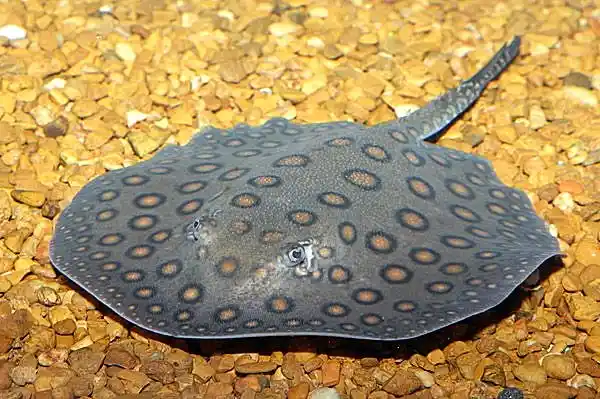
The Itaituba Stingray (Potamotrygon sp. “Itaituba”) is a rare and highly sought-after freshwater stingray originating from the Tapajós River near Itaituba in Brazil. It is known for its beautiful patterning, often featuring contrasting spots or markings on a dark base, making it a prized species among stingray enthusiasts.
This species requires a very large aquarium with a soft sandy substrate to protect its delicate underside. Maintain stable water conditions with temperatures between 24°C to 28°C and a pH range of 6.0 to 7.5. Strong filtration and frequent water changes are essential, as stingrays are highly sensitive to poor water quality.
They are carnivorous and should be fed a protein-rich diet including worms, shrimp, insect larvae, and small fish. Proper feeding ensures healthy growth and vibrant patterns.
Itaituba Stingrays are generally calm but possess a venomous tail spine, so handling should be avoided. They can be kept alone or as a pair in very large aquariums.
Due to their size, rarity, and specialized care requirements, they are recommended only for experienced aquarists. With proper care, they become a stunning centerpiece fish.
Itaituba Stingray is a fascinating aquarium fish that stands out with its vibrant colors. It belongs to the family Potamotrygonidae and is native to the South America.
This species has a care level of Hard and requires a minimum tank size of 400–600 gallons. It typically reaches a size of 50 – 70 cm.
Preferred water parameters include a specific gravity (sg) of Freshwater, pH ranging from 6.0 – 7.5, and a temperature between 24°C – 28°C. Additionally, maintaining water hardness within the range of 5-12 °d is essential.
For stocking, the recommended ratio is 1:1 M. The Itaituba Stingray is widely available and has a diverse diet that includes Carnivore (worms, shrimp, insects, small fish).
With a life span of 10–15 years, this species is known for its very easy care requirements. It is an ideal choice for both beginner and experienced aquarists. Providing a well-maintained tank environment with suitable water conditions will ensure the health and vibrancy of this captivating species.