Angelfish Care Guide: Tank Setup, Food, Lifespan & Breeding Tips
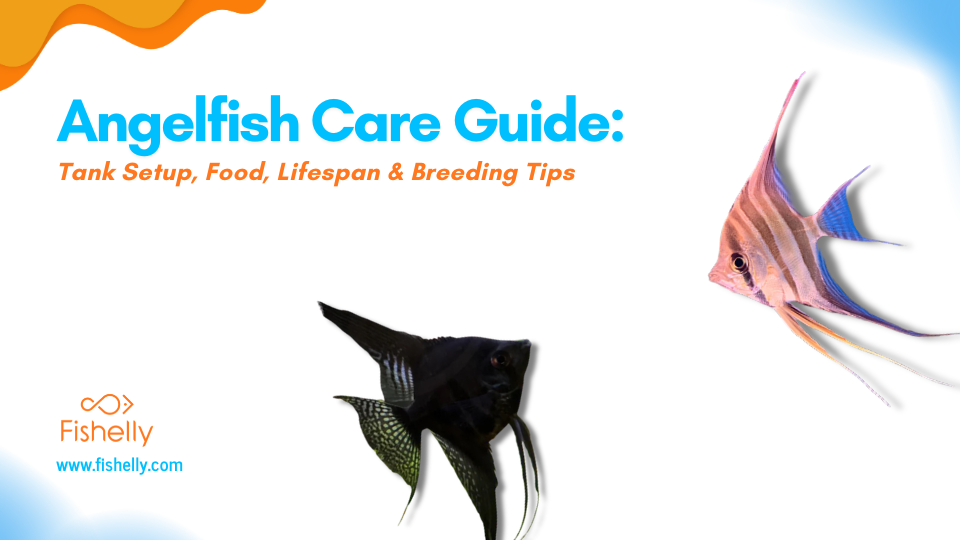
Complete angelfish care guide covering tank size, water conditions, feeding, lifespan, breeding, and common diseases. Learn how to create the perfect environment for healthy, vibrant angelfish in your aquarium.
- Natural Habitat of Angelfish
- Lighting & Water Appearance
- Ideal Tank Conditions for Angelfish
- Lighting - Soft, Dim & Natural
- Tank Size & Water Conditions For AngelFish
- Filtration & Maintenance for Angelfish
- Weekly Maintenance - Keeping Water Clean
- Plants & Tank Decoration
- Tank Decoration - Creating a Natural Layout
- Life Span of Angelfish
- Male vs Female Angelfish Differences
- Food & Feeding For Angelfish
- Behavior & Tank Mates
- Compatible Tank Mates
- Breeding Behavior & Process of Angelfish
- Important Care During Breeding
- Health & Common Diseases
- Tips for Healthy Angelfish
- Prevention is Always Better Than Treatment
- Faq
- Conclusion
Angelfish, or Pterophyllum scalare, are beautiful and calming to watch as they glide through the water. But to keep them truly happy, you need to give them the right environment. They come from soft, plant-filled Amazon waters, so a simple tank isn’t always enough. When you try to recreate their natural setup, you’ll see them healthier, more active, and full of life.
Natural Habitat of Angelfish
Angelfish, scientifically known as Pterophyllum scalare, originate from the vast and biodiverse Amazon River Basin, spanning countries like Brazil, Peru, and Colombia. This region is one of the richest freshwater ecosystems in the world, and it plays a major role in shaping the angelfish’s behavior, body structure, and survival instincts.
Type of Water They Live In
In the wild, angelfish are typically found in slow-moving or still waters rather than strong currents. These include flooded forest areas (known as varzea), calm river edges, and quiet streams. During the rainy season, rivers overflow into forests, creating a maze-like environment filled with plants and submerged wood.
The water in these areas is often referred to as blackwater, which has a slightly dark tea-like color. This coloration comes from tannins released by decomposing leaves, driftwood, and organic debris. Blackwater is usually:
- Soft and slightly acidic

- Low in minerals
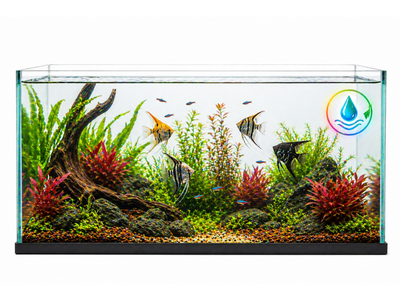
- Dimly lit due to dense canopy cover above
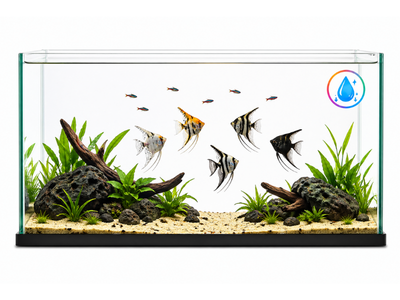
These conditions are very different from clear, fast-flowing rivers and are perfectly suited for angelfish.
Surrounding Environment & Structure
The natural habitat is densely packed with:
- Submerged roots and tree branches that create hiding spaces
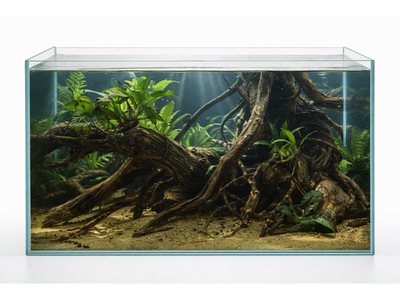
- Fallen logs and leaf litter on the riverbed
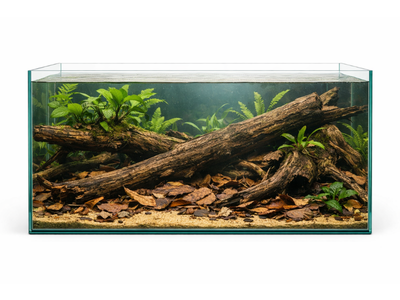
- Thick aquatic plants like Amazon swords and floating vegetation
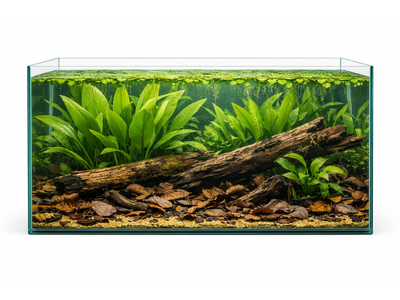
This environment is not open water it’s more like an underwater forest. Angelfish have evolved their tall, flat bodies specifically to move easily between vertical structures like roots and plants without getting stuck.
Why This Habitat Is Perfect for Angelfish
1. Protection from Predators
The dense vegetation and tangled roots provide natural cover, allowing angelfish to hide from larger predatory fish. Their body shape and vertical stripes help them blend into the surroundings.
2. Ideal Breeding Conditions
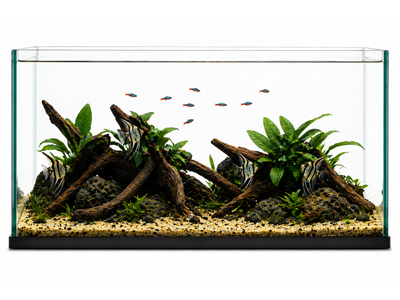
Angelfish are known to lay eggs on flat vertical surfaces. In the wild, they use:
-
Broad plant leaves
-
Smooth submerged wood
-
Rocks or vertical structures
The calm water ensures that eggs are not swept away, increasing survival rates.
3. Peaceful, Low-Flow Environment
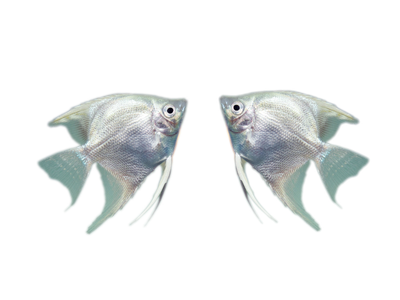
Unlike fast-swimming fish, angelfish prefer gentle waters. Their long fins are not designed for strong currents, so slow-moving habitats allow them to swim gracefully without stress.
4. Natural Food Availability
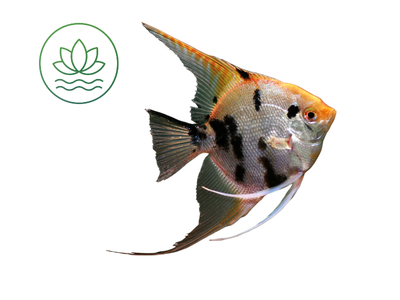
The habitat is rich in:
-
Small insects and larvae
-
Tiny crustaceans
-
Organic particles
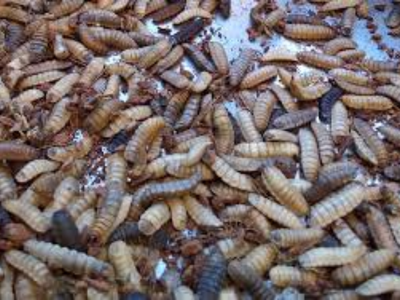
This provides a steady and diverse food source in the wild.
Lighting & Water Appearance
Due to thick tree cover above the water, very little sunlight penetrates the surface. Combined with tannins, this creates a dim, slightly shadow environment. Angelfish are naturally adapted to these low-light conditions, which is why they often feel more comfortable in aquariums with subdued lighting rather than bright, harsh lights.
The natural habitat of angelfish is not just water, it’s a complex, calm, and plant-rich ecosystem. From blackwater conditions to dense underwater structures, every element supports their behavior, breeding, and survival. Understanding this environment is key if you want to recreate a healthy and stress-free aquarium setup for angelfish.
Ideal Tank Conditions for Angelfish
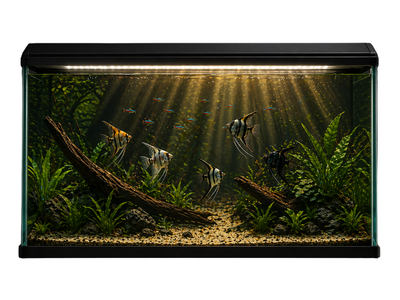
Understanding the natural habitat of Pterophyllum scalare is the key to creating a stress-free and healthy aquarium. When you replicate their native environment, angelfish not only survive - but truly thrive, showing their natural grace, colors, and breeding behavior.
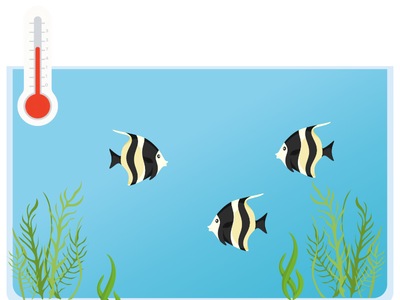
Temperature (24°C to 30°C) – Warm Tropical Stability
Angelfish come from the warm waters of the Amazon River Basin, where temperatures remain consistently tropical throughout the year.
Maintaining a stable temperature between 24°C and 30°C is essential for:
-
Proper metabolism and digestion
-
Strong immune system
-
Active yet calm swimming behavior
Sudden temperature drops can stress angelfish, making them more vulnerable to diseases. Slightly warmer temperatures (around 26–28°C) are especially beneficial during breeding, as they encourage pairing and egg-laying.
pH Level (5.5 to 7.0) – Slightly Acidic Comfort
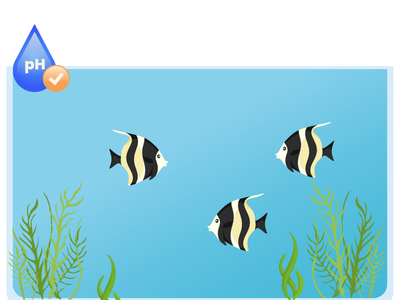
In their natural blackwater environment, angelfish are adapted to soft, slightly acidic water. A pH range of 5.5 to 7.0 closely mimics these conditions.
This helps in:
-
Reducing stress levels
-
Enhancing natural coloration
-
Supporting successful breeding
While angelfish can adapt to neutral water, keeping the pH slightly acidic makes them feel more “at home.” Stability matters more than chasing exact numbers avoid sudden fluctuations.
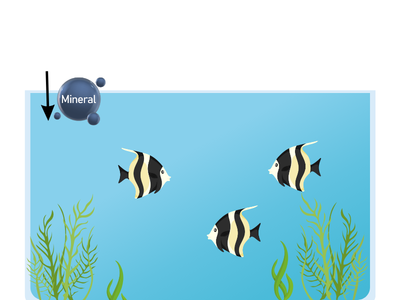
Water Type – Soft & Low Mineral Content
Wild angelfish live in water with low hardness, meaning fewer dissolved minerals like calcium and magnesium.
Soft water benefits include:
-
Better fin condition and growth
-
Higher egg hatch rates during breeding
-
Reduced risk of mineral-related stress
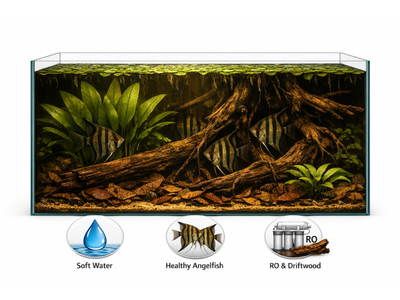
If your local water is hard, using driftwood or mixing RO (reverse osmosis) water can help soften it naturally closely replicating their native ecosystem.
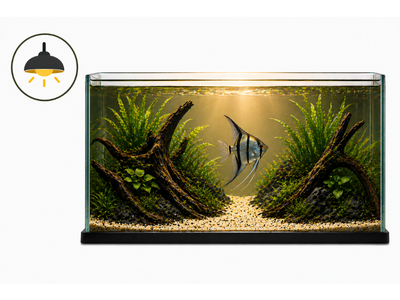
Lighting - Soft, Dim & Natural
In the wild, sunlight is filtered through dense forest canopies and tannin-rich water, creating a low-light environment.
In aquariums, angelfish prefer:
-
Soft or subdued lighting
-
Floating plants to diffuse brightness
-
Avoidance of harsh, direct light
Dim lighting reduces stress and encourages natural behavior. Under softer light, angelfish often display richer colors and feel secure enough to explore the tank calmly.
Water Flow - Slow & Gentle Movement
Angelfish are not built for strong currents. Their long, flowing fins make it difficult to swim in fast-moving water.
A gentle water flow ensures:
-
Effortless, graceful swimming
-
Reduced physical stress
-
Natural territorial and pairing behavior
Use filters with adjustable flow or position decorations like plants and driftwood to break strong currents.
Behavior Benefits of Proper Conditions
When all these parameters are balanced, angelfish begin to show their true personality:
-
Slow, elegant gliding instead of erratic swimming
-
Pair formation and territorial bonding
-
Increased confidence and reduced hiding
-
Healthy appetite and vibrant colors
These signs indicate that your aquarium closely matches their natural habitat.
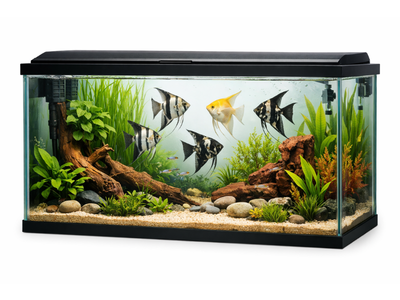
Creating the perfect angelfish tank is not about complexity it’s about replicating nature in a simplified way. Warm water, soft chemistry, dim lighting, and gentle flow together create an environment where angelfish feel safe, behave naturally, and live a long, healthy life.
Tank Size & Water Conditions For AngelFish
Angelfish (Pterophyllum scalare) are uniquely shaped fish with tall, triangular bodies and long fins. Because of this, their tank requirements are different from most freshwater fish. Instead of focusing only on volume, tank height and stability become the most important factors.
Tank Size - Focus on Vertical Space
Angelfish grow quite tall, and their fins need enough vertical room to expand naturally without damage.
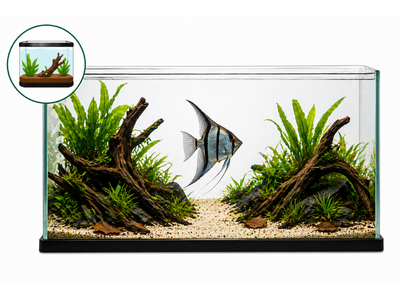
Recommended Tank Sizes:
-
20 gallons → Suitable for a single angelfish (basic setup)
-
30–40 gallons → Ideal for a pair or small group
-
50+ gallons → Best for community tanks or multiple angelfish
Why Height Matters More:
-
Supports natural up-and-down swimming behavior
-
Prevents fin bending or tearing
-
Reduces stress from cramped conditions
-
Helps establish territories, especially in pairs
A tank with at least 18 - 20 inches height is strongly recommended. Even a long tank won’t compensate if it’s too shallow.
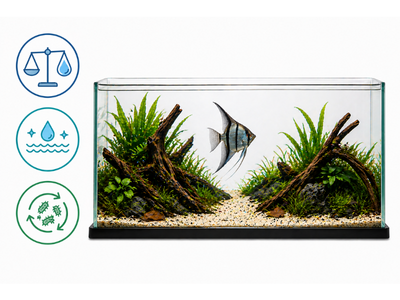
Water Quality - Stability Over Perfection
Instead of constantly adjusting numbers, angelfish prefer consistent and clean water conditions.
Key Focus Areas:
-
Stable parameters (avoid sudden changes)
-
Clean water through regular maintenance
-
Balanced ecosystem with beneficial bacteria
Sudden fluctuations whether from large water changes or poor maintenance can stress angelfish quickly.
Water Movement - Calm & Controlled
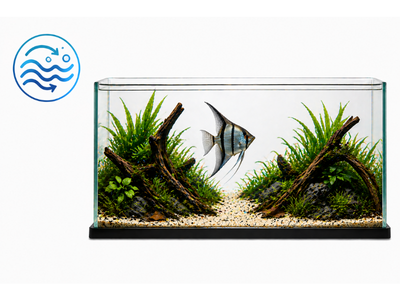
Angelfish are naturally adapted to slow-moving waters of the Amazon River Basin. Strong currents can make swimming difficult and stressful.
Ideal Setup:
-
Gentle filtration flow
-
No direct strong current hitting the fish
-
Use plants or decor to break water flow
This allows angelfish to glide smoothly and conserve energy.
Common Mistakes to Avoid
-
Choosing a short or shallow tank
-
Overstocking small tanks
-
Making sudden large water changes
-
Ignoring filtration and cleaning routine
These mistakes often lead to stress, aggression, or health issues.
Practical Setup Tips
-
Always choose a tall aquarium design
-
Maintain a weekly water change routine (20–30%)
-
Use a good filtration system with adjustable flow
-
Add plants and driftwood for a natural feel
-
Monitor water quality regularly rather than chasing exact numbers
What a Proper Setup Looks
When your tank size and water conditions are correct, angelfish will:
-
Swim slowly and confidently
-
Keep their fins fully extended
-
Show natural curiosity instead of hiding
-
Form pairs and display peaceful behavior
For angelfish, success doesn’t come from complex setups it comes from space, stability, and calm conditions. A tall tank with clean, stable water will always outperform a larger but poorly maintained aquarium.
Filtration & Maintenance for Angelfish
Angelfish prefer calm water, so filtration should focus on cleaning the water without creating strong currents.
Best Filter Options:
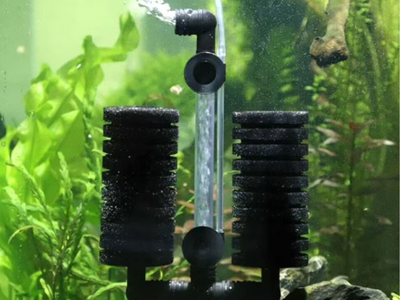
Sponge Filters
Ideal for beginners and breeding tanks. They provide:
-
Gentle water flow
-
Excellent biological filtration
-
Safe environment for fry (baby fish)
Canister Filters
Suitable for larger tanks. They offer:
-
Powerful multi-stage filtration (mechanical + biological + chemical)
-
Adjustable flow using spray bars
-
Clean and crystal-clear water
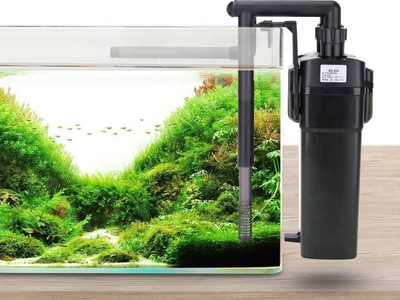
Flow Control Is Important:
Even with strong filters, angelfish should not struggle to swim. You can:
-
Use spray bars to spread water flow
-
Place decorations or plants to break current strength
-
Adjust filter output to maintain a soft, steady movement
Weekly Maintenance - Keeping Water Clean
Regular maintenance prevents toxin buildup and keeps your aquarium stable.
Water Changes (20–30% Weekly):
Partial water changes help remove:
-
Fish waste
-
Uneaten food
-
Harmful chemicals
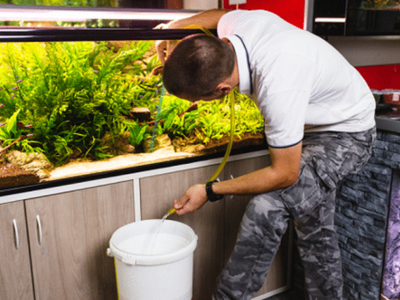
Always:
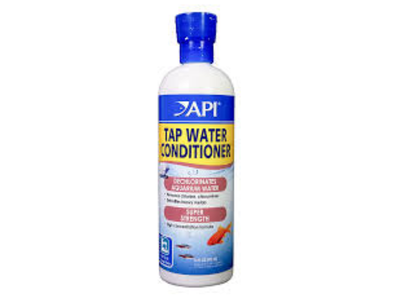
- Use dechlorinated water
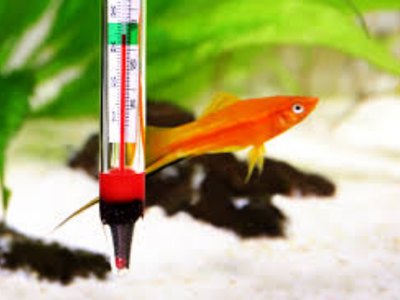
- Match temperature to avoid shock
- Avoid changing too much water at once
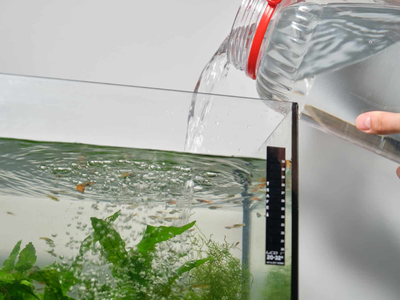
Substrate Cleaning - Removing Hidden Waste
Over time, waste settles into the substrate (gravel or sand), which can pollute the water.
Use a Gravel Vacuum:
-
Removes debris trapped in substrate
-
Prevents ammonia spikes
-
Keeps the tank hygienic
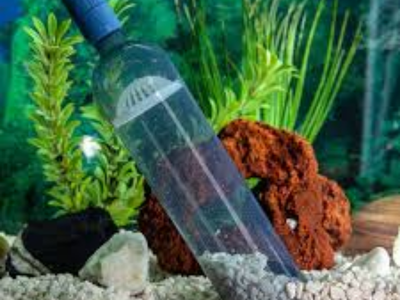
Cleaning the substrate weekly or during water changes ensures a healthier bottom environment, especially in planted tanks.
Plants & Tank Decoration
Choosing the right plants is essential because angelfish prefer tall, broad-leaf, and low maintenance plants.
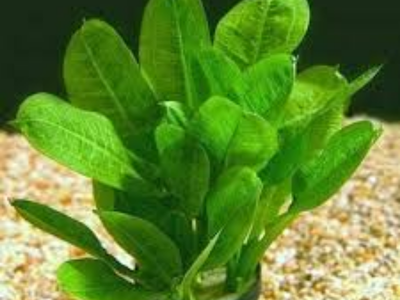
Amazon Sword
One of the most popular plants for angelfish tanks.
-
Large, wide leaves mimic natural breeding surfaces
-
Provides shelter and visual comfort
-
Ideal as a background or centerpiece plant
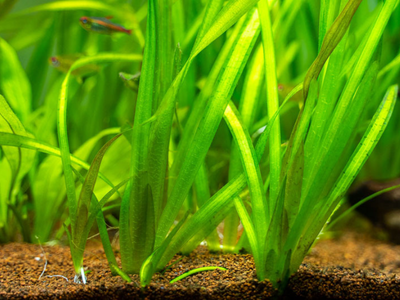
Vallisneria
A perfect plant for creating a jungle-like effect.
-
Long, ribbon-like leaves reach the surface
-
Enhances vertical depth of the tank
-
Offers natural hiding and swimming paths
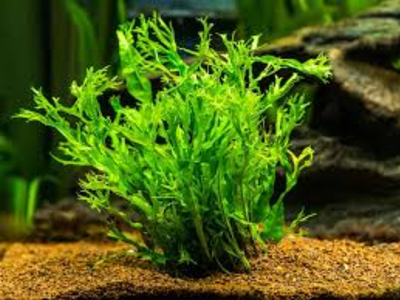
Java Fern
A hardy and beginner-friendly plant.
-
Grows attached to driftwood or rocks
-
Requires low light and minimal care
-
Adds a natural, forest-like look
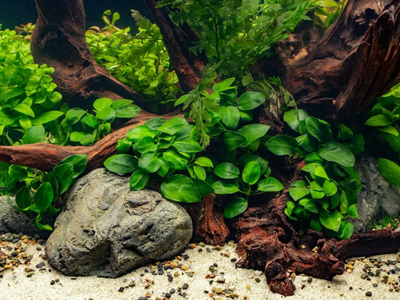
Anubias
Compact and slow-growing, ideal for decoration.
-
Thick leaves resist damage from fish
-
Can be tied to wood or stones
-
Perfect for shaded areas
Tank Decoration - Creating a Natural Layout
Plants alone are not enough. Adding natural elements like wood and structure completes the environment.
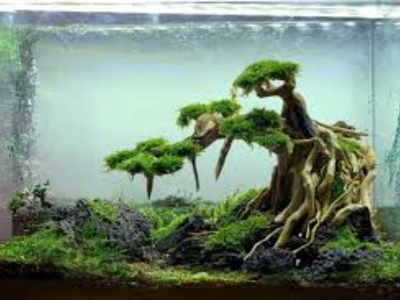
Driftwood & Roots
-
Replicates submerged tree roots from natural habitats
-
Releases mild tannins that create a natural feel
-
Provides surfaces for plants like Java Fern and Anubias
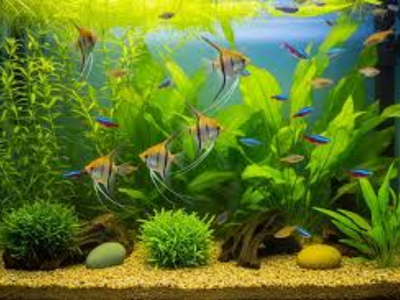
Hiding Spaces
Angelfish need places to retreat when stressed or establishing territory.
-
Use plants, wood, or rock formations
-
Create shaded corners for comfort
-
Helps reduce aggression in pairs
Life Span of Angelfish
Angelfish are popular freshwater aquarium fish known for their graceful appearance and calm swimming style. Their lifespan depends heavily on care, environment, and overall tank conditions.
Average Lifespan
Angelfish typically live 8 to 12 years in a well-maintained aquarium.
With Proper Care
When provided with optimal conditions such as stable water parameters, a nutritious diet, and low stress, angelfish can live 12 to 15 years or even longer in rare cases.
Male vs Female Angelfish Differences
There are subtle differences between male and female angelfish, though they are harder to identify compared to koi.
Female Angelfish
-
Slightly rounder and fuller body, especially when mature
-
Develop a breeding tube (ovipositor) during spawning
-
May appear less aggressive in general
-
Can sometimes live slightly longer in stable conditions
Male Angelfish
-
Often slimmer with a more angular body shape
-
May show more territorial or dominant behavior
-
Develop a pointed breeding tube during breeding
-
Slightly more active and aggressive in some cases
Food & Feeding For Angelfish
Angelfish are omnivorous and require a balanced diet of both plant-based and protein-rich foods. Proper nutrition plays a major role in their growth, immunity, coloration, and overall lifespan, making feeding just as important as maintaining good water quality.
What Angelfish Eat
A healthy angelfish diet should include a variety of foods to ensure proper nutrition:
Pellets & Flakes (Staple Food)
-
High-quality flakes or pellets should form the main part of their diet
-
Ideal protein content: 40–50% for healthy growth
-
Special angelfish formulas are available for better digestion and color

Color-Enhancing Food
- Contains ingredients like spirulina and carotenoids

- Enhances orange, red, and golden shades in angelfish
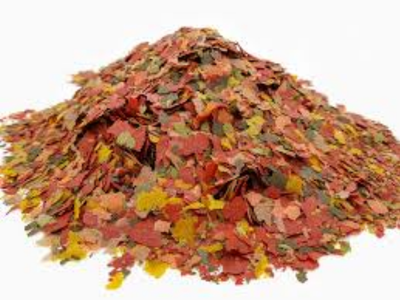
- Should be used along with staple food, not as the only diet
Vegetables
- Safe options include blanched peas (without skin), spinach, and zucchini

-
Provide fiber and improve digestion
-
Helps mimic their natural diet in the wild
Protein Treats
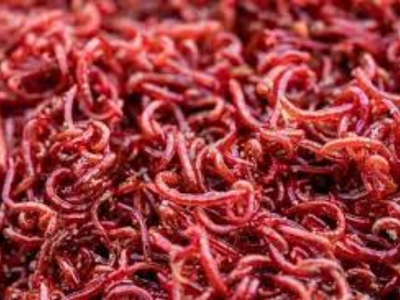
- Includes bloodworms, brine shrimp, daphnia, and mosquito larvae
-
Rich in protein and ideal for growth and conditioning
-
Should be given 2–3 times per week, not daily
Feeding Tips for Healthy Angelfish
Good feeding habits help keep your fish healthy and your tank clean:
Feed 2–3 Times Daily
-
Small portions are better than overfeeding
-
Keeps energy levels stable throughout the day
Feed Only What They Can Eat in 2–3 Minutes
-
Prevents leftover food from polluting the water
-
Maintains better water quality
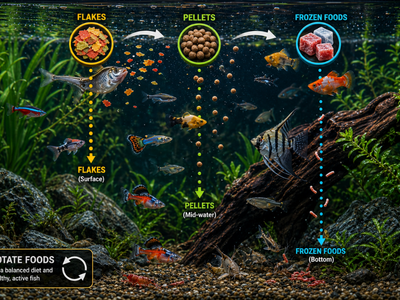
Maintain Variety
-
Rotate between flakes, pellets, and live/frozen foods
-
Ensures complete nutrition and prevents boredom
Adjust Feeding During Stress or Illness
-
Reduce feeding if fish are stressed or unwell
-
Overfeeding during this time can worsen conditions
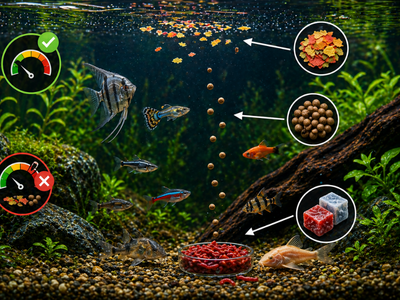
Avoid Overfeeding
Overfeeding is one of the most common mistakes in angelfish care:
-
Uneaten food breaks down and produces ammonia
-
Leads to poor water quality and increased disease risk
-
Can cause bloating and digestive problems
-
Makes the tank dirty and harder to maintain
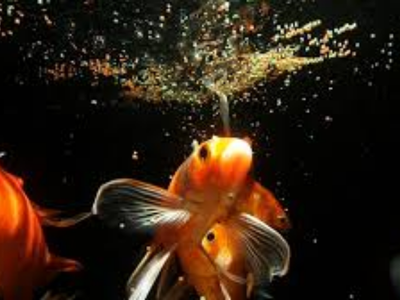
A balanced and varied diet keeps angelfish healthy, active, and vibrant. With proper feeding habits, they develop strong fins, bright colors, and a longer lifespan making them a beautiful centerpiece in any freshwater aquarium.
Behavior & Tank Mates
Angelfish are generally calm and graceful, but unlike koi, they have a slightly semi-aggressive and territorial nature, especially as they mature. They are intelligent, observant, and can recognize feeding routines, making them engaging and interactive aquarium fish.
Common Behavior Traits of Angelfish
Angelfish show a mix of peaceful and mildly aggressive behaviors:
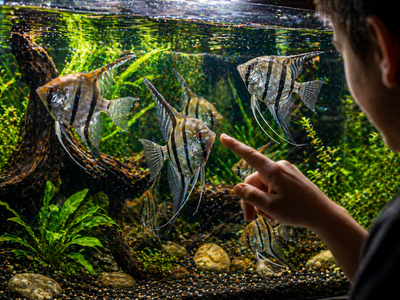
Recognize Their Owner
-
Angelfish can learn to associate you with feeding time
-
They may swim toward the front of the tank when you approach
-
Over time, they become more responsive and interactive
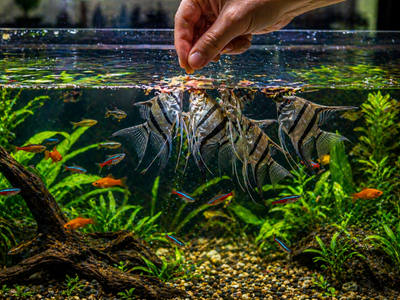
Come to the Surface for Food
-
Quickly learn feeding schedules
-
Often gather at the surface when they see movement
-
Some may even take food directly from your hand
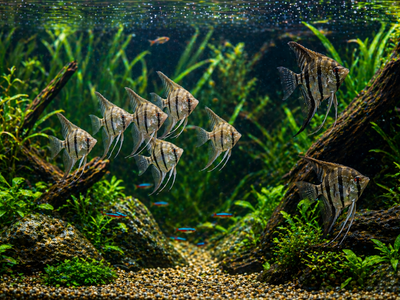
Swim Gracefully in Groups
-
Juvenile angelfish prefer group living (schooling behavior)
-
Helps reduce stress and makes them feel secure
-
As they grow, they may become more territorial
Territorial Behavior
-
Adult angelfish can become protective of their space
-
During breeding, they may chase away other fish
-
Pairs especially become aggressive when guarding eggs
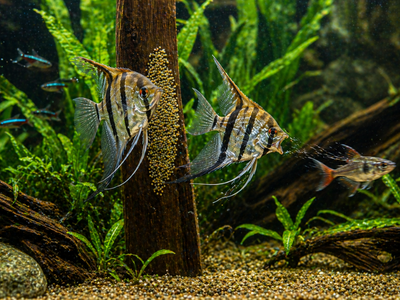
Compatible Tank Mates
Angelfish can live peacefully with calm, medium-sized fish that share similar water conditions:
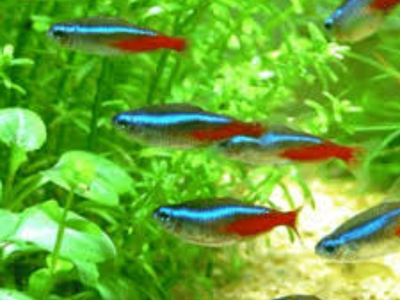
Neon Tetra
-
Small, peaceful schooling fish
-
Best kept with larger angelfish that won’t see them as food
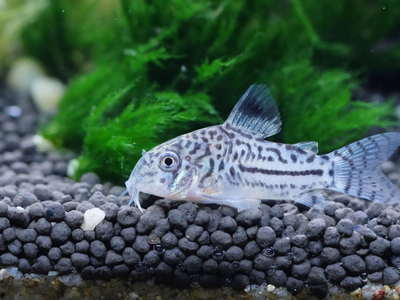
Corydoras Catfish
-
Bottom dwellers that avoid angelfish territory
-
Peaceful and helpful for tank cleaning
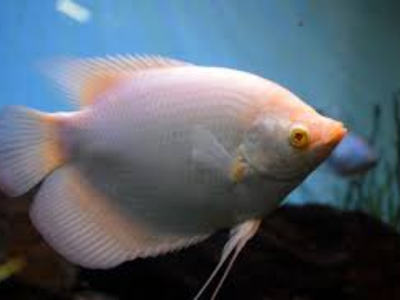
Gourami
-
Calm and slow-moving fish
-
Can coexist if tank space is sufficient
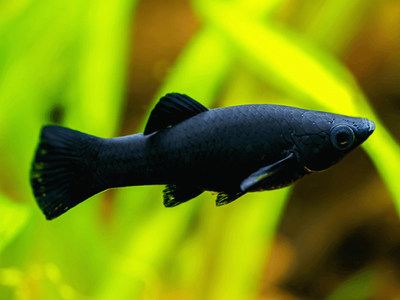
Molly Fish
-
Active but generally peaceful
-
Compatible in larger community tanks
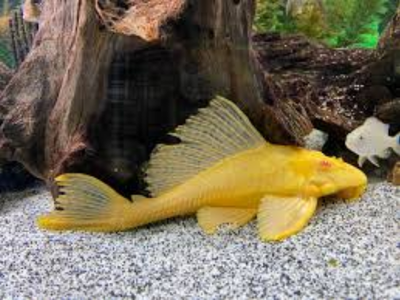
Plecostomus
-
Bottom-dwelling algae eater
-
Stays out of angelfish territory
Fish to Avoid
To maintain a peaceful aquarium, avoid incompatible species:
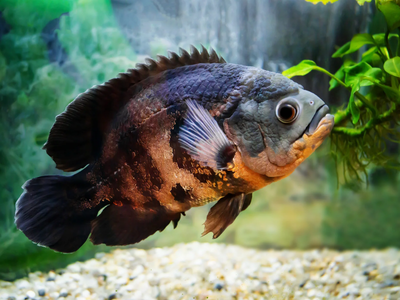
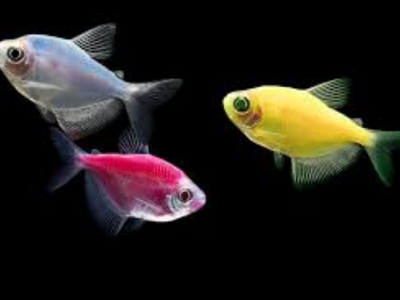
Aggressive Fish
-
Examples: Oscar Fish, Tiger Barb
-
May nip fins or bully angelfish
-
Causes stress and injuries
Very Small Fish
-
Tiny fish may be seen as food by angelfish
-
Risk increases as angelfish grow larger
Fin-Nipping Fish
-
Fish that bite fins can damage angelfish’s long, flowing fins
-
Leads to stress and infections
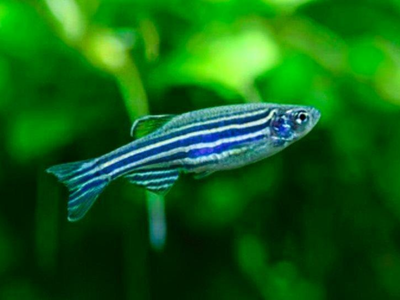
Angelfish are peaceful yet slightly territorial fish that thrive in a well-planned community tank. Choosing the right tank mates ensures a calm environment, reduces stress, and allows angelfish to display their natural beauty, elegant swimming, and engaging behavior.
Breeding Behavior & Process of Angelfish
Angelfish breeding is more controlled and delicate compared to koi. They usually breed in a stable aquarium environment when conditions are ideal. Unlike koi, angelfish form pairs and show strong parental instincts, especially during spawning.
Angelfish follow a unique and organized breeding pattern:
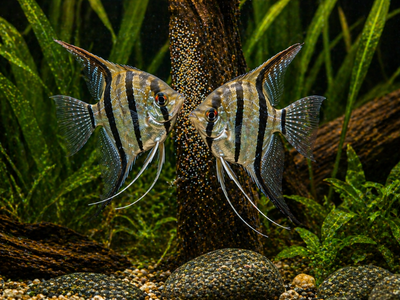
Pair Formation
-
Angelfish naturally form pairs when mature
-
A compatible male and female will stay together and defend their area
-
Pair bonding is important for successful breeding
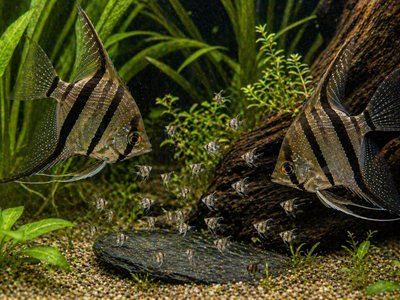
Cleaning the Spawning Surface
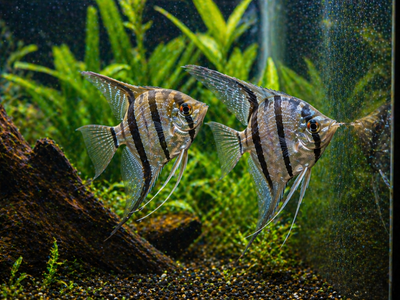
-
Before laying eggs, the pair will clean a flat surface
-
Common surfaces include plant leaves, aquarium glass, or slate
-
This ensures a safe and clean place for eggs
Egg Laying
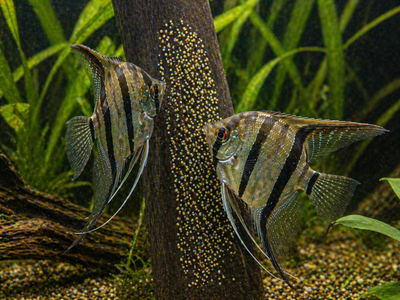
-
The female lays 100 to 500 eggs in neat rows
-
The male follows and fertilizes the eggs immediately
-
Eggs are carefully placed on vertical or slightly angled surfaces
Parental Care
-
Both parents guard and fan the eggs to provide oxygen
-
They remove unfertilized or infected eggs
-
Angelfish show strong protective behavior during this stage
Important Care During Breeding
Proper care ensures better survival and healthy fry:
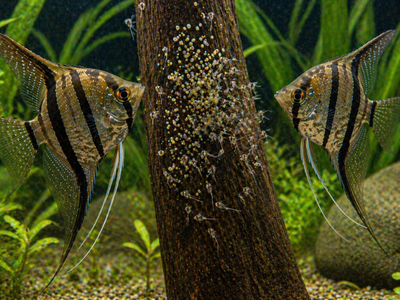
Egg Hatching Time
-
Eggs usually hatch within 48 to 72 hours
-
Temperature and water quality affect hatching speed
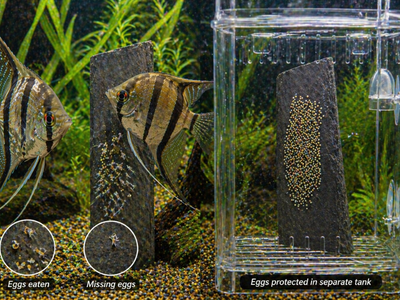
Separate Adults (Optional)
-
Some angelfish parents may eat eggs or fry, especially first-time breeders
-
In such cases, moving eggs to a separate tank improves survival
Maintain Clean Water
-
Stable, clean water is essential
-
Poor conditions can cause fungus on eggs and reduce hatch rates
Fry (Baby Angelfish) Care
Newly hatched angelfish fry are very delicate and need special attention:
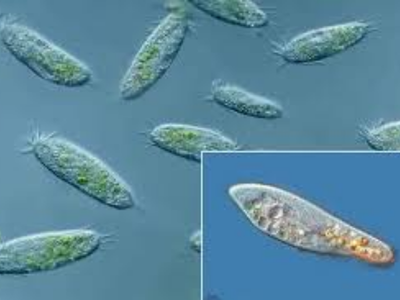
Start with Infusoria
-
Fry initially feed on infusoria or microscopic organisms
-
Essential for early survival
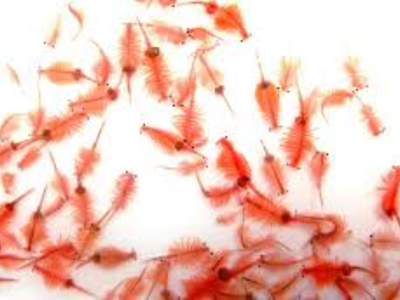
Introduce Baby Brine Shrimp
-
After a few days, feed baby brine shrimp
-
Helps rapid growth and improves survival rate
Gradually Add Crushed Food
-
As fry grow, introduce finely crushed flakes or powdered food
-
Increase food size slowly as they develop

Angelfish breeding is a fascinating and rewarding process that showcases their intelligence and parental care. With clean water, proper setup, and careful feeding, the fragile fry can grow into healthy, elegant adult angelfish, making the effort truly worthwhile.
Health & Common Diseases
Healthy angelfish are active, alert, and display bright, vibrant colors with smooth fins and clear eyes. Most diseases in angelfish are caused by poor water quality, stress, or sudden changes in environment, making proper care essential for prevention.
Common Diseases in Angelfish
Angelfish can suffer from several diseases, especially in unstable or poorly maintained tanks:
Ich (White Spot Disease)
-
Appears as tiny white spots on body and fins
-
Caused by parasites, often triggered by stress or temperature changes
-
Fish may rub against objects (flashing) due to irritation
-
If untreated, it can spread quickly to other fish
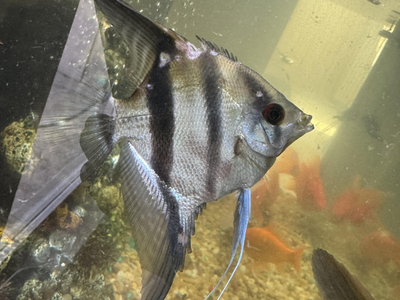
Fin Rot
-
Fins appear frayed, torn, or decaying
-
Caused by bacterial infection due to dirty water or injury
-
Fins may gradually shorten or lose shape
-
Early treatment is important to prevent severe damage
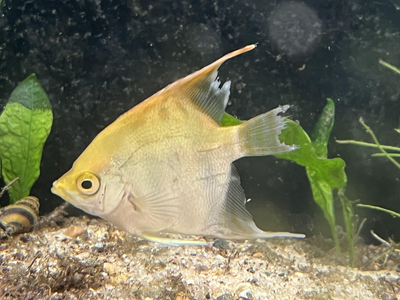
Parasites (External)
-
Causes itching, flashing, and unusual behavior
-
Fish may become lethargic or lose appetite
-
Can lead to skin damage and secondary infections
-
Common in overcrowded or unclean aquariums
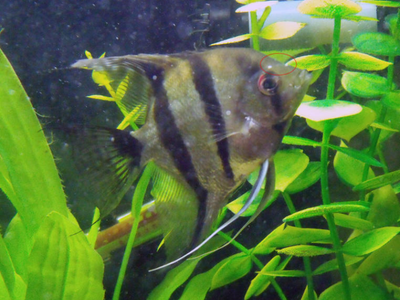
Fungal Infections
-
Appear as cotton-like white or gray patches on the body
-
Often develop on injured or weak fish
-
Linked to poor water conditions
Swim Bladder Disorder
-
Fish may struggle to swim properly or float abnormally
-
Often caused by overfeeding or poor diet
-
Can also result from internal infections
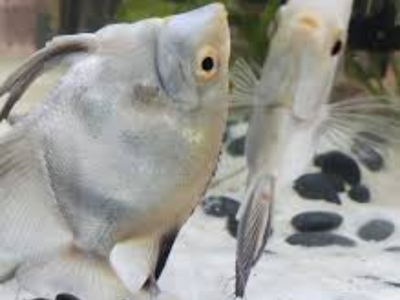
Prevention Tips
-
Maintain clean, well-filtered water
-
Perform regular water changes
-
Avoid overcrowding
-
Feed a balanced and controlled diet
-
Quarantine new fish before adding them to the tank
Most angelfish diseases are preventable with proper care. A clean, stable environment and a healthy diet keep angelfish strong, active, and disease-free. Early detection and quick action are key to ensuring long-term health and a thriving aquarium.
Tips for Healthy Angelfish
Preventing disease is always easier and safer than treating it later. Follow these essential practices to keep your angelfish healthy and stress-free:
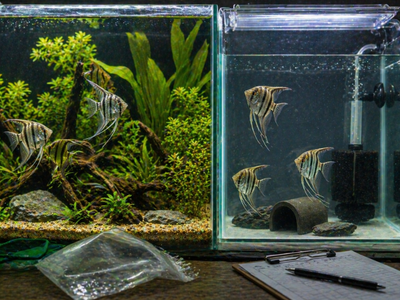
Quarantine New Fish
-
Always keep new angelfish in a separate tank for 2–3 weeks
-
Helps prevent introducing hidden diseases or parasites
-
Observe their behavior and health before adding to the main tank
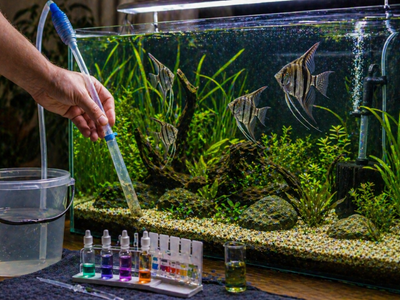
Maintain Water Quality
-
Regularly check ammonia, nitrite, nitrate, and pH levels
-
Keep water clean with good filtration and weekly water changes
-
Stable temperature (24–28°C) is ideal for angelfish
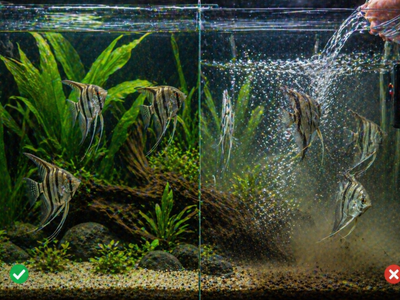
Avoid Sudden Changes
-
Rapid changes in temperature, pH, or water parameters can stress angelfish
-
Always make adjustments slowly and gradually
-
Stress weakens immunity and increases disease risk
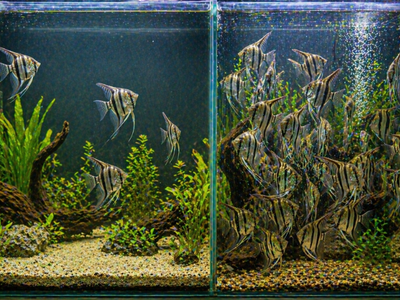
Provide Proper Space
-
Avoid overcrowding the tank
-
Give enough space for swimming and territory
-
Reduces aggression and stress
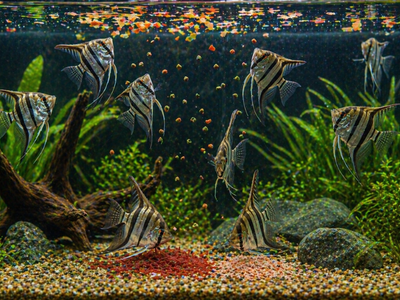
Feed a Balanced Diet
-
Offer a mix of flakes, pellets, and protein foods
-
Avoid overfeeding to maintain water quality
-
Proper nutrition boosts immunity
Prevention is Always Better Than Treatment
A stable environment, clean water, and proper care will keep angelfish healthy, active, and disease-free, reducing the need for medications and treatments.
Interesting Facts About Angelfish
Angelfish are not just beautiful they have some fascinating traits:
-
They can recognize feeding routines and become responsive to their owner
-
Each angelfish has unique color patterns and fin shapes
-
Native to the Amazon River Basin, giving them a natural tropical elegance
-
They can grow up to 6 inches in body size with much taller fins
-
Known for their graceful swimming and calm personality
-
Form strong breeding pairs and show parental care
Angelfish are intelligent and elegant aquarium fish that thrive with proper care. With the right environment and attention, they remain vibrant, active, and become a stunning centerpiece in any freshwater tank.
Faq
1. Are angelfish easy to keep for beginners?
Yes, angelfish are beginner-friendly if you maintain stable water conditions. They are hardy but still need clean water, proper tank size, and a balanced diet to stay healthy.
2. What is the ideal tank size for angelfish?
A minimum of 20 gallons is required for one angelfish, but 30–40 gallons is better for a pair. Taller tanks are more important than wider ones because of their body shape.
3. How long do angelfish live?
With proper care, angelfish usually live around 8–12 years. In ideal conditions, they can even live up to 15 years.
4. Can angelfish live with other fish?
Yes, they can live with peaceful fish like tetras, corydoras, and gouramis. Avoid aggressive or fin-nipping fish, as angelfish have delicate fins.
5. What do angelfish eat daily?
They eat flakes or pellets as their main food, along with occasional treats like bloodworms or brine shrimp. A varied diet keeps them healthy and colorful.
6. How often should I feed angelfish?
Feed them 2–3 times a day in small portions. Only give as much as they can eat in 2–3 minutes to avoid overfeeding.
7. Do angelfish need plants in the tank?
Yes, plants help them feel safe and reduce stress. Broad-leaf plants are also useful for breeding since angelfish lay eggs on flat surfaces.
8. Why is my angelfish hiding all the time?
Hiding is usually a sign of stress. It can be due to poor water quality, aggressive tank mates, or lack of hiding spots in the tank.
9. Can angelfish breed in a home aquarium?
Yes, angelfish breed easily in a stable tank. They form pairs, lay eggs on flat surfaces, and often take care of their eggs and fry.
10. What temperature is best for angelfish?
The ideal temperature range is 24°C to 30°C. Around 26–28°C is perfect for general health and breeding.
11. How can I tell if my angelfish is male or female?
It’s difficult to tell visually, but during breeding, females develop a rounded breeding tube while males have a more pointed one.
12. Why are my angelfish fins damaged or torn?
This can happen due to fin-nipping fish, sharp decorations, or poor water quality. Always keep tank mates peaceful and use smooth decor.
13. Do angelfish need strong filtration?
They need good filtration, but the water flow should be gentle. Strong currents can stress them and make swimming difficult.
14. How do I know if my angelfish is healthy?
Healthy angelfish are active, have bright colors, open fins, and a good appetite. Signs like dull color, clamped fins, or hiding may indicate a problem.
15. What is the most common mistake in angelfish care?
Overfeeding and poor water maintenance are the biggest mistakes. Both can quickly lead to disease and stress.
Conclusion
Keeping angelfish is really about getting the basics right clean water, enough space, good food, and a calm setup. When everything feels right, they become more active, their colors stand out, and watching them is truly relaxing. With a little care and consistency, your angelfish will stay healthy and feel like a natural part of your space.