Angelfish Types Guide: Species, Varieties & Colors Explained
Explore all angelfish types, species, and varieties. Discover colors, patterns, and unique traits from Scalare to rare angelfish in this complete guide.
- Natural Species of Angelfish
- Scalare Angelfish
- Altum Angelfish
- Leopoldi Angelfish
- Popular Pattern & Color Varieties of Angelfish
- Zebra Angelfish
- Marble Angelfish
- Koi Angelfish
- Gold Angelfish
- Platinum Angelfish
- Unique & Designer Angelfish Types
- Black Lace Angelfish
- Half-Black Angelfish
- Ghost Angelfish
- Blushing Angelfish
- Rare & Exotic Angelfish Varieties
- Red Devil Angelfish
- Sunset Angelfish
- Bulgarian Seal Point Angelfish
- Chocolate Angelfish
- Regional & Specialty Angelfish Variants
- Rio Nanay Angelfish
- Manacapuru Angelfish
- Peru Altum Angelfish
- Xingu Angelfish
- Modern Hybrid Angelfish Varieties
- Blue Zebra Angelfish
- Platinum Marble Angelfish
- Golden Marble Angelfish
- Pinoy Angelfish
- Veil Angelfish
- Pearlscale Angelfish
- Silver Angelfish
- Clown Angelfish
- Albino Angelfish
- Paraiba Angelfish
- German Red Angelfish
- Blue Blushing Angelfish
- Half-Black Lace Angelfish
- Dumeril’s Angelfish
- Rio Negro Angelfish
- Faq
- Conclusion
Angelfish, scientifically known as Pterophyllum scalare, are elegant freshwater fish from the Amazon Basin. Known for their tall bodies and graceful movement, they come in a wide range of colors and patterns, making them a popular choice for aquariums.
Natural Species of Angelfish
Natural angelfish species are the true wild forms found in the Amazon Basin. All the colorful aquarium varieties you see today are derived from these original species. Each one has its own personality, appearance, and care needs—ranging from beginner-friendly to expert-level.
Scalare Angelfish
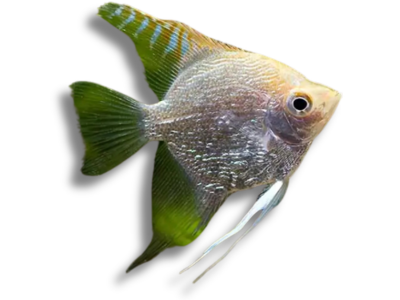
The Scalare Angelfish is the most common and beginner-friendly angelfish species found in home aquariums. Native to the Amazon, it lives in calm, plant-filled waters where its tall, flat body helps it hide among roots and plants. Due to its adaptability and peaceful nature, it has become the base for most modern angelfish varieties.
Key Points
- Appearance:
Classic silver body with bold vertical black stripes and long, flowing fins that give it a graceful look.
- Size:
Grows up to 6 inches in length and around 8 inches in height, making it a medium-to-large aquarium fish.
- Nature:
Generally peaceful and suitable for community tanks, but may become slightly territorial during breeding.
- Adaptability:
Very hardy and can adjust to different water conditions, making it ideal for beginners.
- Habitat Preference:
Loves planted aquariums with vertical space, driftwood, and slow water flow.
- Availability & Cost:
Easily available in pet stores and usually budget-friendly compared to rare angelfish types.
The Scalare Angelfish is a classic, hardy, and beginner-friendly fish known for its elegant look and easy care, making it a perfect addition to any aquarium.
Altum Angelfish
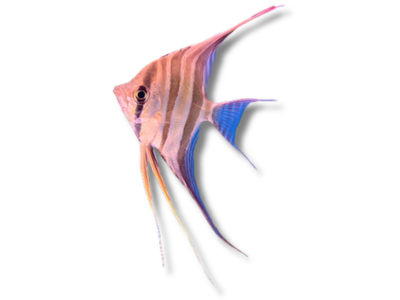
Altum angelfish are often considered the “royal” angelfish due to their impressive height and elegant appearance. They are the largest of the three species and have a more elongated body compared to Scalare.
In the wild, they are found in the Orinoco River basin, where water conditions are extremely soft and acidic. Because of this, they are more sensitive and require stable, well-maintained aquarium environments.
The Altum Angelfish is the most majestic and tallest angelfish species, admired for its elongated body and graceful presence. Native to the Orinoco River basin, it requires soft, acidic, and highly stable water conditions, making it best suited for experienced aquarists.
Key Points
- Appearance:
Features a very tall and slender body with long, flowing fins and a more elongated shape compared to other angelfish, giving it a majestic and royal look.
- Size:
Grows significantly taller than other species, so it requires a tall aquarium to comfortably accommodate its vertical fins and natural swimming style.
- Nature:
Generally calm and peaceful, but highly sensitive to environmental changes and can become stressed if conditions are not stable.
- Care Level:
Not suitable for beginners, as it requires consistent water quality, stable parameters, and careful monitoring.
- Habitat:
Thrives in soft, acidic water that closely matches its natural Orinoco River environment, with calm flow and plenty of vertical space.
- Availability:
Considered a premium angelfish species and is usually more expensive due to its rarity and care requirements.
A tall, elegant, and sensitive angelfish best suited for experienced aquarists seeking a premium and graceful aquarium centerpiece.
Leopoldi Angelfish
Leopoldi angelfish are the rarest and least commonly seen among the three species. They are often overlooked because they lack the dramatic height of Altums or the popularity of Scalare, but they have their own unique charm.
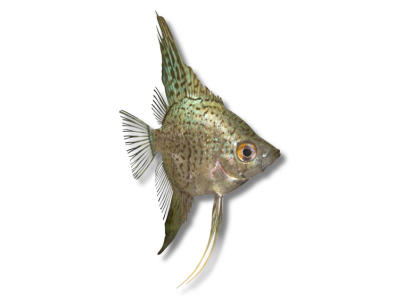
This species has a slightly more streamlined body and is recognized by a distinct black spot near the dorsal fin. They are generally smaller and tend to be less aggressive, making them suitable for peaceful setups.
Due to their rarity, they are harder to find in the aquarium trade and are usually sought after by collectors or hobbyists looking for something different.
Key Points
- Appearance:
Has a more streamlined and slightly slimmer body compared to other angelfish, with a noticeable black spot near the dorsal fin that helps in easy identification.
- Size:
The smallest among the three angelfish species, making it suitable for slightly smaller tanks compared to other angelfish.
- Nature:
More peaceful and less aggressive, making it a good choice for calm community aquariums with compatible tank mates.
- Behavior:
Less territorial than other angelfish, though it may still show mild aggression during breeding.
- Care Level:
Moderate care requirement; not very difficult but needs stable water conditions and a well-maintained tank.
- Habitat:
Prefers a natural setup with plants, driftwood, and gentle water flow, similar to its native Amazon environment.
- Availability:
Rare in the aquarium trade and harder to find, often sought after by collectors or hobbyists looking for unique species.
A rare, peaceful, and naturally beautiful angelfish, ideal for aquarists who want a unique and less common addition to their aquarium.
Popular Pattern & Color Varieties of Angelfish
Selective breeding of angelfish—mainly from Pterophyllum scalare—has created stunning color and pattern variations that are far more diverse than their wild counterparts. These varieties are prized not just for beauty, but also for how they transform the overall look and mood of an aquarium.
Zebra Angelfish
Zebra angelfish are an enhanced version of the classic wild-striped angelfish, but with more intense and numerous vertical bands. While standard angelfish typically have 3–4 stripes, Zebra varieties can have up to 6 or more, creating a striking visual impact.
These bold stripes help them stand out in planted tanks while still maintaining a natural, wild aesthetic. Interestingly, their stripes can fade or darken depending on mood, stress, or lighting conditions.
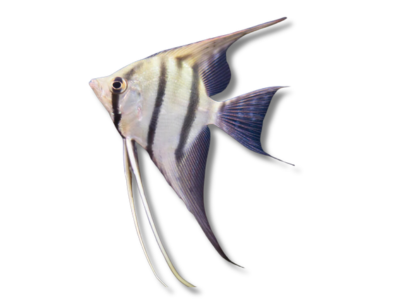
Key Highlights:
- Appearance:
Features a silver body covered with multiple bold black vertical stripes, creating a high-contrast and visually striking pattern that stands out in any aquarium.
- Stripe Pattern:
Has more stripes than standard angelfish, often 5–6 or even more, with each fish showing slightly different spacing and thickness of bands.
- Color Behavior:
The intensity of the stripes can change depending on mood, stress levels, or lighting conditions appearing darker when active or lighter when stressed.
- Visual Impact:
The strong black-and-silver contrast makes them highly noticeable, especially in well-lit or planted aquariums.
- Habitat Suitability:
Perfect for natural or Amazon-style aquascapes, where their striped pattern blends beautifully with plants and vertical elements.
- Uniqueness:
No two Zebra angelfish look exactly the same, as stripe patterns and spacing vary from fish to fish.
A bold and visually striking angelfish with extra stripes, combining natural beauty with a more dramatic and eye-catching appearance.
Marble Angelfish
Marble angelfish are known for their unpredictable and artistic patterns. Instead of defined stripes, they display a swirling mix of black, white, and sometimes gold or silver. No two Marble angelfish look the same, making each one feel unique.
Their irregular patterns often resemble ink splashes or clouds, giving a dynamic and creative touch to aquariums. This variety is especially popular among hobbyists who enjoy visually distinctive fish.
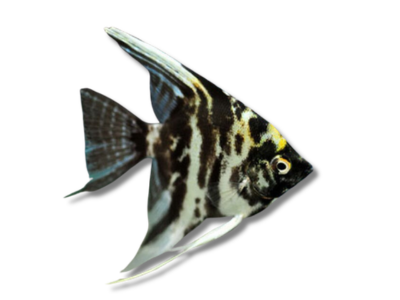
Key Highlights:
- Appearance:
Displays a swirling blend of black, white, and occasional gold or silver tones, creating a soft, marbled effect rather than sharp stripes.
- Pattern Variation:
No fixed design each fish has a completely unique pattern, often resembling ink splashes, clouds, or abstract art.
- Color Development:
Patterns can change or become more defined as the fish matures, adding to their dynamic and evolving beauty.
- Visual Impact:
Adds an artistic and eye-catching element to aquariums, especially in planted or well-decorated tanks.
- Nature & Behavior:
Generally peaceful and behaves similarly to standard angelfish, making it suitable for community aquariums.
- Care Level:
Beginner-friendly and adaptable, with care requirements similar to common angelfish varieties.
- Availability:
Widely available in the aquarium trade and usually affordable compared to rare types.
A unique and artistic angelfish with ever-changing marble patterns, perfect for adding a creative and elegant touch to any aquarium.
Koi Angelfish
Koi angelfish are inspired by the famous koi fish, and they carry a similar mix of vibrant colors. Their most recognizable feature is the bright orange or red head, often paired with white and black patches across the body.
The intensity of their coloration can depend on genetics, diet, and water quality. High-quality Koi angelfish display rich, clean colors that make them a centerpiece fish in any aquarium.
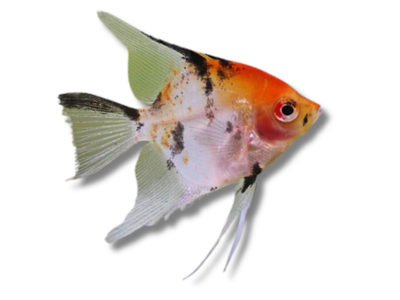
Key Points:
- Appearance:
Features a mix of orange, white, and black patches across the body, with a signature bright orange or red head that gives it a unique and attractive look.
- Color Quality:
High-quality specimens show clean, rich, and well-defined colors, while lower-quality ones may appear more faded or uneven.
- Color Development:
The intensity of colors can improve with proper diet, good water quality, and low-stress conditions.
- Visual Impact:
Highly eye-catching and often becomes the centerpiece fish due to its bold and vibrant coloration.
- Nature & Behavior:
Generally peaceful and suitable for community aquariums, similar to other angelfish varieties.
- Care Level:
Beginner-friendly and adaptable, but maintaining good water quality helps enhance their colors.
- Aquascape Suitability:
Ideal for colorful and vibrant aquascapes where their bright patterns can truly stand out.
A colorful and eye-catching angelfish with vibrant koi-like patterns, perfect for adding brightness and personality to any aquarium.
Gold Angelfish
Gold angelfish are appreciated for their simplicity and elegance. They feature a solid golden or yellow body with little to no dark markings, creating a clean and refined appearance.
Their smooth coloration reflects light beautifully, especially under proper aquarium lighting, making them appear almost glowing. This variety is perfect for aquarists who prefer a minimal and classy aesthetic.
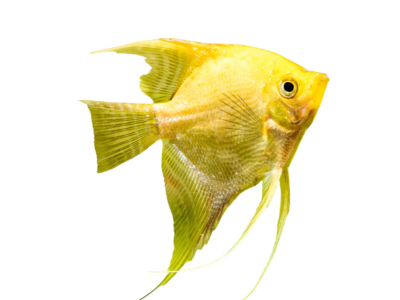
Key Points:
- Appearance:
Displays a solid golden or yellow body with minimal or no stripes, giving it a smooth and polished look.
- Color Effect:
The light-reflective scales create a soft glowing effect under proper aquarium lighting, enhancing their visual appeal.
- Visual Style:
Offers a clean and minimal aesthetic, making it ideal for modern or nature-inspired aquascapes.
- Nature & Behavior:
Peaceful and calm, similar to standard angelfish, making it suitable for community tanks.
- Care Level:
Beginner-friendly and easy to maintain, with standard angelfish care requirements.
- Aquascape Suitability:
Pairs beautifully with green plants, driftwood, and neutral décor, allowing its color to stand out.
- Availability:
Commonly available and usually affordable in the aquarium trade.
A simple, elegant, and glowing angelfish that adds a clean and classy touch to any aquarium.
Platinum Angelfish
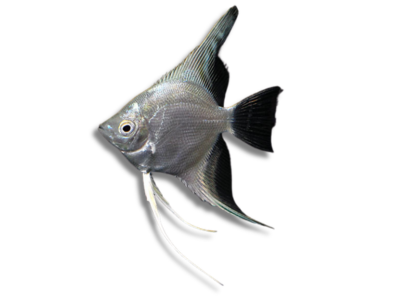
Platinum angelfish are known for their smooth, metallic silver-white body with no visible patterns. Their scales reflect light strongly, giving them a sleek, almost mirror-like finish.
This variety is often chosen for modern or minimalist aquariums, where simplicity and elegance are key. Their subtle beauty stands out best in well-lit tanks with dark backgrounds.
Key Points
- Appearance:
Features a solid silver-white body with no visible patterns, giving it a smooth, clean, and highly refined look.
- Color Effect:
Its scales are highly reflective, producing a metallic, mirror-like shine that becomes more prominent under proper lighting.
- Visual Style:
Offers a modern, minimal, and premium aesthetic, making it ideal for clean and designer-style aquariums.
- Nature & Behavior:
Peaceful and calm in nature, similar to other angelfish, and works well in community tank setups.
- Care Level:
Beginner-friendly and easy to care for, as it follows standard angelfish requirements with stable water conditions.
- Aquascape Suitability:
Best suited for well-lit tanks with dark backgrounds or simple décor, where its bright body can stand out clearly.
- Availability:
Commonly available and widely preferred by hobbyists who like a sleek and elegant aquarium look.
A sleek, metallic angelfish with a smooth silver-white body that shines under light, adding a modern and premium touch to any aquarium.
Unique & Designer Angelfish Types
Designer angelfish are selectively bred to emphasize rare traits—whether it’s flowing fins, split-color patterns, or unusual pigmentation. These varieties are often more refined in appearance and are highly valued by hobbyists who want their aquarium to stand out.
Black Lace Angelfish
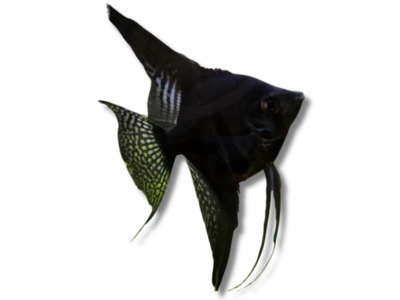
Black Lace angelfish are a refined version of black angelfish, enhanced with extended, delicate fins that resemble lace. Their deep dark body color combined with semi-transparent, patterned fins gives them a dramatic and luxurious appearance.
They move gracefully through the water, and their long fins flow like fabric, making them one of the most visually striking angelfish types. Under proper lighting, the subtle fin patterns become even more noticeable.
Key Point:
- Appearance:
Features a deep black body paired with long, lace-like fins that have subtle patterns, creating a rich and sophisticated look.
- Fin Structure:
Long and flowing fins move gracefully in water, adding softness and a fabric-like elegance to their appearance.
- Visual Impact:
Creates a strong contrast in planted or light-colored aquariums, making it a standout centerpiece fish.
- Lighting Effect:
Under proper lighting, the delicate patterns in the fins become more visible, enhancing their beauty.
- Nature & Behavior:
Generally peaceful, but prefers calm tank environments where its delicate fins are not disturbed.
- Care Level:
Moderate care level; requires clean water and gentle tank mates to avoid fin damage.
- Aquascape Suitability:
Best suited for well-planted or minimal tanks with soft flow, where its fins can flow freely without stress.
- Availability:
Popular among hobbyists and aquascapers who prefer elegant and premium-looking fish.
A dark and elegant angelfish with a deep black body and flowing lace-like fins, creating a soft, graceful movement in the water. Its delicate fin patterns and rich color give it a dramatic and luxurious presence, making it a standout addition to any aquarium.
Half-Black Angelfish
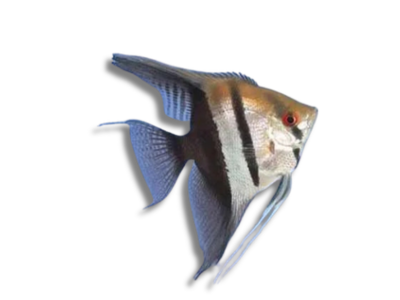
Half-Black angelfish are instantly recognizable due to their striking two-tone coloration. The front half of the body is usually silver or light-colored, while the back half is deep black, creating a sharp visual division.
The clarity of this split pattern depends heavily on genetics, tank conditions, and stress levels. In ideal conditions, the contrast appears bold and clean, making this variety a true centerpiece fish.
Key Points:
- Appearance:
Features a distinct two-tone body where the front half is light silver or pale in color, while the rear half is deep black, creating a bold and clearly visible contrast.
- Pattern Quality:
In high-quality specimens, the division between the two colors appears sharp and well-defined, while in others it may look slightly faded or blended.
- Color Stability:
The clarity of the black and light split can change depending on stress, water quality, and overall health, with poor conditions causing the pattern to fade.
- Visual Impact:
Its strong contrast makes it an excellent centerpiece fish, easily drawing attention in both simple and planted aquariums.
- Nature & Behavior:
Generally peaceful and compatible with community tanks, though it may show mild territorial behavior during breeding.
- Care Level:
Beginner-friendly but benefits from stable and clean water conditions to maintain its color intensity and overall health.
- Aquascape Suitability:
Best suited for clean, well-lit, or planted aquariums where its two-tone coloration can stand out clearly.
- Availability:
Less commonly found than standard angelfish varieties, making it a slightly more unique and desirable choice for hobbyists.
A unique two-tone angelfish featuring a sharp contrast between its light front half and deep black rear, creating a bold and eye-catching look that adds strong visual interest to any aquarium.
Ghost Angelfish
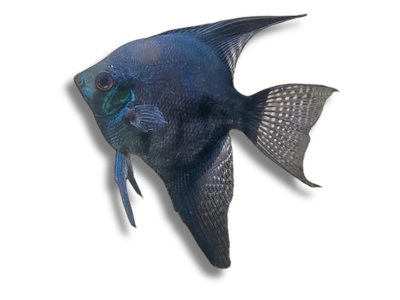
Ghost angelfish are subtle and understated, known for their semi-transparent, shimmering bodies. Unlike most angelfish, they have little to no visible striping, giving them a soft, almost “invisible” appearance in the water.
Their beauty becomes more noticeable under gentle lighting, where their scales reflect a faint glow. This variety is perfect for aquarists who prefer a calm, minimal, and natural aesthetic.
Key Highlights:
- Appearance:
Features a semi-transparent body with a soft, glass-like appearance and little to no visible striping, giving it a very smooth and subtle look.
- Color Effect:
Its scales produce a gentle shimmer that reflects light softly, creating a faint glowing effect that enhances its delicate beauty.
- Visual Style:
Offers a calm, minimal, and natural aesthetic, making it ideal for aquariums designed with a peaceful and clean theme.
- Lighting Impact:
Its appearance can shift under different lighting—looking more transparent in dim light and slightly more defined under brighter conditions.
- Nature & Behavior:
Peaceful and slow-moving, making it well-suited for community tanks with non-aggressive fish.
- Care Level:
Beginner-friendly and easy to care for, with standard angelfish requirements and stable water conditions.
- Aquascape Suitability:
Blends seamlessly with planted tanks and natural layouts, especially those with soft lighting and subtle décor.
- Availability:
Commonly available and favored by aquarists who prefer elegant, understated fish.
A delicate, semi-transparent angelfish with a soft shimmering body that gently reflects light, creating a calm, elegant, and natural look in any aquarium.
Blushing Angelfish
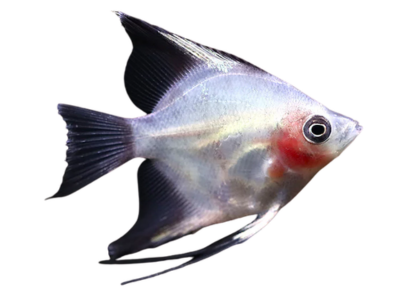
Blushing angelfish are named for their unique “blush,” which appears as a reddish or pinkish area near the gills. This effect occurs because the fish lacks certain dark pigments, making the gill plate slightly transparent and revealing the red underneath.
This subtle but fascinating feature gives them a distinctive facial appearance. Blushing angelfish are often used in breeding programs to create new designer varieties, especially when combined with other color traits.
Key Points:
- Appearance:
Features a light, soft-colored body with a noticeable reddish or pinkish “blush” near the gill area, giving it a gentle and unique facial look.
- Pigmentation:
Reduced dark pigmentation makes the gill plate slightly transparent, allowing the natural red color underneath to be visible.
- Unique Feature:
The visible blush near the gills is uncommon in most angelfish, making this variety easily recognizable.
- Visual Impact:
Offers a subtle and elegant beauty, perfect for aquariums that focus on soft and refined aesthetics.
- Breeding Importance:
Often used in breeding projects to create new hybrid and designer angelfish varieties.
- Nature & Behavior:
Peaceful and calm, making it suitable for community tanks with compatible fish.
- Care Level:
Beginner-friendly and easy to maintain with standard angelfish care.
- Aquascape Suitability:
Best suited for planted or softly lit tanks where its delicate features can stand out.
- Availability:
Moderately available and preferred by hobbyists looking for something unique yet subtle.
A soft and unique angelfish featuring a natural reddish blush near its gills, caused by slight transparency in the skin. This subtle detail gives it a delicate and elegant appearance, making it a beautiful addition that brings a refined and graceful touch to any aquarium.
Rare & Exotic Angelfish Varieties
Rare angelfish varieties are prized for their unusual coloration, limited availability, and collector appeal. These fish are not commonly found in every aquarium store and often require careful breeding and selection to maintain their distinctive traits. For hobbyists who want something truly unique, these varieties add exclusivity and character to any tank.
Red Devil Angelfish
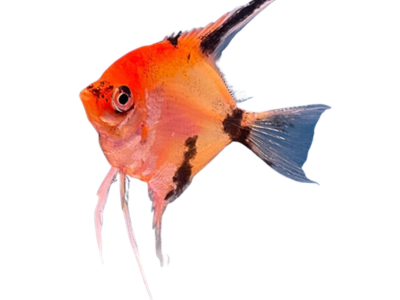
Red Devil angelfish are among the most eye-catching varieties due to their intense red or orange coloration. Their bold color instantly draws attention, making them a centerpiece in any aquarium.
This variety’s color intensity is influenced by genetics, diet (especially carotenoid-rich foods), and tank conditions. High-quality specimens display a deep, uniform red with minimal fading.
Key Highlights:
- Appearance:
Displays a bright red to deep orange body with rich, uniform coloration that stands out strongly in any tank.
- Color Quality:
High-quality specimens show deep, even color with minimal fading or patchiness.
- Color Development:
Color intensity improves with proper diet, especially carotenoid-rich foods, along with good lighting and water conditions.
- Visual Impact:
Acts as a strong focal fish due to its bold and vibrant appearance.
- Nature & Behavior:
Generally peaceful like other angelfish, suitable for community tanks with compatible species.
- Care Level:
Moderate care required; stable water conditions are important to maintain color vibrancy.
- Aquascape Suitability:
Best suited for planted or well-lit aquariums where its bright color can stand out clearly.
- Availability:
Considered rare and often more expensive than common angelfish varieties.
A bold and vibrant angelfish with intense red coloration, perfect for adding a striking and premium centerpiece to any aquarium.
Sunset Angelfish
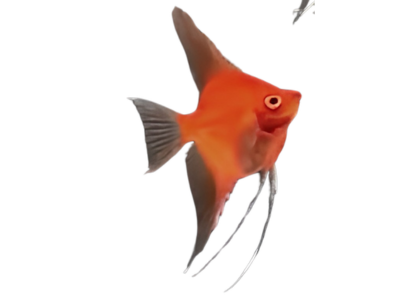
Sunset angelfish are loved for their warm and soothing color palette that resembles a glowing sunset. They typically display a gradient of orange, yellow, and gold, often with lighter tones toward the body and richer hues near the head or fins.
Their soft coloration creates a calming visual effect, making them perfect for display tanks designed with harmony and balance in mind.
Key Points:
- Appearance:
Shows a smooth gradient of orange, yellow, and golden tones, often lighter across the body with deeper shades near the head or fins.
- Color Effect:
The warm color transition creates a glowing, sunset-like look that feels soft and visually pleasing.
- Visual Style:
Offers a calm, balanced, and decorative aesthetic, perfect for peaceful and well-designed aquariums.
- Visual Impact:
Adds warmth and harmony rather than bold contrast, making the tank feel more natural and relaxing.
- Nature & Behavior:
Peaceful and gentle, suitable for community tanks with calm fish.
- Care Level:
Beginner-friendly and easy to maintain with standard angelfish care.
- Aquascape Suitability:
Ideal for planted and nature-style aquascapes where its warm tones enhance the overall look.
- Availability:
Commonly available and popular in decorative and display aquariums.
A warm and soothing angelfish with sunset-like colors, perfect for creating a calm and visually balanced aquarium.
Bulgarian Seal Point Angelfish
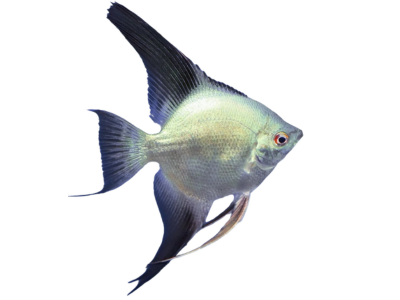
Bulgarian Seal Point angelfish are a rare genetic strain known for their striking contrast. They feature darker shading on the fins and edges, while the body remains lighter, creating a “sealed” or shaded effect.
This variety is not widely available and is often sought after by collectors who appreciate subtle but distinctive patterns. Their rarity adds to their premium value.
Key Points:
- Appearance:
Features a light-colored body with noticeably darker fins and edges, creating a soft but clear contrast.
- Seal Point Effect:
The darker shading on the fins and outer areas gives a “sealed” or gradient-like appearance, which is their defining trait.
- Pattern Quality:
High-quality specimens show smooth and well-blended shading, enhancing their overall elegance.
- Visual Impact:
Offers a subtle yet premium look, standing out through contrast rather than bold colors.
- Nature & Behavior:
Peaceful and similar in behavior to other angelfish, making them suitable for community tanks.
- Care Level:
Beginner to moderate care, with stable water conditions helping maintain their appearance.
- Aquascape Suitability:
Best suited for clean, planted, or minimal setups where their contrast can be clearly appreciated.
- Availability:
Rare in the aquarium trade and often sought after by collectors, making them more premium in value.
A rare and elegant angelfish with darker fins and a light body, creating a unique seal-point contrast that adds a refined and premium touch to any aquarium.
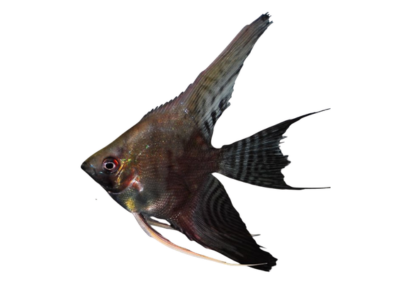
Chocolate Angelfish
Chocolate angelfish stand out with their deep brown, earthy tones. Unlike brighter varieties, they offer a more natural and understated beauty, which blends beautifully with driftwood, plants, and natural aquascapes.
Their coloration can range from light cocoa to deep chocolate shades, sometimes with subtle patterning. This makes them perfect for aquarists who prefer a calm, nature-inspired look.
Key Points:
- Appearance:
Shows a range of brown shades from light cocoa to deep chocolate, sometimes with very soft and subtle patterning that adds depth.
- Color Tone:
Its rich, earthy coloration gives a warm and natural feel, making it less flashy but more refined.
- Visual Style:
Offers a calm, elegant, and nature-inspired look, ideal for aquariums focused on simplicity and balance.
- Visual Impact:
Blends beautifully with plants, driftwood, and natural décor, enhancing the overall tank environment rather than dominating it.
- Nature & Behavior:
Peaceful and gentle, making it suitable for community aquariums with compatible fish.
- Care Level:
Beginner-friendly and easy to maintain with standard angelfish care and stable water conditions.
- Aquascape Suitability:
Perfect for biotope or nature-style tanks where earthy tones and natural elements are highlighted.
- Availability:
Slightly less common than typical varieties, making it a unique yet subtle choice for hobbyists.
A soft and earthy angelfish with rich chocolate tones, adding a natural, calm, and elegant touch to any aquarium.
Regional & Specialty Angelfish Variants
These angelfish are identified by their geographic origin or distinct breeding lines. Unlike standard varieties, they often carry subtle traits shaped by their natural habitat—such as unique coloration, fin structure, or behavior. For aquarists, these variants bring a touch of authenticity and biodiversity into the aquarium.
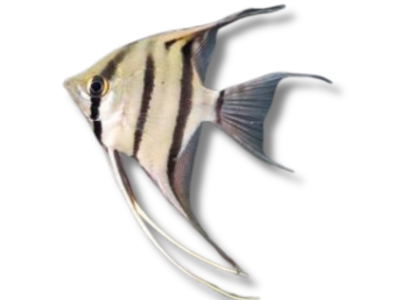
Rio Nanay Angelfish
Rio Nanay angelfish originate from the Nanay River in Peru, a region known for its soft, acidic blackwater conditions. These fish are admired for their understated beauty rather than bold colors.
They display soft blue and silver tones with a gentle shimmer that becomes more visible under proper lighting. Their calm demeanor and natural look make them a favorite among aquascapers aiming for a realistic Amazon-style setup.
Key Highlights:
-
Soft blue and silver coloration with subtle shimmer
-
Native to blackwater habitats in Peru
-
Calm, peaceful, and graceful swimmers
-
Ideal for planted and nature-style aquariums
-
Beauty enhances under soft lighting and dark substrates
Manacapuru Angelfish
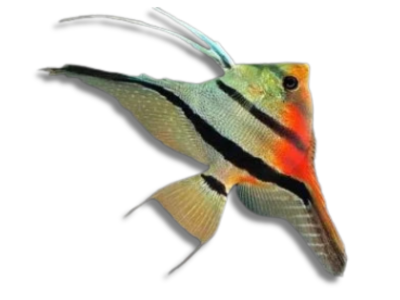
The Manacapuru angelfish, often called Red Shoulder angelfish, comes from the Amazon region near Manacapuru in Brazil. It is known for its distinctive reddish or orange coloration near the dorsal (shoulder) area.
Combined with long, flowing fins and a tall body, this feature gives the fish a very elegant and premium look. They are often chosen as centerpiece fish due to their graceful swimming style and striking yet natural coloration.
Key Points:
- Appearance:
Shows a soft blend of blue and silver tones across the body, with a smooth and natural look that lacks harsh patterns, giving it a very refined appearance.
- Color Effect:
Produces a gentle shimmer that reflects light subtly, becoming more noticeable under soft or dim lighting conditions.
- Natural Origin:
Comes from the Nanay River in Peru, where water is soft, acidic, and rich in tannins, influencing its muted and natural coloration.
- Visual Style:
Offers a realistic and nature-inspired aesthetic, making it ideal for aquariums designed to replicate Amazon habitats.
- Visual Impact:
Rather than being bold, it adds depth and calmness to the tank, enhancing the overall environment with its subtle beauty.
- Nature & Behavior:
Peaceful, calm, and graceful swimmers that fit well in community tanks with other non-aggressive fish.
- Care Level:
Moderate care required; thrives best in stable, soft, and slightly acidic water with minimal fluctuations.
- Aquascape Suitability:
Perfect for blackwater or planted setups with driftwood, leaf litter, and dark substrates that highlight its natural tones.
- Availability:
Less commonly available and often preferred by aquascapers and hobbyists who appreciate natural and authentic-looking fish.
A naturally elegant angelfish with soft blue-silver tones and gentle shimmer, ideal for creating a peaceful and realistic aquarium environment.
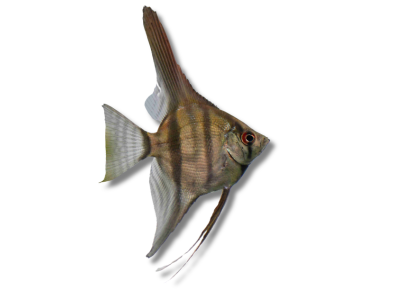
Peru Altum Angelfish
Peru Altum angelfish are often considered a “bridge” between true Altum and standard Scalare angelfish. While they resemble Altums with their tall bodies and elongated fins, they are typically easier to care for.
They adapt better to aquarium conditions compared to true Altum angelfish, making them a popular choice for hobbyists who want the Altum look without the high level of difficulty.
Key Points:
- Appearance:
Features a tall body with elongated, flowing fins similar to Altum angelfish, giving it a graceful and refined look.
- Body Structure:
Slightly less extreme in height than true Altums but still noticeably taller than standard angelfish.
- Adaptability:
More adaptable to aquarium conditions compared to true Altums, tolerating minor fluctuations better.
- Visual Style:
Offers an elegant and premium appearance, combining the beauty of Altums with a more practical setup.
- Nature & Behavior:
Calm and peaceful, suitable for community tanks with compatible fish.
- Care Level:
Intermediate level; requires good water quality and stability but is less sensitive than true Altum angelfish.
- Aquascape Suitability:
Best suited for tall aquariums with plants, driftwood, and vertical space to match its body shape.
- Availability:
More accessible than true Altums but still considered special among angelfish varieties.
An elegant and tall angelfish with an Altum-like appearance, offering beauty with easier care, making it ideal for intermediate aquarists.
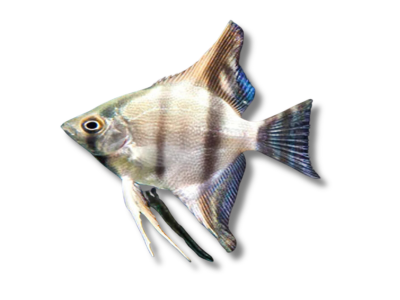
Xingu Angelfish
Xingu angelfish come from the Xingu River in Brazil, a region known for its diverse aquatic life. These angelfish are recognized for their strong, well-defined markings and slightly more robust nature.
Compared to some delicate wild varieties, Xingu angelfish tend to be more adaptable, making them a good entry point for aquarists interested in wild-type angelfish.
Key Highlights:
- Appearance:
Displays strong vertical stripes and well-defined natural markings, giving it a bold and authentic wild look.
- Pattern Quality:
The stripes are usually darker and more pronounced, creating a clear and eye-catching contrast on the body.
- Natural Origin:
Native to the Xingu River in Brazil, where water conditions vary, contributing to their adaptability.
- Visual Style:
Offers a raw, natural aesthetic, perfect for aquariums aiming to replicate wild Amazon environments.
- Visual Impact:
Stands out through its bold markings while still maintaining a natural and realistic appearance.
- Nature & Behavior:
Peaceful but slightly more active and robust compared to delicate wild angelfish.
- Care Level:
Moderate care; generally more adaptable and slightly hardier than many wild-type angelfish.
- Aquascape Suitability:
Ideal for planted or biotope setups with driftwood and natural décor to match its origin.
- Availability:
Less common than standard angelfish but accessible to hobbyists interested in wild varieties.
A bold and naturally marked angelfish with strong stripes, offering a hardy and authentic choice for wild-style aquariums.
Modern Hybrid Angelfish Varieties
Modern hybrid angelfish are the result of advanced selective breeding, where multiple traits color, pattern, and metallic shine are combined to create truly unique fish. These varieties are especially popular in contemporary aquascaping because they offer a mix of classic angelfish beauty with bold, modern aesthetics.
Blue Zebra Angelfish
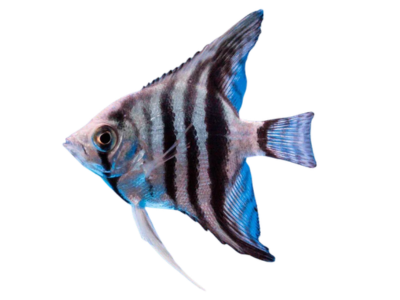
Blue Zebra angelfish are a modern enhancement of the classic Zebra pattern, enriched with a shimmering blue overlay. The traditional vertical stripes remain visible, but the addition of iridescent blue gives them a fresh and eye-catching appearance.
Under aquarium lighting especially LED setups the blue highlights can appear more vibrant, creating a glowing effect as the fish moves. This makes them a popular choice for stylish, modern aquariums.
Key Points:
- Appearance:
Features classic zebra-style vertical stripes combined with a shimmering blue overlay that adds depth and brightness.
- Color Effect:
The blue iridescence reflects light and can appear more vibrant under strong or LED lighting, creating a glowing effect.
- Pattern Style:
Maintains the natural striped pattern while enhancing it with modern coloration, offering a perfect balance of classic and trendy.
- Visual Impact:
Highly eye-catching, especially as the fish moves and the blue tones shift with the viewing angle.
- Lighting Impact:
Color intensity and shine become more pronounced under proper lighting, making it ideal for well-lit aquariums.
- Nature & Behavior:
Peaceful and similar to other angelfish, suitable for community tanks.
- Care Level:
Beginner-friendly and easy to maintain with standard angelfish care.
- Aquascape Suitability:
Perfect for modern and stylish aquascapes where lighting enhances its reflective colors.
- Availability:
Popular among hobbyists looking for a unique yet familiar angelfish variety.
A vibrant angelfish with classic stripes and a shimmering blue glow, adding a modern and eye-catching touch to any aquarium.
Platinum Marble Angelfish
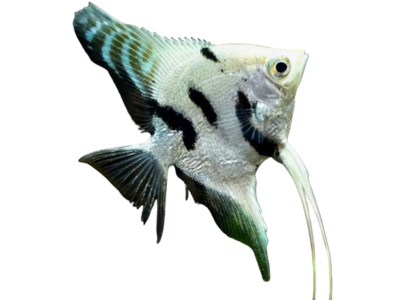
Platinum Marble angelfish are a premium hybrid that blends the smooth metallic shine of Platinum angelfish with the unpredictable patterns of Marble varieties. The result is a fish that looks both polished and artistic at the same time.
Their reflective scales catch and scatter light, while the marbled patches add depth and uniqueness. No two fish are exactly alike, which increases their appeal among collectors and hobbyists.
Key Highlights:
- Appearance:
Displays a metallic silver-white base with irregular marbled patches, creating a blend of smooth shine and artistic pattern.
- Pattern Style:
No fixed design each fish has a unique mix of patches and markings, making every individual one-of-a-kind.
- Color Effect:
Reflective scales catch and scatter light, producing a soft shimmering effect across the body.
- Visual Impact:
Combines elegance and creativity, making it a standout centerpiece in any aquarium.
- Lighting Impact:
Looks best under good lighting, where both the metallic shine and marble patterns become more pronounced.
- Nature & Behavior:
Peaceful and similar to standard angelfish, suitable for community aquariums.
- Care Level:
Beginner-friendly with standard angelfish care requirements and stable water conditions.
- Aquascape Suitability:
Ideal for display tanks, modern aquascapes, or setups where lighting enhances its reflective beauty.
- Availability:
Considered a high-end designer variety and often preferred by collectors and hobbyists.
A premium angelfish with metallic shine and artistic marble patterns, offering a unique and elegant look for display aquariums.
Golden Marble Angelfish
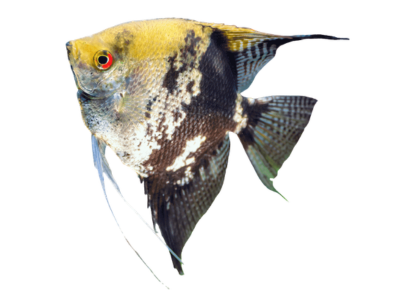
Golden Marble angelfish are a vibrant hybrid that combines rich golden tones with darker marbled patches. This strong contrast creates a bold and lively appearance that immediately stands out in an aquarium.
Their coloration can vary from soft gold to intense yellow, depending on genetics and care. The mix of bright and dark tones adds depth and makes them a perfect centerpiece fish.
Key Highlights:
- Appearance:
Features a rich blend of golden to bright yellow tones combined with irregular dark marbled patches, creating a bold and layered look.
- Pattern Style:
Each fish has a unique mix of colors and markings, with no fixed pattern, giving every individual a distinct appearance.
- Color Variation:
The intensity of gold can range from soft, warm hues to bright yellow, influenced by genetics, diet, and tank conditions.
- Color Effect:
The contrast between the bright golden base and darker marbling adds depth and dimension, making the fish visually dynamic.
- Visual Impact:
Highly eye-catching and vibrant, often becoming a centerpiece fish in both simple and heavily planted aquariums.
- Nature & Behavior:
Peaceful and adaptable, making it suitable for community tanks with compatible species.
- Care Level:
Beginner-friendly and easy to maintain, with stable water conditions helping preserve its color quality.
- Aquascape Suitability:
Perfect for colorful, planted, or decorative setups where its warm tones enhance the overall look.
- Availability:
Widely available and popular among hobbyists who prefer bold, bright, and visually rich angelfish.
A bright and dynamic angelfish with golden hues and dark marbling, creating a rich, vibrant, and eye-catching presence in any aquarium.
Pinoy Angelfish
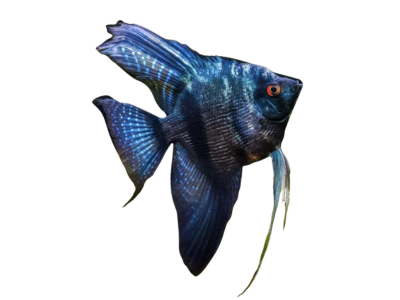
Pinoy angelfish are known for their deep, rich coloration that ranges from dark blue to almost black. This variety was developed by enhancing pigmentation genes, resulting in a bold and intense look.
Their dark body color provides a dramatic contrast against plants, decorations, and lighter tank backgrounds. Pinoy angelfish are also widely used in breeding programs to develop new hybrid varieties due to their strong genetic traits.
Key Highlights:
Key Points
- Appearance:
Shows a deep blue to almost black body with smooth, even coloration, giving it a bold and powerful presence in the aquarium.
- Color Quality:
Strong pigmentation creates a rich, velvety texture, making the color appear dense and luxurious rather than flat.
- Color Effect:
Under proper lighting, subtle blue undertones become visible, adding depth and dimension to its dark appearance.
- Visual Impact:
Creates a striking contrast against green plants, light substrates, and bright décor, making it an excellent centerpiece fish.
- Nature & Behavior:
Generally peaceful and calm, suitable for community tanks, though it may show mild territorial behavior during breeding.
- Care Level:
Beginner to moderate care level, requiring stable and clean water conditions to maintain its intense coloration.
- Aquascape Suitability:
Perfect for planted or high-contrast aquariums where its dark body enhances the overall visual depth.
- Breeding Importance:
Frequently used in advanced breeding projects due to its strong pigmentation genes, helping create new hybrid varieties.
- Availability:
Widely available and highly popular among aquascapers and hobbyists who prefer bold and dramatic fish.
A deep-toned angelfish with rich blue-black coloration and a velvety finish, adding strong contrast and a bold, premium presence to any aquarium.
Veil Angelfish
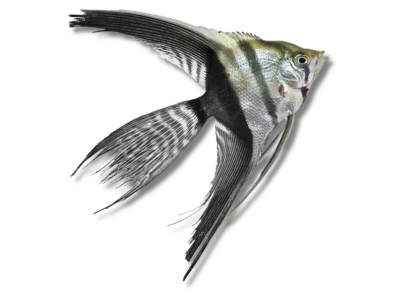
Veil angelfish are a highly popular ornamental variety known for their extra-long, flowing fins that create a graceful and elegant appearance. Their extended fins move smoothly in the water, giving them a soft, fabric-like motion that enhances the beauty of any aquarium.
Key Points
- Appearance:
Features noticeably longer fins than standard angelfish, giving it a more dramatic and elegant look.
- Fin Structure:
Long, flowing fins extend beyond the body and move gently in the water, creating a graceful visual effect.
- Visual Impact:
Adds a sense of movement and elegance, often becoming a centerpiece in display aquariums.
- Variety Range:
Can be found in multiple colors and patterns, combining veil fins with other angelfish types.
- Nature & Behavior:
Peaceful in nature but should be kept with non-aggressive tank mates to protect its delicate fins.
- Care Level:
Beginner to moderate care; requires clean water and gentle flow to maintain fin health.
- Aquascape Suitability:
Best suited for calm, well-designed tanks where fins can flow freely without damage.
- Availability:
Very popular and widely available in the aquarium trade.
An elegant angelfish with long, flowing fins that adds graceful movement and a luxurious touch to any aquarium.
Pearlscale Angelfish
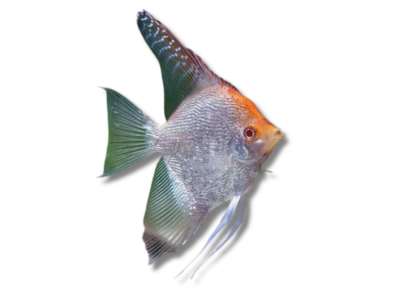
Pearlscale angelfish are known for their unique textured scales that create a “pearl-like” effect across the body. Unlike smooth-scaled varieties, their slightly raised, bumpy scales reflect light in multiple directions, giving them a sparkling and eye-catching appearance.
Key Points
- Appearance:
Features distinctive raised scales that create a bumpy, pearl-like texture across the body.
- Scale Texture:
The uneven surface of the scales gives a unique 3D effect, making the fish look different from standard angelfish.
- Color Effect:
Reflects light strongly, producing a shiny and shimmering appearance, especially under good lighting.
- Visual Impact:
Stands out due to its unusual texture rather than bold colors, adding uniqueness to the aquarium.
- Nature & Behavior:
Peaceful and similar to other angelfish, suitable for community tanks.
- Care Level:
Beginner-friendly, but benefits from clean water to maintain healthy scale condition.
- Aquascape Suitability:
Looks best in well-lit aquariums where its textured scales can shine and reflect light.
- Availability:
Moderately available and popular among hobbyists who prefer unique-looking fish.
A unique angelfish with pearl-like textured scales and a shimmering finish, adding a distinctive and eye-catching look to any aquarium.
Silver Angelfish
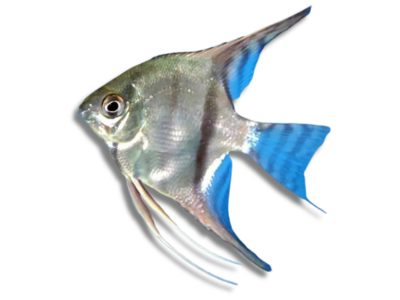
Silver angelfish are the classic wild-type variety and the foundation of almost all angelfish strains seen today. Their natural striped pattern and balanced body shape represent the original form of angelfish found in the wild, making them an essential inclusion in any angelfish guide or aquarium.
Key Points
- Appearance:
Displays a silver body with bold vertical black stripes, typically 3–4 main bands, giving it a natural and recognizable look.
- Pattern Significance:
The striped pattern helps with camouflage in natural habitats, blending with plants and vertical structures.
- Genetic Importance:
Serves as the base variety for most modern hybrids and fancy angelfish types.
- Visual Style:
Offers a classic, natural, and timeless appearance that suits all types of aquariums.
- Nature & Behavior:
Peaceful and adaptable, making it ideal for community tanks and beginners.
- Care Level:
Very beginner-friendly and hardy, tolerating a range of water conditions.
- Aquascape Suitability:
Perfect for planted, Amazon-style, or natural aquariums where its stripes blend beautifully.
- Availability:
Widely available and usually very affordable.
A classic and essential angelfish with natural silver stripes, forming the foundation of all modern varieties and adding timeless beauty to any aquarium.
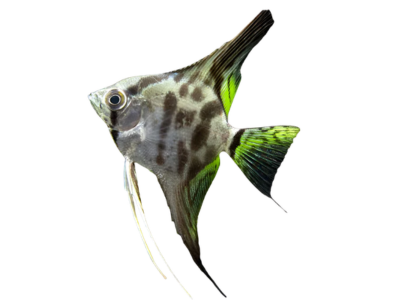
Clown Angelfish
Clown angelfish are known for their playful and irregular pattern of black patches scattered across a silver body. While they are similar to marble angelfish, their markings tend to be more spotted and uneven, giving them a distinctive and lively appearance.
Key Points
- Appearance:
Displays a silver base with irregular black patches and spots spread across the body, creating a unique and eye-catching look.
- Pattern Style:
More spotted and scattered compared to marble angelfish, with no fixed pattern, making each fish visually different.
- Color Contrast:
The black patches stand out strongly against the silver body, creating a bold and dynamic contrast.
- Visual Impact:
Adds a playful and artistic feel to the aquarium, especially in well-lit or planted setups.
- Nature & Behavior:
Peaceful and suitable for community tanks, similar to other angelfish varieties.
- Care Level:
Beginner-friendly and easy to maintain with standard angelfish care.
- Aquascape Suitability:
Works well in both natural and decorative aquariums where its pattern can stand out.
- Availability:
Commonly available and popular among hobbyists who enjoy patterned fish.
A playful angelfish with scattered black patches on a silver body, offering a bold and unique spotted look in any aquarium.
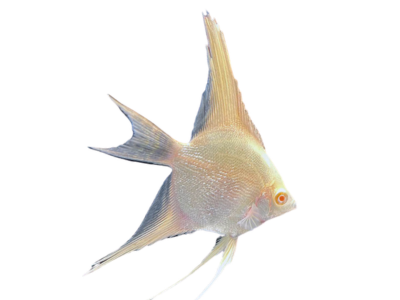
Albino Angelfish
Albino angelfish are a distinct genetic variation known for their pale, almost pure white body and striking red or pink eyes. This unique look is caused by the absence of dark pigmentation, giving them a soft and glowing appearance in the aquarium.
Key Points
- Appearance:
Displays a white to pale cream body with little to no dark markings, creating a clean and delicate look.
- Eye Color:
Characterized by bright red or pink eyes, a defining feature of albino genetics.
- Genetic Trait:
Lacks melanin (dark pigment), which results in both the pale body color and red eyes.
- Color Effect:
Reflects light softly, often appearing slightly glowing under proper aquarium lighting.
- Visual Impact:
Stands out in darker or planted tanks due to its light coloration and unique eye color.
- Nature & Behavior:
Peaceful and similar to other angelfish, suitable for community aquariums.
- Care Level:
Beginner-friendly, but may be slightly more sensitive to bright lighting due to lack of pigmentation.
- Aquascape Suitability:
Best suited for tanks with plants or darker backgrounds to enhance its visibility.
- Availability:
Commonly available and popular among hobbyists who prefer unique genetic variations.
A unique angelfish with a pale white body and striking red eyes, offering a soft, distinctive, and eye-catching presence in any aquarium.
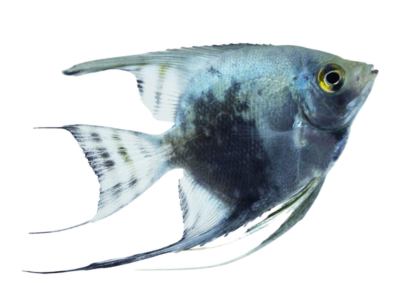
Paraiba Angelfish
Paraiba angelfish are a rare and premium variety known for their soft blue-toned coloration and subtle shimmer. Unlike common angelfish, their color appears more refined and unique, making them highly desirable among collectors and aquarists looking for something exclusive.
Key Points
- Appearance:
Displays a soft blue to bluish-silver body with a smooth and clean look, often without heavy patterns.
- Color Tone:
The blue coloration is subtle yet elegant, giving a cool and calming visual effect.
- Color Effect:
Under proper lighting, the blue tones can appear more vibrant and slightly iridescent.
- Visual Impact:
Offers a premium and refined appearance, standing out through uniqueness rather than bold contrast.
- Rarity:
Considered a rare variety and not commonly found in regular aquarium stores.
- Nature & Behavior:
Peaceful and similar to other angelfish, suitable for community aquariums.
- Care Level:
Moderate care recommended, with stable water conditions to maintain its color quality.
- Aquascape Suitability:
Ideal for well-lit, planted, or modern aquascapes where its blue tones can be highlighted.
- Availability:
Less common and often more expensive, preferred by collectors and advanced hobbyists.
A rare and elegant angelfish with soft blue tones, adding a premium and calming presence to any aquarium.
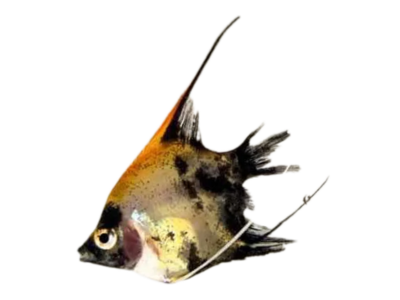
German Red Angelfish
German Red angelfish are known for their strong red to orange pigmentation combined with visible patterns, setting them apart from solid-colored varieties like Red Devil angelfish. Their mix of vibrant color and pattern creates a rich and dynamic appearance that stands out in aquariums.
Key Points
- Appearance:
Displays bright red to orange coloration with visible patterns or markings across the body, rather than a fully solid color.
- Color Quality:
High-quality specimens show rich, well-distributed pigmentation with clear and vibrant tones.
- Pattern Style:
Unlike Red Devil angelfish, they retain patterns such as patches or subtle striping, adding depth to their look.
- Color Effect:
The combination of warm colors and patterns creates a lively and visually engaging appearance.
- Visual Impact:
Acts as a strong focal fish due to its bold coloration and detailed patterning.
- Nature & Behavior:
Peaceful and suitable for community tanks, similar to other angelfish varieties.
- Care Level:
Beginner to moderate care; proper diet and stable conditions help maintain color intensity.
- Aquascape Suitability:
Ideal for colorful and planted aquariums where its warm tones can stand out.
- Availability:
Moderately available and popular among hobbyists who prefer patterned red varieties.
A vibrant angelfish with rich red-orange coloration and visible patterns, offering a bold yet detailed look for any aquarium.
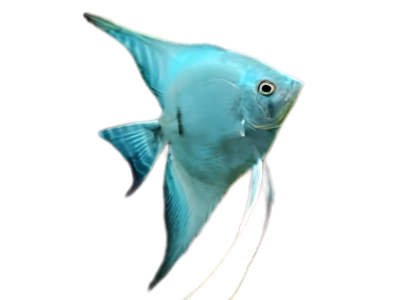
Blue Blushing Angelfish
Blue Blushing angelfish are a modern hybrid that combines soft blue coloration with the unique “blushing” trait. This results in a fish that has a gentle blue shimmer along with a subtle reddish glow near the gill area, creating a refined and eye-catching appearance.
Key Points
- Appearance:
Displays a soft blue or bluish-silver body paired with a noticeable reddish or pinkish blush near the gills.
- Color Combination:
The blend of cool blue tones and warm blush creates a balanced and visually appealing contrast.
- Blushing Trait:
Reduced pigmentation makes the gill plate slightly transparent, allowing the natural red color underneath to be visible.
- Color Effect:
Under proper lighting, the blue shimmer becomes more vibrant while the blush remains soft and natural.
- Visual Impact:
Offers a unique mix of subtle elegance and distinct detailing, making it stand out without being overly bold.
- Nature & Behavior:
Peaceful and suitable for community aquariums with compatible fish.
- Care Level:
Beginner to moderate care, with stable water conditions helping maintain its color clarity.
- Aquascape Suitability:
Ideal for planted or softly lit tanks where both blue tones and blush detail can be highlighted.
- Availability:
A modern hybrid variety that is gaining popularity among hobbyists.
A unique hybrid angelfish with soft blue tones and a gentle blush near the gills, offering a refined and modern look in any aquarium.
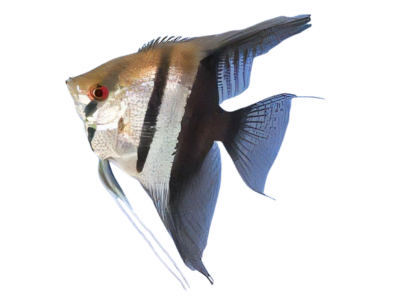
Half-Black Lace Angelfish
Half-Black Lace angelfish are a refined hybrid that combines the bold two-tone pattern of Half-Black angelfish with the delicate, flowing fins of Lace varieties. This blend creates a fish that looks both dramatic and elegant, making it a popular choice among hobbyists who prefer designer angelfish.
Key Points
- Appearance:
Shows a distinct two-tone body with a light front half and a deep black rear, enhanced by long, lace-like fins.
- Fin Structure:
Features extended, flowing fins with subtle patterns, adding softness and elegance to the bold body coloration.
- Pattern Combination:
The sharp half-black division paired with delicate lace fin detailing creates a unique and refined look.
- Visual Impact:
Offers both contrast and movement, making it a standout centerpiece in aquariums.
- Nature & Behavior:
Peaceful in nature, but best kept with calm tank mates to protect its delicate fins.
- Care Level:
Moderate care; requires clean water and stable conditions to maintain fin quality and color clarity.
- Aquascape Suitability:
Ideal for well-planted or minimal tanks with gentle flow, allowing fins to move freely.
- Availability:
Considered a designer hybrid and moderately available, often preferred by advanced hobbyists.
A designer angelfish combining bold half-black contrast with elegant lace fins, offering a refined and eye-catching presence in any aquarium.
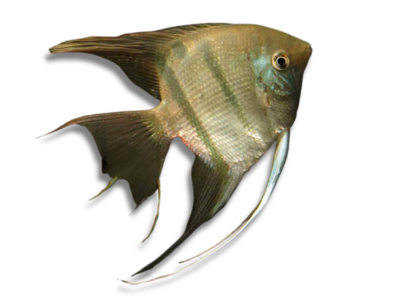
Dumeril’s Angelfish
Dumeril’s angelfish is a less commonly discussed variety that still holds a unique place among angelfish types. It features a more natural and understated look, often with subtle striping and a slightly different body structure compared to popular varieties, making it interesting for hobbyists who explore beyond common strains.
Key Points
- Appearance:
Displays a natural body pattern with soft striping and muted tones, giving it a wild and authentic look.
- Body Structure:
Slightly different proportions compared to common angelfish, with a more streamlined and less exaggerated shape.
- Pattern Style:
Subtle markings rather than bold contrasts, offering a calm and realistic appearance.
- Visual Impact:
Adds diversity and uniqueness to aquariums, especially for those interested in uncommon varieties.
- Nature & Behavior:
Generally peaceful, similar to other angelfish, suitable for community tanks.
- Care Level:
Moderate care; benefits from stable water conditions and a well-maintained environment.
- Aquascape Suitability:
Best suited for natural or biotope-style aquariums where its subtle appearance can blend well.
- Availability:
Rarely seen in the aquarium trade and usually known among collectors or experienced hobbyists.
A rare and naturally styled angelfish with subtle patterns, offering a unique and authentic touch for specialized aquariums.
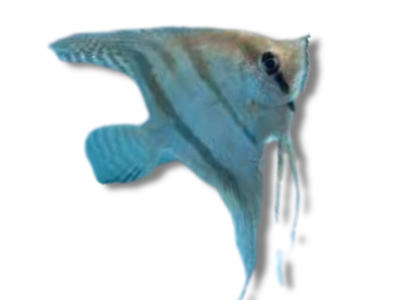
Rio Negro Angelfish
Rio Negro angelfish come from the Rio Negro basin, one of the most famous blackwater regions in the Amazon. These fish are valued for their natural, understated beauty, showing soft tones and subtle markings rather than bold colors, making them ideal for realistic biotope aquariums.
Key Points
- Appearance:
Displays soft silver to slightly bluish tones with gentle, often faint striping that gives a natural and balanced look.
- Color Effect:
Shows a subtle shimmer under soft lighting, enhancing its calm and refined appearance.
- Natural Origin:
Native to the Rio Negro’s blackwater environment, characterized by soft, acidic water rich in tannins.
- Visual Style:
Offers a realistic and nature-inspired aesthetic, perfect for authentic Amazon-style aquariums.
- Visual Impact:
Adds depth and tranquility rather than bold contrast, blending smoothly into the environment.
- Nature & Behavior:
Peaceful and graceful swimmers, suitable for community tanks with calm fish.