• Home
  • Services
  • Shop
  • Blogs
  • About us
Logo
  • Home
  • Services
  • Shop
  • Blogs
  • About us
LoginSign Up
logo

Services

Discovery
Community
Fishelly.Ai
Fish Care Tips

Quick Links

Home
About
Blogs

Terms

Privacy Policy
Terms & Conditions
How To Delete Account
return policy

Contact Info

Junagadh - 362001
Gujarat, Bharat

contact@fishelly.com

7777 90 5050

© Copyright 2026 Fishelly - All Rights Reserved
  • Home
  • |
    1. Blog
    |
    1. Aquarium gravel guide: types, benefits, size best ...

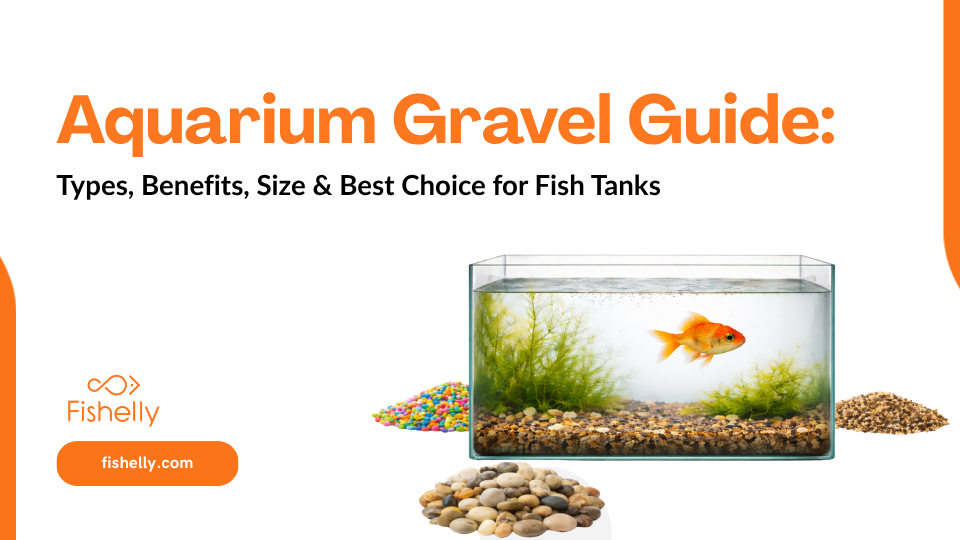
Aquarium Gravel Guide: Types, Benefits, Size & Best Choice for Fish Tanks
AQUARIUM CARE & MAINTENANCE• Fetching Data...
image 1

Learn why aquarium gravel is essential, its types, sizes, benefits, and how to choose the best gravel for healthy fish, plants, and easy maintenance.

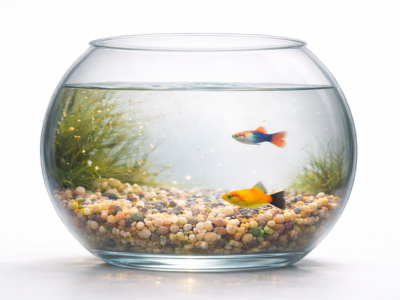
Aquarium gravel is not just decorative - it’s the foundation of a healthy tank. It supports beneficial bacteria, helps break down waste, anchors plants, and creates a safe environment for fish. Choosing the right gravel improves water quality, fish health, and maintenance.
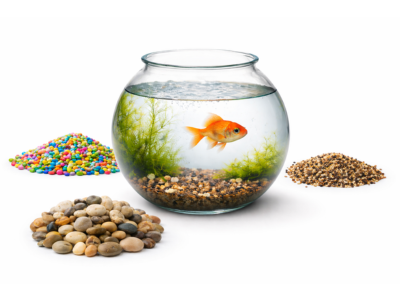
Why Gravel Matters in Your Aquarium

Gravel is not just for decoration it is the foundation of your entire aquarium ecosystem. It plays both a biological role (supporting bacteria) and a structural role (supporting plants and fish habitat).
Supports Beneficial Bacteria (Biological Filtration)

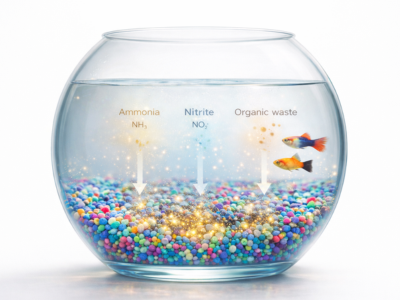
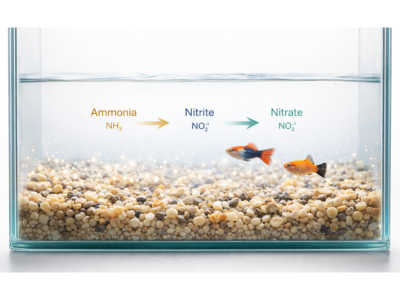
Gravel provides a huge surface area for good bacteria (called nitrifying bacteria) to grow.

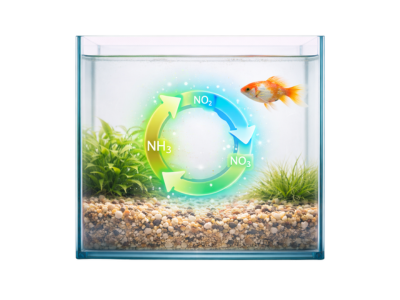
These bacteria perform the nitrogen cycle, which is essential for fish survival:

  • Ammonia (toxic from fish waste) → Nitrite (still toxic) → Nitrate (less harmful)

These bacteria:

  • Keep water safe and stable

  • Work together with your filter

  • Prevent toxic spikes

Without enough gravel, your tank loses a major biological support system, making it unstable.
Helps Break Down Waste

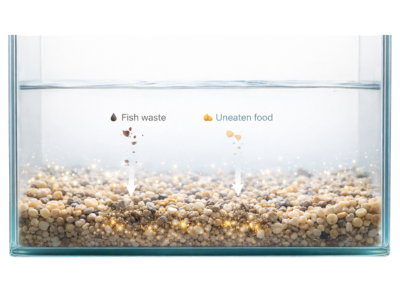
All waste naturally settles into the gravel:

  • Fish poop

  • Uneaten food

  • Dead plant matter

Inside the gravel:

  • Beneficial bacteria start decomposing waste

  • Organic matter gets broken down gradually

  • Reduces visible dirt and toxic buildup

This results in:

  • Cleaner water

  • Less frequent cleaning

  • Better tank balance

Controls Harmful Toxins

Gravel plays a silent but powerful role in stabilizing:

  • Ammonia

  • Nitrites

  • Organic waste

It acts like a buffer system, reducing sudden changes in water quality.

This prevents:

  • Fish stress

  • Sudden deaths

  • Water parameter crashes

Provides Natural Habitat for Fish

Fish feel safest in an environment that mimics nature.

Gravel helps create:

  • A natural riverbed or lake bottom feel

  • Comfortable resting areas

Benefits:

  • Reduces stress

  • Encourages natural behavior (digging, exploring)

  • Improves immune system

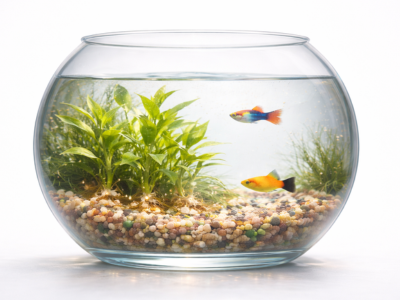
Supports Plant Root Growth

For planted aquariums, gravel is essential:

  • Anchors plant roots firmly

  • Allows roots to spread and grow

  • Holds nutrients around roots

Healthy substrate = Strong roots + Faster growth + Vibrant plants
Don’t Make This Common Mistake

Most beginners choose gravel only based on looks this is a big mistake.

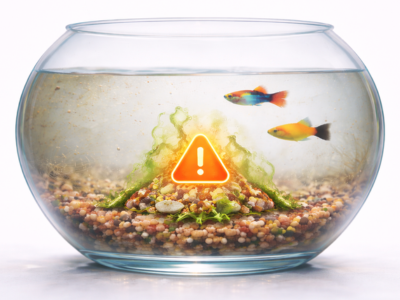
Problems with Wrong Gravel:

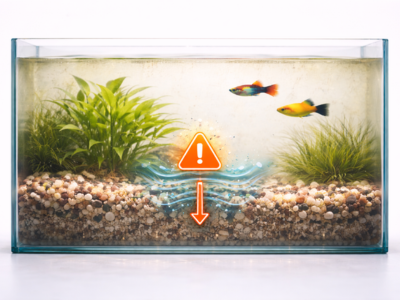
  • Waste accumulation
  • Poor water flow
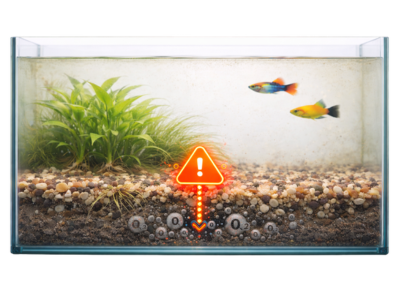
  • Oxygen deficiency in substrate
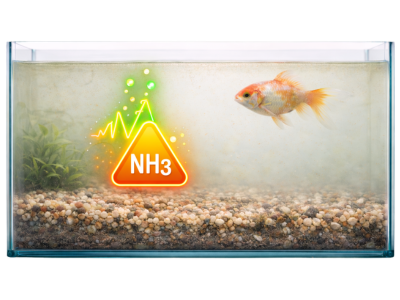
  • Ammonia spikes
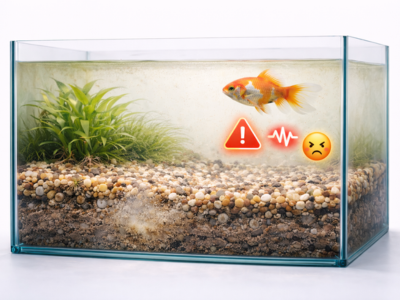
  • Fish stress and disease
  • Frequent maintenance

Benefits of Choosing the Right Gravel:

  • Cleaner water for longer
  • Stable nitrogen cycle
  • Healthy, active fish
  • Easy maintenance

Golden Rule: Function first, appearance second

Pick the Right Gravel Size

Gravel size directly impacts cleaning, oxygen flow, and plant growth.

1. Small Gravel (Fine Gravel)

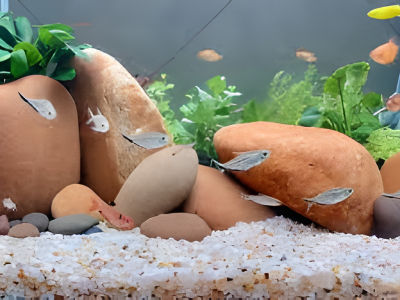
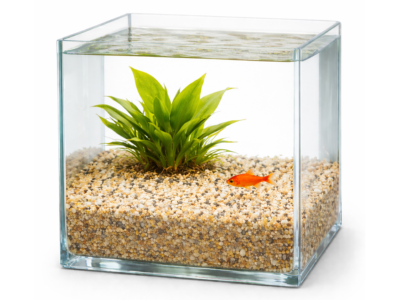
Small gravel (1–3 mm) is one of the most popular substrate choices, especially for planted and aesthetic aquariums. It creates a natural base while supporting plant growth effectively.
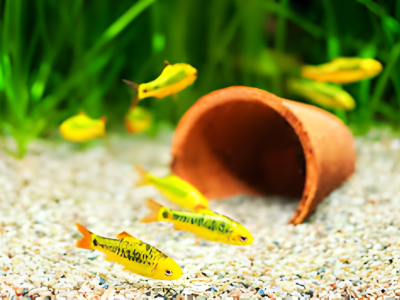
Best Used In

  • Planted aquariums (low-tech & high-tech)

  • Aquascaping tanks (carpet plants, stem plants)

  • Nano aquariums (small tanks)

  • Tanks with small, peaceful fish like guppy, tetra, betta
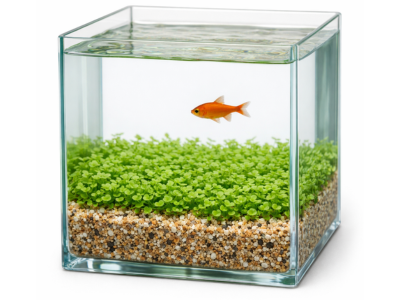
Why Choose Small Gravel

  • Supports strong and healthy plant root growth

  • Creates a smooth, clean, and natural look

  • Ideal for detailed aquascaping designs

  • Comfortable substrate for small fish species

Advantages

  • Best for planted tanks Fine particles allow roots to spread easily and establish strong anchorage
  • Excellent root support Ideal for plants like Amazon sword and carpeting plants
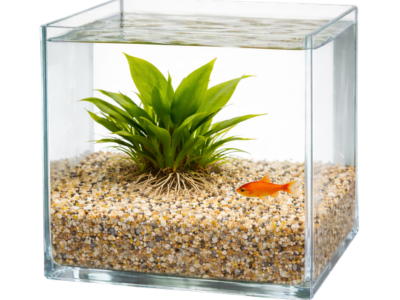
  • Natural & aesthetic appearance Mimics riverbed look and enhances overall tank beauty

  • Suitable for small fish Gentle surface makes it safe and comfortable for delicate species

Disadvantages

  • Compacts easily Over time, gravel becomes tightly packed, reducing water circulation

  • Traps waste and debris Food and fish waste get stuck inside, making cleaning difficult

  • Can create anaerobic zones Low oxygen areas may form, producing harmful gases like hydrogen sulfide

  • High maintenance required Needs regular and careful vacuuming to prevent buildup

Best For

  • Planted aquariums

  • Aquascaping setups

  • Small, peaceful fish tanks

Avoid If

  • You want a low-maintenance aquarium

  • You keep messy or large fish (like goldfish, cichlids)

2. Medium Gravel

Medium gravel (3–6 mm) is the most versatile and beginner-friendly substrate. It offers the perfect balance between plant support, cleanliness, and ease of maintenance, making it suitable for most aquariums.
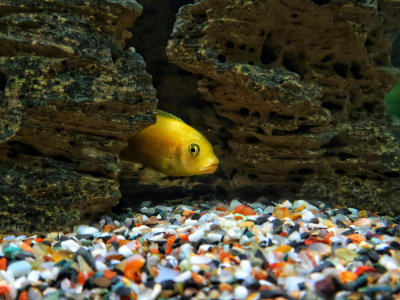
Best Used In

  • Community aquariums (mixed fish species)

  • Beginner aquariums

  • Tanks with moderate plant growth

  • General-purpose setups (fish + plants mix)

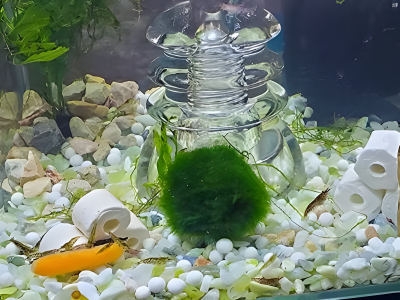
Why Choose Medium Gravel

  • Provides a perfect balance between structure and maintenance

  • Keeps waste on the surface for easy cleaning

  • Maintains good oxygen flow inside the substrate

  • Works well for both fish and basic plants
Advantages

  • Perfect balance (not too tight, not too loose) Ideal structure that supports both cleanliness and plant growth

  • Easy to clean Waste and debris stay on top, making siphoning quick and efficient

  • Good oxygen circulation Prevents formation of harmful anaerobic (low oxygen) zones

  • Supports fish and plants Suitable for most community fish and low to medium requirement plants

  • Beginner-friendly Requires less maintenance compared to fine gravel

Disadvantages

  • Not ideal for delicate plants Fine-root or carpeting plants may not anchor as strongly

  • Less aesthetic than fine gravel Doesn’t provide that ultra-smooth aquascaping finish

  • Lower nutrient holding capacity May require root tabs for heavy root-feeding plants

Best For

  • Community aquariums

  • Beginner setups

  • Mixed fish and plant tanks

Avoid If

  • You want high-end aquascaping

  • You are growing delicate carpet plants

3. Large Gravel

Large gravel (6 mm and above) consists of bigger stones with visible gaps between them. It is mainly used in tanks with large fish or decorative setups where plant growth is not the priority.
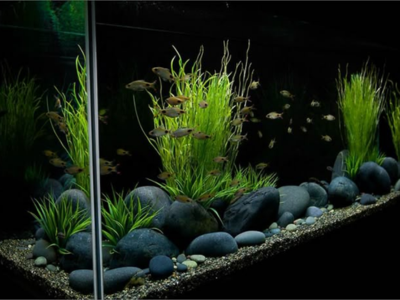
Best Used In

  • Tanks with large fish (cichlids, goldfish)

  • Fish that dig or move substrate

  • Decorative aquariums (low or no plants)

  • Tanks where durability is preferred over aesthetics

Why Choose Large Gravel

  • Suitable for strong and active fish

  • Maintains good water flow due to large gaps

  • Does not compact over time

  • Long-lasting and durable substrate

Advantages

  • Best for large and messy fish Fish like cichlids or goldfish cannot easily disturb or scatter it

  • No compaction issues Large gaps allow continuous water movement inside the substrate

  • Excellent oxygen flow Prevents formation of anaerobic (low oxygen) zones

  • Durable and stable Does not break down or shift easily over time

Disadvantages

  • Waste falls deep inside Debris and leftover food settle between gaps and become hard to remove

  • Difficult to clean Requires deep vacuuming, and even then waste may remain trapped

  • Poor for plant growth Plant roots cannot anchor properly, leading to weak or failed growth

  • Can affect water quality Hidden waste may increase ammonia and nitrate levels over time

Best For

  • Large fish tanks

  • Cichlids and goldfish setups

  • Decorative aquariums (no plants)

Avoid If

  • You want a planted aquarium

  • You prefer easy maintenance and cleaner substrate

Final Recommendation

  • If you’re a beginner → Go with Medium Gravel

  • If you love plants → Use Small Gravel (with care)

  • If you keep big fish → Large Gravel can work (but needs strong cleaning)

Golden Rule:

Right gravel = Cleaner tank + Healthy fish + Less stress

Smooth vs Sharp Gravel

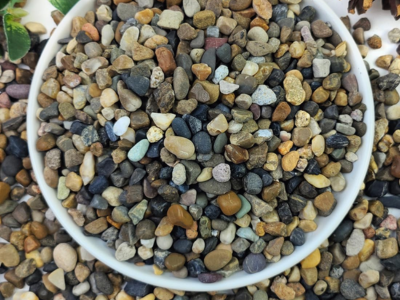
Smooth Gravel

Safe for All Fish

Smooth gravel has rounded edges with no sharp points, making it completely safe for all types of aquarium fish. Whether you keep delicate species like guppies, bettas, or hardy fish like cichlids, smooth gravel reduces the risk of physical injury. Fish can swim freely without constantly worrying about getting scratched or hurt.

Protects Fins and Barbels

Fish like catfish, loaches, and goldfish often interact directly with the substrate. Smooth gravel protects:

  • Fins from tearing or fraying

  • Barbels (whiskers) from getting damaged while searching for food

Damaged fins or barbels can lead to infections, so smooth gravel plays a big role in preventing long-term health issues.

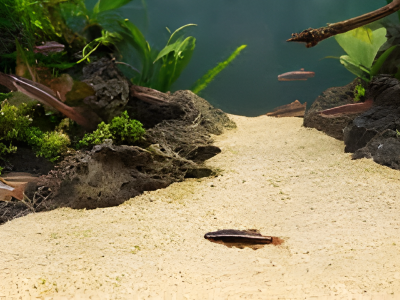
Ideal for Bottom Dwellers

Bottom-dwelling fish (like Corydoras, Plecos, and Loaches) spend most of their time on the substrate. They dig, rest, and search for food there. Smooth gravel:

  • Allows natural digging behavior

  • Prevents injuries while they move along the bottom

  • Keeps them stress-free and active

This creates a more natural and comfortable environment for them.

Easy to Maintain

Smooth gravel has a more uniform surface, so:

  • Waste stays on top instead of getting stuck

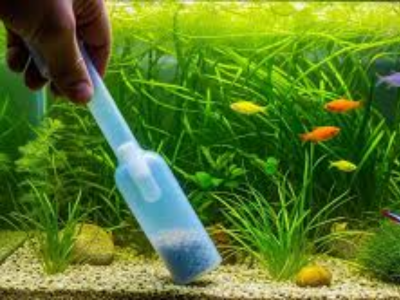
  • Cleaning with a gravel vacuum becomes easy

  • Less chance of harmful bacteria buildup

This helps maintain better water quality and reduces your maintenance effort.
Sharp Gravel (Avoid Using)

Can Injure Fish

Sharp gravel has jagged edges that can easily:

  • Cut fish skin

  • Cause small wounds

  • Lead to internal stress

Even minor injuries can become serious if not noticed early.

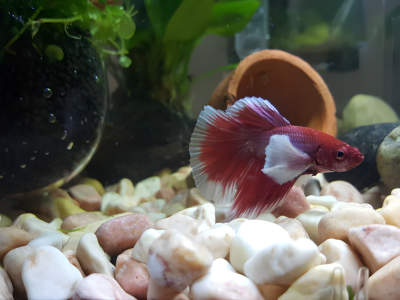
Damages Fins (Especially Bettas)

Fish with long, flowing fins like Bettas are at high risk. Sharp gravel can:

  • Tear delicate fins

  • Cause fin rot over time

  • Reduce the beauty and health of the fish

Once fins are damaged, recovery can take weeks or may never fully restore.

Causes Stress and Infections

When fish feel unsafe in their environment, stress levels increase. Stress leads to:

  • Weak immune system

  • Higher chances of diseases

  • Slower growth and dull colors

Open wounds from sharp gravel can also invite bacterial or fungal infections.

Traps Waste in Uneven Edges

Sharp gravel usually has irregular shapes, which:

  • Trap food particles and fish waste

  • Create hidden dirty pockets

  • Lead to ammonia spikes if not cleaned properly

This makes tank maintenance harder and water quality unstable.

Pro Tip (Very Important)

Before adding gravel to your aquarium:

  • Take a handful of gravel

  • Run your hand through it

If it feels rough, scratchy, or sharp - don’t use it.

If it feels smooth and comfortable - it’s safe for your fish.
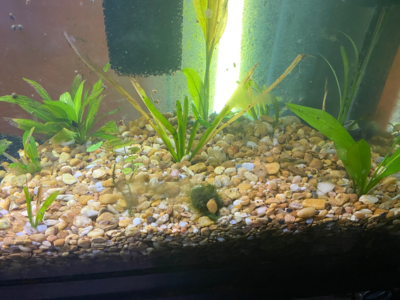
Gravel Color Matters

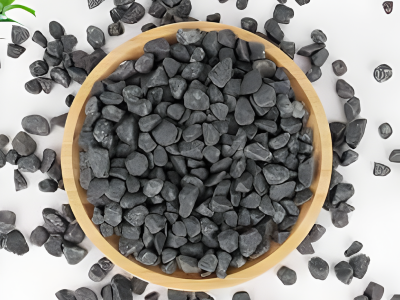
Dark / Natural Colors

  • Makes fish feel secure

  • Enhances fish colors

  • Looks realistic

  • Reduces stress

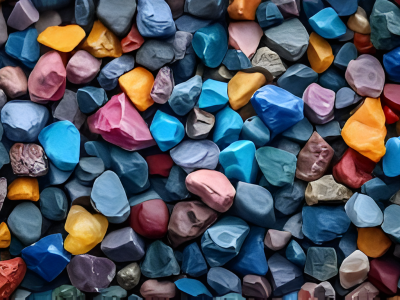
Bright Artificial Colors

  • Can stress fish

  • Looks unnatural

  • Not ideal for natural setups

Best choice: Black, brown, river stone colors

Choose Easy-to-Clean Gravel

Gravel directly affects your maintenance effort.

Too Fine Gravel

  • Becomes muddy

  • Hard to clean

  • Can clog filters

Too Large Gravel

  • Waste goes deep

  • Difficult to remove

Ideal Choice:

Medium + Smooth Gravel

Benefits:

  • Easy siphoning

  • Waste visible

  • Balanced ecosystem

Gravel Depth (Critical for Stability)

Depth is often ignored but very important.

Recommended Depth:

1–2 inches → Normal aquarium

2–3 inches → Planted aquarium

Problems:

Too shallow → weak roots

Too deep → waste buildup + low oxygen zones

Balance is key.

Always Wash Gravel Before Use

Skipping this step causes:

  • Cloudy water
  • Dust particles

  • Poor tank start

How to Wash:

1. Take a bucket Use a clean, chemical-free bucket.

2. Add gravel Add a small amount of gravel.

3. Rinse with water Fill with water until gravel is covered.

4. Stir and drain Stir gently, then drain dirty water.

5. Repeat until water is clear Repeat until water runs clear.

This ensures a clean and healthy setup.

Match Gravel with Fish Type

Different fish = different needs

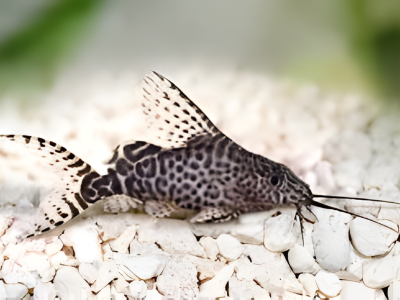
Bottom Dwellers (Catfish, Corydoras)

  • Need soft, smooth substrate

  • Protects barbels

Delicate Fish (Betta)

  • Smooth gravel required

  • Prevents fin damage

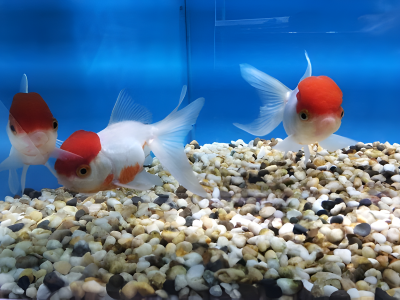
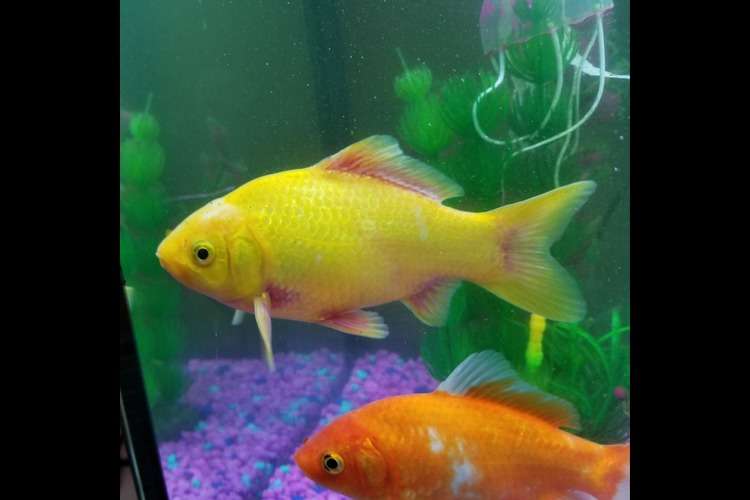
Goldfish

  • Medium gravel

  • Avoid very small (they may swallow it)
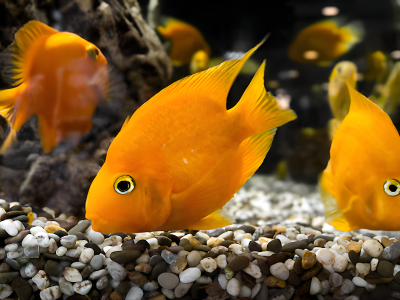
Always choose gravel based on fish behavior

Maintenance Tips (Long-Term Success)

Consistency = Healthy aquarium

Weekly Routine:

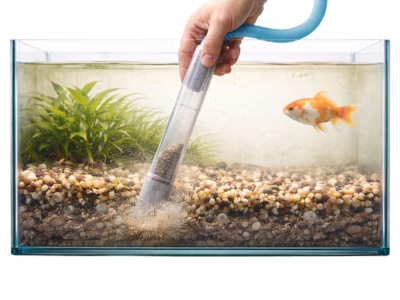
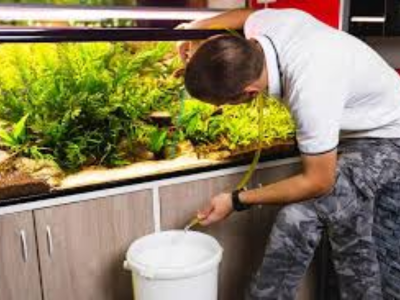
  • Use siphon to clean gravel
  • Remove debris

  • Change 20–30% water

Avoid Overfeeding:

  • Excess food = waste

  • Leads to ammonia spikes

Combine Gravel with Proper Filtration

Gravel alone is not enough.

Together:

  • Filter → removes physical waste

  • Gravel bacteria → breaks toxins

Result:

  • Stable water

  • Healthy ecosystem

Avoid Overdecorating

Decorations look good, but too many can harm your tank.

A healthy aquarium is clean, open, and balanced - not overcrowded.

Problems

1. Traps Waste Waste and food get stuck → dirty water → ammonia increase.

2. Blocks Water Flow Poor circulation → low oxygen → stressed fish.

3. Hard to Clean Too many items = difficult maintenance → more dirt buildup.

4. Less Swimming Space Fish feel cramped → stress & aggression.
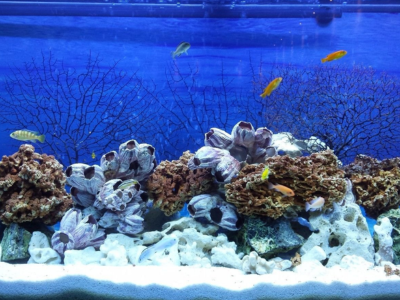
What to Do

Keep It Simple – Don’t fill every space

Keep It Functional – Add only useful items (hiding spots, plants)

Keep It Cleanable – Leave space for easy cleaning & water flow

Pro Tip

Less is more Simple tank = healthier fish + easier maintenance

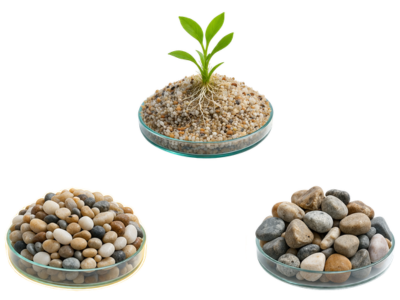
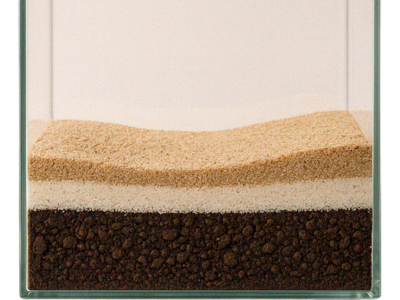
Layering Substrate

Layering substrate is a smart technique used in planted tanks to create a healthy and stable environment for plant growth. Instead of using just one type of substrate, you use two layers each serving a different purpose.

Bottom Layer: Nutrient-Rich Soil

This layer consists of aquarium soil or nutrient substrate that is packed with essential minerals like iron and nutrients needed for plant growth. Plant roots grow into this layer and absorb nutrients directly, helping plants grow faster, stronger, and healthier.

Top Layer: Gravel or Sand

The top layer acts as a protective cover. It prevents the nutrient soil from mixing into the water, which could otherwise cause cloudiness or algae problems. It also helps keep the tank looking clean and natural. Additionally, this layer holds plants firmly in place and makes maintenance like siphoning easier.
Why This Layering Works Well

  • Provides direct nutrition to plant roots

  • Prevents nutrient leakage into water

  • Reduces chances of algae outbreaks

  • Keeps water clear and stable

  • Improves overall plant growth and root strength

Helps plant growth + prevents nutrient leakage

Oxygen Flow in Gravel

Good gravel allows:

  • Water circulation

  • Oxygen penetration

Prevents harmful anaerobic gas pockets

Avoid Chemically Reactive Gravel

Some stones (like limestone):

  • Increase pH

  • Affect water chemistry

Always test before use

Gravel Supports Micro-Life

Healthy gravel contains:

  • Beneficial bacteria

  • Microorganisms

These create a mini ecosystem inside your tank

Faq

1. What is the purpose of gravel in an aquarium?

Gravel is not just for decoration - it acts as the base of your aquarium. It supports beneficial bacteria, helps break down waste, maintains water quality, and provides a natural habitat for fish and plants.

2. Is gravel necessary for an aquarium?

Yes, gravel is highly recommended. Without it, your tank loses an important area for beneficial bacteria to grow, making it harder to maintain stable and healthy water conditions.

3. Which type of gravel is best for beginners?

Medium gravel is the best choice for beginners because it is easy to clean, allows good water flow, and works well for most fish and basic plants.

4. Can I use small gravel for my tank?

Yes, small gravel is great for planted tanks because it supports strong root growth. However, it can trap waste and requires more maintenance compared to medium gravel.

5. Is large gravel good for aquariums?

Large gravel is suitable for big fish like goldfish or cichlids, but it can trap waste deep inside, making cleaning more difficult and potentially affecting water quality.

6. What is the difference between smooth and sharp gravel?

Smooth gravel is safe and prevents injuries, while sharp gravel can damage fish fins, cause stress, and lead to infections. Always choose smooth gravel for a healthy aquarium.

7. How do I check if gravel is safe for fish?

Take a handful of gravel and run your hand through it. If it feels smooth, it’s safe. If it feels sharp or rough, avoid using it.

8. Does gravel color matter?

Yes, dark or natural-colored gravel is better because it reduces fish stress and enhances their natural colors, while bright artificial colors may stress fish.

9. How much gravel should I use in my aquarium?

Typically:

  • 1–2 inches for normal tanks

  • 2–3 inches for planted tanks

Too little or too much gravel can cause problems like weak plant roots or waste buildup.

10. Do I need to wash gravel before using it?

Yes, always wash gravel before adding it to your tank. This removes dust and prevents cloudy water during setup.

11. How often should I clean aquarium gravel?

You should clean gravel once a week using a siphon while doing a 20–30% water change. Regular cleaning keeps the tank healthy and prevents waste buildup.

12. Can gravel affect water quality?

Yes, gravel helps stabilize ammonia and nitrite levels by supporting beneficial bacteria. However, dirty or wrong gravel can lead to poor water quality and fish stress.

13. Is gravel important for plants?

Yes, gravel anchors plant roots and helps them grow properly. In planted tanks, it works even better when combined with nutrient-rich substrate.

14. What happens if I choose the wrong gravel?

Wrong gravel can cause waste buildup, poor oxygen flow, ammonia spikes, fish stress, and frequent maintenance problems.

15. Can I keep an aquarium without gravel?

You can (bare-bottom tank), but it requires more maintenance and lacks natural biological support, making it less stable for beginners.

16. Does gravel replace a filter?

No, gravel and filters work together. The filter removes physical waste, while gravel supports bacteria that break down toxins.

17. Why should I avoid too many decorations with gravel?

Too many decorations trap waste, block water flow, and make cleaning difficult, which can lead to poor water quality and stressed fish.

18. What is layered substrate and why use it?

Layered substrate means using nutrient soil at the bottom and gravel on top. This helps plants grow better while keeping the water clean and stable.

19. Can gravel affect fish behavior?

Yes, the right gravel creates a natural environment where fish feel safe, reducing stress and encouraging natural behaviors like digging and exploring.

20. What is the best overall gravel choice?

For most people: Medium + Smooth + Natural color gravel It offers the best balance of cleanliness, safety, and low maintenance.

Conclusion

In conclusion, aquarium gravel is far more than just a decorative element. It is the foundation of a healthy and stable aquatic ecosystem. The right gravel supports beneficial bacteria, helps break down waste, maintains water quality, and provides a natural, stress-free environment for fish while also supporting plant growth. Choosing the correct size, texture, depth, and type based on your tank setup and fish species ensures easier maintenance and long-term success. By avoiding common mistakes like sharp or unsuitable gravel, poor cleaning habits, and overcrowding, you can create a balanced aquarium that stays clean, visually appealing, and biologically stable, ultimately leading to healthier, more active fish and a thriving tank environment.

Related Blogs

The Ultimate Guide to Choosing and Caring for Aquarium Fish: A Beginner's Journey into the Colorful World of Aquatic Pets
AQUARIUM CARE & MAINTENANCE• Fetching Data...

The Ultimate Guide to Choosing and Caring for Aquarium Fish: A Beginner's Journey into the Colorful World of Aquatic Pets

Welcome to the ultimate guide for all beginner aquarium enthusiasts! If you're embarking on a journey into the vibrant world of keeping aquatic pets, then this article is your go-to resource. Discover how to choose and care for aquarium fish in a way that ensures their health, happiness, and longevity. In this comprehensive guide, we'll delve into the fascinating realm of aquarium fishkeeping, exploring the various types of fish available, their unique characteristics, and the ideal environments they thrive in. From vibrant bettas to elegant goldfish and mesmerizing guppies, you'll gain insights into the diverse array of species that can grace your underwater kingdom. Not only will we cover the essentials of setting up and maintaining an aquarium, but we'll also provide expert tips for meeting your fish's dietary requirements, optimizing water conditions, and ensuring their overall well-being. By the end, you'll be equipped with the knowledge and confidence to create a stunning and thriving aquatic habitat. Whether you're a complete novice or have already dipped your toes into the fishkeeping world, this guide will empower you to embark on an exciting and rewarding journey. Get ready to dive into the colorful and captivating world of aquarium fish!

Types of Aquarium Fish

When it comes to selecting fish for your aquarium, the options are truly endless. From the striking colors of bettas to the graceful movements of angelfish, each species brings its own charm to your underwater oasis. Understanding the various types of aquarium fish available is essential in creating a harmonious and visually appealing aquatic environment. Exploring freshwater fish species opens up a world of possibilities. You can opt for the vibrant hues of tetras, the playful nature of guppies, or the elegance of goldfish. Each species has its unique characteristics, such as schooling behavior, compatibility with other fish, and preferred water parameters. Researching and selecting fish that align with your aquarium size and setup is crucial for their well-being. Saltwater fish enthusiasts are treated to a dazzling array of species, from the iconic clownfish to the majestic angelfish. These fish bring a touch of the ocean into your home, showcasing a kaleidoscope of colors and patterns. It's important to consider the specific requirements of saltwater species, such as water salinity levels, tank mates, and potential territorial behavior, when introducing them to your aquarium.

Choosing the Right Fish for Your Aquarium

Selecting the right fish for your aquarium involves a careful balance of aesthetic appeal, compatibility, and environmental needs. Whether you're drawn to the vibrant colors of tropical fish or the serene beauty of freshwater species, understanding the requirements of each fish is key to creating a thriving aquatic community. Before adding fish to your aquarium, research their preferred water parameters, diet, and temperament. Consider factors such as tank size, water temperature, pH levels, and compatibility with other fish species. It's essential to choose fish that can coexist peacefully and thrive in the same environment, minimizing stress and potential conflicts. When selecting fish, also take into account their adult size and growth potential. Some species may start small but grow significantly larger, requiring ample space to swim and develop properly. Planning for the long-term care of your fish ensures they have adequate room to flourish and reduces the need for frequent tank upgrades.

Setting Up Your Aquarium

Creating a suitable habitat for your aquarium fish is the foundation of their health and well-being. Start by selecting an appropriately sized tank that accommodates the needs of your chosen fish species. Larger tanks provide more stability in water parameters and offer ample swimming space for active fish. Once you have your tank, focus on establishing a balanced ecosystem within it. Add a substrate layer for beneficial bacteria to thrive, aiding in nitrogen cycling and waste breakdown. Decorate your tank with live plants, rocks, caves, and other ornaments to provide hiding spots and visual interest for your fish. Installing a filtration system is crucial for maintaining water quality by removing debris and harmful substances. Choose a filter that suits your tank size and consider incorporating a heater to regulate water temperature. Monitor the tank's temperature, pH, and ammonia levels regularly to ensure a healthy environment for your fish.

Essential Equipment for Aquarium Fish Care

Equipping your aquarium with the right tools is essential for creating a conducive environment for your fish to thrive. Invest in a high-quality filter to remove waste and maintain water clarity. Filters come in various types, including hang-on-back, canister, and sponge filters, each catering to different tank sizes and filtration needs. A reliable heater is vital for tropical fish species that require stable water temperatures. Select a heater based on your tank size and the temperature requirements of your fish. Additionally, consider a thermometer to monitor water temperature accurately and make adjustments as needed to ensure your fish remain healthy. Regular water testing is key to monitoring the quality of your aquarium's water parameters. Test kits for pH, ammonia, nitrite, and nitrate levels help you identify any imbalances or spikes that could harm your fish. Conduct routine water changes to maintain optimal water quality and remove accumulated waste and toxins.

Proper Feeding and Nutrition for Aquarium Fish

Providing a balanced and nutritious diet is crucial for the health and vitality of your aquarium fish. Different species have varying dietary requirements, so it's essential to research the specific needs of your fish. Offer a mix of high-quality flake, pellet, frozen, and live foods to ensure a diverse and well-rounded diet. Feed your fish small portions multiple times a day, adjusting the amount based on their feeding habits and growth stage. Overfeeding can lead to water quality issues and health problems, so monitor your fish's consumption and remove any uneaten food promptly. Consider supplementing their diet with vegetables, algae, or specialized foods for certain species. Observing your fish during feeding times can provide valuable insights into their health and behavior. Ensure that all fish have access to food and monitor for any signs of aggression or competition during feeding. By offering a varied and balanced diet, you can support the overall health and vibrancy of your aquarium fish.

Maintaining Water Quality in Your Aquarium

Water quality is a cornerstone of successful aquarium fishkeeping, influencing the health and longevity of your fish. Regular maintenance and monitoring of water parameters are essential to create a stable and thriving aquatic environment. Understanding the nitrogen cycle and its impact on water quality is key to preventing harmful ammonia spikes. Test your aquarium water regularly using reliable test kits to assess pH, ammonia, nitrite, and nitrate levels. Monitoring these parameters allows you to identify any fluctuations and take corrective actions promptly. Conduct partial water changes on a routine basis to remove accumulated waste and refresh the water, promoting a healthy ecosystem. Maintaining proper filtration is crucial for removing debris, uneaten food, and fish waste from the water. Clean or replace filter media as needed to prevent clogs and ensure optimal filtration efficiency. Avoid overcleaning your filter to preserve beneficial bacteria that aid in breaking down waste and maintaining water quality.

Common Diseases and How to Prevent Them

Understanding common aquarium fish diseases is essential for safeguarding the health of your aquatic pets. Prevention is key in minimizing the risk of infections and illnesses that can harm your fish. Recognizing the signs of disease early allows for prompt intervention and treatment to improve the chances of recovery. One prevalent disease among aquarium fish is ich, or white spot disease, caused by a parasite that manifests as white spots on the fish's body. Quarantining new fish before introducing them to your main tank helps prevent the spread of diseases. Maintain good water quality, proper nutrition, and stress-free conditions to boost your fish's immune system. Other common ailments include fin rot, bacterial infections, and parasitic infestations, each requiring specific treatments and care. Regular observation of your fish for unusual behavior, changes in appetite, or physical symptoms is crucial for detecting health issues early. Consult with a vet or experienced aquarist for accurate diagnosis and treatment options.

Tips for Decorating Your Aquarium

Enhancing the visual appeal of your aquarium not only creates a stunning display but also provides enrichment for your fish. Incorporate a variety of decorations, such as driftwood, rocks, plants, and caves, to mimic a natural underwater habitat. Create different levels and hiding spots to cater to the diverse needs of your fish. Live plants not only add beauty to your aquarium but also contribute to water quality by absorbing nitrates and providing oxygen. Choose plant species that are suitable for your lighting and substrate conditions, ensuring they receive adequate nutrients for growth. Regular pruning and maintenance help keep your plants healthy and prevent overgrowth. Consider the overall theme and aesthetic you want to achieve with your aquarium decor. Whether you prefer a lush planted tank or a minimalist design, select ornaments and substrate that complement your fish species and create a cohesive look. Experiment with different layouts and arrangements to find the perfect balance of functionality and aesthetics.

Conclusion: Enjoying Your Aquarium and the Benefits of Owning Aquarium Fish

Congratulations on embarking on your journey into the colorful world of aquarium fishkeeping! By following the tips and guidelines outlined in this ultimate guide, you're well-equipped to create a thriving aquatic habitat for your fish. Remember to research, plan, and monitor your aquarium regularly to ensure the health and happiness of your aquatic companions. Owning aquarium fish offers a host of benefits, from relaxation and stress reduction to learning opportunities and a deeper connection with nature. Watching your fish swim gracefully, interact with each other, and explore their underwater world is a rewarding experience that brings joy and tranquility into your life. Embrace the beauty and wonder of aquarium fishkeeping as you embark on this exciting and fulfilling journey! Read more

3150Read More
Balancing Aquarium Water Elements for Healthy Fish
AQUARIUM CARE & MAINTENANCE• Fetching Data...

Balancing Aquarium Water Elements for Healthy Fish

Table of Contents

  • Introduction
  • Ammonia Poisoning
  • Aquarium Algae
  • Aquarium Water Testing
  • Cloudy Water
  • Rocks That Can Affect Water Chemistry
  • Massive Water Changes Can Kill Fish
  • Nitrite Poisoning
  • Nitrogen Cycle
  • Phosphate in the Aquarium
  • What is pH?
  • Conclusion

Introduction

Aquarium water quality is crucial for the health of your fish, but it’s often overlooked by fish keepers. Unlike humans, who can leave hazardous environments, fish are confined to their tanks and cannot escape if their water becomes toxic. Understanding and maintaining the right balance of water elements—such as ammonia, nitrite, phosphate, and pH—is essential for a healthy aquarium. Proper water management ensures that your aquatic pets thrive in a safe and stable environment, preventing stress and disease while promoting their overall well-being and longevity.

Ammonia Poisoning

Ammonia is a natural byproduct of fish metabolism and can be extremely harmful if it accumulates in the water. It is one of the leading causes of fish distress and sudden death. Ammonia poisoning is especially common in newly set up aquariums before beneficial bacteria establish themselves. It can also occur in established tanks if too many fish are added at once, if the filter fails, or if beneficial bacteria die off due to medications or sudden water condition changes.

Warning: Ammonia poisoning can be lethal and must be addressed immediately.

Aquarium Algae

Algae growth is inevitable in any aquarium. While some algae are normal and even beneficial, excessive growth can be unsightly and harmful. Factors contributing to excessive algae include too much light, overfeeding, and infrequent water changes, which lead to an accumulation of phosphate or nitrate. To combat algae, consider adding algae-eating fish or using commercial algaecide products.

Aquarium Water Testing

Regular water testing can be invaluable in diagnosing and resolving aquarium problems. Essential tests include those for ammonia, nitrite, and nitrate, as these compounds can be harmful to fish if they accumulate. Testing for minerals like pH, hardness (GH), and alkalinity (KH) is also important, as well as for chlorine, chloramine, copper, and phosphate, which may be present in tap water. New aquariums should be tested daily or several times a week. Established aquariums can be tested every few weeks to monthly.

Cloudy Water

Cloudy water can result from several causes, each with its solution. In new aquariums, unwashed gravel can cause cloudiness, which will clear after a few days. Bacterial blooms can also make water cloudy until the bacteria settle. Overfeeding and dirty filters can contribute to cloudiness as well. Testing for ammonia and nitrite can help determine if these are causing bacterial growth. Solutions include water changes, cleaning the filter, increasing filtration, and using chemicals to clear the water.

Rocks That Can Affect Water Chemistry

Rocks can alter your aquarium's water chemistry. To test if a rock is safe, apply vinegar or another acid to its surface; if it bubbles, don’t use it. Soaking rocks in water and monitoring pH changes can also help determine their safety. For freshwater aquariums, avoid using gravel made from limestone, dolomite, aragonite, crushed coral, or oyster shells, as they can raise water hardness and pH. Always rinse rocks and gravel thoroughly before adding them to the aquarium.

Massive Water Changes Can Kill Fish

Sudden, large water changes can be harmful to fish. It's essential to ensure the new water is dechlorinated and at the same temperature as the aquarium water. Adjusting the pH of new water to match the aquarium’s current pH is also crucial, as aquarium water pH tends to decrease over time and needs to be buffered to the correct level. Regular water changes are necessary but should be done carefully.

Nitrite Poisoning

Nitrite poisoning often follows ammonia poisoning and can be just as deadly. Elevated nitrite levels can quickly become toxic. Symptoms include poor appetite, inactivity, fish gathering near the filter outflow, and brown-colored gills. Immediate water changes and adding 1-3 teaspoons of sea salt per gallon can help reduce nitrite toxicity.

Warning: Nitrite poisoning requires prompt action to prevent fish deaths.

Nitrogen Cycle

The nitrogen cycle, or cycling, is essential for establishing a healthy aquarium. This process involves beneficial bacteria breaking down toxic ammonia from fish waste into nitrite, and then into less harmful nitrate. New aquariums typically take 4-6 weeks to complete this cycle. Understanding the nitrogen cycle is critical to preventing fish loss due to toxic buildup.

Phosphate in the Aquarium

Phosphate, present in every aquarium, can lead to excessive algae growth if it accumulates. Phosphate levels can rise from tap water and fish food. Testing your tap water and using deionized or reverse osmosis filtered water for changes can help manage phosphate levels. Regular water changes using dechlorinated tap water can also keep phosphate levels low if your tap water is phosphate-free.

What is pH?

pH measures the acidity or basicity of water on a scale of 1-14, with 7 being neutral. Different fish species prefer different pH levels depending on their natural habitats. Most freshwater aquarium fish thrive in a pH range of 7.0 to 7.5. Gradual changes in pH are necessary to avoid stressing the fish.

By maintaining balanced water conditions and understanding the factors affecting your aquarium, you can ensure a healthy environment for your fish.

Conclusion

Maintaining optimal water quality is crucial for the health of aquarium fish. By understanding and managing key water parameters such as ammonia, nitrite, phosphate, and pH, fish keepers can prevent common issues that lead to fish stress and mortality. Regular testing, careful water changes, and proper tank maintenance are essential practices. Awareness of the nitrogen cycle, recognizing poisoning symptoms, and managing algae growth are also vital. By staying informed and proactive, aquarists can ensure a healthy, vibrant environment where their fish can thrive.

Read more
3046Read More
Stop Fish Burns Now! A Guide to Ammonia Poisoning in Aquariums
AQUARIUM CARE & MAINTENANCE• Fetching Data...

Stop Fish Burns Now! A Guide to Ammonia Poisoning in Aquariums

Table of Content

  • What Are Ammonia Burns in fishes?
  • Ammonia Mayhem in the Tank: Cause Behind Fish Burns!
  • Fish Burn Battle Plan: Treat And Heal Your Fin-tastic Friends!
  • Fish Burn Forecast: Will Your Fin-Friends Make a Full Recovery?- Prevention
  • Imagine a silent assassin lurking in your aquarium, slowly poisoning your beloved fish. That's the hidden danger of ammonia burns. This invisible threat, caused by excess ammonia in the water, can wreak havoc on your finny friends.
    What Are Ammonia Burns in fishes?
    Ammonia, a waste product from your fish's superhero metabolism (gotta break down all that food!), is normally handled by beneficial bacteria in your tank. But when levels get too high – think overstocked apartment – ammonia becomes a villain, chemically burning your fish's skin, eyes, fins, and gills. Imagine a bad sunburn, but for a fish! These burns open the door for even bigger problems: nasty bacterial infections! Think of it like an open wound prone to getting even worse. And if the ammonia levels spike suddenly, it can even cause a fish to kick the bucket real fast. Not cool!

    Symptoms

    So how do we identify these ammonia burns? Here's what to watch out for:

    • Red Alert:

    Look for inflamed gills or patches of redness on your fish's body.

    • Fin Clamping:

    Stressed fish often keep their fins tight against their body.

    • Flashing Frenzy:

    Rapid rubbing against objects can be a sign of irritation.

    • Lethargy Blues:

    Fish may become listless and lose their appetite.

    Ammonia Mayhem in the Tank: Cause Behind Fish Burns!
    Imagine your fish tank turning into a toxic wasteland! That's what happens when ammonia levels climb too high, causing nasty ammonia burns on your precious fin-friends. But what villains are behind this watery nightmare? Let's unmask the culprits:

    • New Tank Nightmare:

    Setting up a new tank is exciting, but it can be a war zone for baby bacteria! These beneficial bacteria are supposed to break down fish waste, but in a new tank, they're outnumbered by the ammonia produced. The result? Burn city for your fish! That's why frequent water testing is crucial for new aquariums.

    • Chlorine Chaos:

    Tap water might seem harmless, but it can be hiding a secret weapon – chloramine! This chemical releases ammonia into your tank, turning your water change into a recipe for disaster. Dechlorinators are your heroes here, removing chlorine and ammonia before they harm your fish.

    • Travel Trauma:

    Moving fish is stressful enough, but imagine being stuck in a tiny bag with your own waste! This rapidly creates a toxic ammonia environment. Always acclimate your fish properly before releasing them into the tank, and remember, ammonia builds up fast in small spaces.

    • Quarantine Quandary:

    Treating sick fish in quarantine tanks is necessary, but these tanks often lack the beneficial bacteria needed to control ammonia. This can lead to a build-up and potential burns, so be extra vigilant about monitoring ammonia levels in quarantine tanks.

    • Overcrowding Calamity:

    A tank teeming with fish might look lively, but it's a recipe for disaster. Too many fish means too much waste, overwhelming the good bacteria and causing ammonia to skyrocket. Think of it as overcrowding a house – eventually, trash builds up!

    Fish Burn Battle Plan: Treat And Heal Your Fin-tastic Friends!
    Mission Objective: Rescue your fish from the fiery wrath of ammonia burns!

    Step 1: Emergency Water Change!

    This is a time-sensitive mission! The first step is to perform a large water change, flushing out that nasty ammonia like putting out a fire. Use an ammonia test kit to double-check and make sure the enemy is defeated!

    Step 2: Quarantine for the Wounded

    Fish with ammonia burns might also have picked up some nasty bacterial infections during the attack. Isolate them in a quarantine tank (QT) – think of it as a hospital room for your fish! Make sure you follow proper QT protocol, it's like a medical procedure for your fin-tastic friends.

    Step 3: Antibiotic Assault

    Time to arm your fish with some fishy antibiotics or antibacterial medication in the QT. These work like magic weapons, zapping those pesky bacterial invaders. Important note: Don't use antibiotics in your main tank! They can harm the good bacteria that keeps your water clean, making things worse in the long run.

    Step 4: Monitor and Celebrate!

    Keep a close eye on your fish in the QT. If they start eating normally within 3-5 days, it means the treatment is working! Once they're healthy and happy again, you can celebrate by returning them to the main tank – mission accomplished!

    Fish Burn Battle Plan: Treat And Heal Your Fin-tastic Friends!

    Good News!

    Most fish with ammonia burns can bounce back like champs, especially if they avoid nasty secondary infections. With proper treatment, you can expect them to be swimming happily back in the main tank within a week!

    The Not-So-Good News:

    Severe infections or a sudden spike in ammonia levels can be fatal. It's like a double whammy for your fish. Prevention is Key! Here's how to keep ammonia burns at bay:

    • The Biofilter Brigade:

    This is the good bacteria army that breaks down fish waste, keeping ammonia levels in check. Think of them as tiny underwater garbage collectors! A good biofilter is your fish tank's first line of defense.

    • Water Change Warriors:

    Regular water changes are like cleaning house for your tank. In a new tank, do weekly water changes (10% or more) to help the good bacteria get established. For seasoned tanks, aim for 25% water changes every 2-4 weeks.

    • Ammonia Neutralizing Ninja Stars:

    Pet stores sell special products that bind ammonia in the water, rendering it harmless to your fish. These are like ninja stars that neutralize the ammonia threat! Just remember to test your water and follow the instructions for dosage carefully.

    Stay Vigilant!

    By regularly monitoring ammonia levels, you can prevent these burns before they even start. Think of it as keeping a watchful eye on your water quality – an ounce of prevention is worth a pound of cure (or a tank full of burned fish)!

    Read more

2691Read More
Fish Bath Keep Your Fin Friends Happy & Healthy
AQUARIUM CARE & MAINTENANCE• Fetching Data...

Fish Bath Keep Your Fin Friends Happy & Healthy

Table of Content

  • Dip: A Gentle Reset for Stressed Saltwater Fish
  • Spa Day: A Step-by-Step Guide
  • Bonus Tips for a Smooth Freshwater Dip Mission!s

Struggling with pesky parasites on your saltwater fish? Don't despair! A quick freshwater dip can be your secret weapon. It's like a superhero for stressed-out saltwater fish, a one-two punch against those nasty protozoa, flukes, and lice. This "hyposalinity" trick (big word for lowering salinity) is fast, easy to set up, and a fantastic first step before diving into more intensive treatments. Think of it as a parasite party crasher, giving your fish a fighting chance to recover before quarantine and targeted medication take over.

Dip: A Gentle Reset for Stressed Saltwater Fish

Imagine your fish sporting a superhero cape, ready to battle pesky parasites! A freshwater dip is like a quick training montage, a temporary yet effective way to weaken those enemies.

Sure, this dip takes them out of their comfort zone (saltwater!), but it's a strategic move. Keep a close eye on them - watch for rapid breathing or resting at the bottom. But with some air bubbles for company (aeration!), they'll be back to swimming circles in no time.

Requirements: Gear Up for Your Fish's Superhero Dip!

Here's what you'll need to turn your bathtub (well, not literally) into a parasite-fighting haven for your fish:

• Spacious Fish Tub:

Think comfy fish condo - big enough for your fin friend to move around freely.

• De-Stress Juice (Ammonia Neutralizer):

This magical potion keeps the treatment water squeaky clean, preventing any nasty ammonia build-up.

• Parasite-Zapping Potion (Nitrofurazone-based med):

This superhero serum weakens those pesky hitchhikers on your fish. (Ask your local fish store for the right kind!)

• Bubble Party Machine (Air Pump & Stone):

Just like we love a good bubble bath, this keeps the water oxygenated and helps your fish breathe easy.

• Crystal Clear Water (Freshwater):

Filtered or dechlorinated tap water works best.

• Temperature Tracker (Thermometer):

Keep the water comfy for your fish by matching the temperature of their main tank.

• pH Armor (Buffer):

This maintains a stable water environment, just like a superhero's force field! (Baking soda can be a simple buffer option.)

Spa Day: A Step-by-Step Guide

1. Craft a Clean Cavern: Fill a spacious container with crystal-clear water (filtered or dechlorinated tap water works!). Match the temperature of their main tank for a smooth transition.

2. Activate the Bubble Blasters! Hook up an air pump and stone to create an underwater disco. This keeps the water oxygenated, making it easier for your fishy warriors to breathe.

3. Mix the De-Stress Elixir: Add a splash of ammonia neutralizer (like a magic potion!) to keep the water squeaky clean and prevent any nasty ammonia build-up.

4. Optional Power-Up (Nitrofurazone): If your local fish store recommends it, add some parasite-zapping medication (like a secret weapon!) to weaken those pesky villains.

The Dip:

1. Fishy Fast Transfer: Carefully scoop your fish from their main tank and place them in the freshwater haven.

Remember, don't overcrowd the place! Work with small teams if needed, changing the water after each mission.

2. Three-Minute Mission Time: Let your fishy squad relax for 3-4 minutes. If any fish seem stressed after a minute or two, give them a break and return them to the main tank. They might just be playing "dead fish" for a minute! A gentle nudge might get them moving again if they're chilling on their sides.

Mission Wrap-Up:

• Have some extra clean water on hand to refresh the dip zone if it gets a bit messy during the battle.

Bonus Tips for a Smooth Freshwater Dip Mission!

Don't Panic if They Play Dead:

Our fishy friends might settle on their sides at the bottom, looking like they've kicked the bucket. Fear not!

This is a normal reaction to the freshwater. Give them a minute to adjust, and they'll likely be zooming around like little underwater superheroes again. If they're taking too long, a gentle nudge might be all they need to get back in the game.

Keep a Spare Water Cannon Loaded:

Just like any good soldier, be prepared! Have some extra clean water on hand. The freshwater dip can get a little messy with fishy waste products. Think of it as a battlefield cleanup. Having a spare "water cannon" (container of fresh water) lets you quickly refresh the dip zone and keep the mission running smoothly.

Prevention is the Best Offense:

Even if you're not planning a full quarantine for new fish, a quick freshwater dip can be a great preventative measure. It's like a security check at the airport for fishy newcomers! Just make sure they look healthy and happy before subjecting them to the dip. Read more

2197Read More
How to find Best Aquarium plant for your fish Aquarium?
AQUARIUM CARE & MAINTENANCE• Fetching Data...

How to find Best Aquarium plant for your fish Aquarium?

Aquarium plants do more than enhance the aesthetic appeal of your tank. They play a crucial role in creating a balanced ecosystem, providing oxygen, shelter, and even acting as a natural filter. Whether you’re a seasoned aquarist or just starting out, selecting the right plants can be a game-changer. Here's a guide to the best aquarium plants that will transform your tank into a vibrant underwater paradise.

1. Java Moss (Taxiphyllum barbieri)

Java Moss

Java moss is ideal for beginners due to its low maintenance. It can be attached to driftwood, rocks, or left floating. It helps reduce nitrates and provides hiding places for fish fry, like Betta fish and Guppies.

Care Tips:

  • Light: Low to moderate.
  • Water Temperature: 59-86°F (15-30°C).
  • pH: 5.0-8.0.

2. Anubias Nana (Anubias barteri var. nana)

Anubias Nana

Anubias Nana tolerates a wide range of water conditions and requires minimal pruning. Its dark green leaves add a striking contrast to aquascapes, making it a great companion for Angelfish and Neon Tetras.

Care Tips:

  • Light: Low.
  • Water Temperature: 72-82°F (22-28°C).
  • pH: 6.0-7.5.

3. Amazon Sword (Echinodorus grisebachii)

Amazon Sword

Amazon Sword is ideal for background planting and great for improving water quality. Its fast growth makes it suitable for larger fish tanks with species like Oscar fish and Discus fish.

Care Tips:

  • Light: Moderate to high.
  • Water Temperature: 60-82°F (15-28°C).
  • pH: 6.5-7.5.

4. Cryptocoryne Wendtii

Cryptocoryne Wendtii

Cryptocoryne Wendtii comes in green, brown, and red variants, making it perfect for midground planting. It can thrive in low-light conditions, making it suitable for tanks with Corydoras catfish and Harlequin Rasboras.

Care Tips:

  • Light: Low to moderate.
  • Water Temperature: 68-82°F (20-28°C).
  • pH: 6.0-8.0.

5. Hornwort (Ceratophyllum demersum)

Hornwort

Hornwort is fast-growing and excellent for absorbing excess nutrients. It provides cover for fish fry, such as Platies and Molly fish. It can be anchored or left free-floating.

Care Tips:

  • Light: Moderate to high.
  • Water Temperature: 59-86°F (15-30°C).
  • pH: 6.0-7.5.

6. Java Fern (Microsorum pteropus)

Java Fern

Java Fern has long, flowing leaves that create a natural look. It thrives in low-light conditions and can be attached to hardscapes or left to float. It pairs well with Gouramis and Barbs.

Care Tips:

  • Light: Low to moderate.
  • Water Temperature: 68-82°F (20-28°C).
  • pH: 6.0-7.5.

7. Dwarf Hairgrass (Eleocharis acicularis)

Dwarf Hairgrass

Dwarf Hairgrass creates a lush, grassy foreground, ideal for aquascaping. It helps create a sense of depth in the tank, making it perfect for tanks with Cherry Shrimp and Otocinclus.

Care Tips:

  • Light: High.
  • Water Temperature: 50-85°F (10-30°C).
  • pH: 6.5-7.5.

8. Marimo Moss Ball (Aegagropila linnaei)

Marimo Moss Ball

Marimo Moss Balls have a unique, round, velvety appearance. They require occasional rinsing and rolling and absorb nitrates, helping maintain water quality. They are a fun addition for tanks with Goldfish and Betta fish.

Care Tips:

  • Light: Low to moderate.
  • Water Temperature: 72-78°F (22-25°C).
  • pH: 6.0-8.0.

9. Water Wisteria (Hygrophila difformis)

Water Wisteria

Water Wisteria is fast-growing and adaptable, thriving in various water conditions. It can be planted in substrate or floated, making it versatile for tanks with Zebra Danios and Swordtails.

Care Tips:

  • Light: Moderate to high.
  • Water Temperature: 70-82°F (21-28°C).
  • pH: 6.5-7.5.

10. Bacopa Caroliniana

Water Wisteria

Bacopa Caroliniana emits a lemony scent when crushed. It grows well from cuttings and adds height and texture to aquascapes, making it suitable for tanks with Betta fish and Tetras.

Care Tips:

  • Light: Moderate to high.
  • Water Temperature: 64-82°F (18-28°C).
  • pH: 6.0-8.0.

Tips for Choosing and Maintaining Aquarium Plants

  • Consider Lighting: Match plant choices to your tank’s lighting setup.
  • Check Water Parameters: Ensure your chosen plants thrive in your tank's pH, hardness, and temperature.
  • Monitor Growth: Prune plants regularly to prevent overgrowth and maintain aesthetics.
  • Provide Nutrients: Use fertilizers and CO2 if needed to support plant health.
  • Acclimate New Plants: Slowly introduce new plants to your aquarium to avoid shock.

Conclusion

Selecting the right plants for your aquarium is essential for creating a thriving aquatic environment. From low-maintenance options like Java Moss and Anubias Nana to fast-growing species like Amazon Sword and Hornwort, there's a plant for every tank setup and skill level. By choosing a variety of plants and maintaining them properly, you’ll ensure a beautiful, healthy aquarium that both you and your fish will enjoy.

For more tips and supplies, visit Fishelly.

Read more

4903Read More