Betta Fish Care: Setup, Feeding & Tips for Beginners
Learn how to care for Betta fish with the ultimate beginner guide. Discover proper tank size, heater & filtration needs, ideal water parameters, feeding schedule, safe tank mates, common mistakes to avoid, and easy daily care tips to help your Betta live a healthy, happy life.
Table of Contents
- Understanding Betta Fish: A Quick Overview
- Betta Fish Tank Setup
- Perfect Water Conditions for a Healthy Betta
- Betta Fish Diet – What to Feed & How Much
- Choosing Tank Mates – Who Can Live With a Betta?
- Betta Fish Fun Facts & Special Behaviors
- Faq
- Conclusion
Betta fish, also known as Siamese Fighting Fish, are among the most stunning and interactive aquarium pets. Their flowing fins, diverse colors, and bold personality make them stand out from most freshwater fish. However, despite being popular, many bettas suffer due to wrong care - small bowls, dirty water, or incorrect tank setups.
This guide will walk you through everything you need to know, step by step, to give your betta the best possible life. Whether you're a beginner or upgrading from a bowl, this blog will help you care for your fish responsibly and confidently.
Understanding Betta Fish: A Quick Overview
Betta fish are unique aquatic pets with specific needs that set them apart from other freshwater species. They can breathe air from the surface, require warm tropical water, and are territorial by nature - especially males. Their diet should be protein-based rather than plant-heavy, and clean, stable water conditions are essential for keeping them healthy.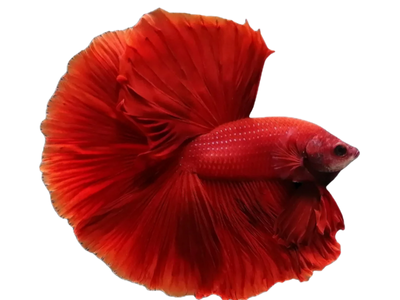
Labyrinth breathers: They can breathe air from the surface, not just through their gills.
Tropical fish: They need consistently warm water, not room temperature.
Solitary nature: Male bettas cannot live with other male bettas.
Carnivores: They require a protein-rich diet, not plant-based flakes.
Sensitive to water changes: Clean, stable water is crucial for long-term survival.
Big Myth to Avoid:
“Bettas can live in small bowls or jars.” Reality: They may survive, but they do not thrive. Bettas need space, proper filtration, and warm water to live a healthy life.
Betta Fish Tank Setup
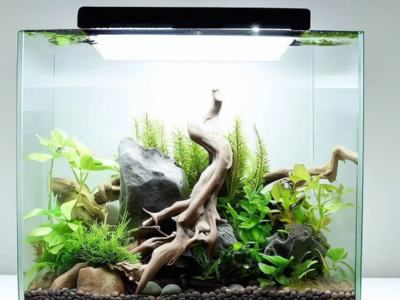
Even though bettas are small, they need plenty of swimming space, hiding spots, and clean water.
Recommended Aquarium Size
Minimum: 5 gallons (19 liters)
Ideal: 7.5 to 10 gallons (for easy maintenance and stability)

Essential Tank Items
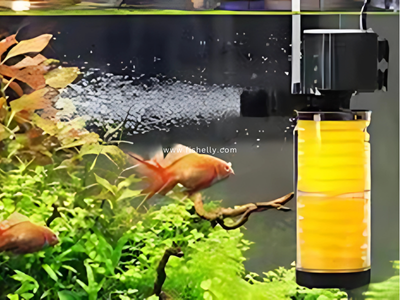
Filter
Removes waste, keeps water stable, prevents toxic ammonia
Heater
Maintains tropical temperature, prevents stress & disease

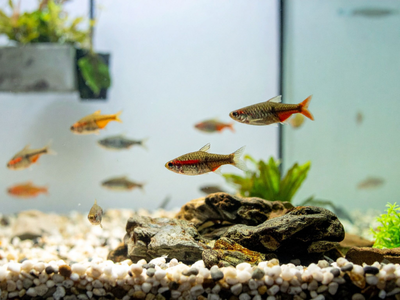
Substrate (gravel/sand)
Makes tank look natural, reduces reflections
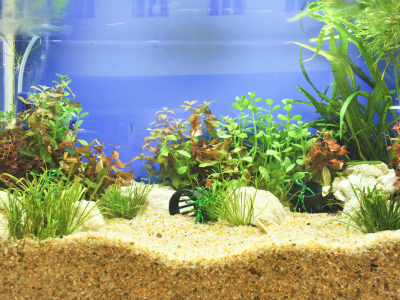
Plants
Reduce stress, improve water oxygenation
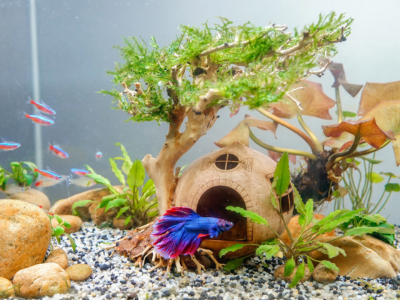
Decorations/Caves
Provide resting and hiding spots
Best Plants for Bettas Fish
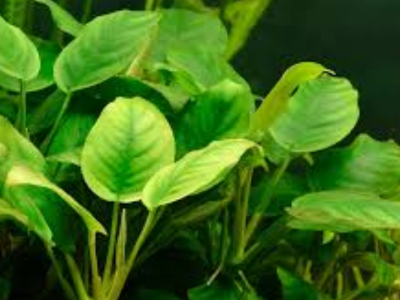
Anubias
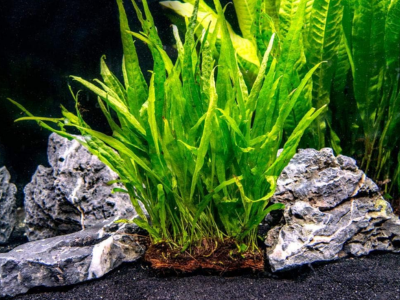
Java Fern
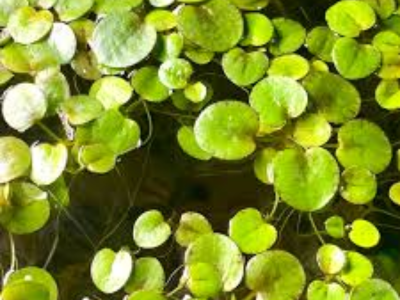
Amazon Frogbit (floating plant)
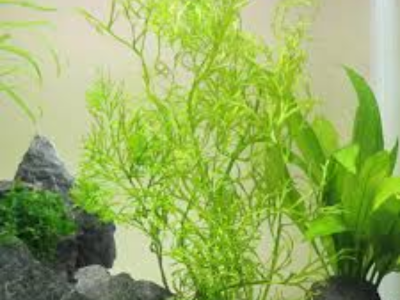
Water Sprite
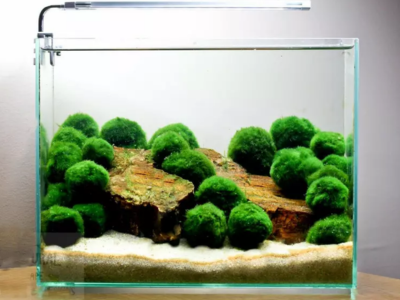
Marimo moss balls
Tip: Bettas rest on leaves—if you see your betta “sitting” on a leaf, that’s normal, not lazy.
Lighting
Moderate is best — too bright = stress, too dark = dull colors
6–8 hours per day is ideal (use a timer if possible)
Perfect Water Conditions for a Healthy Betta
Bettas are sensitive to water chemistry. The goal is not just “clean water” but stable parameters.
Ideal Water Parameters
Temperature: 76°F–82°F (24°C–28°C)
pH Level: 6.5–7.5 neutral range
Ammonia: 0 ppm (very important!)
Nitrite: 0 ppm
Nitrate: Below 20 ppm is safe
Weekly Maintenance
- Change 25–30% water per week
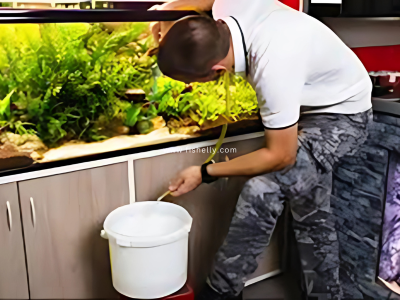
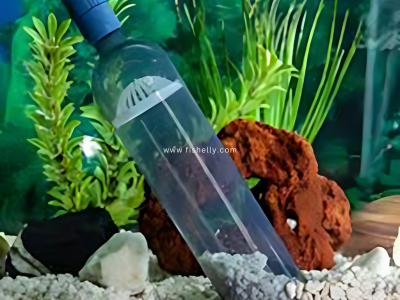
- Siphon debris from the bottom
- Rinse filter sponge in tank water (never tap water)
Why? Tap water and overfeeding lead to ammonia spikes, which burn the fish’s gills and cause sudden death.
Avoid These Water Mistakes
-
Using untreated tap water
-
Changing 100% water at once (causes shock)
-
Keeping bettas in cold water
Always use a water conditioner before adding fresh water
Betta Fish Diet – What to Feed & How Much
Bettas are not vegetarian they are carnivorous. Proper diet keeps their colors bright and prevents sickness.
Recommended Foods
High-quality betta pellets (main food)
Frozen/live foods (treats):
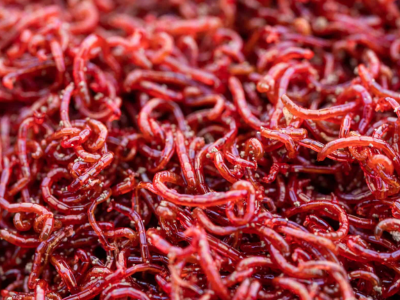
- Bloodworms
- Daphnia
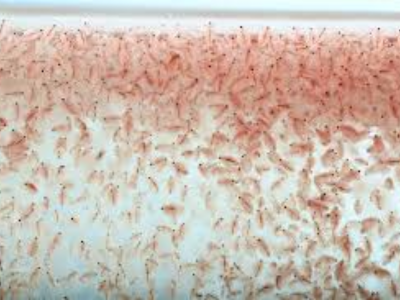
- Brine shrimp

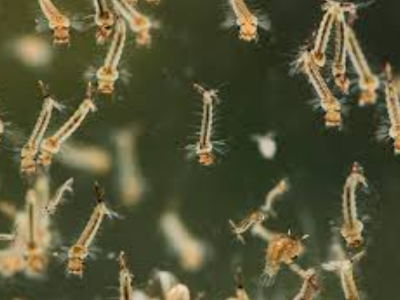
- Mosquito larvae
Feeding Schedule
-
2 small meals per day
-
3–5 pellets per feeding
-
1 fasting day per week (prevents bloating)
Warning: Overfeeding leads to bloating, constipation & swim bladder disorder. Bettas will act hungry, but don’t fall for it!
Choosing Tank Mates – Who Can Live With a Betta?
Male bettas can be territorial, but they can still have companions if chosen correctly.
Safe Tank Mates
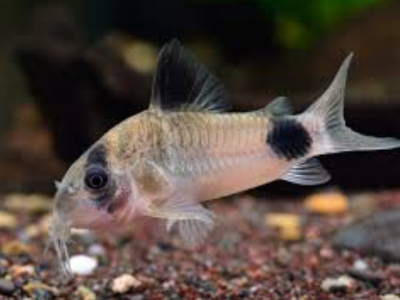
- Corydoras catfish
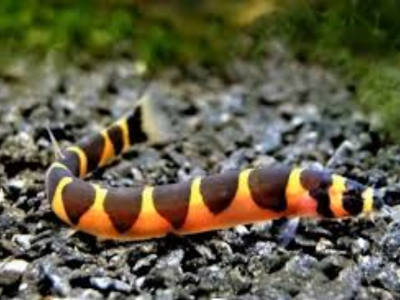
- Kuhli loaches
Never Add These
- Male bettas (they will fight)
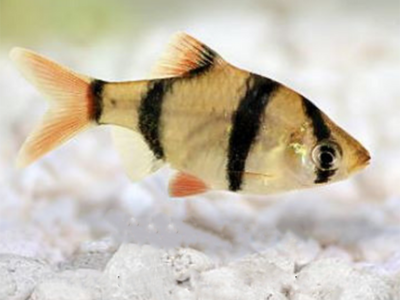
- Fin nippers like tiger barbs
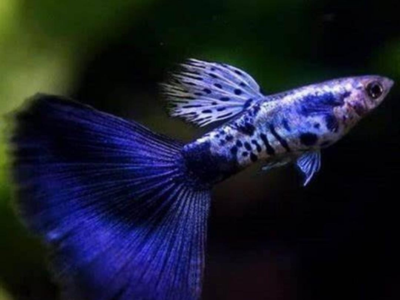
- Long-finned guppies (bettas mistake them as rivals)
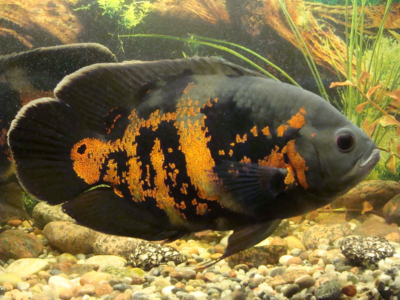
- Aggressive or fast fish
If aggression occurs, separate immediately.
Betta Fish Fun Facts & Special Behaviors
-
Bettas create bubble nests when happy—this is normal and healthy.
-
They flare their gills to show dominance or excitement.
-
Their color can lighten when stressed or darken when confident.
-
They sleep - yes! - often resting on leaves or decorations.
Betta Fish Color & Tail Variations
Bettas are available in multiple styles and patterns like:
-
Halfmoon
-
Crowntail
-
Veiltail
-
Plakat (short fin, fighter style)
-
Double tail
-
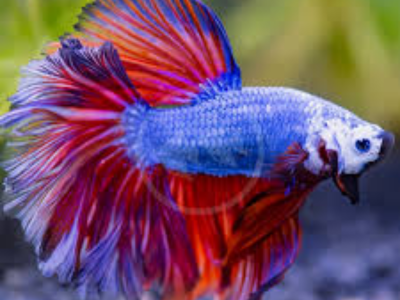
Marble & koi pattern
Each variation has different care sensitivity based on fin size—larger fins need calmer water to avoid damage.
Faq
1. What tank size is best for a Betta fish?
A Betta fish should be kept in a minimum 5-gallon tank. For better stability and easier maintenance, 7.5 to 10 gallons is ideal.
2. Can a Betta fish live in a bowl or jar?
No. Bettas may survive in bowls, but they don’t thrive. They need space, warm water, and filtration to stay healthy and active.
3. Do Betta fish need a heater?
Yes. Bettas are tropical fish and need a water temperature between 76°F–82°F (24°C–28°C). Cold water weakens their immune system.
4. How often should I change Betta tank water?
Perform 25–30% water changes weekly to maintain water quality and prevent toxic ammonia buildup.
5. What do Betta fish eat?
Bettas are carnivores. Feed them protein-rich pellets as their main diet, along with treats like bloodworms, daphnia, or brine shrimp.
6. Can I keep two male Bettas together?
No. Male Bettas are territorial and will fight. Never house two males in the same tank.
7. Can Bettas have tank mates?
Yes, but carefully chosen ones. Good options include corydoras, kuhli loaches, snails, and shrimp. Avoid fin-nippers and long-finned fish.
8. Why is my Betta building a bubble nest?
A bubble nest means your Betta is comfortable and content. It’s a normal behavior showing they feel safe and healthy.
9. How many times a day should I feed my Betta?
Feed two small meals per day (3–5 pellets per meal) and include one fasting day per week to prevent bloating.
10. Why is my Betta’s color fading or becoming pale?
Color fading can happen due to stress, cold water, poor water quality, or illness. Check temperature, water conditions, and feeding routine.
Conclusion
Caring for a betta fish is more than owning a pet - it’s about providing a safe, healthy environment where it can thrive. With the right tank size, warm and clean water, gentle filtration, and a proper protein-based diet, bettas display vibrant colors, active behavior, and a confident personality. They are intelligent, sensitive fish that deserve more than a small bowl or jar. When cared for correctly, a betta can live a long, stress-free, and joyful life, becoming a beautiful and peaceful companion in your home.