Blood Parrot Fish Care Guide - Tank Size, Diet, Lifespan & Tips
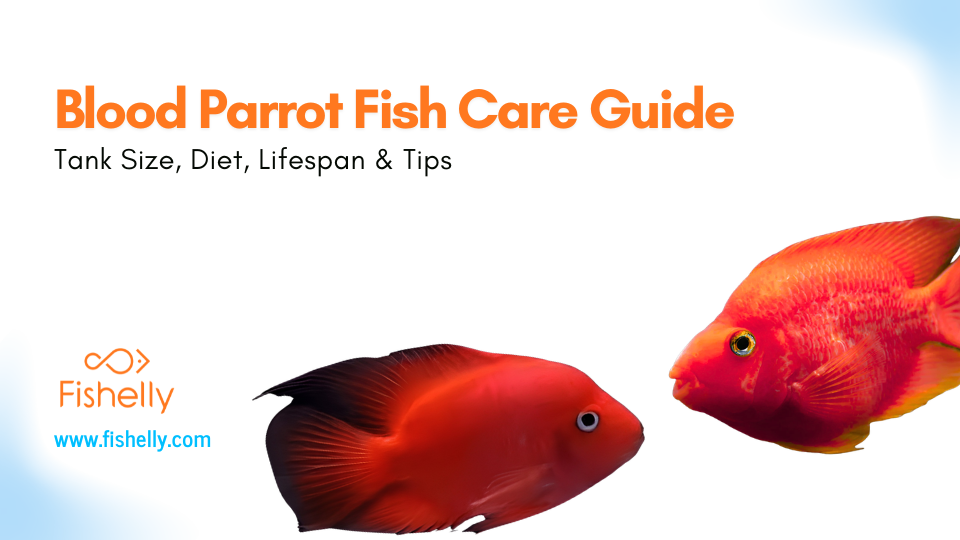
Learn how to care for Blood Parrot Fish with this complete guide covering tank size, water parameters, diet, lifespan, tank mates, diseases, and maintenance tips.
- Natural Habitat of Blood Parrot Fish
- Lighting & Water Appearance
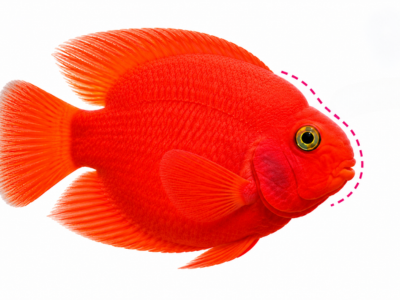
- Head Shape Comparison
- Ideal Tank Conditions
- Filtration & Maintenance
- Weekly Maintenance
- Plants & Decorations
- Lifespan
- Male vs Female Blood Parrot Fish
- Food & Feeding
- Behavior & Personality
- Compatible Tank Mates
- Health & Common Diseases
- Tips for Healthy Blood Parrot Fish
- Faq
- Conclusion
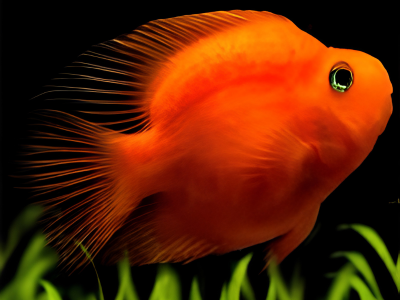
The Blood Parrot Fish is one of the most popular and eye-catching freshwater aquarium fish, loved for its bright colors, unique round body, and friendly personality. As a hybrid cichlid, it is known for being active, curious, and able to recognize its owner, making it a favorite among both beginners and experienced fishkeepers. Although they are relatively easy to care for, Blood Parrot Fish need a spacious aquarium, clean and stable water, proper filtration, and a balanced diet to stay healthy. With the right care and a well-maintained environment, these beautiful fish can thrive and become a colorful centerpiece in your aquarium for many years.
Natural Habitat of Blood Parrot Fish
Blood Parrot Fish are not found in rivers or lakes in the wild. They are hybrid fish that were bred by humans. However, their parent fish come from warm freshwater rivers and lakes in Central America.
To make your Blood Parrot feel comfortable, try to create a tank that looks natural.
A good aquarium should include:
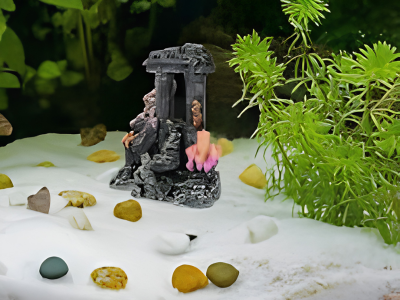
- Smooth rocks
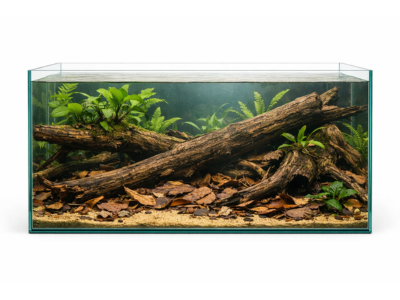
- Driftwood
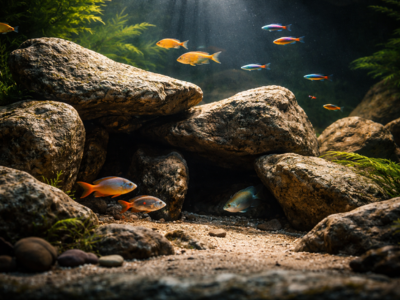
- Caves for hiding
- Open swimming space
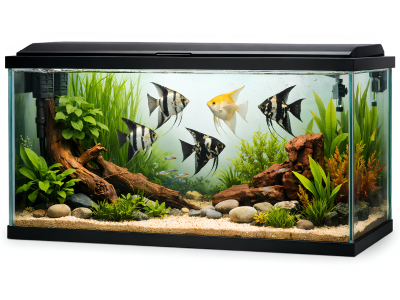
- Live or artificial plants

A natural setup helps reduce stress and allows your fish to behave more naturally.
Lighting & Water Appearance
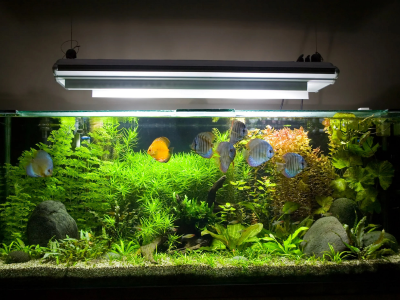
Blood Parrot Fish do not like very bright lighting. Soft lighting helps them feel safe and brings out their beautiful colors.
Best Lighting
-
Soft to medium light
-
Keep the lights on for 6 - 8 hours each day
-
Floating plants can reduce strong light
-
Avoid very bright lights without shaded areas
Water Appearance
The water should always be:
- Clean and clear
-
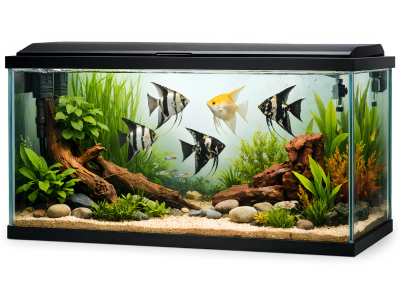
Well-oxygenated
-
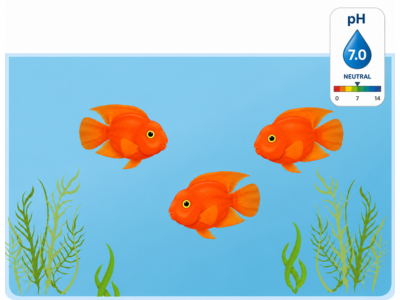
Soft and slightly acidic
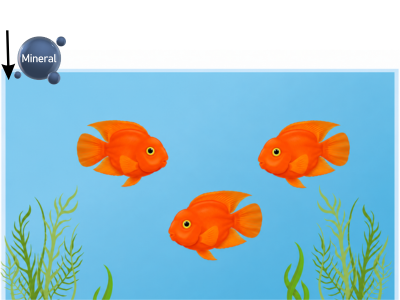
- Low in minerals
Ideal Tank Conditions
Keeping the water stable is one of the most important parts of Blood Parrot Fish care.
| Water Parameter | Ideal Range |
|---|---|
| Temperature | 24–28°C (75–82°F) |
| pH | 6.5–7.8 |
| Hardness | 6–18 dGH |
| Ammonia | 0 ppm |
| Nitrite | 0 ppm |
| Nitrate | Below 20 ppm |
Instead of trying to make the water perfect every day, focus on keeping the conditions stable.
Tank Size
Blood Parrot Fish grow much larger than many aquarium fish. Giving them enough space helps them stay healthy and reduces aggression.
| Aquarium Setup | Recommended Size |
|---|---|
| One Blood Parrot | 40–55 Gallons |
| Two Blood Parrots | 75 Gallons |
| Community Aquarium | 75–125 Gallons |
A larger aquarium provides:
-
More swimming space
-
Better water quality
-
Less stress
-
Easier maintenance
Filtration & Maintenance
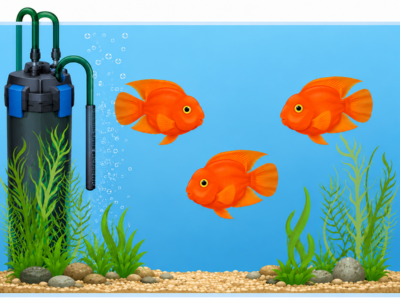
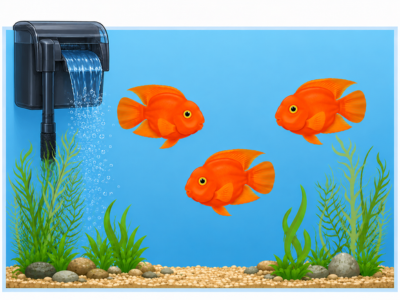
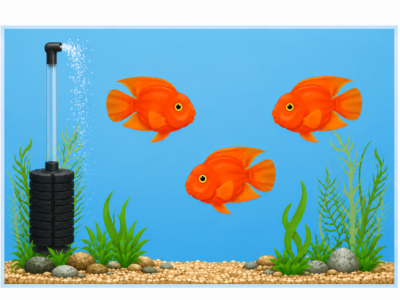
Blood Parrot Fish produce a lot of waste, so a good filter is very important. Good filter options include:
- Canister filters
- Hang-on-back filters
- Sponge filters for extra biological filtration
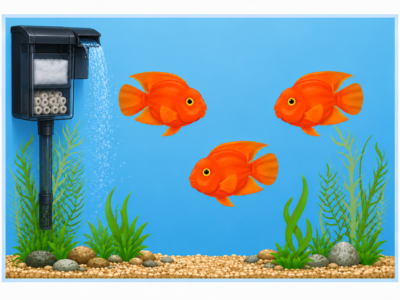
Your filter should provide:
- Mechanical filtration
- Biological filtration
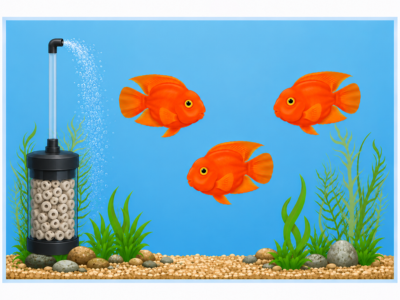
- Gentle water flow
Avoid very strong water currents because Blood Parrot Fish are not strong swimmers.
Weekly Maintenance
Regular maintenance keeps your fish healthy and your aquarium clean.
Every week:
- Change 25–30% of the water
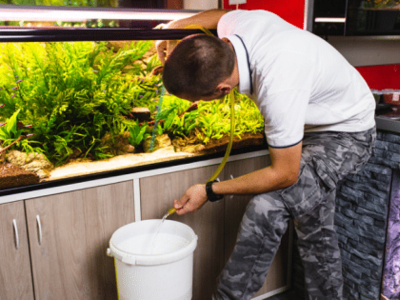
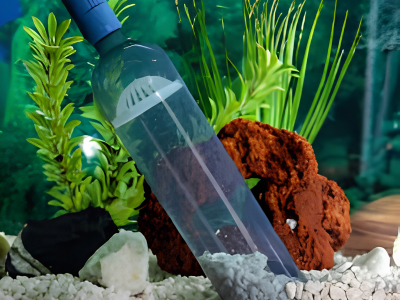
- Vacuum the gravel
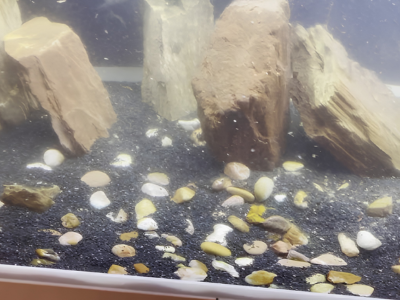
- Remove leftover food
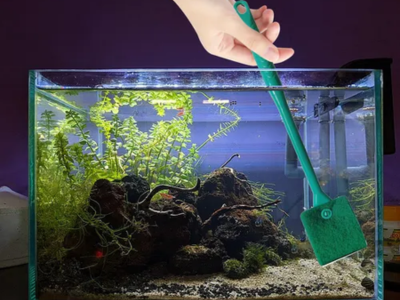
- Clean algae from the glass
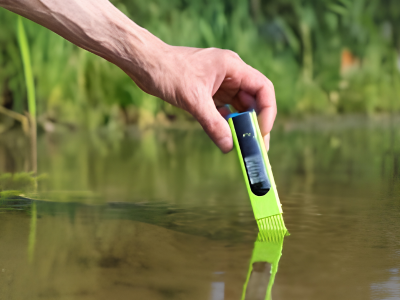
- Test the water
-
Remove dead leaves from plants
-
Check that the filter is working properly
Once a month:
-
Clean the filter media using aquarium water
-
Never wash filter media under tap water because it kills beneficial bacteria
Plants & Decorations
Blood Parrot Fish enjoy exploring their surroundings and hiding inside caves.
Good plants include:
- Anubias
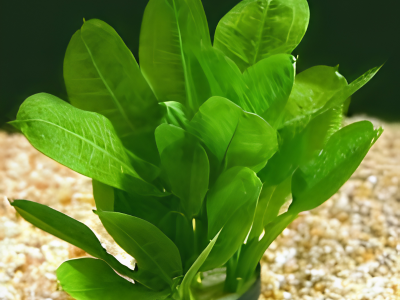
- Java Fern
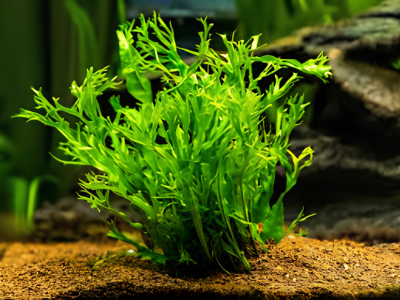
- Amazon Sword
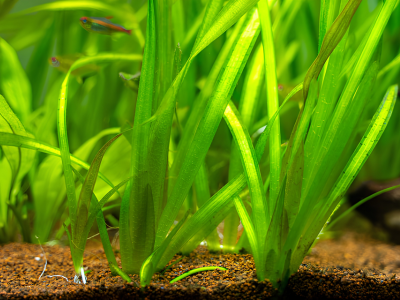
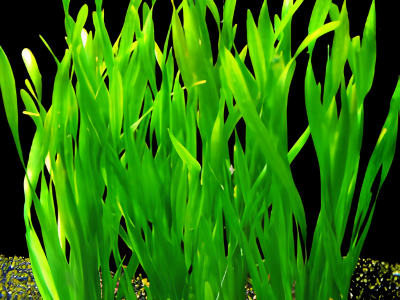
- Vallisneria
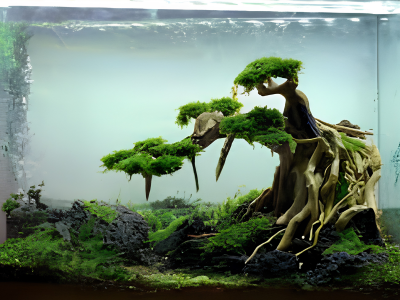
- Java Moss
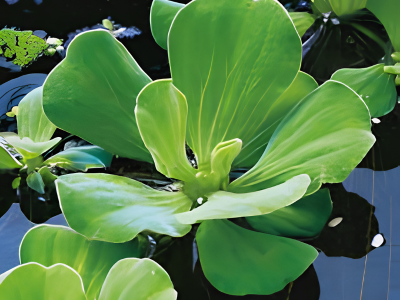
- Floating plants
Good decorations include:
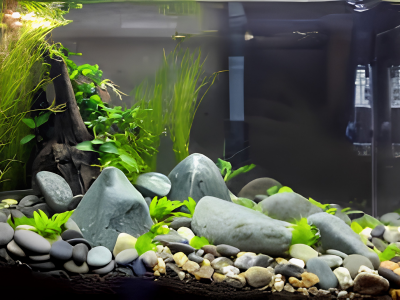
- Smooth rocks
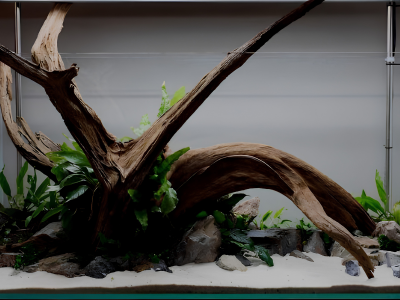
- Driftwood
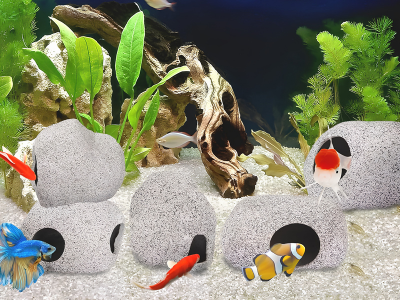
- Ceramic caves
-
Rounded decorations
-
Open swimming areas
Avoid sharp decorations that could damage their mouth.
Lifespan
Blood Parrot Fish can live for 10 - 15 years with proper care. A healthy environment and regular maintenance help them stay active and live longer.
Key Factors for a Long Life:
-
Clean and stable water
-
Balanced diet
-
Regular tank maintenance
-
Low-stress environment
Male vs Female Blood Parrot Fish
It can be difficult to tell males and females apart when they are young.
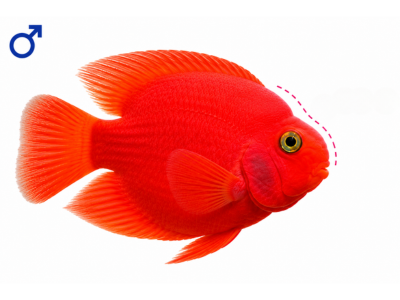
Male
-
Slightly larger body
-
Longer dorsal and anal fins
-
May develop a small hump on the head
-
Pointed breeding tube
Female
-
Rounder body
-
Shorter fins
-
Fuller belly before laying eggs
-
Round breeding tube
Food & Feeding
Blood Parrot Fish are omnivores, which means they eat both plant and animal-based foods.
Best Foods
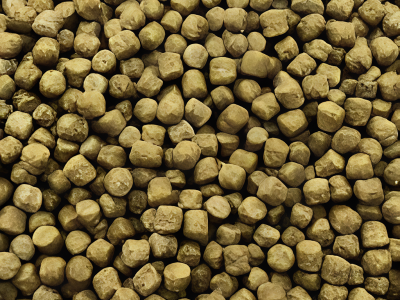
- High-quality cichlid pellets
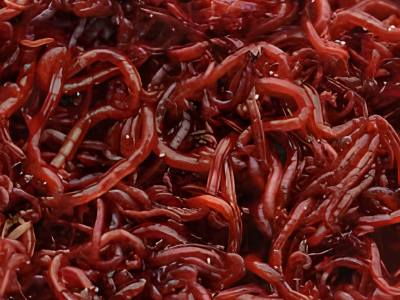
- Bloodworms
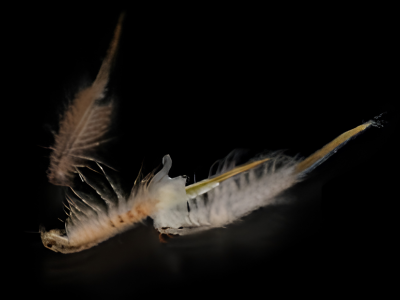
- Brine shrimp
- Krill
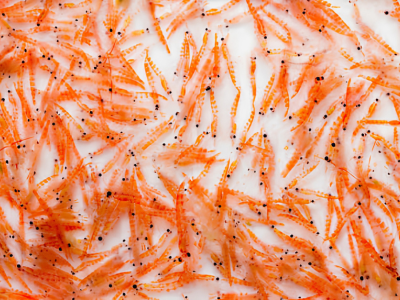
- Spirulina

- Shelled peas

Feeding Schedule
Juveniles
- Feed 2 - 3 small meals each day.
Adults
- Feed 1–2 times daily.
Only give as much food as they can finish within 2–3 minutes.
Behavior & Personality
Blood Parrot Fish are active, curious, and friendly. They often interact with their owners and enjoy exploring the aquarium.
You may notice them:
-
Swimming to greet you
-
Begging for food
-
Moving gravel around
-
Exploring caves
-
Defending their favorite hiding place
They are usually peaceful but may become slightly territorial during breeding.
Compatible Tank Mates
Blood Parrot Fish do well with peaceful fish that are similar in size.
Good tank mates include:
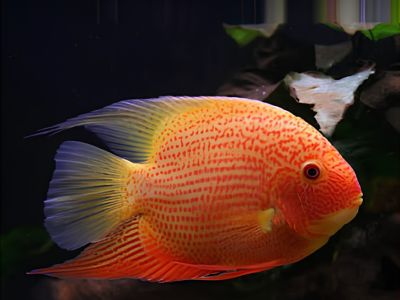
- Severum
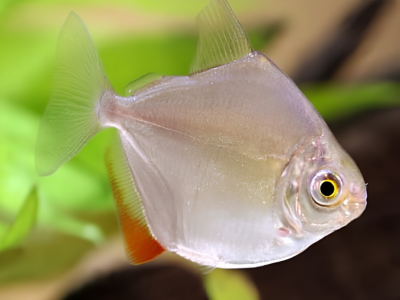
- Silver Dollars
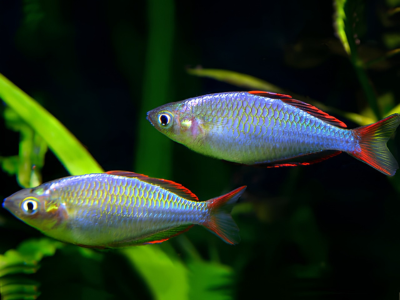
- Rainbowfish
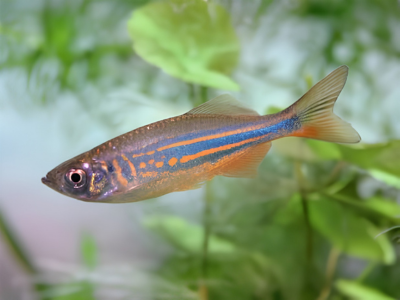
- Giant Danios
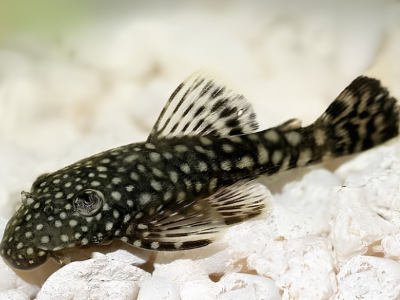
- Bristlenose Plecos
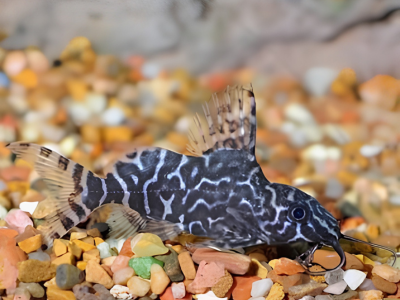
- Synodontis Catfish
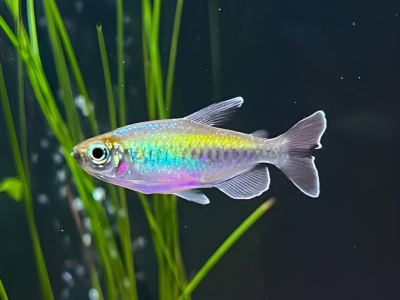
- Congo Tetras
Avoid keeping them with:
-
Fin-nipping fish
-
Very aggressive cichlids
-
Tiny fish that may be eaten
-
Highly territorial species
Health & Common Diseases
Even healthy Blood Parrot Fish can become sick if water quality is poor.
Common diseases include:
Ich (White Spot Disease)
Signs:
-
White spots on the body
-
Scratching against objects
-
Fast breathing
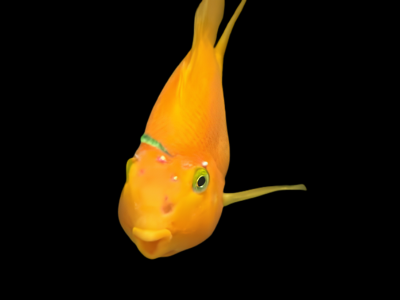
Fin Rot
Signs:
-
Damaged fins
-
White edges on fins
-
Fins slowly disappearing
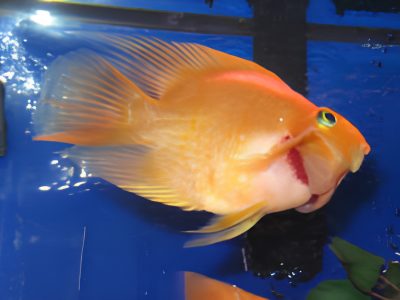
Swim Bladder Disorder
Signs:
-
Trouble swimming
-
Floating sideways
-
Sinking to the bottom
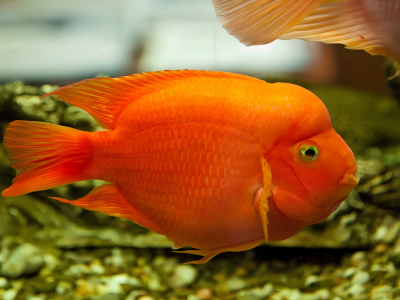
Hole-in-the-Head Disease
Signs:
-
Small holes on the head
-
Loss of appetite
-
Low activity
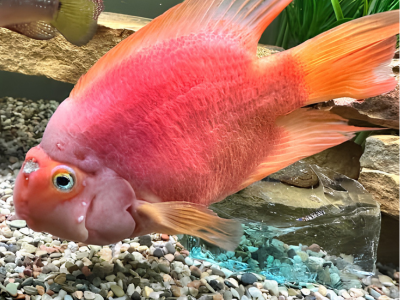
Bacterial Infections
Signs:
-
Red sores
-
Swollen body
-
Cloudy eyes
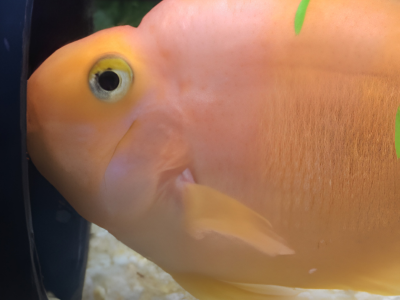
Treat illnesses early to improve the chances of recovery.
Tips for Healthy Blood Parrot Fish
Keeping your Blood Parrot healthy is simple if you follow a few basic rules.
-
Keep the water clean.
-
Feed a balanced diet.
-
Avoid overfeeding.
-
Perform regular water changes.
-
Quarantine new fish before adding them.
-
Reduce stress by providing hiding places.
-
Test the water regularly.
-
Watch your fish every day for unusual behavior.
Good care is always better than treating diseases later.
Faq
1. Are Blood Parrot Fish good for beginners?
Yes, Blood Parrot Fish are suitable for beginners who can maintain stable water quality, provide a spacious tank, and perform regular maintenance.
2. How big do Blood Parrot Fish grow?
Blood Parrot Fish typically grow 8–10 inches (20–25 cm) when fully mature, depending on their care and diet.
3. What is the ideal tank size for a Blood Parrot Fish?
A single Blood Parrot Fish needs at least a 40–55 gallon aquarium. Larger tanks are recommended for multiple fish or community setups.
4. What do Blood Parrot Fish eat?
They are omnivores and eat high-quality cichlid pellets, Blood Parrot pellets, bloodworms, brine shrimp, krill, spirulina, and vegetables like shelled peas.
5. How often should I feed Blood Parrot Fish?
Feed juveniles 2 - 3 small meals daily and adults 1 - 2 times a day, only as much as they can eat within 2 - 3 minutes.
6. Can Blood Parrot Fish live with other fish?
Yes, they can live with peaceful fish of similar size, such as Severums, Silver Dollars, Rainbowfish, Geophagus, and Bristlenose Plecos.
7. How long do Blood Parrot Fish live?
With proper care, Blood Parrot Fish can live 10–15 years or even longer in a healthy aquarium.
8. What water temperature is best for Blood Parrot Fish?
The ideal water temperature is 24–28°C (75–82°F) with stable water conditions.
9. How can I tell if my Blood Parrot Fish is sick?
Common signs include white spots, damaged fins, difficulty swimming, loss of appetite, cloudy eyes, rapid breathing, and unusual behavior.
10. How often should I change the water?
Perform a 25 - 30% water change every week to maintain clean water and reduce harmful waste buildup.
11. Do Blood Parrot Fish need live plants?
No, but live plants such as Anubias, Java Fern, Amazon Sword, and Vallisneria can improve water quality and provide natural hiding places.
12. Are Blood Parrot Fish aggressive?
Blood Parrot Fish are generally peaceful but may become mildly territorial, especially during breeding or when protecting their favorite hiding spots.
Conclusion
Blood Parrot Fish are beautiful, intelligent, and interactive freshwater fish that make an excellent choice for aquarium enthusiasts of all experience levels. By providing a spacious tank, stable water conditions, high-quality filtration, a nutritious diet, and regular maintenance, you can keep them healthy, active, and full of vibrant color. Creating a stress-free environment with suitable tank mates and plenty of hiding spaces will help them display their natural behavior and playful personality. With proper care and attention, Blood Parrot Fish can live a long and happy life, bringing beauty and enjoyment to your aquarium for 10 = 15 years or even longer.