Discover Betta Fish: Small, Vibrant & Expressive Aquarium Beauties
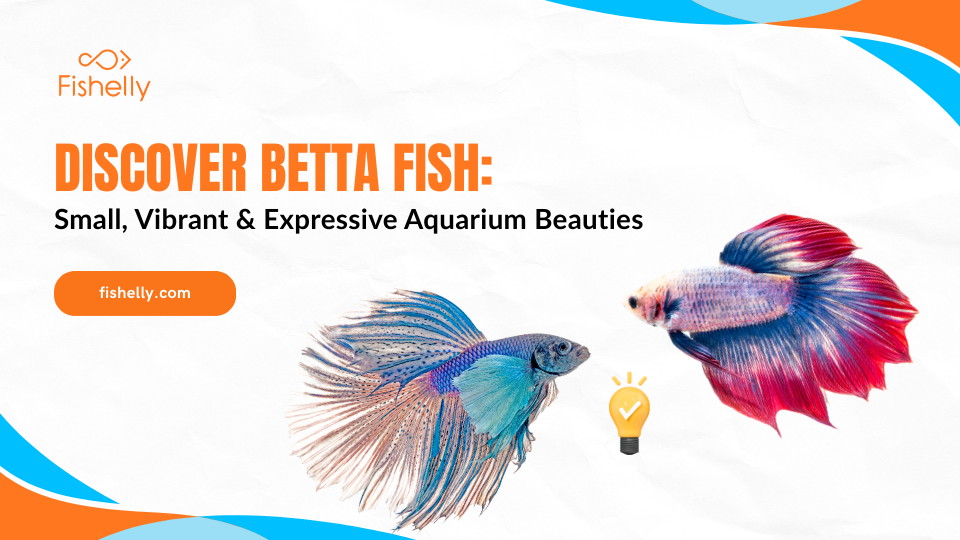
Discover small, vibrant Betta fish with stunning colors and bold personalities. Learn care tips, tank setup, diet, behavior, and habitat essentials for a healthy, happy aquarium.
Table of Contents
- What Is a Betta Fish?
- Where Do Bettas Live in Nature?
- Ideal Tank Setup & Environment
- What Are Betta Fish's Diets?
- Betta Behavior & Personality
- Tank Mates: Can Bettas Live With Others?
- Health, Lifespan & Signs of Problems
- Why Are Betta Fish So Popular?
- Faq
- Conclusion
There are several aquarium pets, but betta fish or Siamese Fighting Fish are among the most favored by people worldwide. The beauty that lies in their fins, colors, and personality makes them less than just "fish" and gives people the impression that they are tiny aquatic characters. But behind the beauty lies a vibrant history of this species, particular behavior, and particular needs every owner should know.
What Is a Betta Fish?
Originally bred in Southeast Asia, bettas are small freshwater fighter fish. They were cultivated for aggressiveness and allowed to compete territorially. Today, however, most bettas are known for their extravagant colors, flowing fins, and interactive nature, making them popular as both display and companion fish.
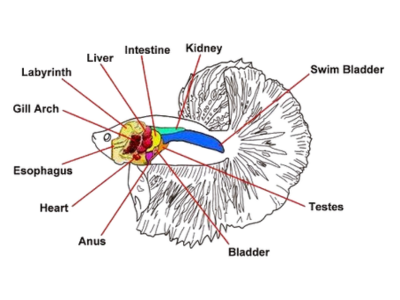
Key Characteristics of Bettas
Brilliant colors:
Blue
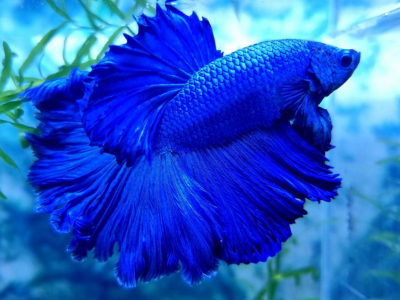
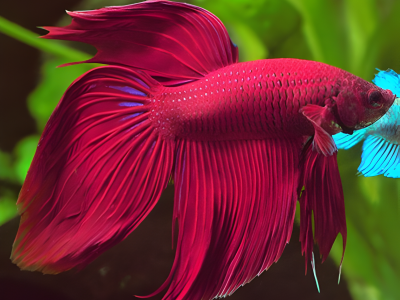
Red
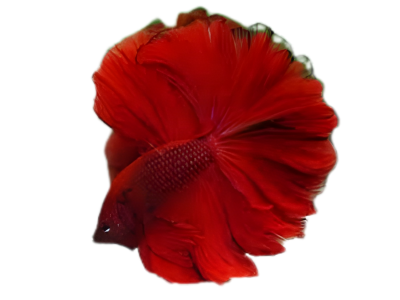
Purple
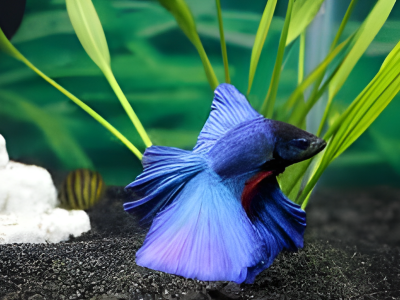
Green
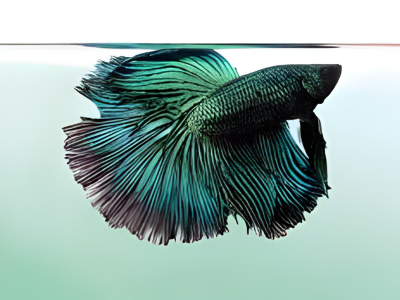
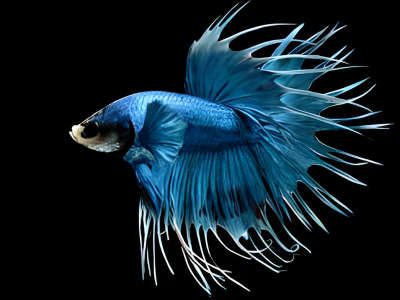
Majestic fins:
veil tail,
crowntail
halfmoon
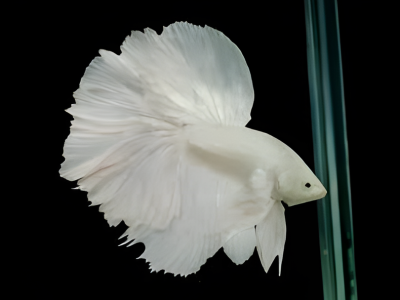
dumbo ear
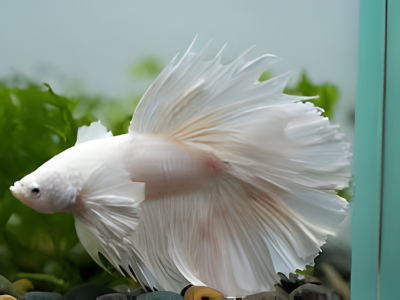
rosetail
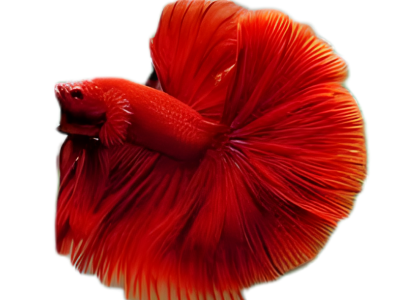
Big personality: each betta behaves differently-some curious, some shy, some bold
Males vs females: males have larger, flowing fins; females have shorter-finned but colorful and active
These fish are not just beautiful, but in fact they are also quite intelligent and recognize their owners.
Where Do Bettas Live in Nature?
Each warm, shallow waters in Southeast Asia comes from such countries as:
-
Thailand
-
Indonesia
-
Vietnam
-
Cambodia
-
Laos
-
Bettas' Natural Habitat
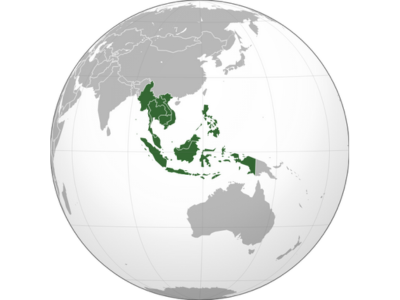
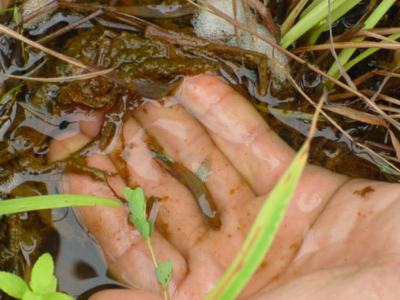
Wild bettas live in:
- Rice paddies
-
Floodplains and shallow ponds
-
Slow-moving streams
-
Warm wetlands full of plants
These waters are calm and low-flow, which explains why bettas dislike strong currents. They have a special breathing organ called a labyrinth organ, allowing them to breathe air from the surface - this helps them survive in oxygen-poor water.
Ideal Tank Setup & Environment
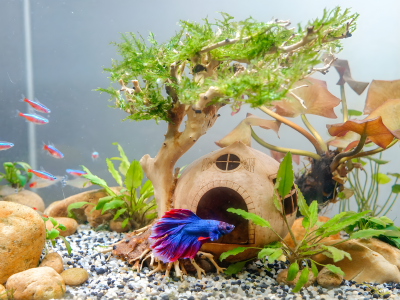
Bettas come from shallow waters, but that doesn't mean they don't require the space: they'd need a tank, not a bowl.
Requirement Ideal Range
Tank Size: Minimum 10 litres (preferably 15 - 30L)
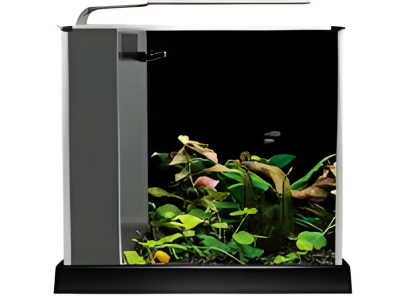
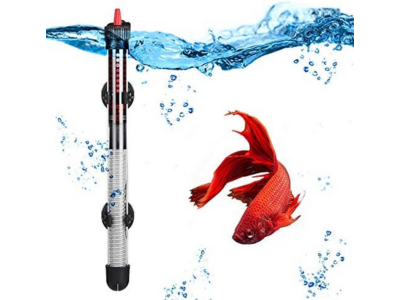
Temperature: 26°C-28°C (warm water is essential)
Filter: Gentle flow, no strong currents

Heater: Yes - bettas are tropical fish
Water pH: 6.5-7.5
Lighting: Moderate, with day-night cycle
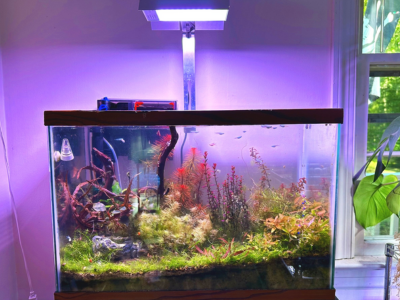
Decor: Live plants, caves, smooth décor (no sharp edges)
Why Bowls Are Not Recommended
-
No space to swim
-
Water quickly becomes dirty and toxic
-
No heating = temperature shock
Shortens lifespan
A proper tank could drastically improve their health and their then vibrancy of color.
What Are Betta Fish's Diets?
Bettas are carnivores. The diet must contain high protein and animal-based ingredients-they can't live with plant-only foods.
Suggested Foods
- Pellets made specially for bettas

- Fresh or frozen brine shrimp

- Bloodworms

Feeding tip: these fish have small stomachs-about the size of their eye. Tiny meals twice a day will suffice.
Betta Behavior & Personality
Bettas are quite expressive. Their fins will flare out to demonstrate when they are excited, show defensiveness, or otherwise assert dominance. They might also check out, patrol, or interact with their owner through the glass.
Behaviors Most Common Explained
Flaring: showing dominance or excitement
Resting on leaves: especially on "betta hammocks"
Bubble nest: a male will make these in preparation for future eggs. This is evidence of confidence.
Following movement: they recognize their owners
Jumping: bettas can jump! Always keep a tank lid.
Tank Mates: Can Bettas Live With Others?
Yes-all it takes is the right tank mates. Of course, never put in a single tank another male betta.
Approved Tankmates
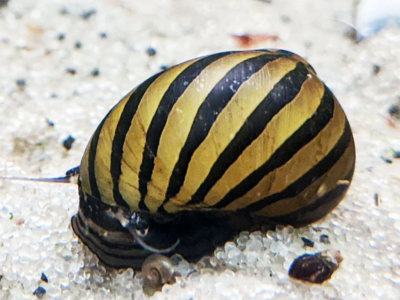
Nerite snails-Mystery snails
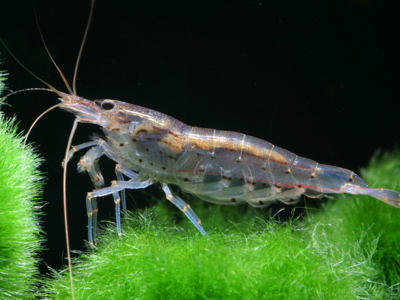
Amano shrimps
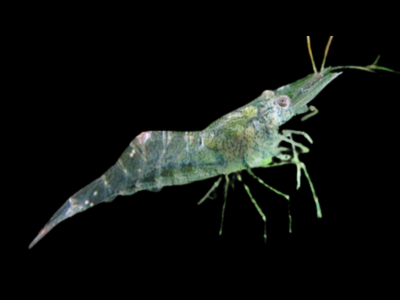
Ghost shrimps
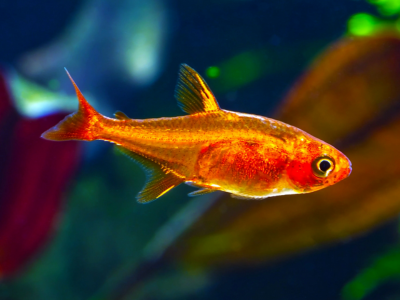
Shy schooling fish like the Ember Tetra.
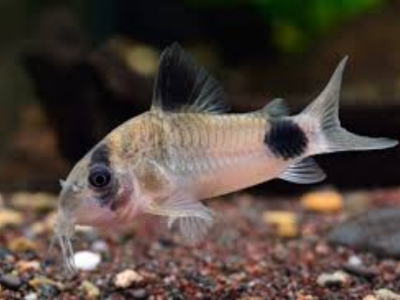
Bottom dweller: Corydoras
Avoid
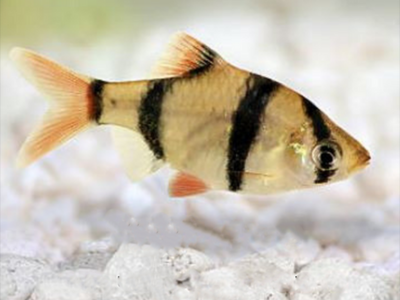
Fin-nippers (Tiger Barbs)
Bright long-finned fish
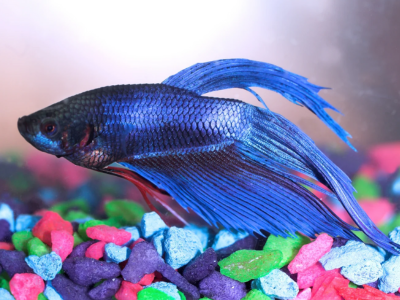
Health, Lifespan & Signs of Problems
With proper care, a healthy betta can survive between three and five years; it can live even longer in superior conditions.
Health Warning Signs
Clamped fins
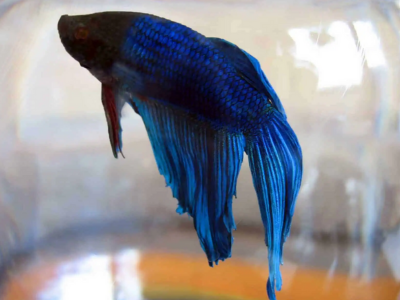
Loss of color
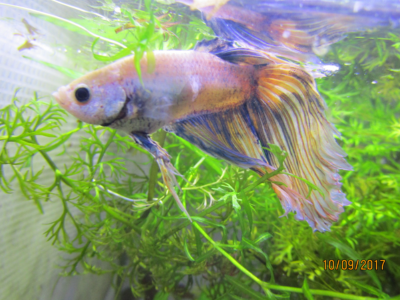
White spots (ich)
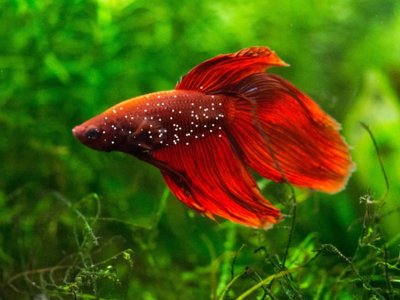
Torn fins (fin rot)
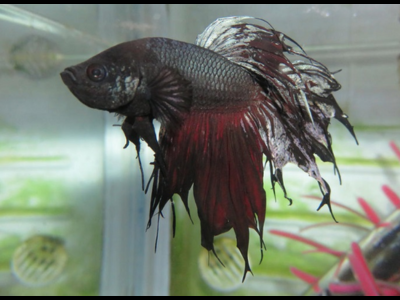
Prevention Tips
-
Weekly water change (25-30%)
-
Avoid overfeeding
-
Condition water
-
Stable temperature.
Why Are Betta Fish So Popular?
Betta fish attract beginners, enthusiasts, and even kids because they feel more like a pet than just an aquarium showpiece. Their look, personality, and interaction make them stand out.
Reasons They’re Loved
-
Vibrant, expressive, and full of personality
-
They recognize their owners and interact actively
-
Males make bubble nests, showing unique natural behaviour
-
Females are calmer and less colorful, while males are bright and striking
-
Come in many stunning color patterns and fin styles
According to some aquarists, these bettas feel like little friends underwater, not merely ornamental fish.
Faq
1. Are betta fish easy to take care of?
Yes, betta fish are considered beginner-friendly, but they still need proper space, warm water, a filter, and the right diet to stay healthy and colorful.
2. Can a betta fish live in a bowl?
No, bowls are not recommended. They lack space, filtration, and heating. A tank of 10–30 litres with a heater and gentle filter is ideal for a betta’s wellbeing.
3. Do betta fish need a heater?
Yes. Bettas are tropical fish and need 26°C–28°C. Without a heater, they can get sick, lose color, and become inactive.
4. Can you keep two male bettas together?
No. Male bettas are territorial and will fight. Only one male per tank. Female groups (sororities) require experience, space, and monitoring.
5. What should I feed my betta fish?
High-protein betta pellets, brine shrimp, bloodworms (occasionally), and daphnia. Avoid plant-only foods and goldfish food.
6. Why is my betta making a bubble nest?
Bubble nests are normal! It means the betta is confident and comfortable. Males build them when they are healthy and feel safe.
7. Can betta fish live with tank mates?
Yes, but choose peaceful species like snails, Amano/ghost shrimp, Ember tetras, or Corydoras. Avoid fin-nippers or other flashy fish that cause aggression.
8. How long do betta fish live?
With proper care, bettas live 3–5 years, sometimes longer (up to 6+ years) with excellent tank conditions.
9. Why is my betta’s color fading?
Fading color may be due to stress, poor water quality, cold temperature, illness, or diet issues. Check water parameters and tank setup immediately.
10. Can bettas recognize their owners?
Yes! Bettas can learn movement patterns, follow your finger, respond to feeding routines, and even show excitement when they see you.
Conclusion
Betta is a vibrant pet in any aquarium: colorful, intelligent, expressive, and full of personality. Proper tank setup, plus warm and gentle care with a high-protein diet, allows bettas to live at their best and show their true beauty. They react by learning their environment, recognize their owners, and even build bubble nests when they feel confident. They are small but bring much presence to any room and create a very special connection with whoever tenders them. It's not getting proper space and attention to good fishkeeping; it's turning a simple pet into a truly colorful living companion.