Fast vs. Slow Goldfish: Care, Feeding & Compatibility Guide

Learn the differences between fast and slow goldfish. Get expert care tips, feeding advice, and compatibility insights to help both thrive in tanks or ponds.
Table of Contents
- What Makes a Goldfish Fast or Slow?
- Fast-moving Goldfish-A Speedy Swim and Endurance
- Slow-Moving Goldfish: Grace and Elegance
- Feeding Challenges in Mixed Groups
- Compatibility and Tankmate Considerations
- Breeding Differences
- Which Is Right for You?
- Faq
- Conclusion
More diverse than most are willing to concede, goldfish present interesting challenges in their care not only on the basis of colors and tail shapes, but an important distinction is swimming speed. Fast goldfish are the hyperkinetic swimmers that dart across the tank as if they were athletes competing for medals, while most goldfish slowly glide, engaging in an act similar to having the grace of floating decorations.
It is, therefore, very helpful to determine whether your goldfish is fast or slow since this affects tank design, diet, companions, and health in general.
What Makes a Goldfish Fast or Slow?
The swimming speed of a goldfish comes down to body shape, tail shape, and fin structure.
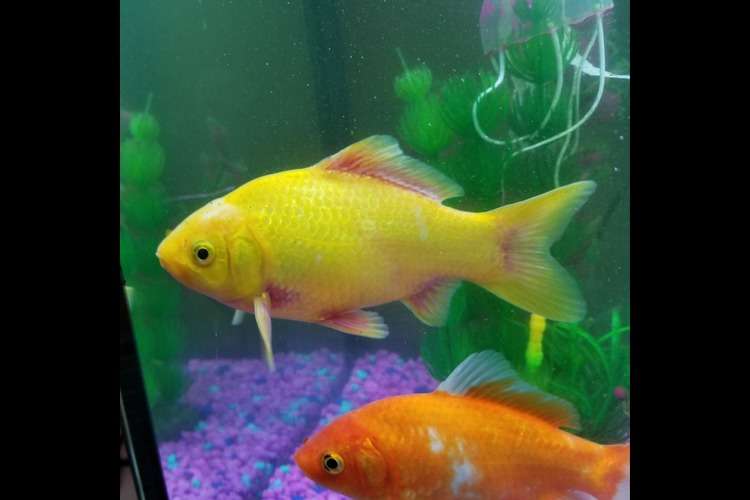
Fast goldfish have a streamlined body and long tail fins and are basically designed for quick movements.

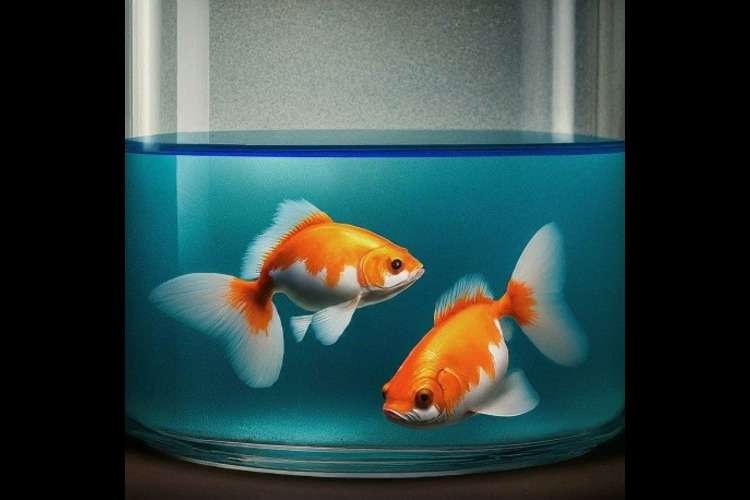
Slow goldfish have rounder bodies, shorter swimming muscles, and ornamental fins that act like underwater parachutes, opposing their direction of motion.

A bit like comparing a racer with a luxury cruise ship: both are beautiful marvels, but built for exquisite yet entirely different purposes.
Fast-moving Goldfish-A Speedy Swim and Endurance
Some examples might include:
• Comet Goldfish

• Shubunkin

• Common Goldfish

Physical Qualities:
• Lean, elongated bodies.
• Long, pointed tail fins.
• Little in the way of ornamental head and body features (more streamlined).
Behavior:
• Constant swimmers exploring every nook and cranny of the tank or pond
• Competitive for food
• Thrive in outdoor ponds where they can run free
Care Regime:
• Best to house in at least a 30-gallon tank; larger ponds are ideal.
• A moderate to strong water current is highly beneficial.
• Essentially omnivorous yet benefiting from a good mixture of pellets, veggies, and some protein
Pros:
• Very hardy and adaptable
• Fun to watch
• Very temperature-tolerant
Cons:
• Food competition with slower fish
• A possible source of stress for delicate species
• They might jump more often when startled
Slow-Moving Goldfish: Grace and Elegance
Some examples of slow movers are:
• Fantail Goldfish

• Oranda Goldfish

• Ryukin Goldfish

• Ranchu Goldfish

Physical Attributes:
• Small, egg-shaped bodies
• Double tail fins for elegance but reduced propulsion
• Often have ornamental head growths (wen) or elaborate fins
Behavior:
• Slower and more deliberate
• Hovering, gliding, or simply sitting
• Non-aggressive and calm-at-feeding time
Care Requirements:
Tank size: 20-30 gallons per fish
Water Movement: Gentle filtration only, no strong currents to tire them out
Feeding: The sinking pellets or gel food to prevent gulping of excess air that causes swim bladder troubles
Pros:
• Peaceful contributors to calm community tanks
• Gorgeous ornamental shapes
• Easier to watch up close
Cons:
• Slower metabolism; health issues arise when overfed
• Delicate fins prone to injury
• In a mix with faster species, easily outcompeted for food
Feeding Challenges in Mixed Groups
Feeding fast and slow goldfish together is problematic:
Fast movers charge to the food and consume it rapidly
Slow movers often get only leftovers, which are sometimes insufficient for their health
Solutions:
Feed in divided areas of the same tank
Use sinking pellets for the slow-moving and floating food for the fast-moving
Temporarily separate species for feeding, with a divider or feeding ring
Compatibility and Tankmate Considerations
Fast-moving types almost always can be kept with other active fish of similar speeds
Slow-moving ones would prefer tankmates that don't outcompete them Avoid mixing extremes (e.g., Comets with Ranchus), unless feeding and stress can be carefully monitored
Breeding Differences
Fast movers reach maturity faster and can get quite aggressive in chasing females during fertilization.
Slow moves suffer keeping up in the smorgasbord when it's their breeding season; consequently, they fertilize less.
When breeding goldfish, it is better to synergize those of similar speeds.
Which Is Right for You?
| Feature | Fast-Moving Goldfish | Slow-Moving Goldfish |
|---|---|---|
| Best For | Large ponds, active displays | Ornamental aquariums, calm displays |
| Body Shape | Slim, streamlined | Round, ornamental |
| Feeding Style | Competitive | Gentle |
| Tank Size | Bigger, more swimming space | Spacious but calm |
| Water Flow | Moderate–strong | Gentle |
| Care Level | Hardy, beginner-friendly | Requires more attentive feeding |
Faq
1: How do I know if my goldfish is fast or slow?
Look at its body and fins. Fast ones are slim with long tails, while slow ones are rounder with fancy fins.
2: Are fast goldfish harder to care for?
Not really. They just need more swimming space and a stronger water current.
3: Can I keep fast and slow goldfish together?
Yes, but you must manage feeding so the slow ones don’t go hungry.
4: What’s the main problem with mixing fast and slow goldfish?
Fast ones often eat most of the food before slow ones can reach it.
5: Which goldfish types are fastest?
Comet, Shubunkin, and Common Goldfish.
6: Which goldfish are slow and graceful?
Fantail, Oranda, Ryukin, Ranchu, and Lionhead.
7: How should I feed slow goldfish?
Use sinking pellets or gel food to prevent air swallowing and swim bladder issues.
8: Do slow goldfish need special tanks?
Yes, they prefer gentle water flow and enough space—about 20–30 gallons each.
9: Do fast goldfish live in ponds better than slow ones?
Yes, fast goldfish thrive in large ponds, while slow ones do better in calm tanks.
10: Do swimming speeds affect breeding?
Yes, fast ones breed more easily, while slow ones may struggle if paired with speedy fish.
Conclusion
With fast-moving goldfish alive and kicking, or slow-moving ones uncaringly serene, both enrich an aquarium or pond by having their own kind of beauty and personality. In fact, the secret of keeping them well appears to lie in swimming style, feeding requirements, and how compatible they are with other fish. Adequate environmental conditions should have space for fast swimmers while softer conditions for people swimming slowly; this will ensure that every possibility thrives according to its needs. Well-taken care of, both types should see a significant number of years bringing joy and charm, color, and activity into your underworld world.