
Fish Blood Anatomy: Delivering Oxygen and Nutrients Efficiently
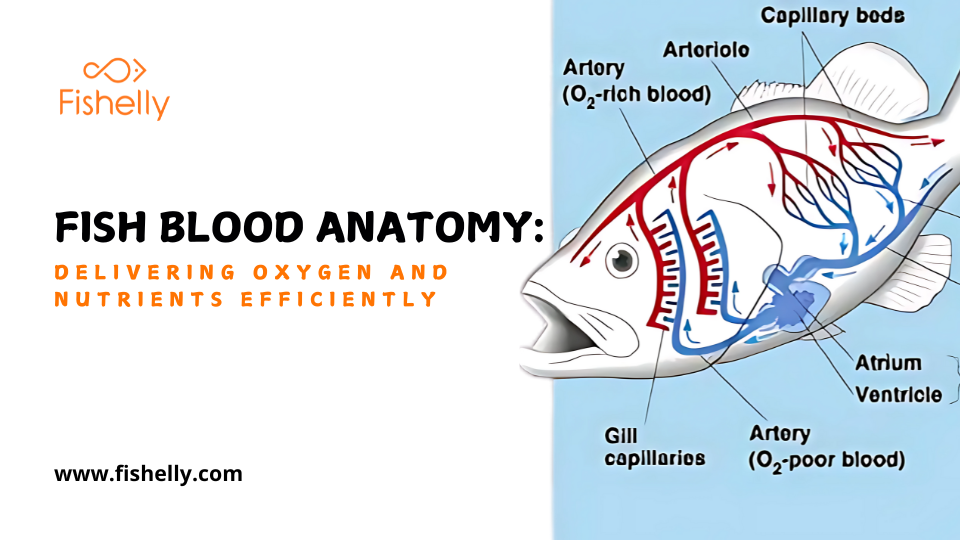
Explore the anatomy of fish blood and its role in oxygen and nutrient delivery, sustaining aquatic life in a wide range of underwater environments.
Table of Contents
- The Making of Fish Blood
- Keyhole to the Fish Heart
- Respiration in Gills
- Nutrient Transport
- Efficiency in Single Circulation
- Adaptations in Extreme Environments
- Faq
- Conclusion
Fish are such unique animals, adapted to an aquatic habitat that here, the circulatory system perfectly serves their existence. The specific anatomy of fish blood, how it carries oxygen and distributes nutrients to all organs of the body, underscores a fascinating set of adaptations to living underwater.
The Making of Fish Blood
Fish blood is made up of 3 main components; plasma, red blood cells, and white blood cells. Plasma is the liquid part of the blood and carries dissolved nutrients, hormones, and waste substances. Red blood cells carry oxygen, assisted by hemoglobin. White blood cells, on the other hand, are involved in immunity to protect the fish from infections.
Keyhole to the Fish Heart
The heart is a two-chambered organ with one atrium and one ventricle serving as the powerhouse of the circulatory system. It pumps deoxygenated blood to the gills, where gas exchange takes place. This arrangement allows for the rejuvenation of oxygen-depleted blood before pumping it off into the rest of the body.
Respiration in Gills
Fish gills are highly specialized in extracting oxygen from water. The blood vessels within the gill filaments are thin and almost touch the surface of the gills, rendering it easy to absorb the oxygen during respiration while allowing the carbon dioxide to escape, thus achieving very delicate maintenance of the required balance for survival.
Nutrient Transport
After getting oxygen in the gills, the blood flows through a network of arteries and capillaries to deliver oxygenated blood and nutrients to the tissues. Nutrients absorbed from the digested food in the intestines enter the bloodstream via the hepatic portal system to distribute energy where it is needed.
Efficiency in Single Circulation
Fish have a unique very efficient circulatory system called single or simpler circulation in contrast to better developed mammals in a double heart kind. This means that the blood goes around in one circuit-from the heart to the gills and from the body back to the heart. This system is said to be less efficient in meeting higher metabolic demands as in the case of mammals, but on the whole, it fits well with the aquatic lifestyle.
Adaptations in Extreme Environments
Certain species of fish adapt their blood in bizarre ways to live in conditions that are extreme. For instance, Antarctic icefish lack hemoglobin altogether but have larger blood volumes and are able to dissolve oxygen in cold waters. On the other hand, tropical fish tend to have larger-than-normal concentrations of hemoglobin so as to cope with conditions of warmth and low oxygen.
Understanding fish blood anatomy will not only tell one how they survive extreme places, but it also unveils the interconnections that maintain the aquatic life balance. These adaptations showcase the wonders of evolution in molding life to deal with various external environmental challenges.
Faq
1.What are the main components of fish blood?
Fish blood contains plasma, red blood cells (for oxygen), and white blood cells (for immunity).
2.How does the fish heart function?
The fish heart pumps deoxygenated blood to the gills for oxygen exchange before sending oxygenated blood to the body.
3.How do fish gills work?
Gills extract oxygen from water and expel carbon dioxide through thin blood vessels.
4.How is oxygen and nutrients transported?
Oxygenated blood delivers oxygen and nutrients via arteries to tissues, while absorbed nutrients enter through the hepatic portal system.
5.What makes fish circulatory system different from mammals?
Fish have a single circulatory system where blood flows from the heart to gills and body in one circuit, unlike mammals with a double circulatory system.
6.How do fish adapt to extreme environments?
Some fish lack hemoglobin, while others have more hemoglobin, depending on temperature and oxygen availability.
7.How do blood adaptations help fish survive?
Specialized blood and gills enable fish to efficiently absorb and distribute oxygen and nutrients in various aquatic environments.
Conclusion
The circulatory system of fish is therefore well adapted to their life in water; from the efficiency of the gills to blood with extraordinary properties, fish have demonstrated incredible ways of living in an environment that has challenged their way of living. All investigations into these systems basically demonstrate our understanding of aquaculture but reaffirm our knowledge about biological resilience and creativity.


