Koi Fish Care Guide: Pond Setup, Diet & Lifespan Tips
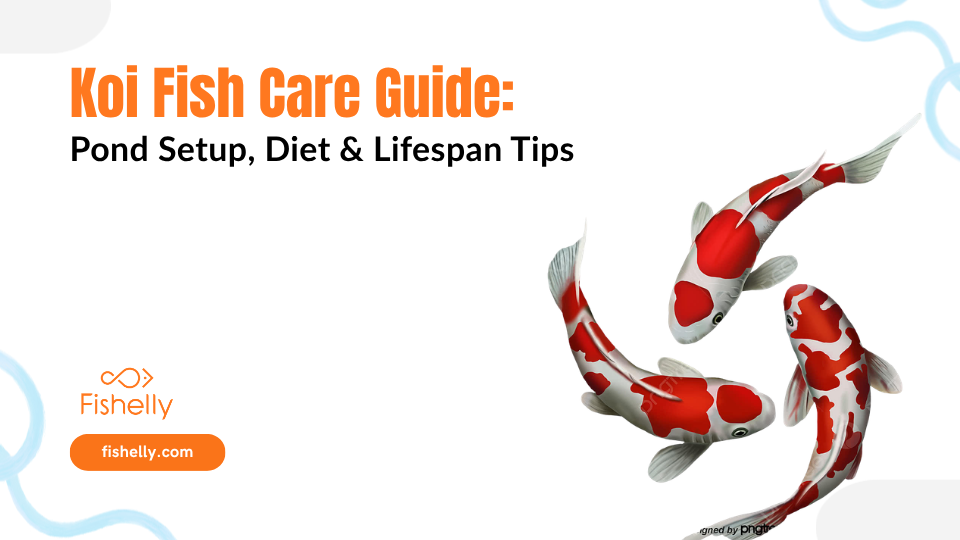
Complete koi fish care guide covering pond setup, water conditions, feeding, lifespan, and health tips to keep your koi healthy, vibrant, and long-living.
- Natural Habitat of Koi Fish
- Characteristics of Their Natural Environment
- Tank Size & Water Conditions
- Filtration & Maintenance
- Plants & Tank Decoration
- Life Span of Koi Fish
- Food & Feeding
- Behavior & Tank Mates
- Breeding Behavior & Process
- Health & Common Diseases
- Amazing Koi for Ponds
- Faq
- Conclusion
Koi fish are more than just ornamental pets - they are living symbols of beauty, patience, and prosperity. Famous for their striking colors and elegant swimming patterns, koi have been cherished for centuries, especially in Japanese culture. Unlike regular aquarium fish, they thrive in large ponds and require thoughtful, long-term care. When properly maintained, koi can live for decades, growing into a peaceful and captivating presence in your environment.
Natural Habitat of Koi Fish
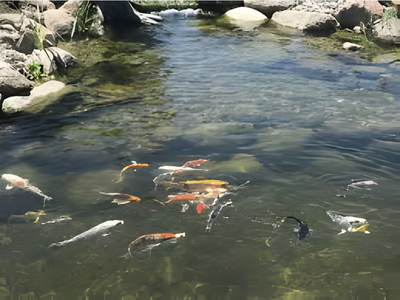
In nature, koi originated from carp that lived in slow-moving freshwater bodies such as rivers, lakes, and ponds. These environments are stable, rich in oxygen, and full of natural plants.
- Rivers (slow-flowing sections)
- Lakes
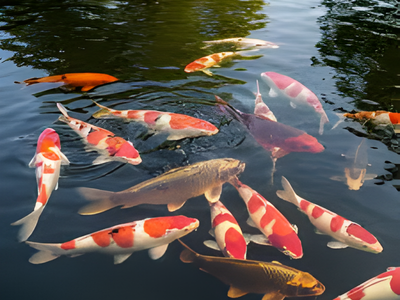
- Natural ponds
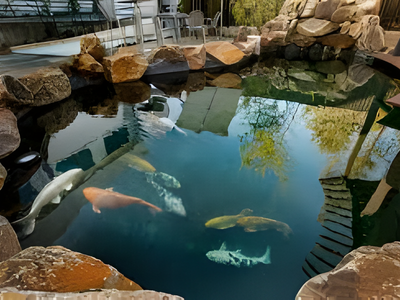
- Mud-bottom water systems
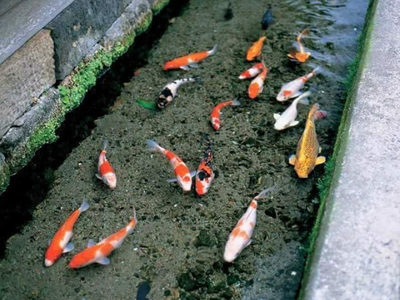
Characteristics of Their Natural Environment
These environments provide ideal living conditions for koi, including:
- Rich oxygen levels: Natural water bodies have continuous oxygen exchange, which supports fish health and activity.
- Stable temperature: Unlike shallow artificial setups, these waters maintain a balanced temperature, reducing stress on koi.
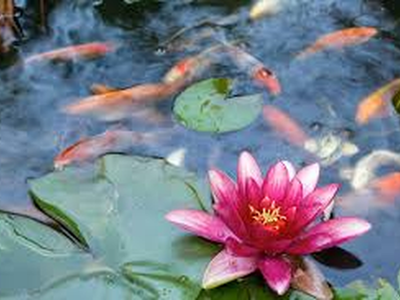
- Abundant vegetation: Plants offer shade, protection, and a natural food source, helping koi feel safe and secure.
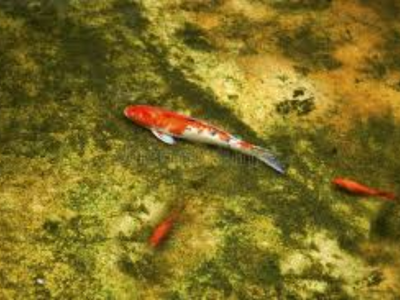
- Soft, muddy bottoms: These allow koi to forage naturally, which is an important part of their behavior.
What Koi Fish Prefer
To thrive, koi fish naturally seek conditions similar to their original habitat:
-
Warm water: Koi are more active and healthy in moderately warm temperatures.
-
Clean and oxygen-rich water: Essential for proper breathing, digestion, and overall health.
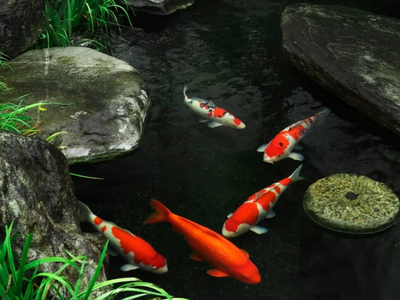
- Calm, slow-moving water: Strong currents can stress koi, while gentle flow keeps them comfortable.
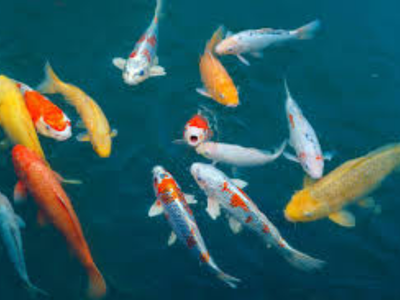
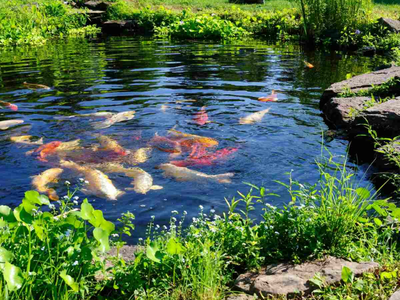
- Natural surroundings: Elements like plants, rocks, and shaded areas create a peaceful and secure environment.
Tank Size & Water Conditions
Koi fish are not small ornamental fish they can grow quite large, often reaching 2 to 3 feet in length when kept in the right conditions. Because of their size and active nature, providing enough space is essential for their healthy growth and overall well-being. Keeping koi in small tanks or overcrowded environments can restrict their growth, weaken their immune system, and lead to serious health problems over time.
Minimum Space Requirements
To ensure koi have enough room to swim and grow properly, consider the following:
- Minimum water capacity:
Around 1,000 liters (250 gallons) for a small number of koi
This is the absolute minimum and works only for young or a few fish
- Ideal pond size:
5,000+ liters is highly recommended for long-term care
Larger volumes provide better water stability and allow koi to grow naturally
- Depth of pond:
At least 3–4 feet deep
Helps protect koi from temperature fluctuations and predators
Deeper ponds also allow koi to move freely and feel secure
Essential Water Parameters
Maintaining proper water conditions is crucial for koi health. Even slight imbalances can stress the fish or cause illness.
- Temperature:
Ideal range: 15°C to 25°C
Koi can tolerate slight variations, but extreme temperatures should be avoided
- pH Level:
Should stay between 7.0 and 8.5
Stable pH is more important than hitting an exact number
- Ammonia:
0 ppm (parts per million)
Even small amounts are toxic and can harm or kill koi
- Nitrite:
0 ppm
Like ammonia, nitrite is highly dangerous and must be controlled
- Nitrate:
Should be kept below 40 ppm
Lower levels are always better for long-term health
While these numbers provide a guideline, the most important factor is consistency. Sudden changes in temperature, pH, or chemical levels can cause stress, weaken immunity, and lead to diseases. Koi thrive in stable environments where conditions change gradually and predictably.
Why Proper Space & Water Matter
Providing enough space along with clean, well-balanced water allows koi to grow to their full size, display vibrant colors, and remain active and healthy. A properly maintained pond not only improves their lifespan but also reduces the risk of disease and stress. Investing in adequate space and stable water conditions is one of the most important steps in successful koi keeping.
Filtration & Maintenance
Koi fish produce a lot of waste due to their size and frequent feeding, which quickly turns into harmful substances like ammonia. Without proper filtration, this can pollute the water and harm the fish. A strong and well-maintained filtration system is essential to keep the water clean, safe, and balanced for healthy koi.
Types of Filtration Systems
A complete koi pond filtration setup usually includes multiple types of filtration working together:
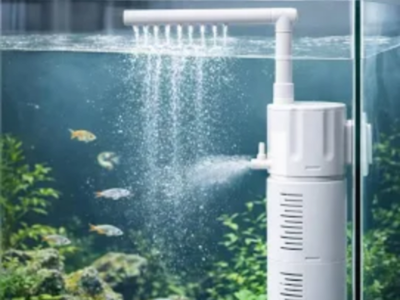
Mechanical Filtration (Physical Cleaning):
-
Removes solid waste such as fish waste, uneaten food, leaves, and debris
-
Helps keep the water clear and prevents clogging in other filter systems
-
Common examples include filter pads, brushes, and settlement chambers
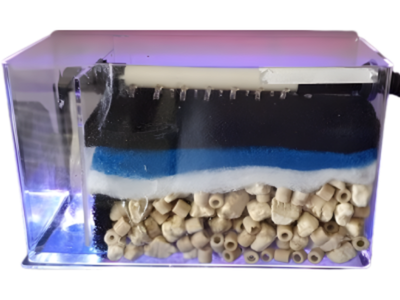
Biological Filtration (Beneficial Bacteria):
-
Breaks down harmful toxins like ammonia and nitrite into less harmful nitrate
-
Uses beneficial bacteria that grow on bio-media (like bio balls or ceramic rings)
-
This is the most important part of the filtration system for long-term water health
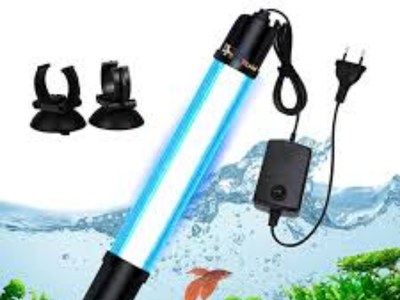
UV Sterilizer (Algae Control):
-
Uses ultraviolet light to kill free-floating algae and harmful microorganisms
-
Helps keep water clear and reduces green water problems
-
Also supports overall pond hygiene
Routine Maintenance for Healthy Water
Even with a good filtration system, regular maintenance is necessary to keep everything functioning properly:
Weekly Maintenance Tasks:
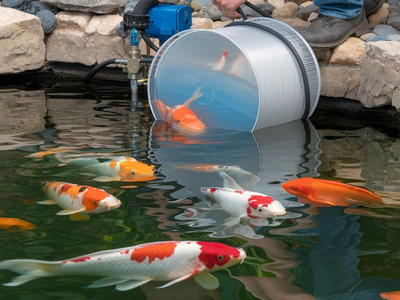
10–20% Water Change:
-
Replaces dirty water with fresh, dechlorinated water
-
Helps dilute toxins and maintain water quality
Gentle Filter Cleaning:
-
Clean filter media without killing beneficial bacteria
-
Avoid using harsh chemicals—rinse with pond water instead
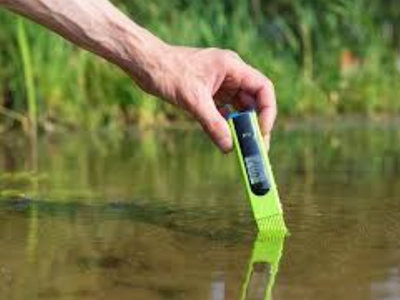
Regular Water Testing:
-
Check ammonia, nitrite, nitrate, and pH levels
-
Early detection helps prevent serious issues
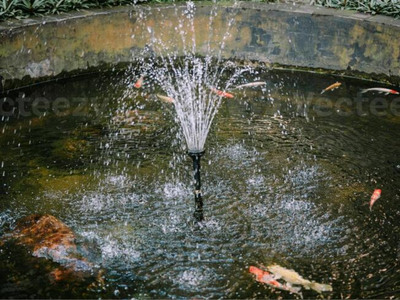
Proper Aeration:
-
Ensure enough oxygen is present using air pumps, fountains, or waterfalls
-
Oxygen supports both koi health and beneficial bacteria
Why Filtration Matters So Much
A high-quality filtration system directly impacts koi health, growth, and appearance. Clean, well-filtered water reduces stress, enhances color, boosts immunity, and supports faster, healthier growth. On the other hand, poor filtration can quickly lead to toxic conditions, making fish vulnerable to disease. By combining proper filtration with regular maintenance, you create a stable and thriving environment where koi can live long and healthy lives.
Plants & Tank Decoration
Aquatic plants are essential for a healthy koi pond. They improve water quality by absorbing excess nutrients, reduce algae growth, provide shade to keep water cool, and create a natural, stress-free environment by offering shelter for koi.
Best Plants for Koi Ponds
Some plants are especially well-suited for koi ponds due to their durability and benefits:
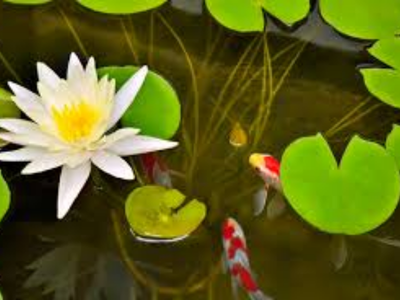
Water Lilies:
-
Provide excellent surface coverage and shade
-
Help control sunlight exposure, reducing algae growth
-
Add beauty with their floating leaves and flowers
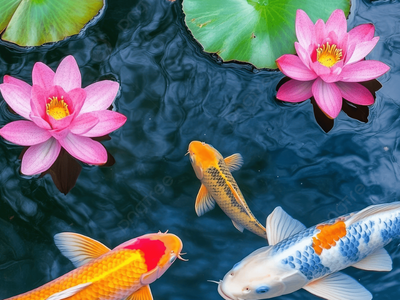
Lotus:
-
Known for their large leaves and striking flowers
-
Offer strong shade and improve the natural look of the pond
-
Require space but are very beneficial
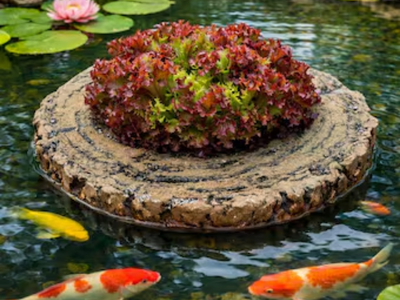
Floating Plants:
-
Examples include water lettuce and duckweed
-
Absorb excess nutrients directly from the water
-
Help keep water clean and reduce algae naturally
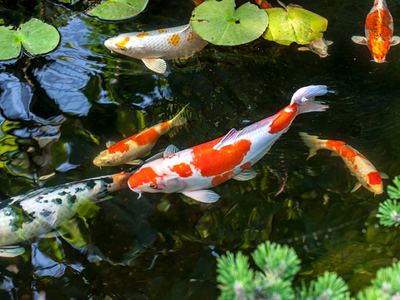
Protecting Plants from Koi
Koi are naturally curious and often dig or nibble at plants, which can damage or uproot them. To manage this:
Use pots or plant baskets:
-
Keeps roots protected and prevents koi from digging them out
-
Makes plant maintenance easier
Avoid delicate plants:
-
Fragile plants may not survive in a koi pond
-
Choose hardy and strong-rooted varieties
Pond Decoration & Safety Tips
While decorating your pond, it’s important to keep koi safety in mind:
Keep decorations minimal:
-
Avoid overcrowding the pond with too many objects
-
Ensures koi have enough space to swim freely
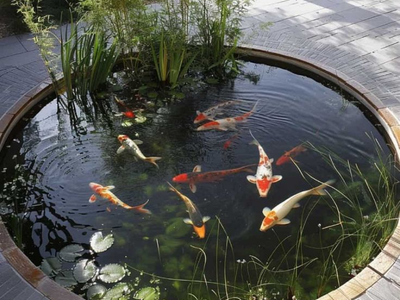
Use smooth surfaces:
-
Sharp or rough decorations can injure koi
-
Always choose rounded stones and fish-safe materials
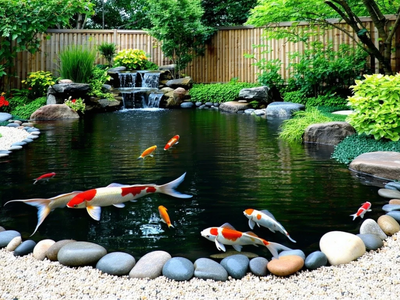
Adding the right plants to your koi pond helps create a natural, balanced ecosystem. They support water quality, reduce maintenance, and improve fish health, while also making the pond cleaner, safer, and more visually appealing.
Life Span of Koi Fish
Koi fish are known for their long lifespan, making them a long-term commitment rather than a short-term pet. With proper care, environment, and nutrition, they can live for many years while staying healthy and vibrant.
Average Lifespan of Koi
Koi longevity depends largely on how well they are cared for and the quality of their environment:
-
Average lifespan: Typically 20 to 40 years in well-maintained ponds
-
With proper care: Can live 50+ years when provided with optimal conditions such as clean water, balanced diet, and low stress
-
Record lifespan: A famous koi named Hanako is believed to have lived 226 years (an extremely rare and exceptional case)
Male vs Female Koi Differences
There are some noticeable differences between male and female koi that can also slightly influence lifespan:
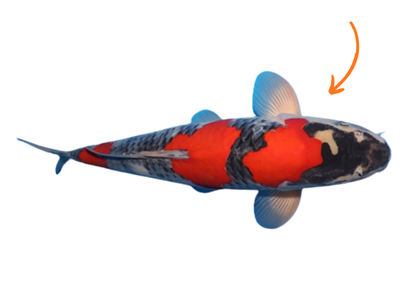
Female Koi:
-
Generally grow larger and develop a fuller, rounder body
-
Often considered more visually impressive due to their size
-
May live slightly longer under the same conditions
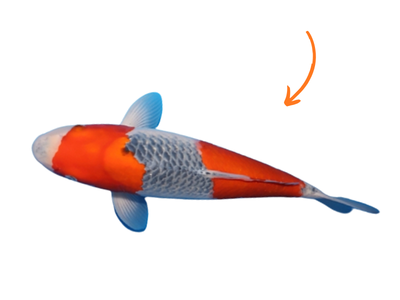
Male Koi:
-
Usually slimmer and more streamlined in appearance
-
Tend to be more active and energetic
-
On average, may have a slightly shorter lifespan compared to females
Factors That Influence Lifespan
Several key factors play a major role in how long koi fish live:
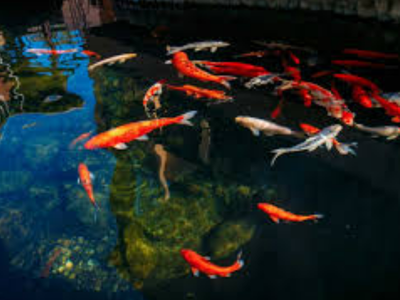
- Water quality: Clean, stable, and well-filtered water is essential
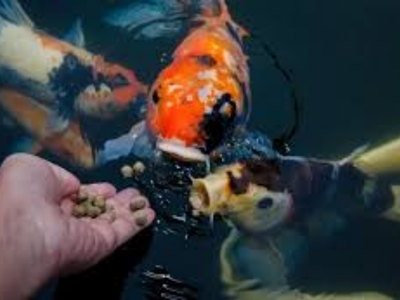
- Proper diet: High-quality food supports growth, immunity, and longevity
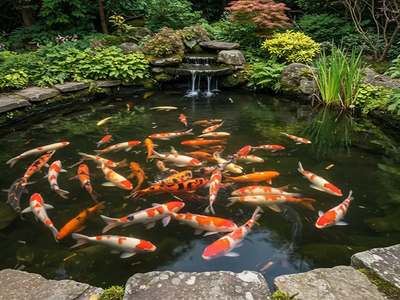
- Space: Larger ponds reduce stress and allow natural growth
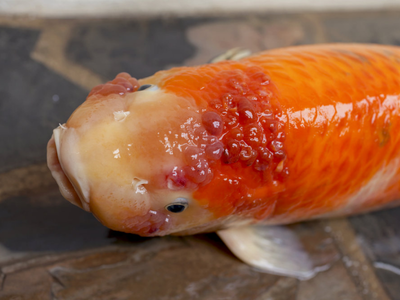
- Disease prevention: Regular monitoring and maintenance reduce health risks
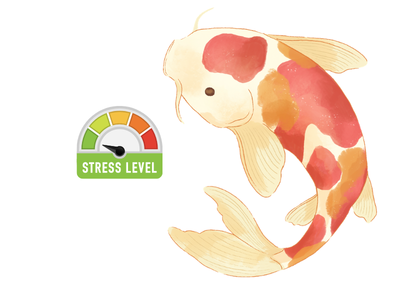
- Low stress environment: Stable conditions and minimal disturbances help koi thrive
Because koi can live for decades, they are long-term companions that require consistent care and commitment. With proper attention and environment, they grow larger, stay active, and maintain vibrant colors throughout their lives.
Food & Feeding
Koi fish are omnivorous and need a balanced diet of plant and protein foods. Proper nutrition supports growth, boosts immunity, enhances color, and helps them live longer, making feeding just as important as water quality.
What Koi Fish Eat
A healthy koi diet should include a mix of staple food, color-enhancing ingredients, and natural treats:
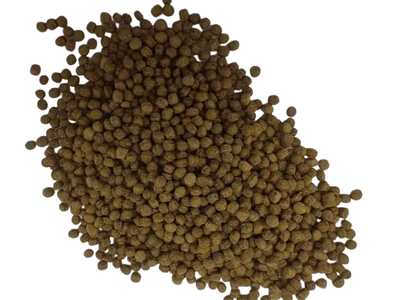
Pellets (Staple Food):
-
High-quality koi pellets should make up the majority of their diet
-
Ideal protein content: 30–36% for proper growth
-
Special seasonal pellets are available (summer, winter, growth formulas)
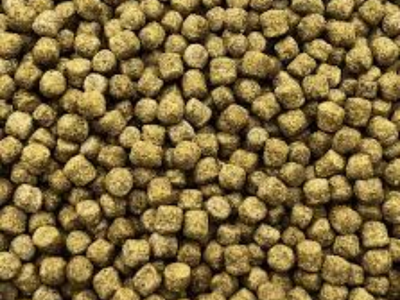
Color-Enhancing Food:
-
Contains ingredients like spirulina and carotenoids
-
Helps enhance red, orange, and yellow pigmentation
-
Should be given in moderation along with staple food
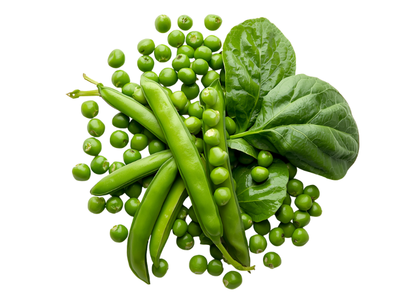
Vegetables:
-
Safe options include peas (de-shelled), spinach, and lettuce
-
Provide fiber and aid digestion
-
Also mimic their natural feeding habits
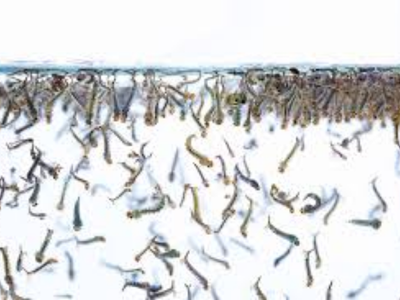
Protein Treats:
-
Includes worms, insects, and larvae
-
Rich in protein and great for occasional feeding
-
Helps support growth and natural foraging behavior
Feeding Tips for Healthy Koi
Proper feeding habits are crucial to avoid health issues and maintain water quality:
- Feed 2–3 times daily:
Smaller, frequent meals are better than one large feeding
- Feed only what they can eat in 2–3 minutes:
Prevents leftover food from polluting the water
Helps maintain a clean and balanced pond
- Adjust feeding in cold weather:
Koi metabolism slows down in low temperatures
Reduce feeding or stop completely when water gets too cold
Avoid Overfeeding
Overfeeding is one of the most common mistakes in koi care:
-
Uneaten food breaks down and releases harmful toxins like ammonia
-
Leads to poor water quality and increased algae growth
-
Can cause digestive issues and health problems in koi
A balanced diet is essential for koi health, growth, and color. Proper nutrition keeps them strong, active, and vibrant, helping them stay healthy and beautiful for years.
Behavior & Tank Mates
Koi fish are calm, friendly, and social, making them enjoyable pond pets. They are intelligent, can recognize their owners, and often gather during feeding, while their peaceful nature allows them to live well with other fish.
Common Behavior Traits of Koi
Koi display several interesting and engaging behaviors:
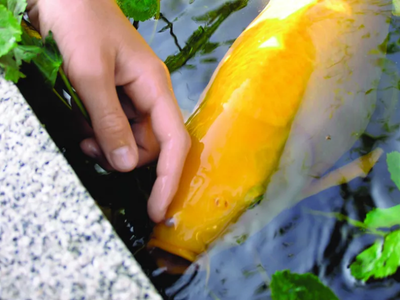
Recognize their owners:
-
Over time, koi can learn to recognize the person who feeds them
-
They may swim toward you or become more active when you are nearby
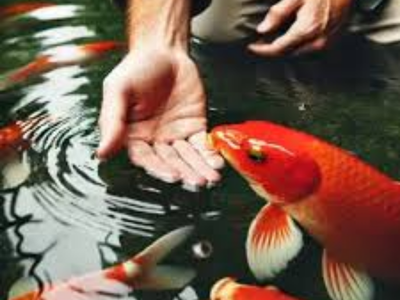
Come to the surface for food:
-
Koi quickly associate human presence with feeding time
-
They often gather at the surface and may even eat from your hand
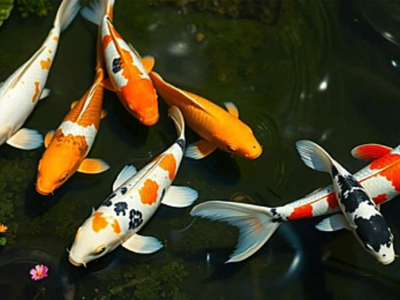
Swim in groups:
-
Koi are social fish and enjoy swimming together
-
Group behavior helps them feel safe and reduces stress
Compatible Tank Mates
Koi can live peacefully with other large, non-aggressive fish species:
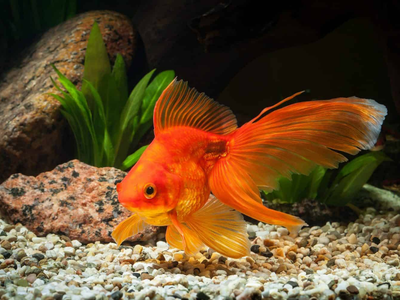
Goldfish:
-
Similar temperament and care requirements
-
A popular and safe companion for koi ponds
Grass carp:
-
Peaceful fish that can help control excess vegetation
-
Coexist well in larger ponds
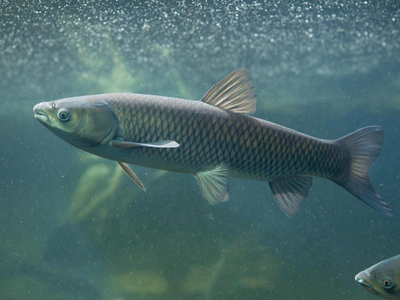
Other large peaceful fish:
- Fish with calm behavior and similar environmental needs are ideal
Fish to Avoid
To maintain a stress-free environment, avoid keeping koi with incompatible species:
Aggressive fish:
-
May bully, chase, or injure koi
-
Causes stress and potential health issues
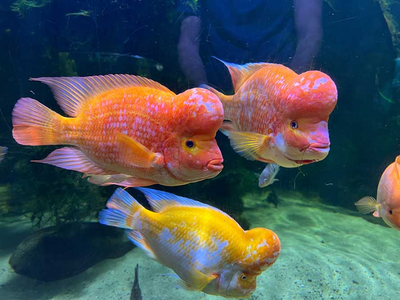
Very small fish:
-
Can be seen as food by koi
-
May not survive in the same pond
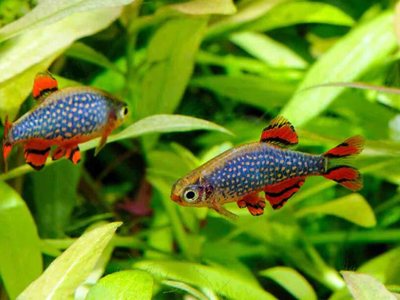
Choosing compatible tank mates helps create a peaceful and healthy pond. It reduces stress, keeps koi active, and improves both their well-being and the overall harmony and beauty of the pond..
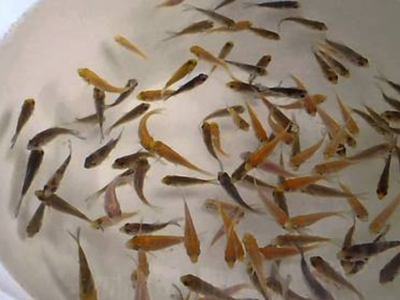
Breeding & Fry Care
Koi breeding usually occurs during warmer months like spring and summer. Males chase females, and females lay thousands of eggs that attach to surfaces like plants.
Breeding Behavior & Process
Koi follow a natural and energetic breeding pattern:
Males chase females:
-
Male koi actively pursue females around the pond
-
This chasing behavior encourages females to release eggs
Females lay thousands of eggs:
-
A single female can release hundreds to thousands of eggs at once
-
This increases the chances of survival, as not all eggs will hatch
Eggs stick to surfaces:
-
Koi eggs are sticky and attach to plants, spawning ropes, or pond surfaces
-
Providing proper surfaces helps protect and support the eggs
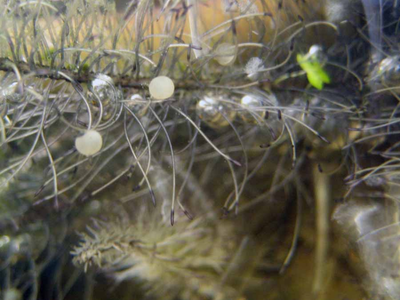
Important Care During Breeding
Proper care at this stage is critical to ensure successful hatching:
- Egg hatching time:
Eggs typically hatch within 3 to 7 days, depending on water temperature
- Separate adults from eggs:
Adult koi may eat their own eggs or newly hatched fry
It is important to move eggs or adults to a separate tank or breeding area
- Maintain clean water:
Good water quality is essential for egg development
Poor conditions can lead to fungal infections or low survival rates
Fry (Baby Koi) Care
Once the eggs hatch, the tiny fry require special care and feeding:
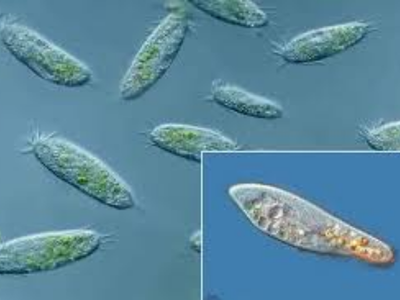
Start with infusoria:
-
Newly hatched fry are very small and need microscopic food like infusoria
-
This supports their early growth and survival
Gradually introduce crushed food:
-
As they grow, transition to finely crushed pellets or powdered fish food
-
Increase food size gradually as fry develop
The breeding and early growth stage is delicate for koi, requiring clean water, safe conditions, and proper nutrition. With the right care, survival improves and fry grow into healthy, vibrant adults.
Health & Common Diseases
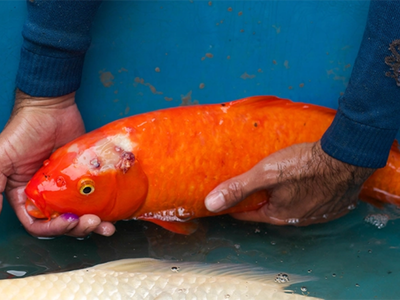
Healthy koi are active and have bright, clear colors. Most diseases occur due to poor water quality or stress.
Common Diseases in Koi Fish
Koi can suffer from several common diseases, especially if their environment is not properly maintained:
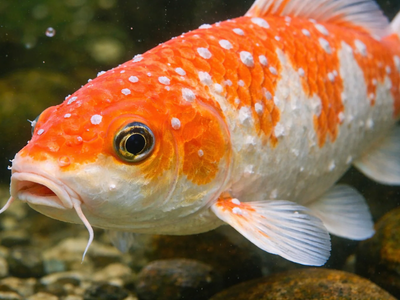
Ich (White Spot Disease):
-
Appears as tiny white spots on the body and fins
-
Caused by parasites and often triggered by stress or temperature fluctuations
-
Fish may rub against surfaces due to irritation
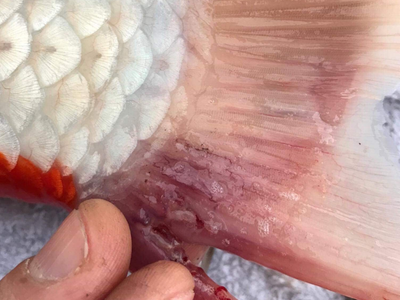
Fin Rot:
-
Causes frayed, damaged, or decaying fins
-
Usually a result of bacterial infection due to poor water conditions
-
Can worsen quickly if not treated early
Parasites:
-
External parasites can cause itching, flashing (rubbing), and lethargy
-
May lead to skin damage and secondary infections
-
Common in overcrowded or unclean ponds
Prevention Tips for Healthy Koi
Preventing disease is far easier and safer than treating it later. Follow these essential practices:
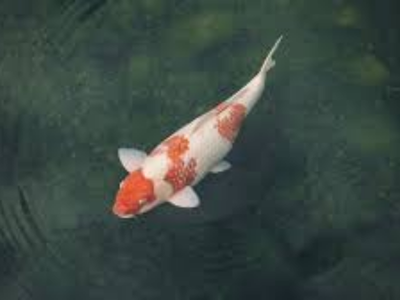
Quarantine new fish:
-
Always keep new koi in a separate tank for 2–3 weeks before adding them to the main pond
-
Helps prevent the spread of hidden diseases or parasites
Maintain water quality:
-
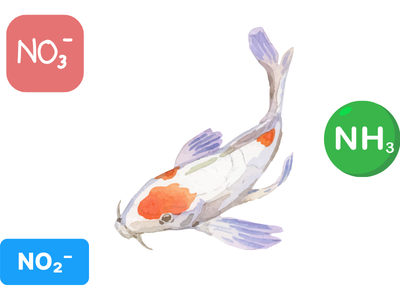
Regularly check ammonia, nitrite, nitrate, and pH levels
-
Keep water clean with proper filtration and routine maintenance
Avoid sudden changes:
-
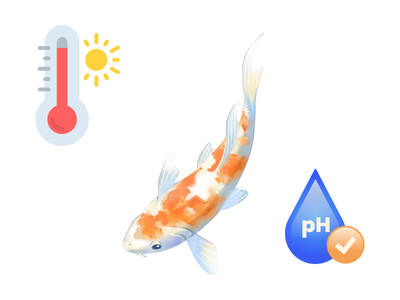
Rapid changes in temperature, pH, or water conditions can stress koi
-
Always make adjustments gradually
Prevention is always easier than treatment.
Interesting Facts About Koi Fish
Koi fish are not just beautiful, they are fascinating creatures with unique traits.
-
They can recognize their owners
-
Each koi has a unique pattern
-
Symbol of luck and prosperity
-
Can grow up to 3 feet
-
Some koi are worth lakhs or crores
Amazing Koi for Ponds
Choosing the right koi variety enhances the beauty of your pond and creates a visually rich environment.
Popular koi varieties:
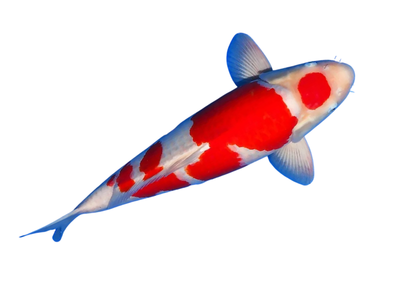
- Kohaku: White body with bold red patterns. Known as the “king of koi.”
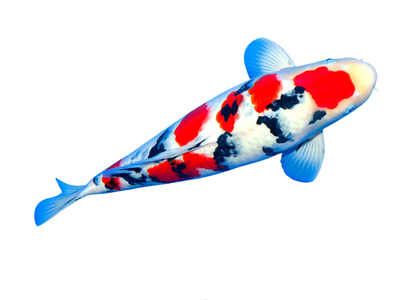
- Taisho Sanke: White base with red and black markings. One of the “Big Three.”
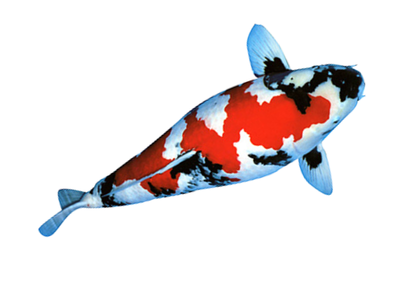
- Showa Sanshoku: Black base with red and white patterns. More dramatic appearance.
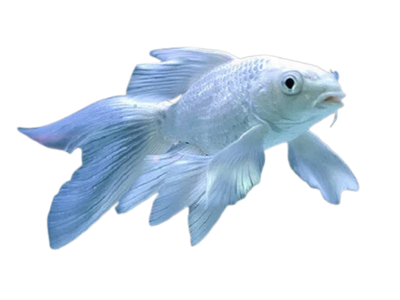
- Butterfly Koi: Long flowing fins with various colors. Elegant and graceful swimmers.
A mix of these varieties creates a colorful and premium-looking pond..
FAQ
1. Can koi fish live in a small tank or aquarium?
No, koi fish are not suitable for small tanks. They grow large and produce a lot of waste, which requires a spacious pond with proper filtration. A tank may work temporarily for baby koi, but not for long-term care.
2. How big do koi fish grow?
Koi can grow up to 24–36 inches (2–3 feet) depending on space, diet, and water quality. In smaller environments, their growth may be stunted, which is unhealthy for them.
3. How long do koi fish live?
Koi typically live 20–40 years, but with excellent care, they can live over 50 years. Females often grow larger and may live slightly longer than males.
4. How often should I feed koi fish?
Feed koi 2–3 times a day in small portions. Only give food they can finish within a few minutes. In colder temperatures (below 10°C), reduce or stop feeding.
5. What do koi fish eat?
Koi are omnivores. Their diet includes:
-
High-quality pellets
-
Vegetables like peas and spinach
-
Occasional protein like worms or insects
-
A balanced diet helps maintain their color and health.
6. Can koi fish live with other fish?
Yes, koi are peaceful and can live with:
-
Goldfish
-
Grass carp
-
Other large, non-aggressive fish
Avoid small fish (they may be eaten) and aggressive species.
7. Do koi fish need a filter and aeration?
Yes, both are essential. Koi produce heavy waste, so a strong filtration system keeps water clean, while aeration ensures enough oxygen for healthy living.
8. How do I know if my koi fish is healthy?
Healthy koi are:
-
Active and responsive
-
Bright in color
-
Smooth-scaled with no spots or damage
-
Signs of illness include lethargy, white spots, or unusual swimming.
9. Can koi survive in winter?
Yes, koi can survive winter if the pond is deep enough (at least 3–4 feet) and does not freeze completely. They become less active and eat very little during this time.
10. Why is my koi pond water turning green?
Green water is usually caused by algae growth. This can happen due to excess sunlight or nutrients. Using a UV sterilizer and maintaining proper filtration helps control it.
11. How many koi fish can I keep in a pond?
A general rule is 250 gallons (≈1000 liters) per koi fish. Overstocking can lead to poor water quality and health issues.
12. Do koi fish recognize their owners?
Yes! Koi are intelligent and can recognize their owners, often coming to the surface during feeding time and even eating from your hand.
13. Do koi fish breed easily?
Koi can breed naturally in ponds during warmer months, but raising fry successfully requires extra care, including separating eggs and maintaining clean water.
14. Why are my koi fish not eating?
Common reasons include:
-
Low water temperature
-
Poor water quality
-
Stress or illness
-
Check water parameters first before assuming disease.
15. Are koi fish high maintenance?
Koi are moderate to high maintenance. They need:
-
Large space
-
Regular water care
-
Proper filtration
However, with a good setup, maintenance becomes easier over time.
Conclusion
Koi fish are more than just pond inhabitants they are living symbols of peace, patience, and beauty. Their graceful movement and vibrant colors can transform any space into a calming retreat. While they require dedicated care and the right setup, the reward is truly unmatched. With proper attention and commitment, your koi can grow, thrive, and become a lasting part of your life for many years.