Molly Fish Care Guide - Tank Setup, Diet, Breeding & Care
Learn how to care for Molly Fish with this complete guide covering tank setup, water parameters, diet, breeding, tank mates, diseases, and expert care tips.
- Natural Habitat of Molly Fish
- Lighting & Water Appearance For Molly Fish
- Ideal Tank Conditions For Molly Fish
- Tank Size For Molly Fish
- Filtration & Maintenance For Molly Fish
- Plants & Decorations For Molly Fish
- Lifespan of Molly Fish
- Male vs Female Molly Fish
- Behavior & Personality For Molly Fish
- Compatible Tank Mates For Molly Fish
- Breeding Molly Fish
- Health & Common Diseases of Molly Fish
- Tips to Keep Molly Fish Healthy
- Faq
- Conclusion
Molly Fish are among the most popular freshwater aquarium fish, loved for their vibrant colours, peaceful nature, and easy-care requirements. Whether you're a beginner or an experienced aquarist, providing the right tank setup, balanced diet, stable water conditions, and proper maintenance is essential for keeping them healthy and active. This complete care guide covers everything you need to know about Molly Fish, including their natural habitat, ideal tank conditions, feeding, breeding, compatible tank mates, common diseases, and expert care tips to help your fish thrive.
Natural Habitat of Molly Fish
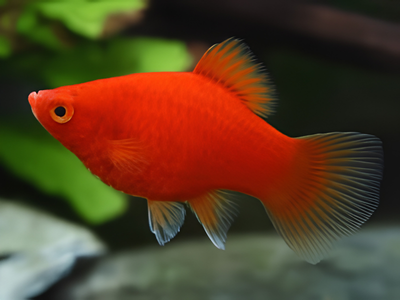
Molly Fish belong to the Poeciliidae family and are naturally found throughout Central America, Mexico, and parts of South America. Unlike many freshwater fish, Mollies naturally inhabit freshwater, brackish water, coastal lagoons, rivers, marshes, slow-moving streams, and estuaries.
Because of their natural habitat, Molly Fish tolerate a wider range of water conditions than many tropical fish.
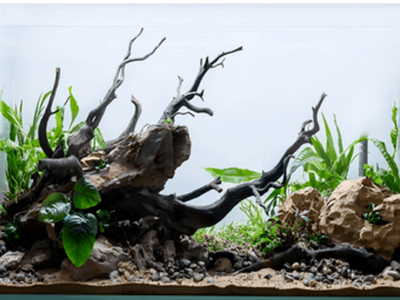
A natural Molly aquarium should include:
- Plenty of Swimming Space - Allows active swimming and natural movement.
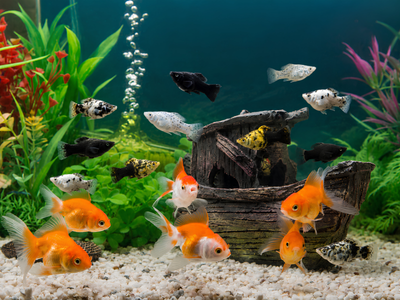
- Live Aquatic Plants - Provide shelter and improve water quality.
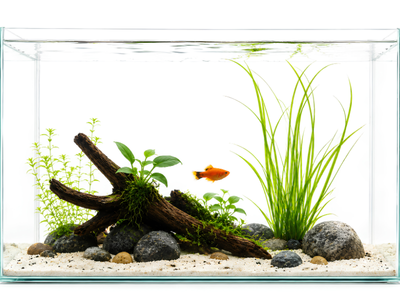
- Driftwood & Smooth Rocks - Create hiding spots and a natural look.
-
Gentle Water Movement - Keeps water oxygen-rich without strong currents.
-
Warm Tropical Water - Maintains ideal conditions for healthy growth.
-
Good Filtration - Removes waste and keeps water clean.
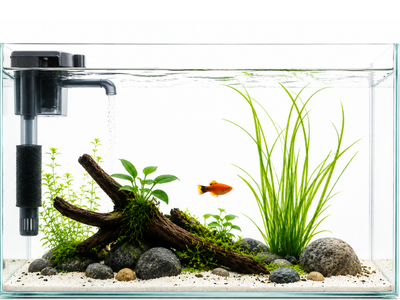
- Bright Lighting - Enhances colours and supports plant growth.
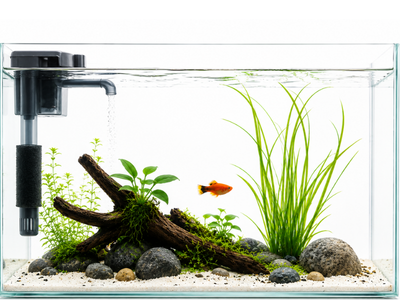
- Open Areas for Schooling - Lets Mollies swim together comfortably.
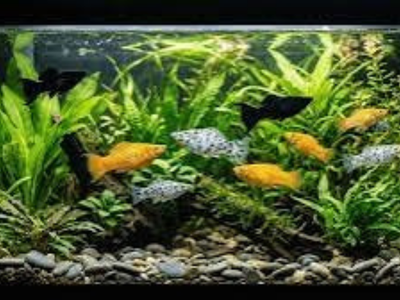
A planted aquarium closely resembles their natural environment, helping reduce stress while enhancing their colors and encouraging natural behavior.
Lighting & Water Appearance For Molly Fish
Proper lighting and clean, stable water are two of the most important factors in keeping Molly Fish healthy, active, and vibrant. While Mollies are considered hardy freshwater fish, they thrive best in an aquarium that closely mimics their natural environment. Good lighting supports their daily routine and enhances their colours, while crystal-clear, well-maintained water reduces stress, prevents disease, and encourages breeding.
Best Lighting for Molly Fish
Molly Fish thrive under moderate lighting that closely mimics a natural day and night cycle. Quality LED aquarium lights are the best choice because they enhance the fish's vibrant colours while supporting healthy plant growth with minimal heat.
-
Moderate lighting intensity is recommended.
-
Keep the lights on for 8 - 10 hours each day.
-
Use LED aquarium lights to enhance natural colours.
-
Avoid direct sunlight, as it can cause algae growth and temperature fluctuations.
-
Turn the lights off at night to maintain a natural sleep cycle and reduce stress.
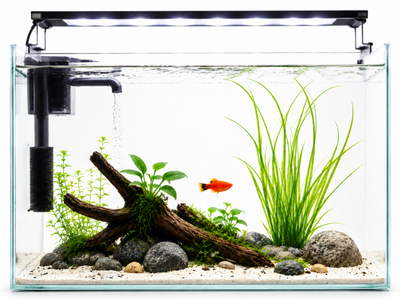
Proper lighting helps Molly Fish remain active, display brighter colours, support plant growth, and maintain overall health.
Water Appearance for Molly Fish
Water quality is far more important than decoration. Even a beautifully decorated aquarium cannot keep Molly Fish healthy if the water is dirty or unstable.
The water should always appear clear, clean, odour-free, and well-maintained.
- Crystal clear and free from waste or floating debris.
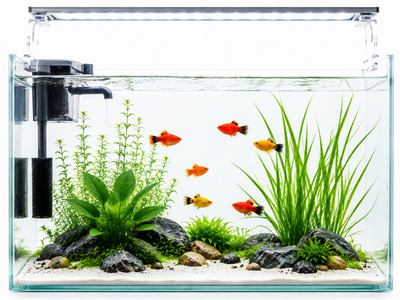
- Well filtered with good oxygen circulation.
-
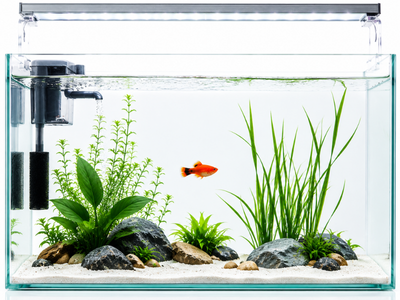
Warm and stable at 24 - 28°C (75 - 82°F).
-
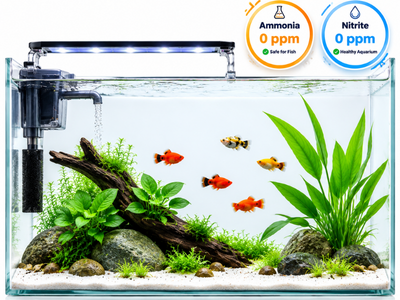
Free from ammonia and nitrite to keep fish healthy.
-
Slightly alkaline with moderate to hard water.
-
Regularly maintained with weekly water changes and water testing.
Clean, stable water helps Molly Fish stay healthy, display vibrant colours, breed successfully, and live longer.
Ideal Tank Conditions For Molly Fish
Providing stable and well-balanced water conditions is one of the most important aspects of keeping Molly Fish healthy. Although Mollies are hardy freshwater fish, they thrive best when water parameters remain consistent. Sudden changes in temperature, pH, or water quality can cause stress, weaken their immune system, and increase the risk of disease. Maintaining ideal tank conditions helps promote healthy growth, vibrant colours, active behaviour, successful breeding, and a longer lifespan.
Ideal Water Parameters
| Water Parameter | Ideal Range |
|---|---|
| Temperature | 24 - 28°C (75 - 82°F) |
| pH | 7.2 - 8.2 |
| Hardness | 10 - 25 dGH |
| Ammonia | 0 ppm |
| Nitrite | 0 ppm |
| Nitrate | Below 20 ppm |
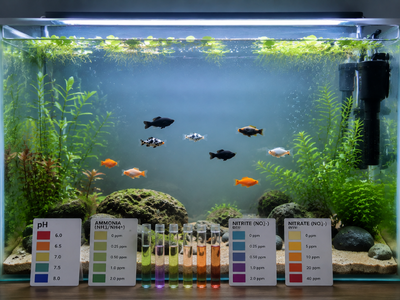
Pro Tip :Test your aquarium water regularly using a reliable aquarium test kit. Combined with weekly 20 - 30% water changes, proper filtration, and routine tank maintenance, stable water conditions will help your Molly Fish thrive and display their brightest colours throughout their lives.
Tank Size For Molly Fish
Choosing the right tank size is essential for keeping Molly Fish healthy and active. Although they are small fish, Mollies are energetic swimmers and do best in spacious aquariums. A larger tank provides stable water conditions, reduces stress, and supports healthy growth and breeding.
Recommended Tank Size
| Aquarium Setup | Recommended Size |
|---|---|
| 3–4 Molly Fish | 20 Gallons |
| Small Community Tank | 30 Gallons |
| Large Community Tank | 40 Gallons or Larger |
| Sailfin Molly Fish | Minimum 30 Gallons |
Benefits of a Larger Aquarium
- Maintains better water quality.
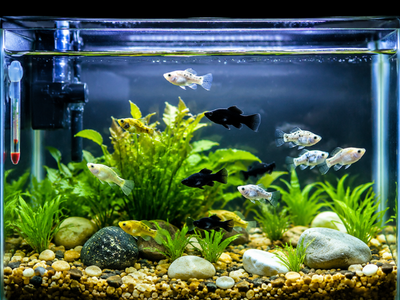
- Provides more swimming space.
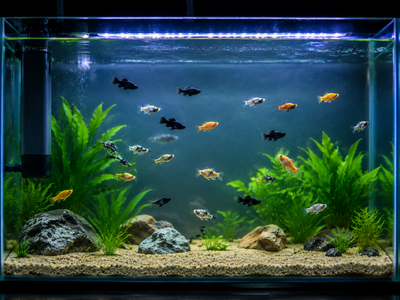
- Reduces stress and aggression.
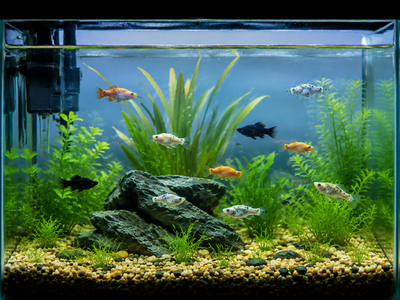
-
Makes maintenance easier.
-
Supports healthier fish and stronger growth.
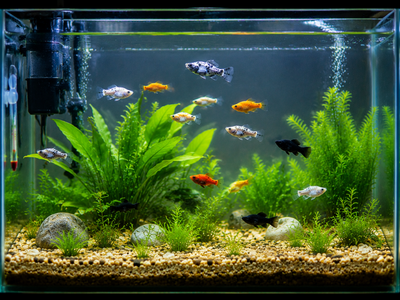
- Improves breeding success and fry survival.
Tip: Always choose the largest aquarium you can afford. A bigger tank creates a more stable and comfortable environment, helping Molly Fish live healthier and longer lives.
Filtration & Maintenance For Molly Fish
Although Molly Fish are hardy and easy to care for, they produce a moderate amount of waste. A good filtration system and regular tank maintenance are essential for maintaining clean water, preventing harmful toxins, and keeping your fish healthy.
Recommended Filter Types
Choose a filter based on your aquarium size:
- Sponge Filter - Ideal for breeding tanks and small aquariums.
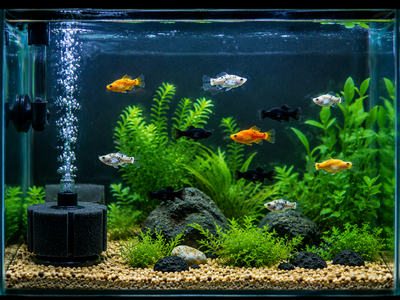
- Hang-on-Back (HOB) Filter - Suitable for most home aquariums and easy to maintain.
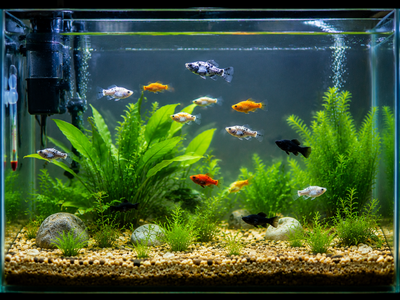
- Canister Filter - Best for large aquariums with excellent filtration capacity.
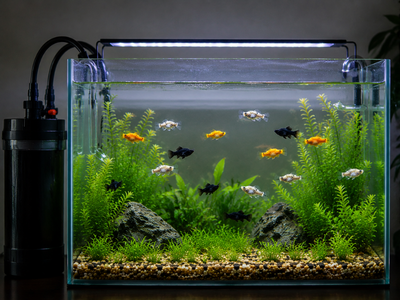
- Internal Power Filter - A good option for small to medium-sized tanks.
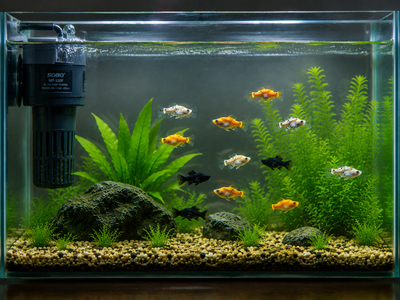
Your Filter Should Provide
A quality filter should offer:
- Mechanical filtration to remove waste and debris.
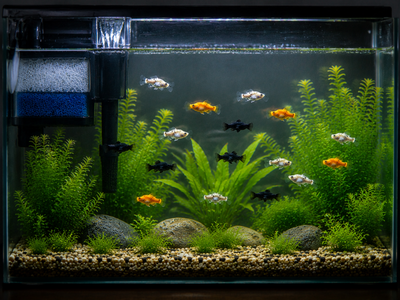
- Biological filtration to support beneficial bacteria that break down harmful toxins.
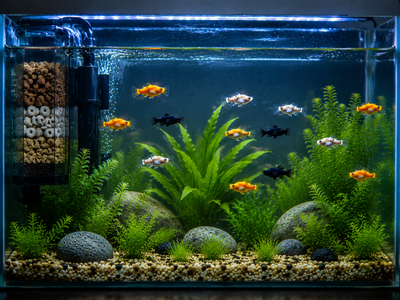
- Gentle water flows to keep Molly Fish comfortable.

- Good oxygen circulation for healthy fish and beneficial bacteria.

Weekly Tank Maintenance
Follow these simple maintenance tasks to keep your aquarium in excellent condition:
-
Change 25 - 30% of the water every week.
-
Clean the substrate using a gravel vacuum.

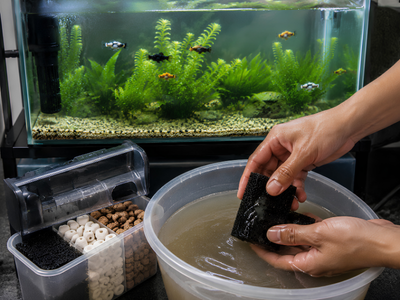
- Rinse filter media with used aquarium water to preserve beneficial bacteria.
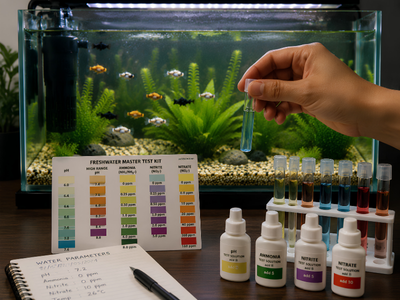
- Test water parameters weekly to monitor water quality.
- Remove uneaten food and organic waste to prevent pollution

Tip: Regular filtration and weekly maintenance help maintain crystal-clear water, reduce the risk of disease, and keep Molly Fish active, colourful, and healthy.
Plants & Decorations For Molly Fish
Molly Fish thrive in aquariums with live plants and natural decorations. Plants provide shelter, improve water quality, and create a more natural environment, while decorations offer hiding spots and reduce stress. Leave plenty of open swimming space, as Mollies are active fish that enjoy exploring the aquarium.
Best Live Plants for Molly Fish
The following plants are hardy, easy to maintain, and ideal for Molly aquariums:
- Java Fern - Low-maintenance and perfect for beginners.
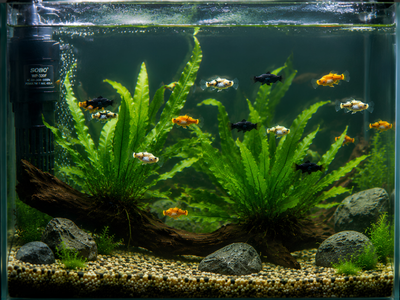
- Anubias - Hardy plant that grows well in most aquarium conditions.
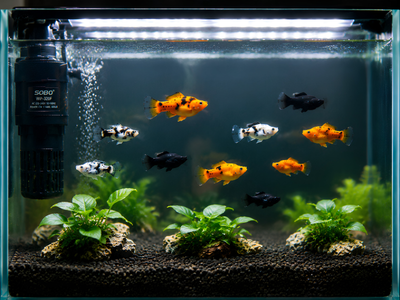
- Amazon Sword - Provides broad leaves for shelter and enhances the aquarium's appearance.
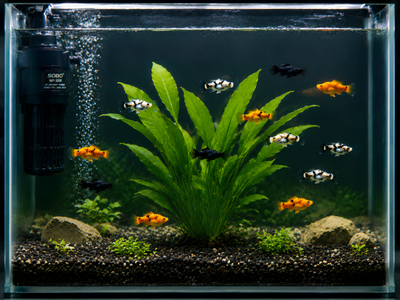
- Vallisneria - Creates a natural background with its long, flowing leaves.
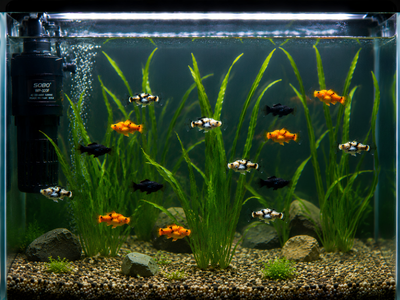
- Hornwort - Helps improve water quality and provides cover for fry.
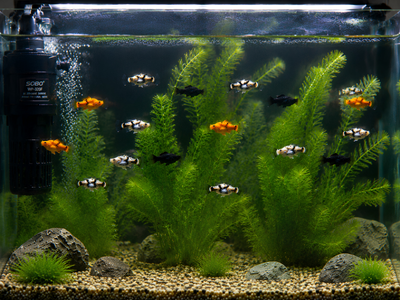
- Water Sprite - Fast-growing plant that offers excellent hiding places.
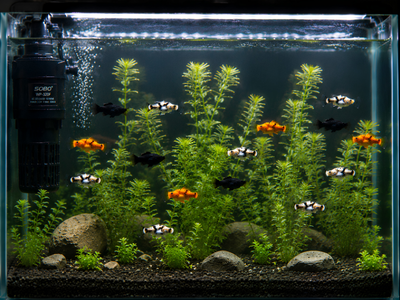
- Java Moss - Ideal for breeding tanks and protecting newborn fry.
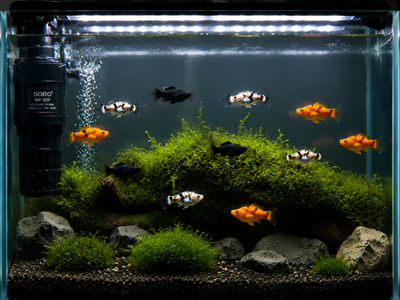
- Cryptocoryne - Attractive foreground or midground plant with minimal care requirements.
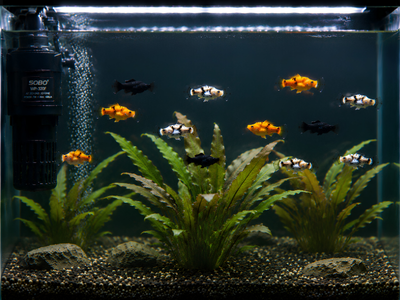
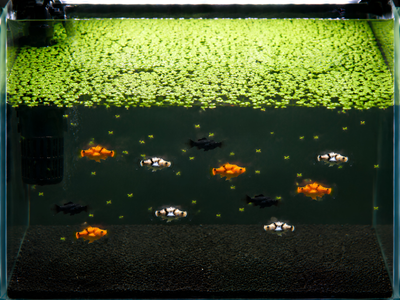
- Duckweed - Floating plant that provides shade and absorbs excess nutrients.
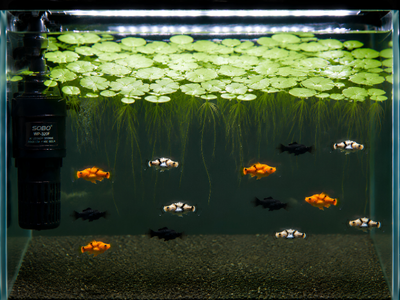
- Frogbit - Floating plant with long roots that offer shelter for young fish.
Recommended Decorations
Natural decorations make the aquarium more attractive while creating a comfortable habitat for Molly Fish.
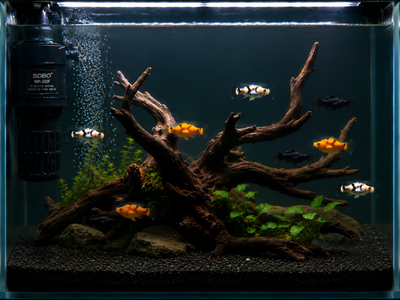
- Driftwood - Adds a natural look and provides hiding places.
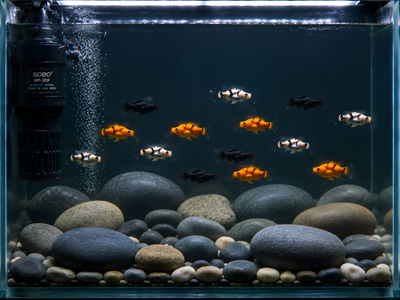
- Smooth Rocks - Safe decorations that create visual interest.
- Caves - Offer shelter and reduce stress, especially in community tanks.

- Floating Plants - Provide shade and help fish feel secure.
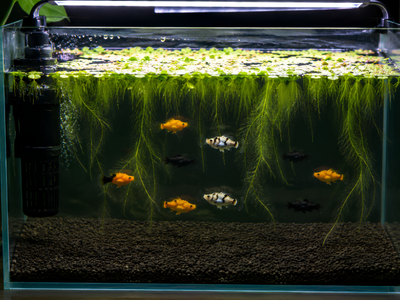
- Natural Gravel - Supports plant growth and creates a natural aquarium base.

- Open Swimming Areas - Leave enough free space for Mollies to swim actively.
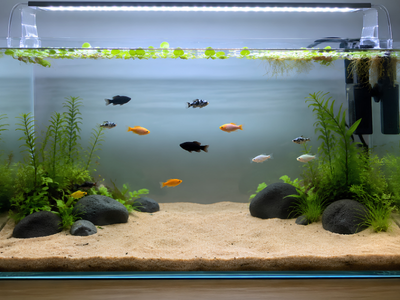
Tip: Avoid sharp or rough decorations, as they can damage the fins and scales of Molly Fish. Always choose smooth, aquarium-safe decorations to keep your fish healthy and injury-free.
Lifespan of Molly Fish
With proper care and a healthy aquarium environment, Molly Fish typically live for 3–5 years. Under excellent conditions, some Mollies can even live up to 6 years. Their lifespan largely depends on the quality of care they receive, including a balanced diet, clean water, and a stress-free environment.
Factors That Affect a Molly Fish's Lifespan
- Water Quality - Clean, well-filtered water with stable parameters helps prevent stress and disease.
-
Nutrition - A balanced diet of high-quality flakes, pellets, vegetables, and occasional live or frozen foods supports healthy growth and longevity.
-
Tank Size - A spacious aquarium provides more swimming room, better water stability, and reduces overcrowding.
-
Stress Levels - Keeping Mollies with compatible tank mates and maintaining stable water conditions helps minimise stress.
-
Disease Prevention - Regular observation, quarantine of new fish, and prompt treatment of illnesses help keep fish healthy.
-
Regular Maintenance - Weekly water changes, substrate cleaning, and filter maintenance maintain a clean and safe environment.
Tip: Providing proper nutrition, stable water conditions, and regular aquarium maintenance can significantly improve your Molly Fish's health, allowing them to remain active, colourful, and healthy throughout their lifespan.
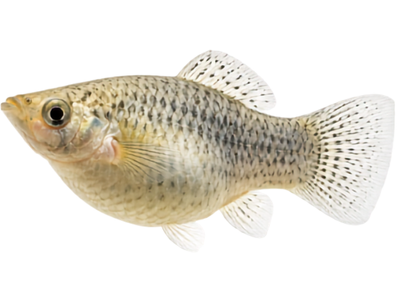
Male vs Female Molly Fish
Male and female Molly Fish have several noticeable differences in appearance, size, and behaviour. Identifying their gender is important, especially if you plan to breed them or maintain a peaceful aquarium.
Male Molly Fish
-
Smaller and slimmer body
-
Pointed anal fin (gonopodium)
-
Brighter and more vibrant colours
-
Longer and slightly pointed dorsal fin
-
More active during courtship and breeding
-
Frequently chases females during mating
-
Generally grows slightly smaller than females
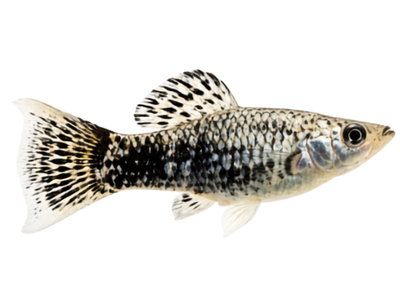
Female Molly Fish
-
Larger and fuller body
-
Rounded belly, especially when pregnant
-
Fan-shaped anal fin
-
Usually less colourful than males
-
Gives birth to live fry instead of laying eggs
-
Calmer and less aggressive than males
-
Generally grows larger than male Mollies
Food & Feeding For Molly Fish
Molly Fish are omnivores, meaning they naturally eat both plant-based and protein-rich foods. In the wild, they feed on algae, small insects, crustaceans, and plant matter. In an aquarium, providing a varied and balanced diet helps promote healthy growth, vibrant colours, a strong immune system, successful breeding, and a longer lifespan.
Best Foods
A healthy Molly Fish diet should include a combination of high-quality commercial foods and natural foods.
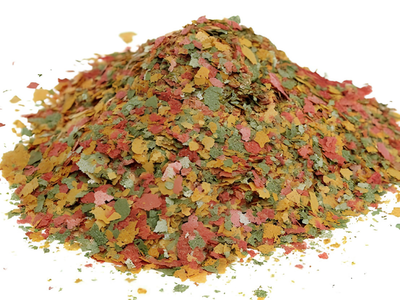
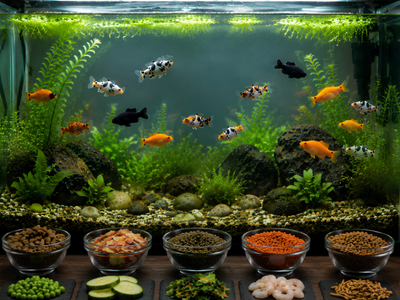
- High-Quality Tropical Flakes - A nutritious staple food for daily feeding.
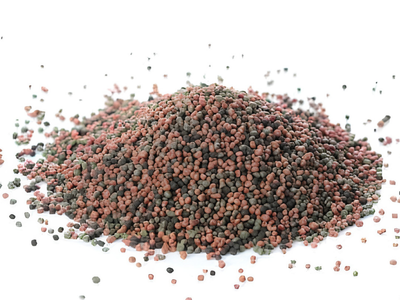
- Premium Tropical Pellets - Provide balanced nutrition and essential nutrients.
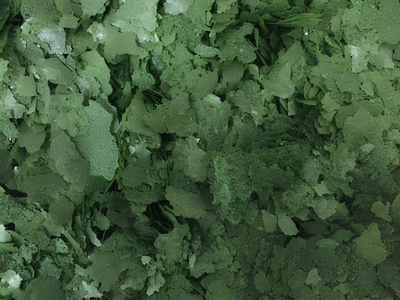
- Spirulina Flakes - Rich in plant protein and enhance natural colours.
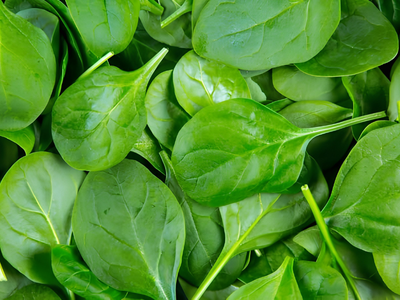
- Blanched Spinach - Supplies vitamins and supports healthy digestion.
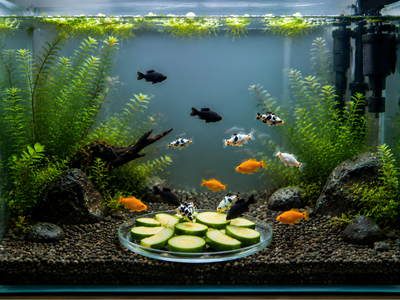
- Blanched Zucchini - A nutritious vegetable enjoyed by Mollies.
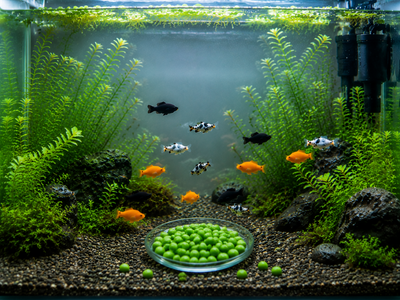
- Shelled Peas - Help improve digestion and prevent constipation.
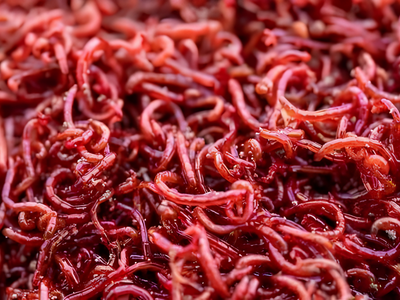
- Bloodworms (Occasionally) - High-protein treat that should be fed sparingly.
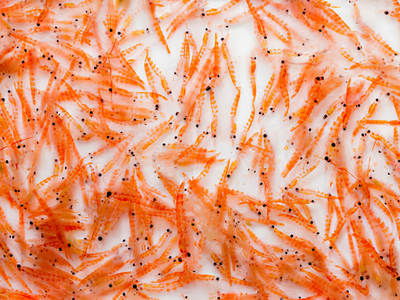
- Brine Shrimp - Boost growth and encourage active feeding.
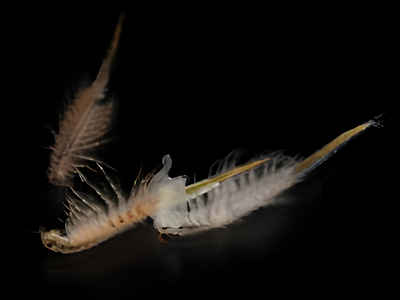
- Daphnia - Supports digestion and provides natural nutrition.
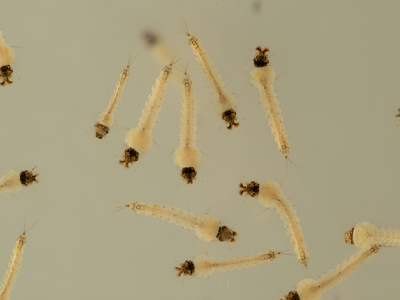
- Mosquito Larvae (Occasionally) - Protein-rich live food offered as an occasional treat.
- Live or Frozen Foods - Provide variety and stimulate natural feeding behaviour.

A varied diet ensures your Molly Fish receive all the essential proteins, vitamins, minerals, and fibre needed for optimal health.
Feeding Schedule
Juvenile Molly Fish
-
Feed 3 - 4 small meals per day.
-
Young Mollies grow rapidly and require frequent feedings to support healthy development, strong bones, and proper body growth.
Adult Molly Fish
-
Feed 2 small meals daily.
-
Adult Mollies require a balanced diet rather than frequent feeding. Offer only the amount of food they can consume within 2 - 3 minutes.
-
Always remove uneaten food after feeding to maintain excellent water quality.
Adjust the Diet as Your Molly Fish Grow
The nutritional needs of Molly Fish change as they mature.
Juvenile Mollies require slightly more protein to support rapid growth. As they become adults, their diet should include a greater balance of plant-based foods along with quality protein sources.
Instead:
-
Continue feeding premium flakes or pellets as the staple diet.
-
Include spirulina flakes and algae-based foods regularly.
-
Offer fresh vegetables such as spinach, zucchini, and peas several times a week.
-
Supplement the diet with bloodworms, brine shrimp, or daphnia only as occasional treats.
A balanced diet helps maintain healthy digestion, enhances natural colours, supports breeding, and prevents obesity.
Give Your Molly Fish One Fasting Day Every Week
A weekly fasting day is beneficial for adult Molly Fish.Skipping food for one day each week allows the digestive system to rest and helps prevent:
-
Constipation
-
Obesity
-
Digestive problems
-
Overfeeding-related health issues
-
Poor water quality caused by excess waste
Healthy adult Mollies can comfortably go one day without food, and regular fasting helps keep the aquarium cleaner.
Be Careful When Feeding Live Food
Live foods are an excellent source of protein and enrichment, but they can also introduce parasites, bacteria, or diseases if obtained from unreliable sources.
Before feeding live food:
-
Purchase live food only from trusted suppliers.
-
Avoid collecting insects or worms from polluted areas.
-
Never feed sick or unhealthy feeder fish.
-
Inspect live food for signs of disease or contamination.
-
Use frozen alternatives if you are unsure about the quality of live food.
Providing clean and safe live food greatly reduces the risk of disease while keeping your Molly Fish healthy and active.
Feeding Tips
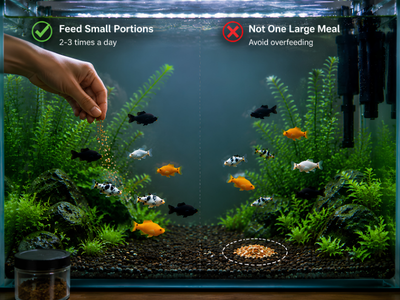
- Feed small portions rather than one large meal.
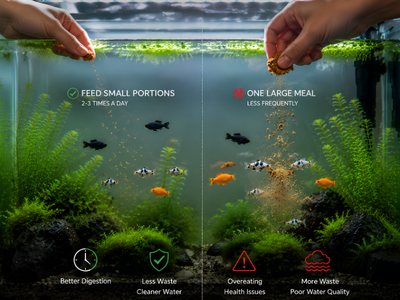
- Avoid overfeeding, as leftover food quickly pollutes the water.
- Rotate different food types to provide complete nutrition.
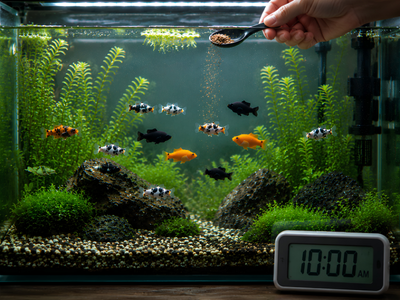
- Remove uneaten food within a few minutes.

- Feed at the same time each day to establish a healthy routine.
With a nutritious, varied diet and proper feeding schedule, Molly Fish will display brighter colours, stronger immunity, healthy growth, improved breeding success, and an active, energetic lifestyle.
Behavior & Personality For Molly Fish
Molly Fish are peaceful, active, and social freshwater fish that thrive in groups. They are constantly swimming, exploring their surroundings, and interacting with other fish, making them an excellent choice for community aquariums. Mollies are hardy, curious, and easy to care for, making them ideal for both beginners and experienced aquarists.
You may notice them:
- Swimming actively throughout the aquarium
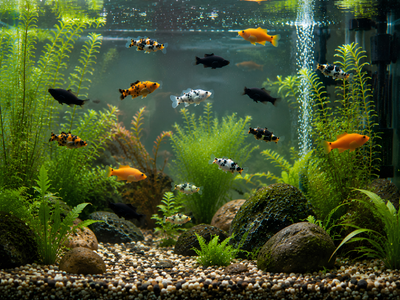
- Schooling or staying close to other Mollies
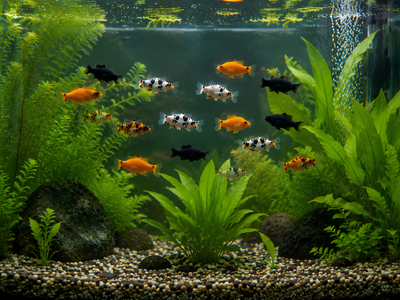
- Grazing on algae and biofilm around the tank
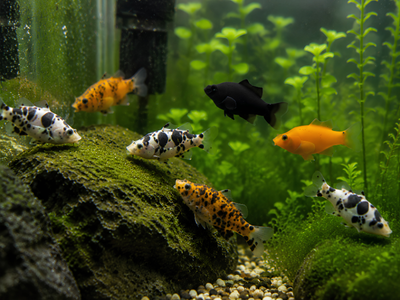
- Exploring plants, decorations, and hiding spots
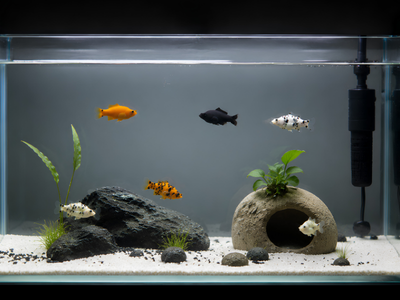
- Peacefully interacting with compatible tank mates
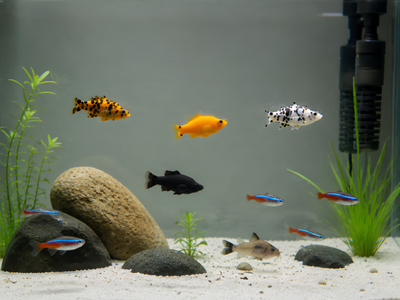
- Becoming more active during feeding time
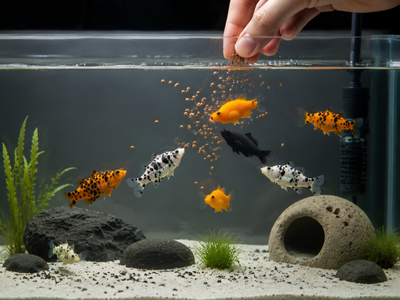
- Displaying brighter colours when healthy and comfortable
Although Molly Fish are generally peaceful, male Mollies may occasionally chase females or display mild territorial behaviour during breeding. To reduce stress, it is recommended to keep one male with two or three females and provide plenty of swimming space, live plants, and hiding places.
With proper care and a well-maintained aquarium, Molly Fish remain active, colourful, and entertaining, bringing constant movement and life to any freshwater tank.
Compatible Tank Mates For Molly Fish
Molly Fish are peaceful, social fish that do well in community aquariums with other calm and similarly sized species. The best tank mates are fish that share similar water parameters, have a peaceful temperament, and are unlikely to nip fins or display aggressive behaviour.
Compatible Tank Mates
The following species are excellent companions for Molly Fish:
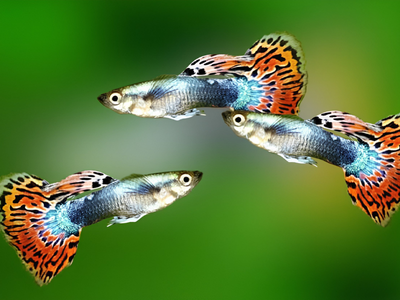
- Guppies - Peaceful livebearers with similar water requirements.
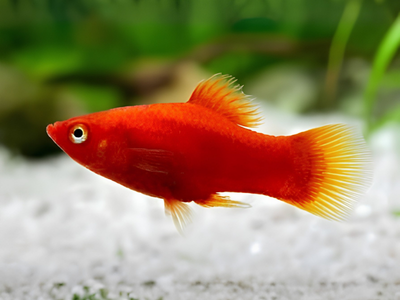
- Platies - Friendly, colourful fish that coexist well with Mollies.
- Swordtails - Active livebearers that share similar care needs.
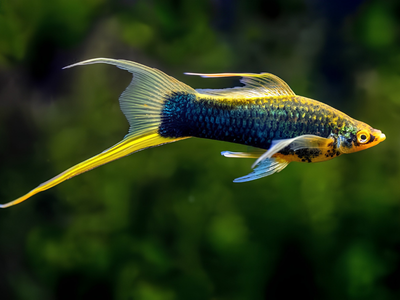
- Endler Guppies - Small, peaceful fish ideal for community aquariums.

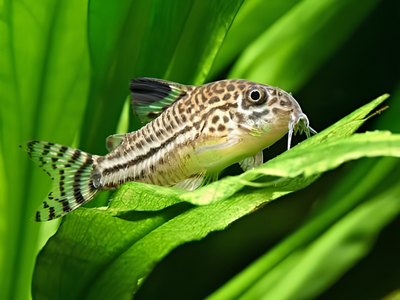
- Corydoras Catfish - Gentle bottom dwellers that help clean leftover food.
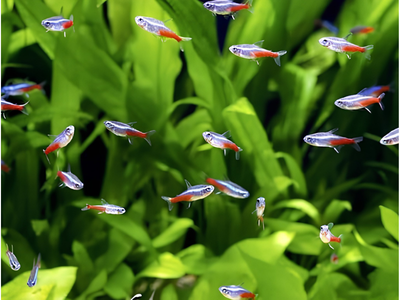
- Neon Tetras - Peaceful schooling fish that add colour and movement.
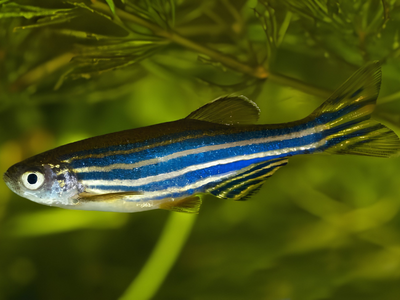
- Zebra Danios - Hardy, energetic fish compatible with Mollies.
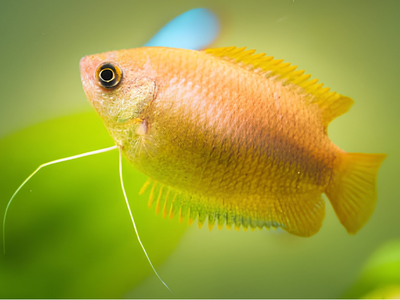
- Honey Gouramis - Calm fish that usually live peacefully with Mollies.
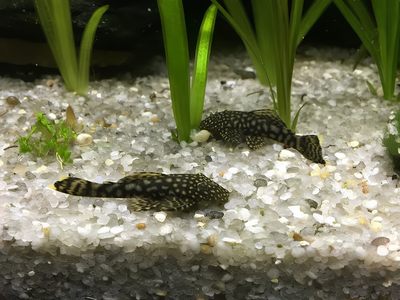
- Bristlenose Plecos - Excellent algae eaters for medium to large tanks.
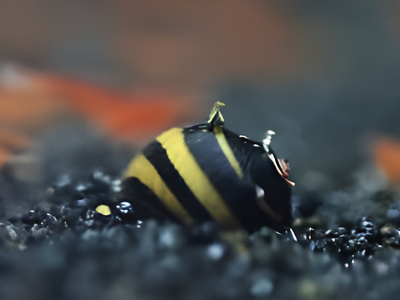
- Nerite Snails - Great algae eaters that are safe for planted aquariums.
Tank Mates to Avoid
Avoid keeping Molly Fish with aggressive, highly territorial, or fin-nipping species, as they can stress or injure your Mollies.
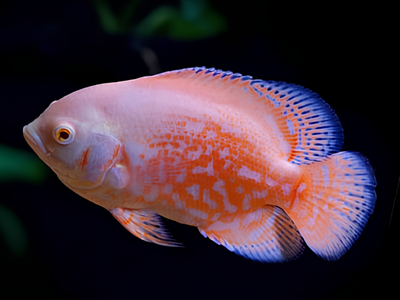
- Oscar Fish - Large and aggressive cichlids that may prey on Mollies.
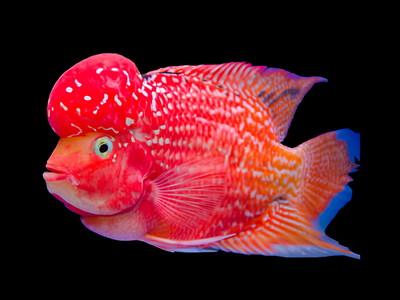
- Flowerhorn Fish - Highly territorial and unsuitable for community tanks.
- Green Terror - Aggressive cichlid that can bully smaller fish.
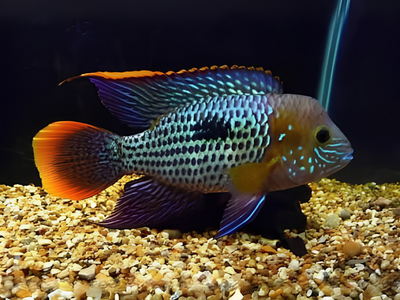
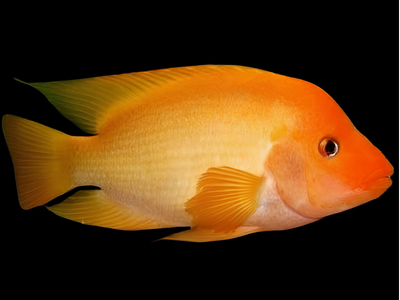
- Red Devil Cichlid - Extremely territorial and incompatible with Mollies.
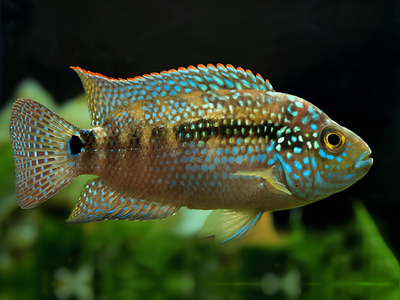
- Jack Dempsey - Aggressive cichlid that may attack peaceful fish.
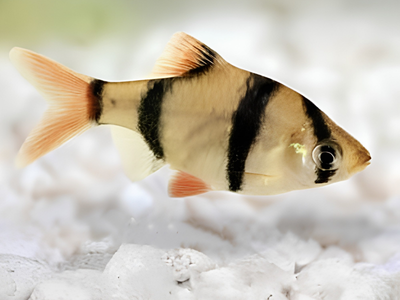
- Tiger Barbs - Known for fin-nipping, which can stress Mollies.
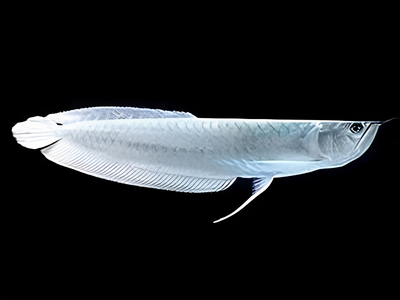
- Large Arowanas - Predatory fish that may view Mollies as food.
Tip: For the healthiest and most peaceful community aquarium, keep Molly Fish with other peaceful, similarly sized species that enjoy warm, slightly alkaline water. Avoid overcrowding and provide plenty of plants, hiding spots, and open swimming space to minimise stress and encourage natural behaviour.
Breeding Molly Fish
Molly Fish are livebearers, meaning they give birth to free-swimming fry instead of laying eggs. They are among the easiest freshwater fish to breed, making them an excellent choice for both beginners and experienced aquarists. With the right water conditions, a nutritious diet, and a stress-free environment, Mollies breed readily in home aquariums.
Breeding Tips
To encourage healthy breeding and improve fry survival:
-
Keep one male with 2 - 3 females to reduce stress on the females.
-
Maintain clean, warm water with a stable temperature of 24 - 28°C (75 - 82°F).
-
Feed a high-quality, varied diet including flakes, pellets, spirulina, and occasional live or frozen foods.
-
Provide plenty of live or floating plants such as Java Moss, Hornwort, or Water Sprite to give newborn fry safe hiding places.
-
Separate the fry or pregnant female if necessary, as adult Mollies may eat the newborn fry.
Breeding Information
| Breeding Factor | Details |
|---|---|
| Breeding Type | Livebearer |
| Gestation Period | 25 - 35 days |
| Fry Per Birth | 20 - 100 fry |
A healthy female Molly can give birth every 4 - 6 weeks if kept with a male under suitable conditions.
Feeding Molly Fry
Newborn fry are free-swimming immediately after birth and should be fed small, nutritious foods several times a day.
Suitable foods include:
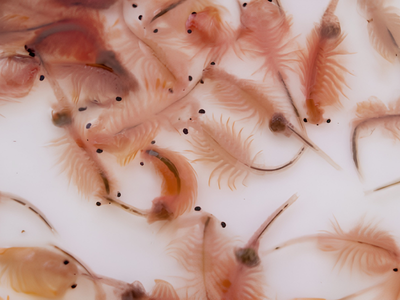
- Baby brine shrimp - Excellent for rapid growth and healthy development.
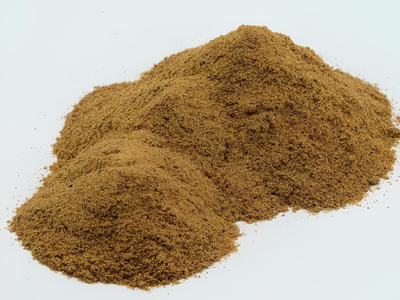
- Powdered fry food - Specially formulated for newborn fish.
- Microworms - A nutritious live food that promotes fast growth.
Feed the fry 3 - 4 small meals daily and perform regular water changes to maintain excellent water quality.
Tip: A well-planted breeding tank, clean water, and a nutritious diet significantly increase breeding success and improve the survival rate of Molly fry. With proper care, the fry will grow quickly and begin showing their colours within a few weeks.
Health & Common Diseases of Molly Fish
Although Molly Fish are hardy and resilient, poor water quality, stress, overcrowding, or improper nutrition can make them vulnerable to various diseases. Early detection and prompt treatment are essential for preventing the spread of illness and improving recovery rates.
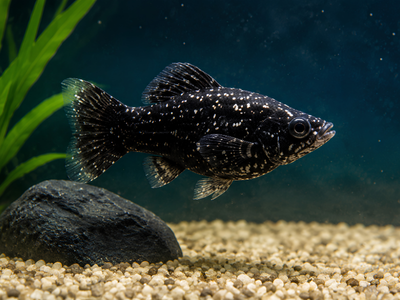
1. Ich (White Spot Disease)
Ich, also known as White Spot Disease, is one of the most common parasitic diseases affecting Molly Fish. It is highly contagious and spreads quickly if left untreated.
Symptoms
-
Small white spots resembling grains of salt on the body, fins, and gills
-
Frequent scratching or rubbing against rocks and decorations (flashing)
-
Rapid or heavy breathing
-
Clamped fins
-
Loss of appetite
-
Lethargy and reduced activity
-
Fish may hide more than usual
2. Fin Rot
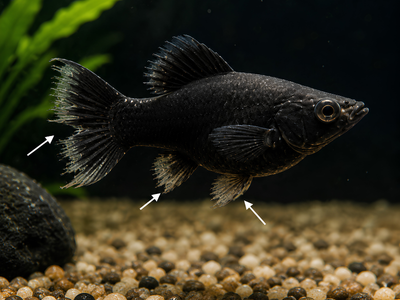
Fin Rot is a bacterial infection that gradually damages the fins and tail. It often develops when fish are stressed or kept in poor water conditions.
Symptoms
-
Torn, frayed, or ragged fins
-
White, black, or reddish edges on the fins
-
Gradual fin deterioration
-
Inflamed fin base
-
Reduced swimming activity
-
Severe cases may cause fins to shorten significantly
3. Velvet Disease
Velvet Disease is caused by microscopic parasites that attack the skin and gills. It progresses rapidly and should be treated as soon as symptoms appear.
Symptoms
-
Fine gold, yellow, or rust-coloured dust on the body
-
Frequent flashing or scratching
-
Difficulty breathing
-
Clamped fins
-
Loss of appetite
-
Lethargy
-
Fish may hide from light

4. Swim Bladder Disorder
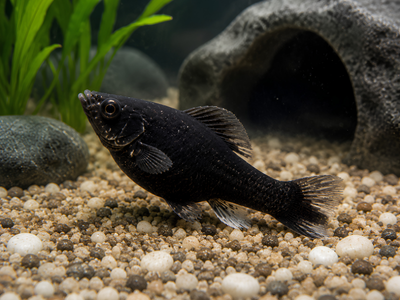
Swim Bladder Disorder affects the fish's ability to control its buoyancy. It is usually caused by digestive problems, injury, or bacterial infections.
Symptoms
-
Floating sideways
-
Difficulty swimming normally
-
Sinking to the bottom
-
Floating upside down
-
Loss of balance
-
Reduced appetite
5. Fungal Infection
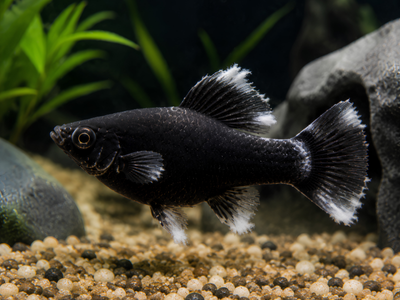
Fungal infections usually develop after an injury or when fish are stressed due to poor water quality.
Symptoms
-
White or grey cotton-like growth on the body, fins, or mouth
-
White fuzzy patches
-
Reduced activity
-
Loss of appetite
-
Damaged skin around the infected area
6. Dropsy
Dropsy is a serious condition caused by internal bacterial infections or organ failure. It is often difficult to treat once advanced.
Symptoms
-
Swollen or bloated abdomen
-
Raised scales creating a "pinecone" appearance
-
Lethargy
-
Loss of appetite
-
Difficulty swimming
-
Pale body colour
-
Bulging eyes in severe cases
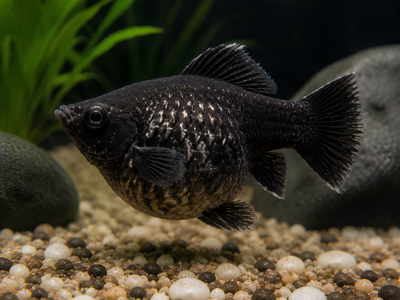
Tips to Keep Molly Fish Healthy
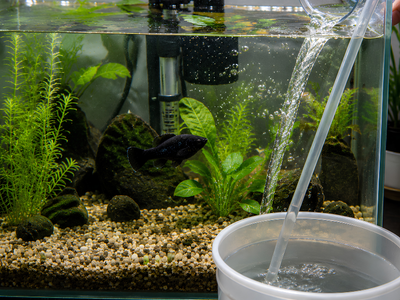
- Perform 25 - 30% weekly water changes.
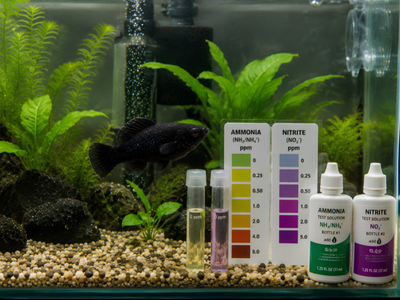
- Keep ammonia and nitrite at 0 ppm.
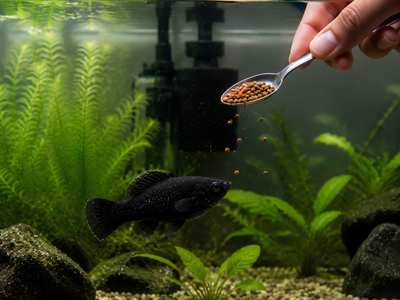
- Feed a balanced, high-quality diet without overfeeding.
- Quarantine new fish before introducing them to the main aquarium.
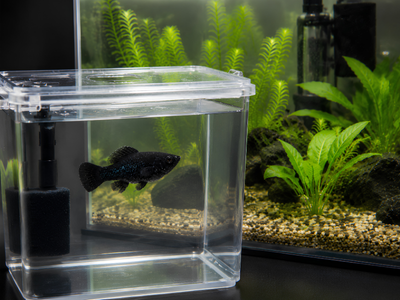
- Avoid overcrowding and aggressive tank mates.
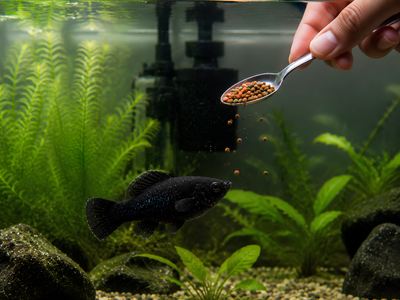
- Observe your Molly Fish daily for changes in behaviour, appetite, or appearance.
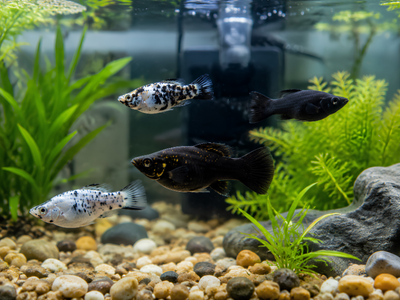
- Treat diseases promptly to prevent them from spreading.
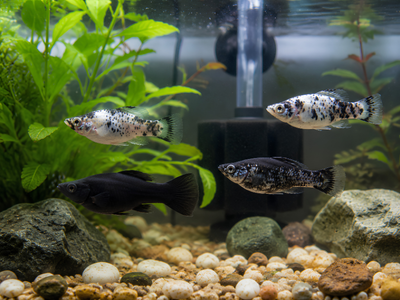
Tip: Most Molly Fish diseases are preventable with clean water, proper nutrition, stable water parameters, and regular aquarium maintenance. Early diagnosis greatly improves the chances of successful treatment and recovery.
Faq
1. Are Molly Fish good for beginners?
Yes. Molly Fish are one of the best freshwater fish for beginners because they are hardy, peaceful, easy to care for, and adapt well to a variety of aquarium conditions when provided with clean water and a balanced diet.
2. What is the ideal tank size for Molly Fish?
A minimum 20-gallon aquarium is recommended for 3 - 4 Molly Fish. Larger tanks provide better water stability, more swimming space, and healthier living conditions.
3. What water temperature is best for Molly Fish?
Molly Fish thrive in water temperatures between 24 - 28°C (75 - 82°F) with stable conditions and good filtration.
4. What do Molly Fish eat?
Molly Fish are omnivores and enjoy a varied diet that includes high-quality flakes, pellets, spirulina, algae wafers, vegetables like spinach and zucchini, and occasional live or frozen foods such as brine shrimp and bloodworms.
5. How often should I feed Molly Fish?
Adult Mollies should be fed twice a day in small portions they can finish within 2 - 3 minutes. Juveniles require 3 - 4 small meals daily.
6. How long do Molly Fish live?
With proper care, Molly Fish typically live 3 - 5 years, although some can live up to 6 years in excellent aquarium conditions.
7. Can Molly Fish live with other fish?
Yes. Molly Fish are peaceful community fish and can live with Guppies, Platies, Swordtails, Corydoras, Tetras, Zebra Danios, and other compatible species.
8. How can I tell the difference between male and female Molly Fish?
Male Mollies are smaller, slimmer, and have a pointed anal fin (gonopodium), while females are larger, have a rounded belly, and possess a fan-shaped anal fin.
9. How do Molly Fish reproduce?
Molly Fish are livebearers, meaning they give birth to live fry instead of laying eggs. A healthy female can produce 20 - 100 fry approximately every 4 - 6 weeks.
10. What are the most common diseases in Molly Fish?
Common diseases include Ich (White Spot Disease), Fin Rot, Velvet Disease, Swim Bladder Disorder, Fungal Infections, and Dropsy. Maintaining excellent water quality and proper nutrition helps prevent most illnesses.
11. How often should I change the water in a Molly Fish tank?
Perform a 20 - 30% water change every week to maintain good water quality and reduce harmful waste buildup.
12. Do Molly Fish need live plants?
Live plants are not essential but are highly recommended. They improve water quality, provide shelter, reduce stress, and create a more natural environment for Molly Fish.
13. Do Molly Fish need a heater?
If the room temperature is unstable or drops below the recommended range, using an aquarium heater helps maintain the ideal water temperature of 24 - 28°C (75 - 82°F).
14. Why are my Molly Fish staying near the surface?
Mollies may swim near the surface due to low oxygen levels, poor water quality, high ammonia, or inadequate filtration. Check water parameters and improve aeration if needed.
15. How can I keep Molly Fish healthy?
Maintain stable water conditions, provide a balanced diet, perform regular water changes, avoid overcrowding, quarantine new fish, and observe your Mollies daily for any signs of illness.
Conclusion
Keeping Molly Fish healthy is simple when you provide clean, well-filtered water, a spacious aquarium, a nutritious diet, and regular maintenance. By understanding their behaviour, ideal water parameters, breeding needs, and common health issues, you can create a safe and thriving environment where your Mollies will display their brightest colours and most active personalities. With proper care and consistent attention, Molly Fish can live long, healthy lives and become a beautiful addition to any freshwater aquarium.