
Molly Fish Overview - History, Colors, Behavior & Fun Facts
Discover the complete Molly Fish overview, including their history, vibrant colors, peaceful behavior, popular varieties, and fun facts for aquarium enthusiasts.
- What Is a Molly Fish?
- Origin & History of Molly Fish
- Popular Types of Molly Fish
- Molly Fish Colors & Their Look
- Molly Fish Behavior & Personality in Aquariums
- Why Molly Fish Are So Popular
- Fun Facts About Molly Fish
- Faq
- Conclusion
Molly Fish are among the most popular freshwater aquarium fish, loved for their vibrant colors, peaceful temperament, and easy care requirements. Whether you're setting up your first aquarium or expanding an existing community tank, Mollies are an excellent choice thanks to their adaptability and active nature. Their wide range of colors, unique varieties, and fascinating livebearing behavior make them a favorite among fishkeepers of all experience levels. In this guide, you'll discover everything you need to know about Molly Fish, including their origin, popular types, colors, personality, and the reasons they continue to be one of the most sought-after aquarium fish.
What Is a Molly Fish?
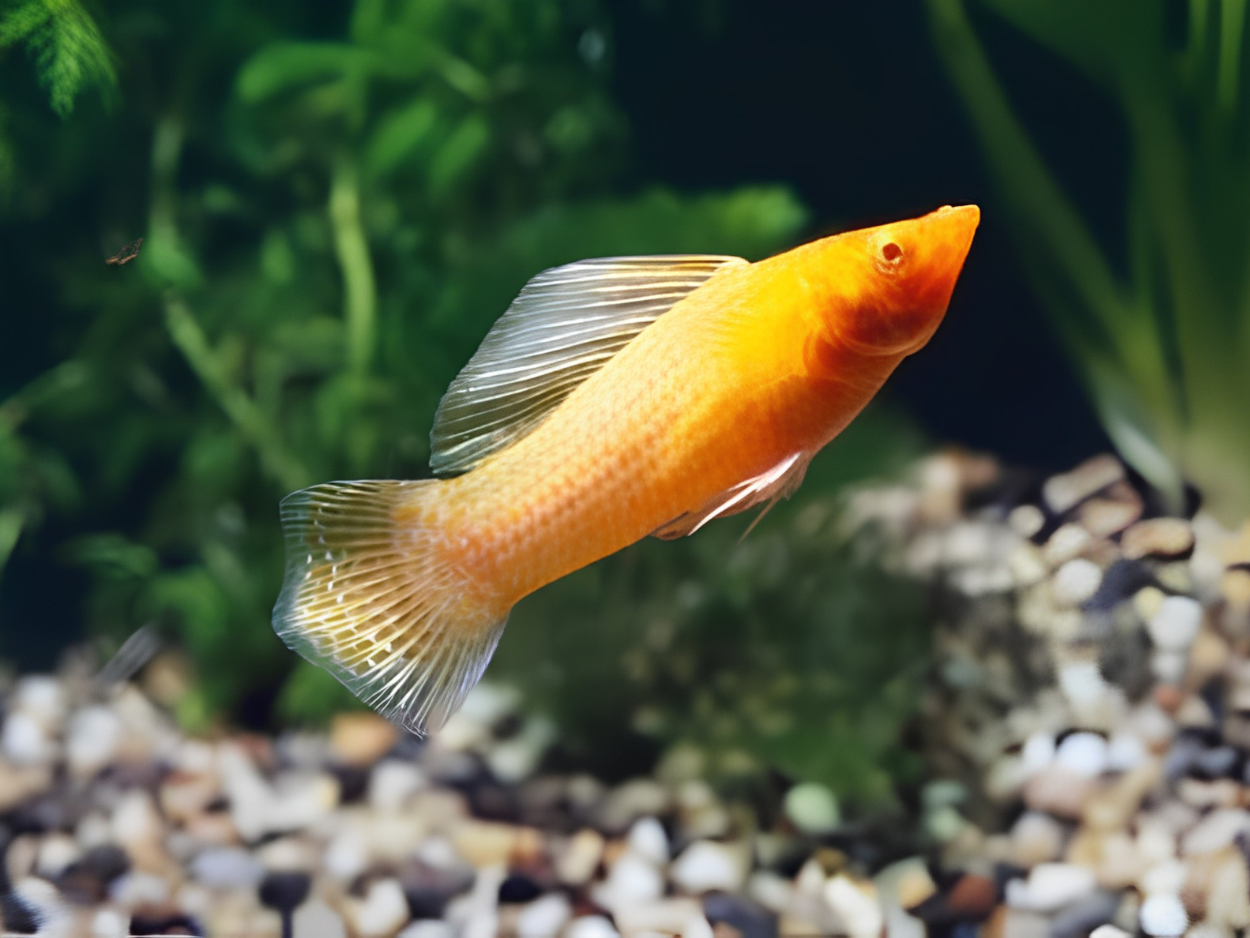
Molly Fish are peaceful freshwater livebearers belonging to the Poeciliidae family. They are loved for their vibrant colors, friendly nature, and easy care, making them one of the best aquarium fish for beginners. Available in many colors and fin varieties, Molly Fish add beauty and constant activity to community aquariums.
Physical Appearance
Molly Fish are admired for their graceful body shape and wide variety of colors. Depending on the variety, they may have rounded or elongated bodies, large dorsal fins, or decorative tails.
They are recognized by:
- Streamlined Body with Smooth Scales - Molly fish have a sleek, streamlined body covered with smooth, shiny scales, allowing them to swim gracefully and making them one of the most elegant livebearer fish.
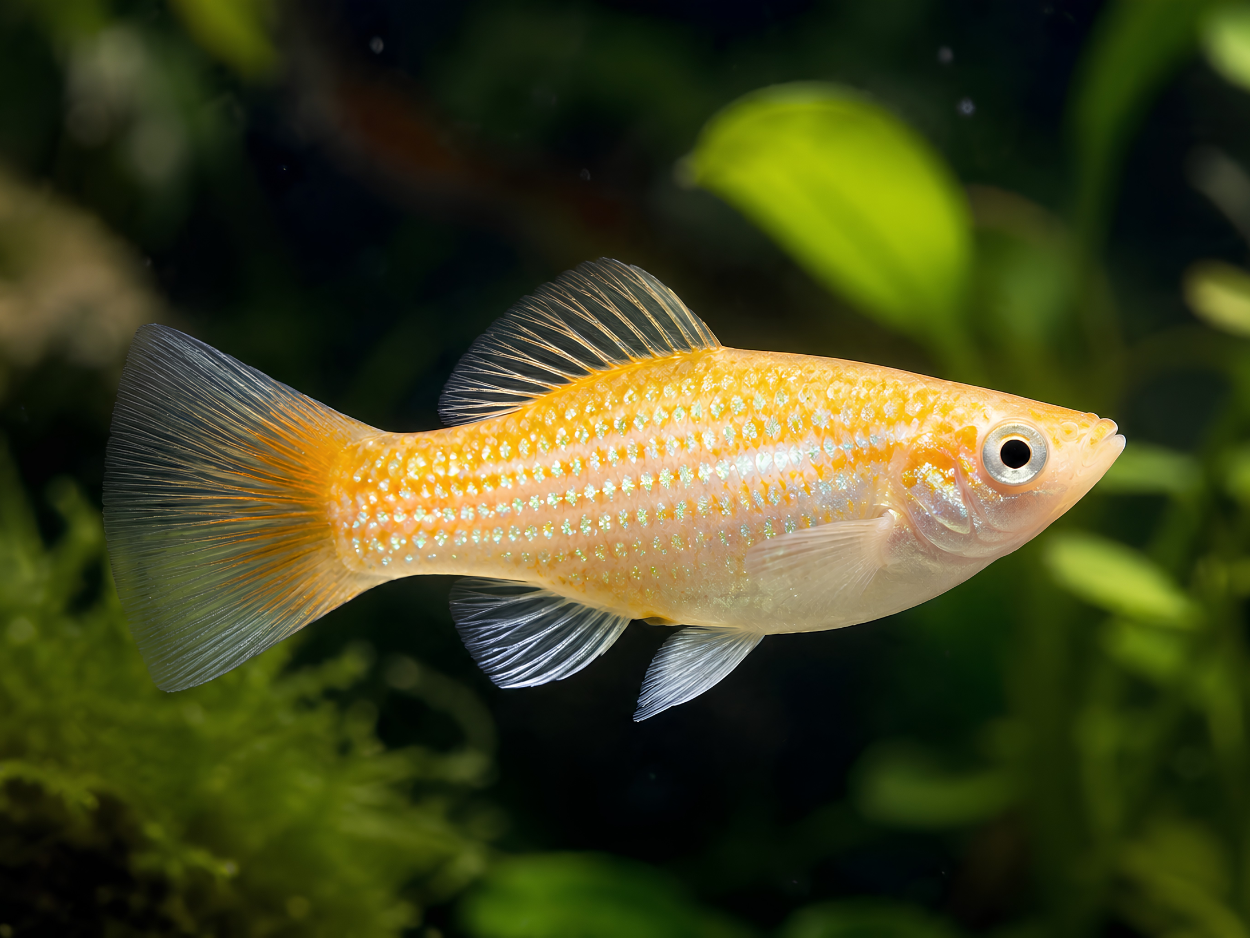
- Bright Colors - Available in black, white, gold, orange, silver, marble, and many other vibrant colors.
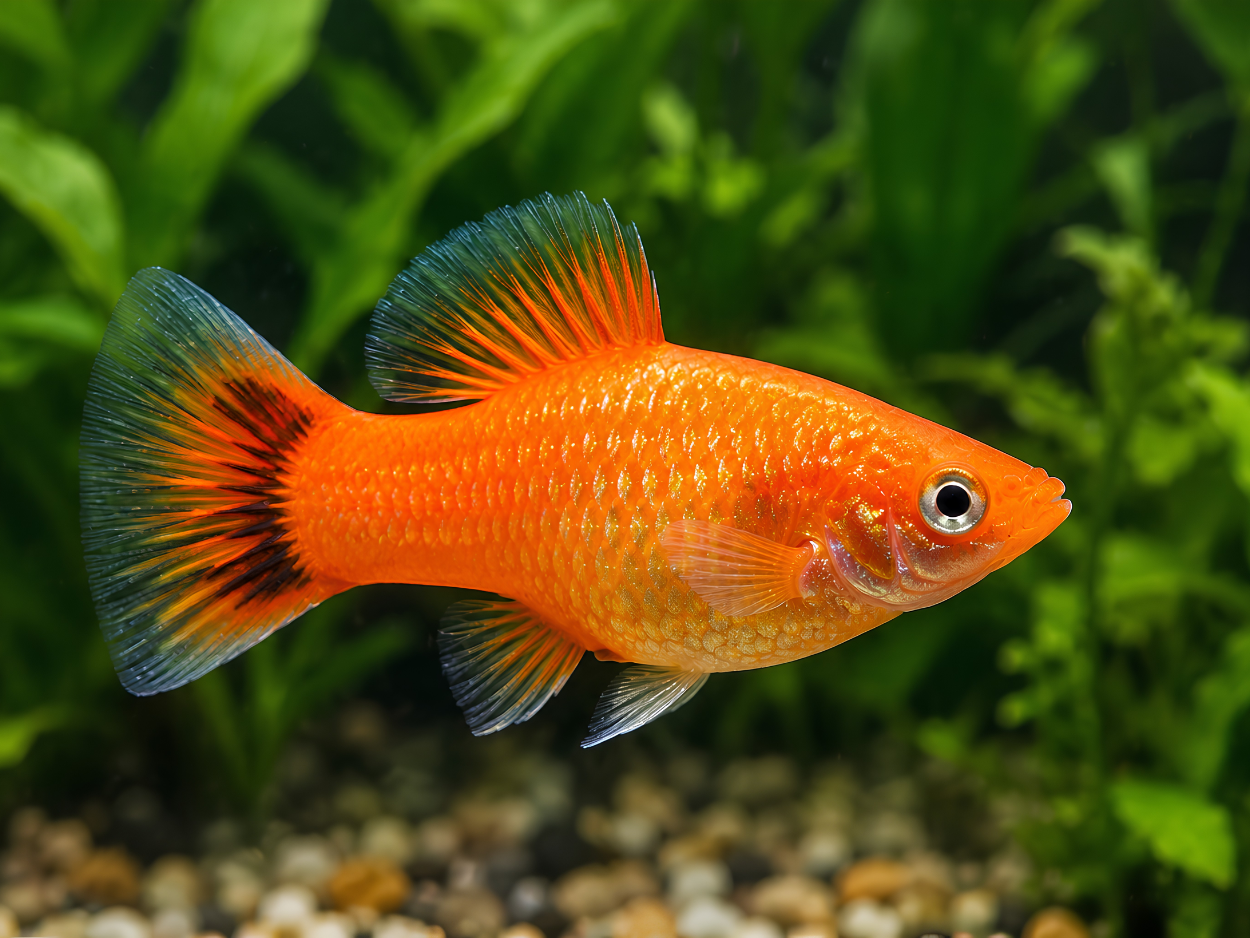
- Rounded or Elongated Body - Body shape varies by variety, from rounded Balloon Mollies to elongated Sailfin Mollies.
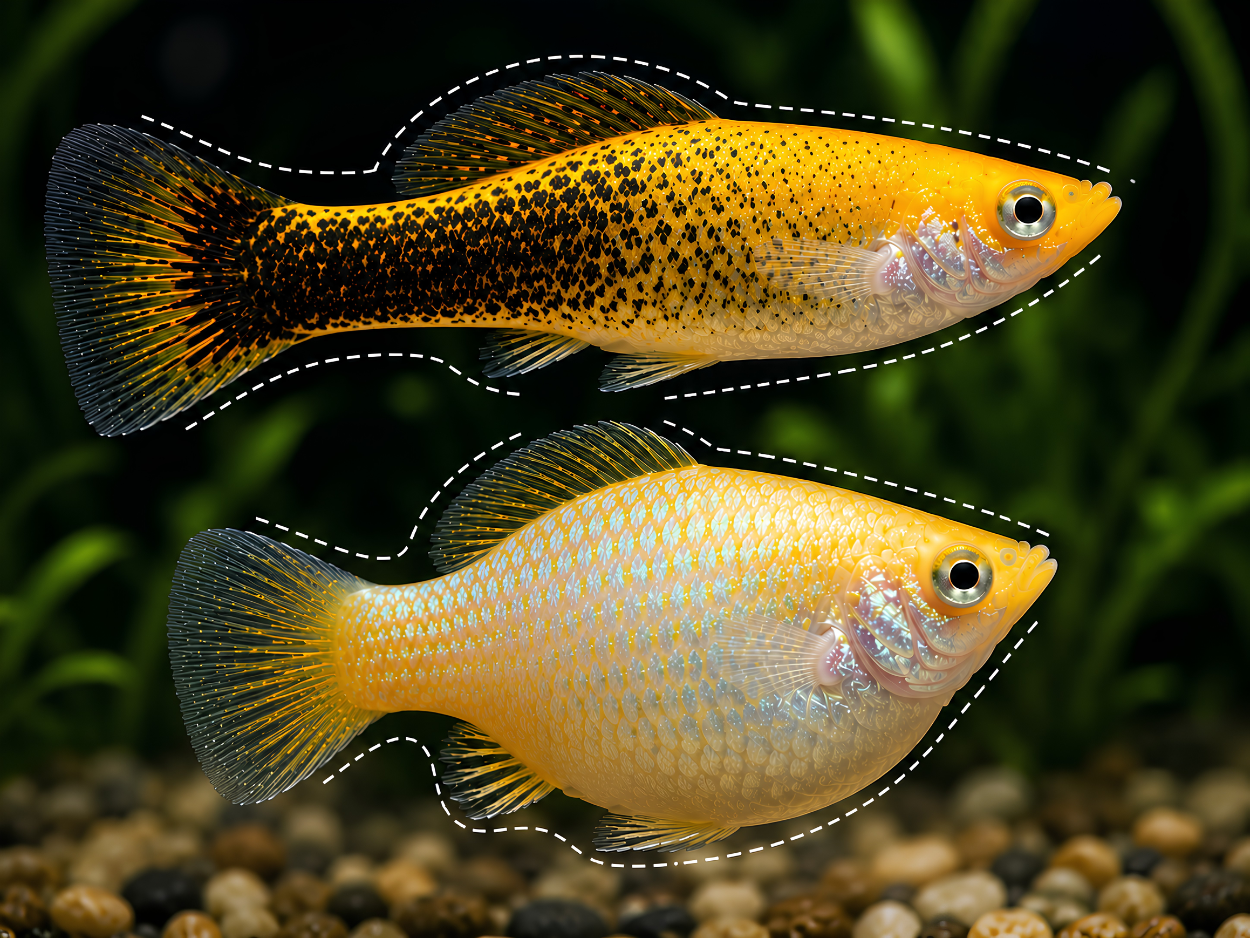
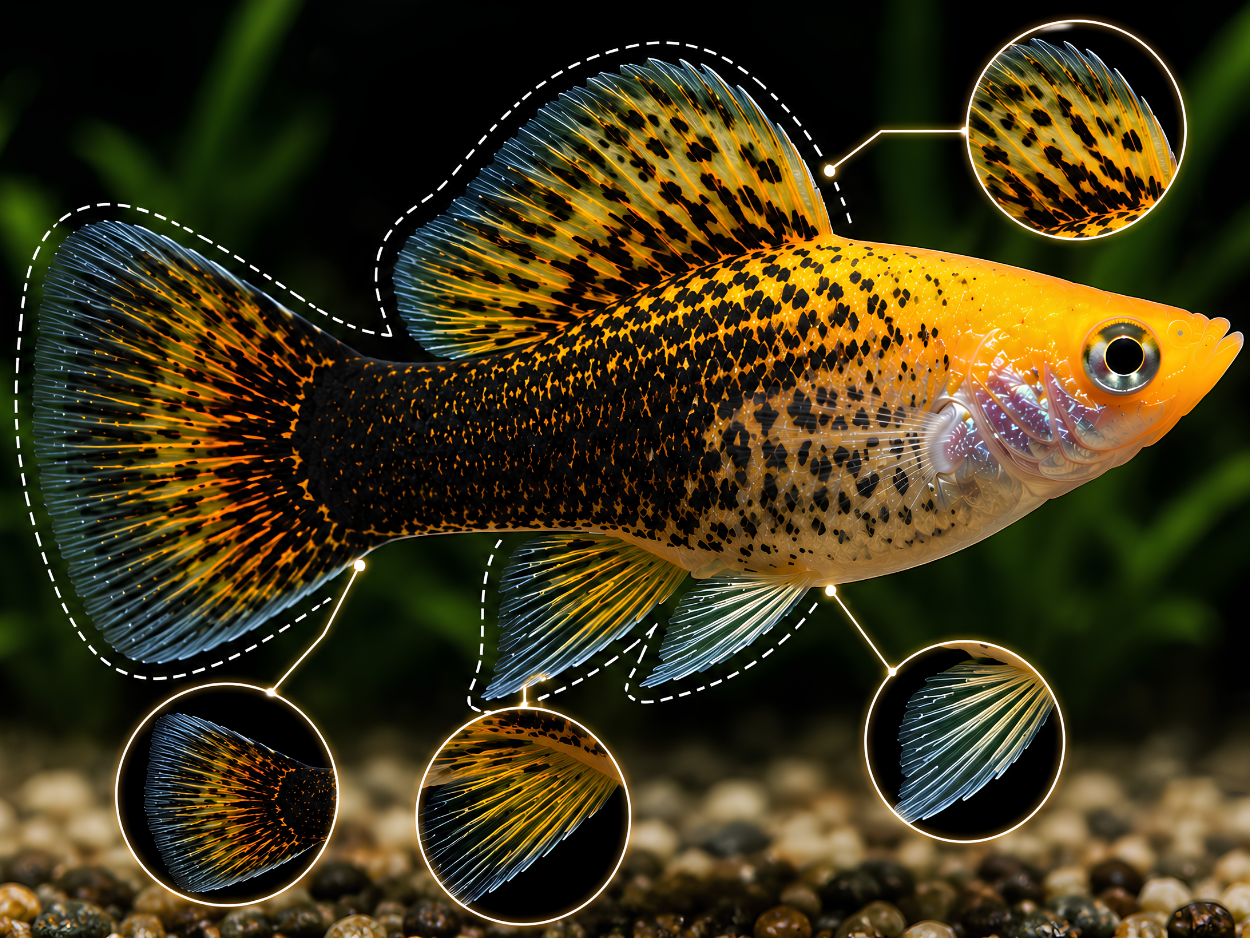
- Attractive Dorsal and Tail Fins - Beautiful, well-developed fins add elegance and improve their appearance.
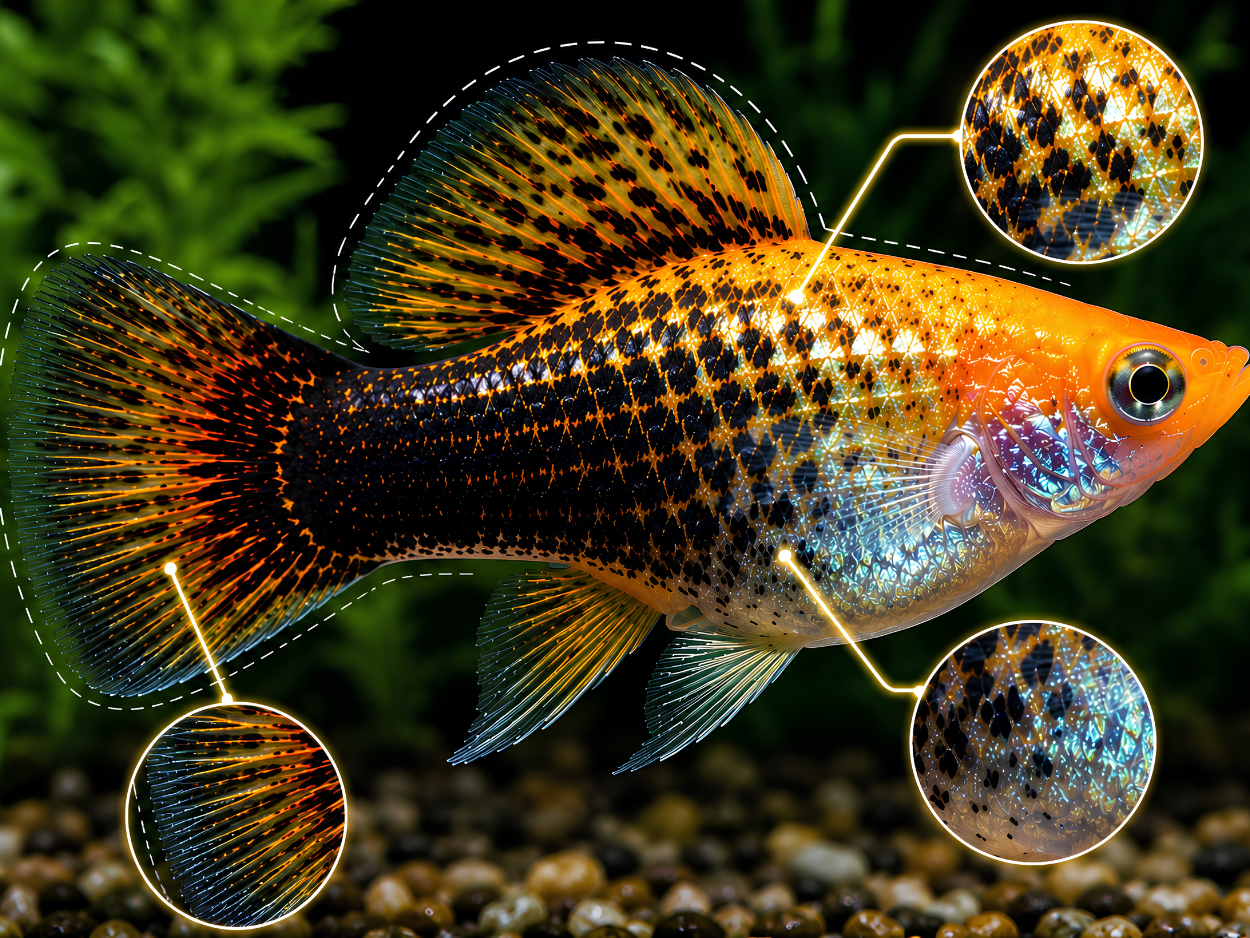
- Glossy, Shimmering Scales - Reflect light beautifully, giving the fish a bright, eye-catching look.
- Average Adult Size - Typically grows to 2.5–5 inches (6–12 cm), depending on the variety.
Origin & History of Molly Fish
Unlike many freshwater aquarium fish that are native to a single region, Molly Fish naturally occur across Central America. Their ability to thrive in both freshwater and brackish water environments has made them one of the hardiest and most adaptable tropical fish kept in home aquariums.
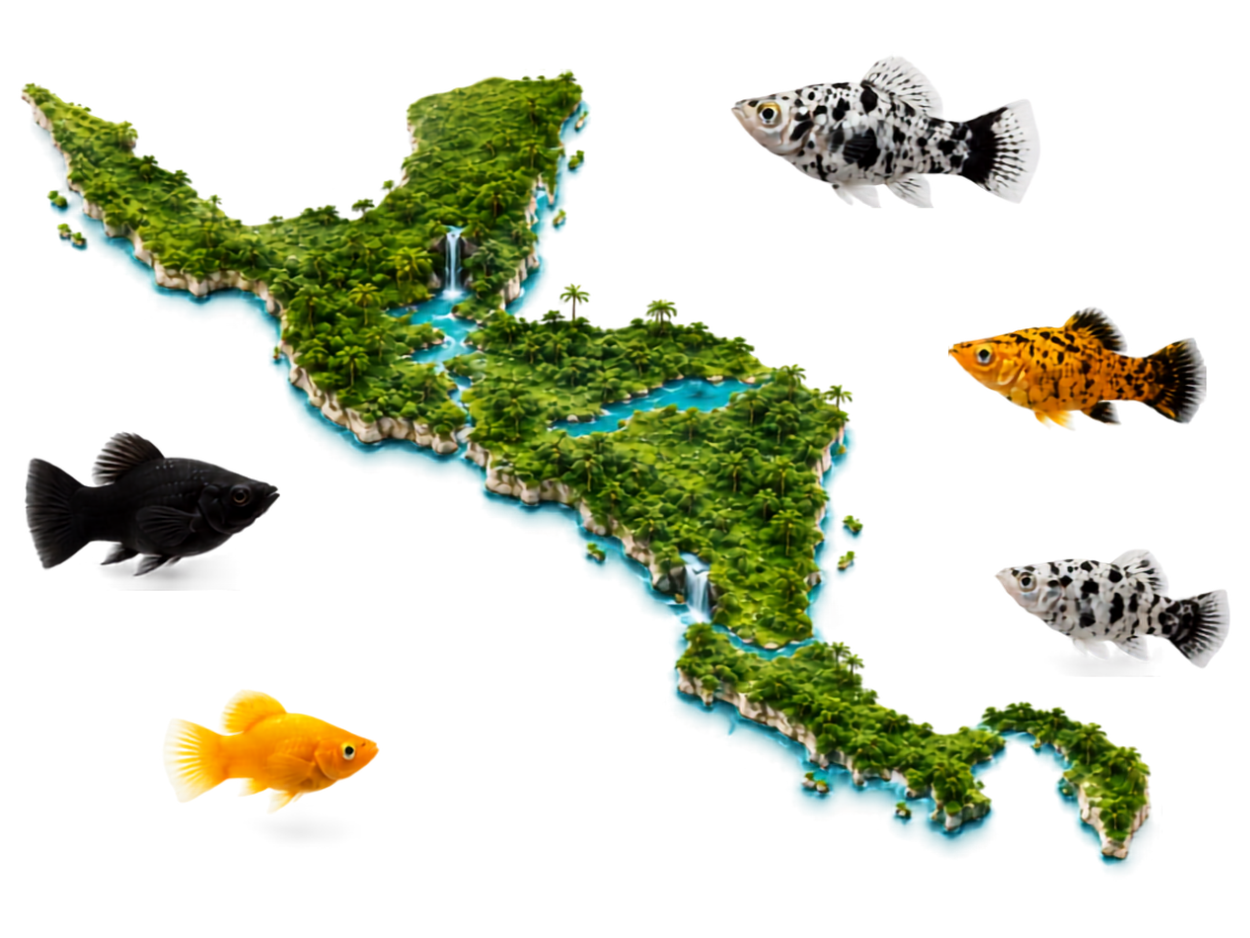
Native Origins
Molly Fish belong to the genus Poecilia and are members of the livebearer family, meaning they give birth to free-swimming young instead of laying eggs. In the wild, they inhabit warm waters with abundant aquatic plants and are commonly found in:
-
Slow - moving rivers
-
Streams
-
Marshes
-
Ponds
-
Lagoons
-
Coastal estuaries
-
Brackish water habitats where freshwater mixes with seawater
Their natural adaptability allows them to tolerate a wide range of water conditions, making them highly resilient and suitable for beginner as well as experienced aquarists.
Introduction to the Aquarium Hobby
Molly Fish entered the aquarium hobby during the early 1900s and quickly became popular due to their peaceful temperament, attractive appearance, and ease of care. Their hardy nature made them one of the first recommended tropical fish for community aquariums.
Aquarists especially appreciated Molly Fish because they:
- Adapt Well to Various Aquarium Conditions – Hardy fish that adjust easily to different water conditions
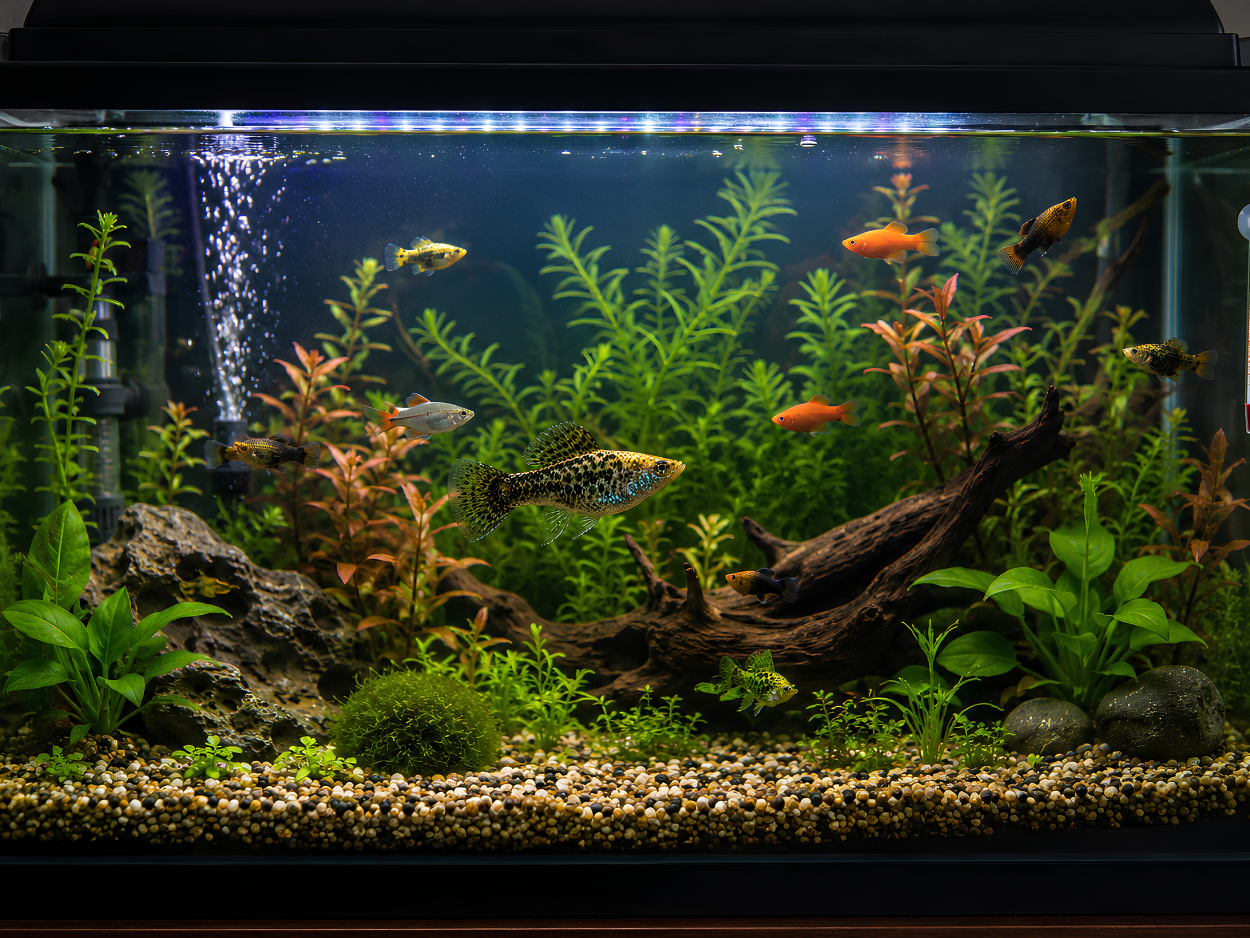
- Live Peacefully with Most Community Fish – Calm temperament makes them ideal for community aquariums.
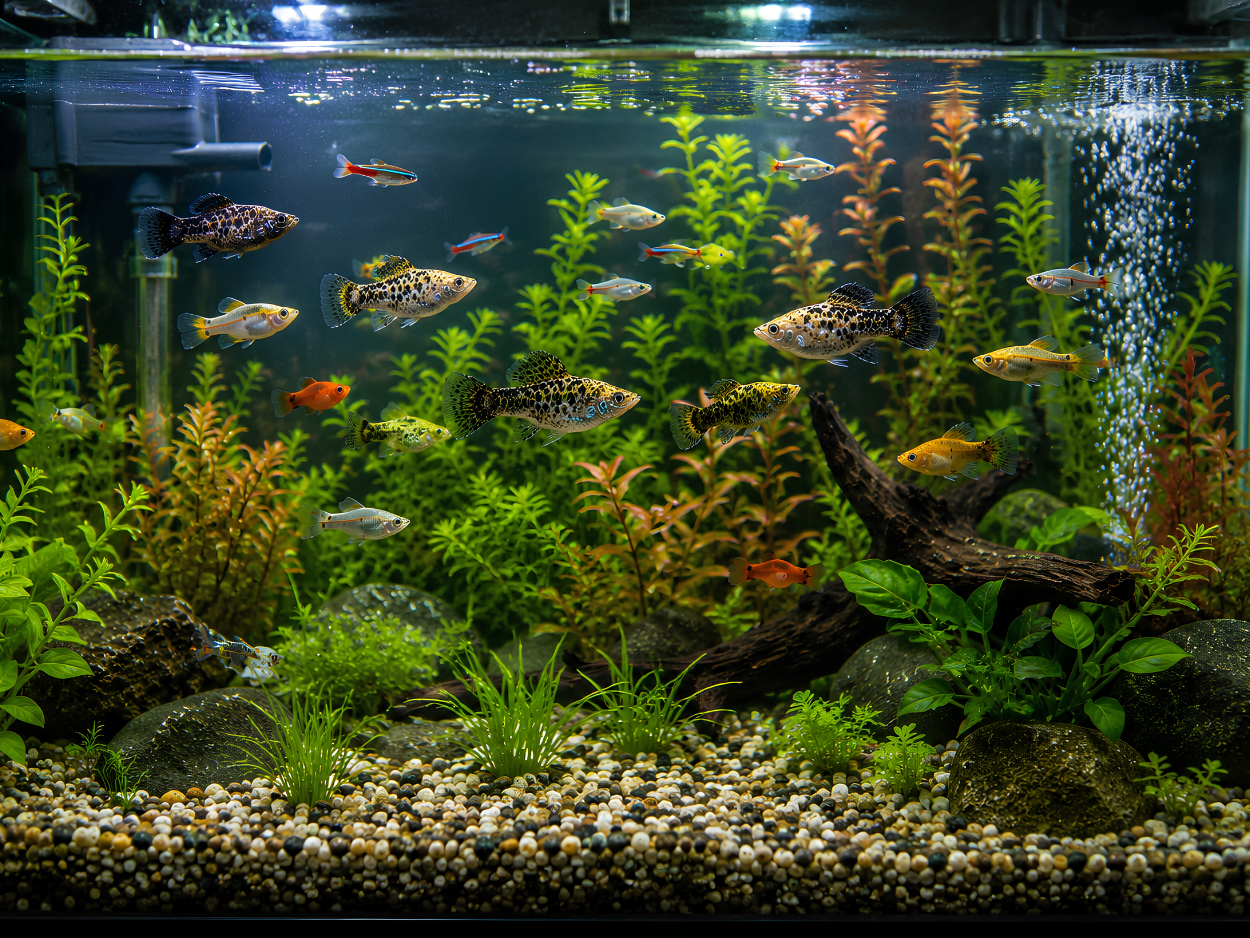
-
Breed Easily in Captivity - Reproduce readily, making them great for beginner breeders.
-
Wide Range of Colors and Patterns - Available in numerous beautiful colors and unique patterns.
-
Help Graze on Algae - Naturally feed on algae, helping keep the aquarium cleaner.
Their friendly behavior and low maintenance requirements helped establish them as one of the world's most popular livebearer fish.
Evolution Through Selective Breeding
As Molly Fish gained popularity, breeders around the world began selectively breeding them to enhance their appearance and create new varieties. Over several decades, selective breeding has produced fish with:
- Vibrant and unique body colors
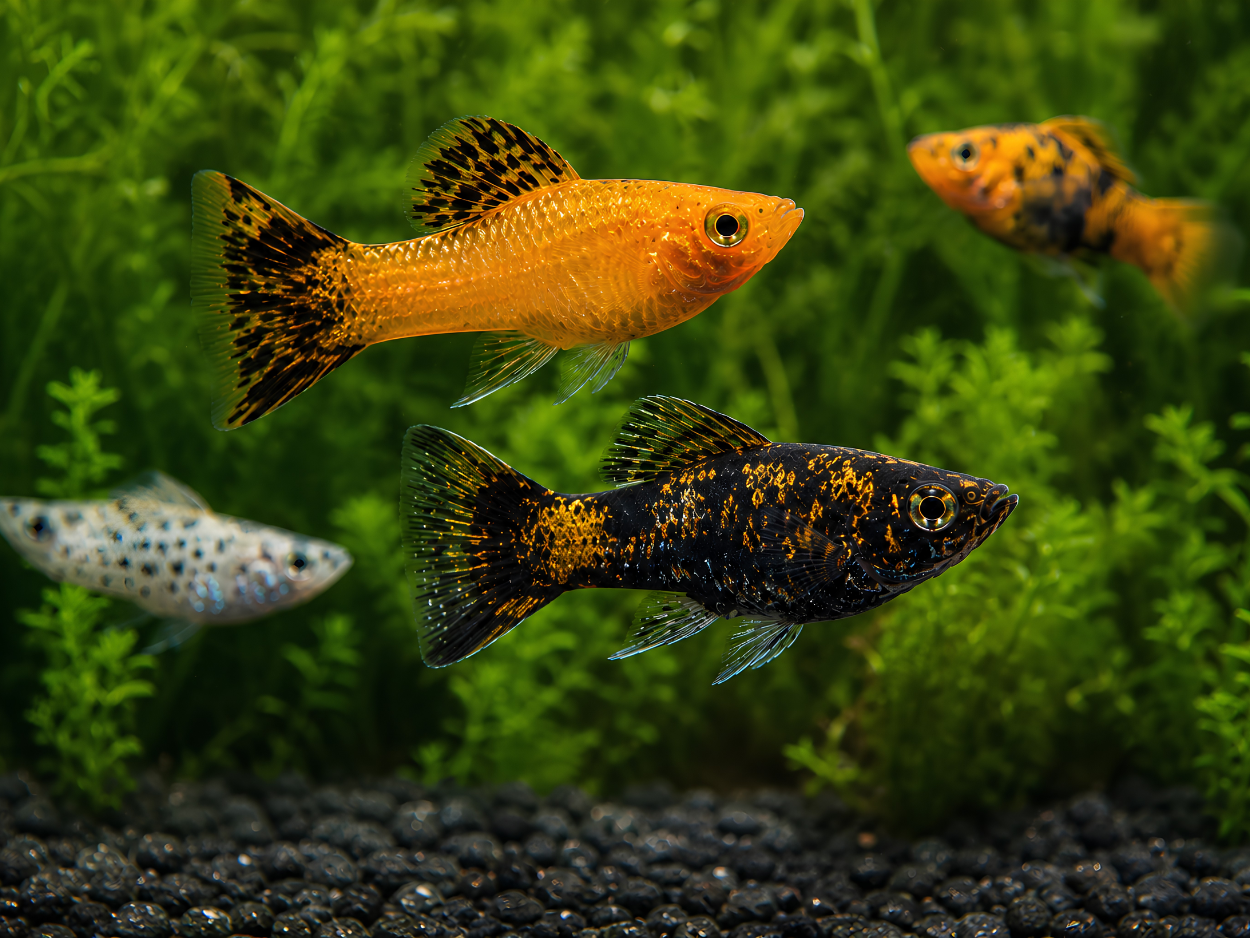
- Beautiful spotted and marbled patterns
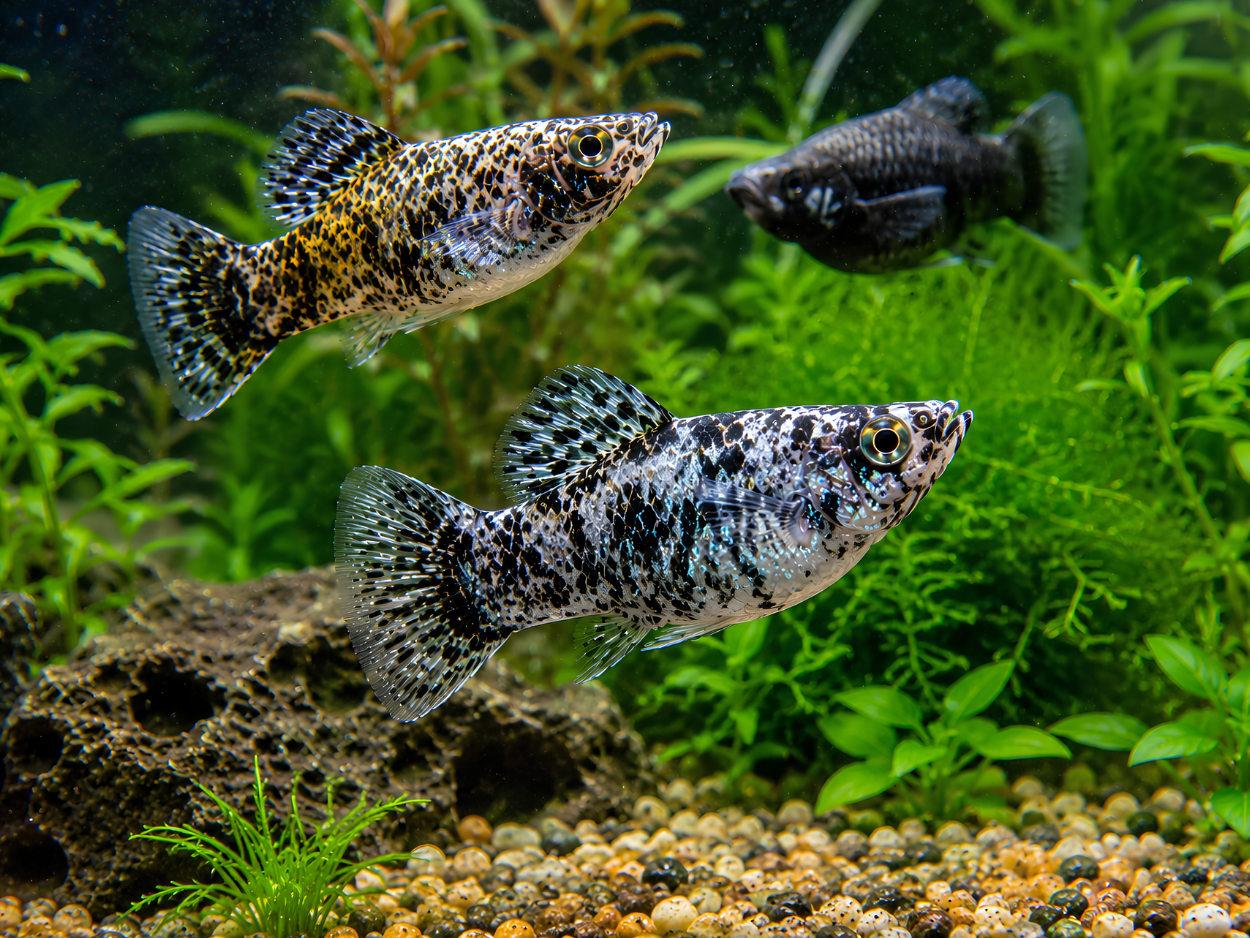
- Larger and more decorative fins
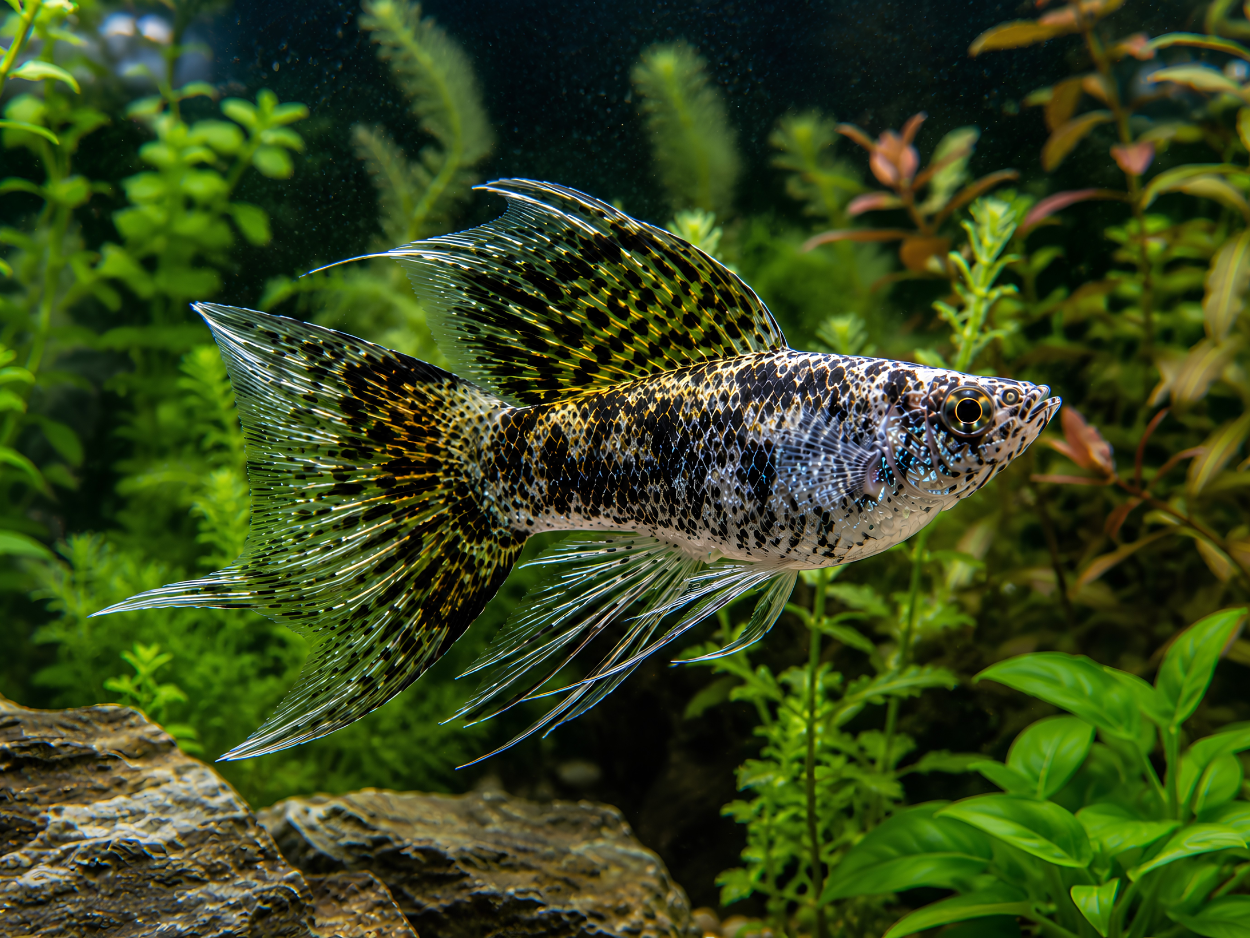
- Different tail shapes
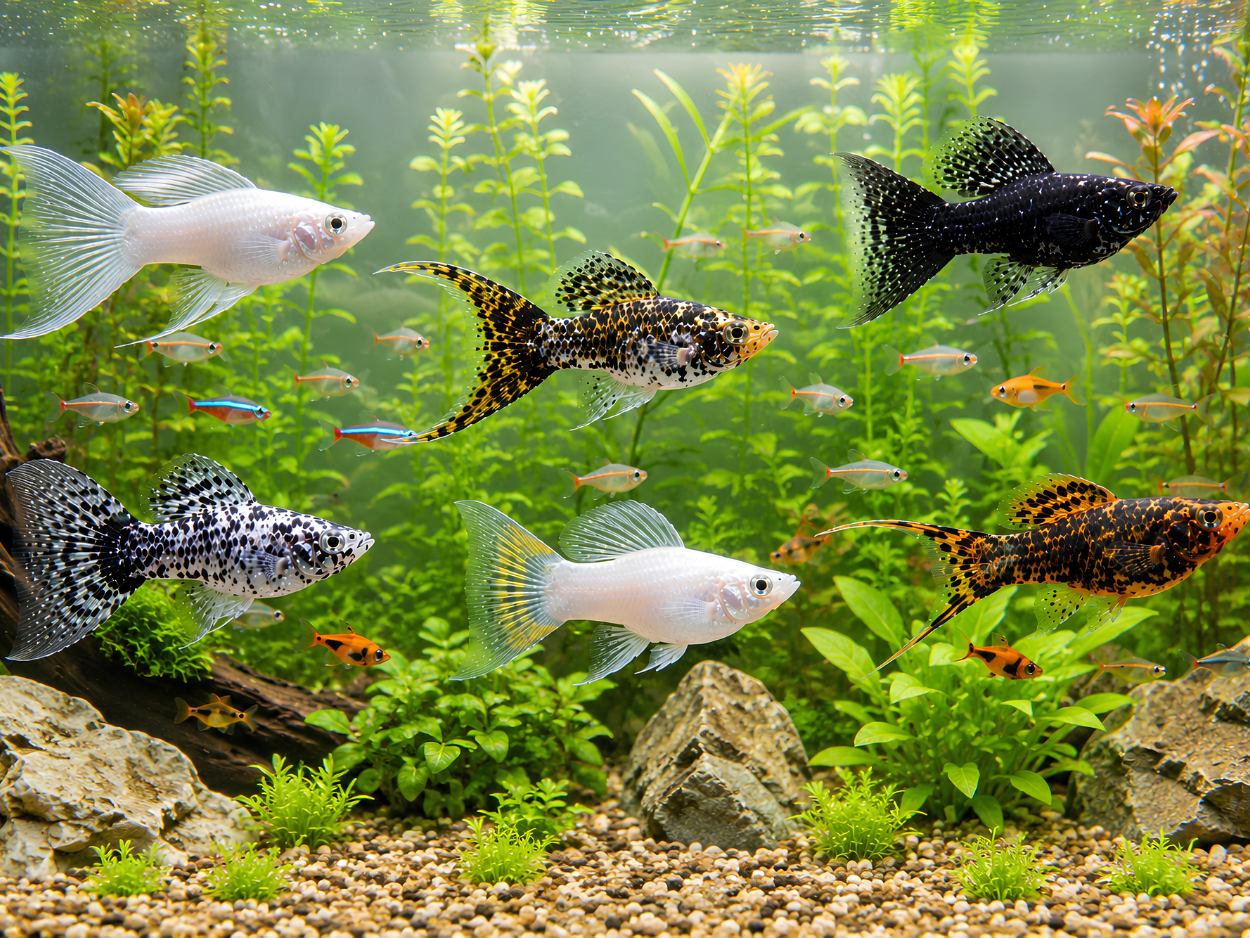
- Rounded and elongated body forms
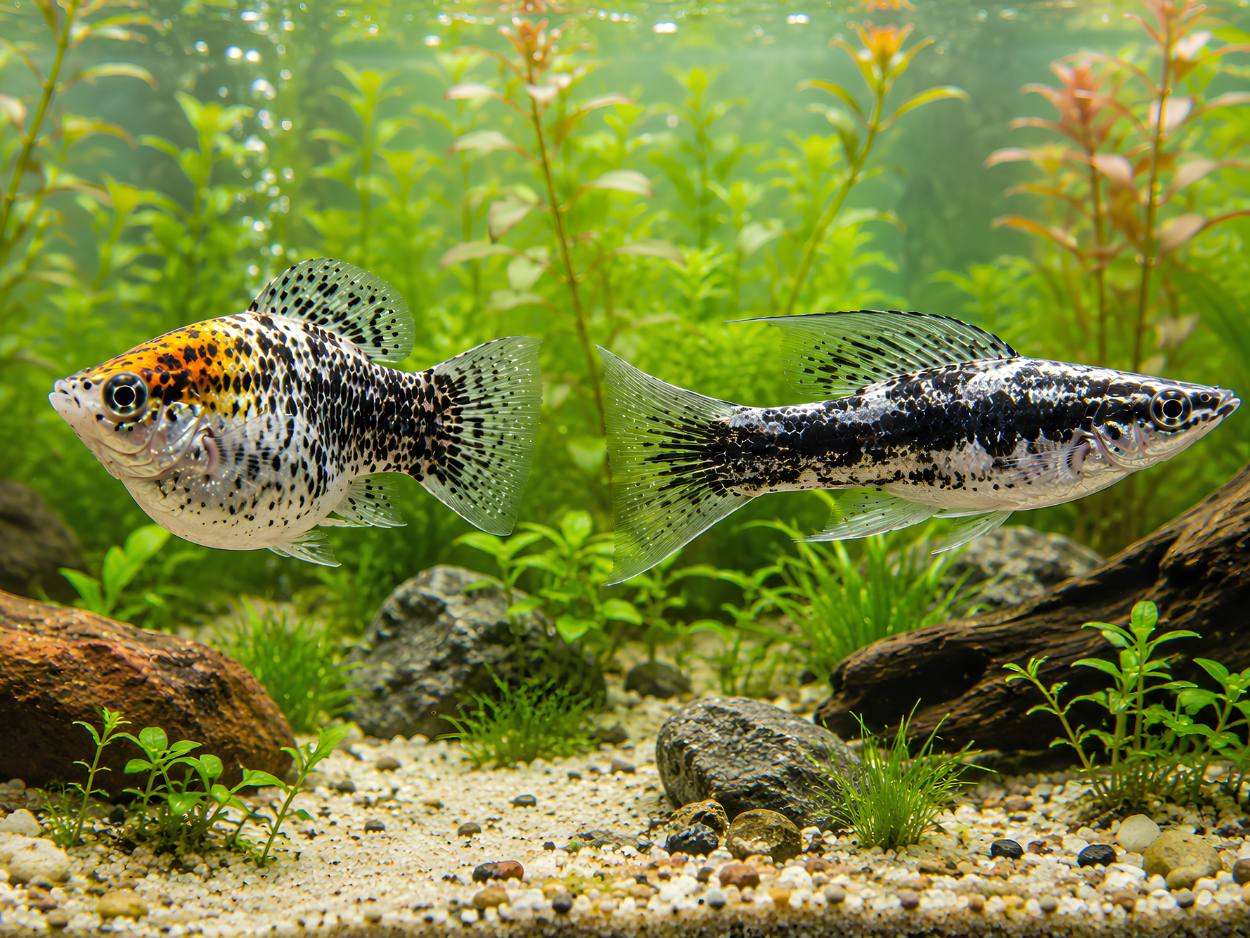
- Improved color intensity and overall appearance
These breeding programs transformed the naturally occurring wild Mollies into the wide variety of ornamental fish available in today's aquarium trade.
Modern Popularity
Today, Molly Fish are among the most widely kept freshwater aquarium fish across the world. Their adaptability, peaceful nature, colorful appearance, and active swimming behavior make them a favorite choice for hobbyists of all experience levels.
They are especially popular in:
-
Home aquariums
-
Community tanks
-
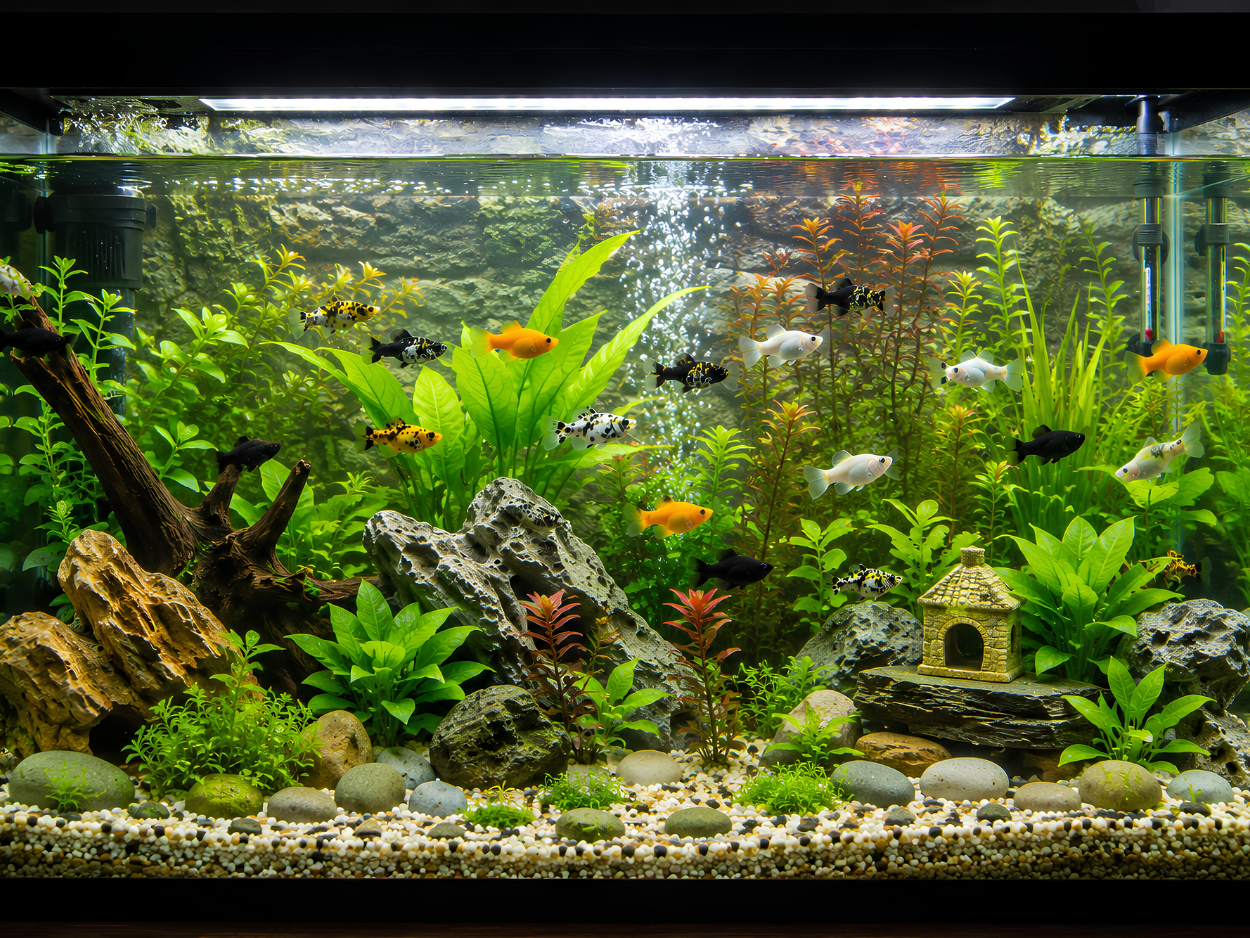
Planted aquariums
-
Beginner fishkeeping setups
-
Livebearer breeding projects
With dozens of beautiful color variations and fin types now available, Molly Fish continue to be one of the most loved tropical fish in the aquarium hobby.
Popular Types of Molly Fish
Molly Fish are available in a wide range of colors, body shapes, and fin styles, making them one of the most diverse livebearer fish in the aquarium hobby. Each variety has its own unique appearance while sharing the same peaceful temperament and hardy nature.
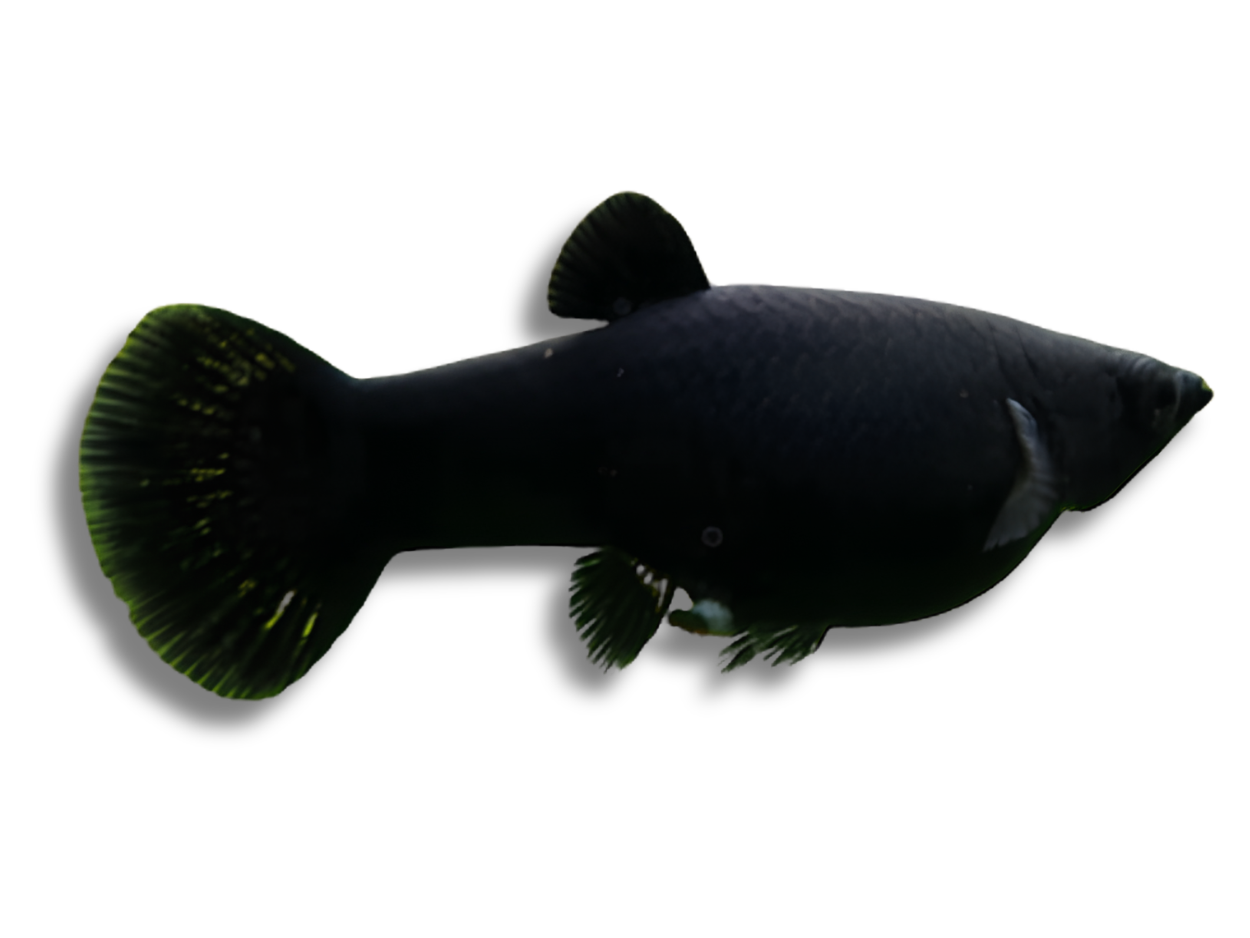
- Black Molly
The Black Molly is one of the most popular and easily recognizable Molly varieties. It features a solid jet-black body with a smooth, velvety appearance that creates a striking contrast against green aquatic plants. Black Mollies are hardy, active, and peaceful, making them an excellent choice for beginner and experienced aquarists alike.
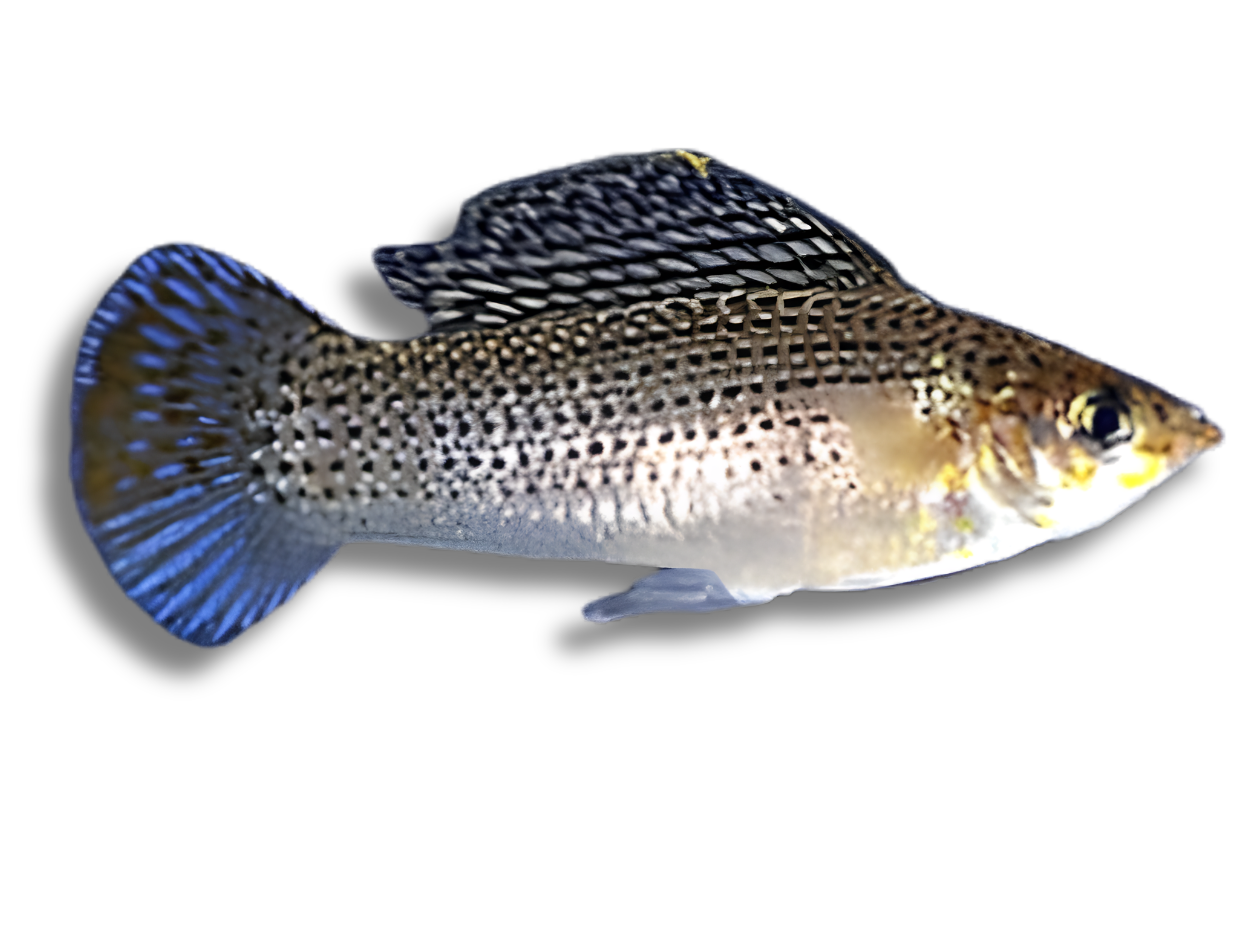
- Sailfin Molly
The Sailfin Molly is famous for its large, sail-like dorsal fin, which becomes especially impressive in mature males. It is one of the largest Molly varieties and requires a spacious aquarium to thrive. Its graceful swimming style and majestic fins make it a stunning centerpiece in community and planted tanks.
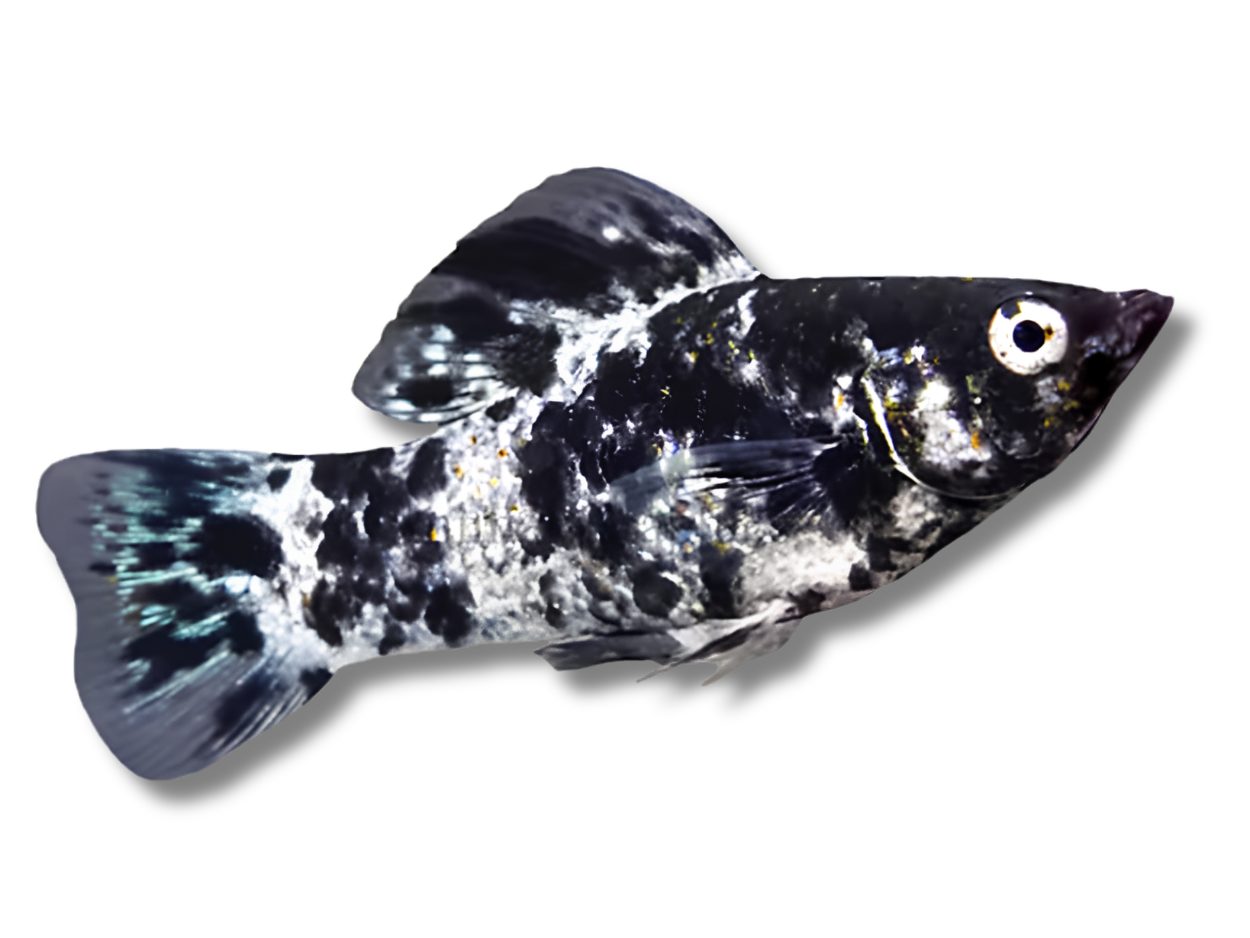
- Dalmatian Molly
The Dalmatian Molly is admired for its distinctive white or silver body covered with irregular black spots, resembling the coat of a Dalmatian dog. No two Dalmatian Mollies have the same pattern, making every fish unique. Their eye - catching appearance adds beauty and variety to any freshwater aquarium.
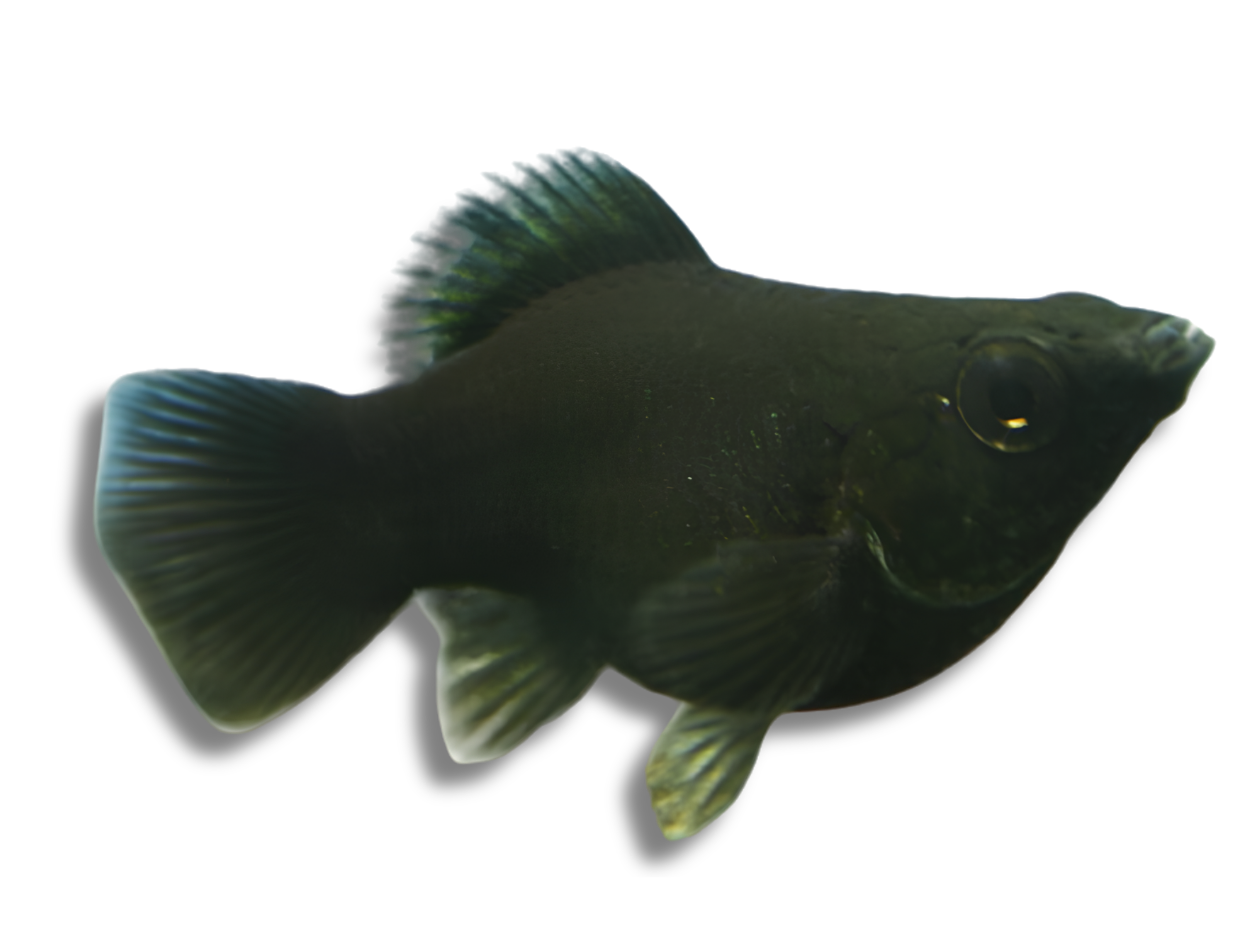
- Balloon Molly
The Balloon Molly is a selectively bred variety with a rounded, balloon - shaped body and a short, compact appearance. Despite its unique body shape, it is just as peaceful and active as other Mollies. Balloon Mollies are available in several attractive colors, including black, gold, silver, marble, and Dalmatian patterns, making them a popular choice for community aquariums.
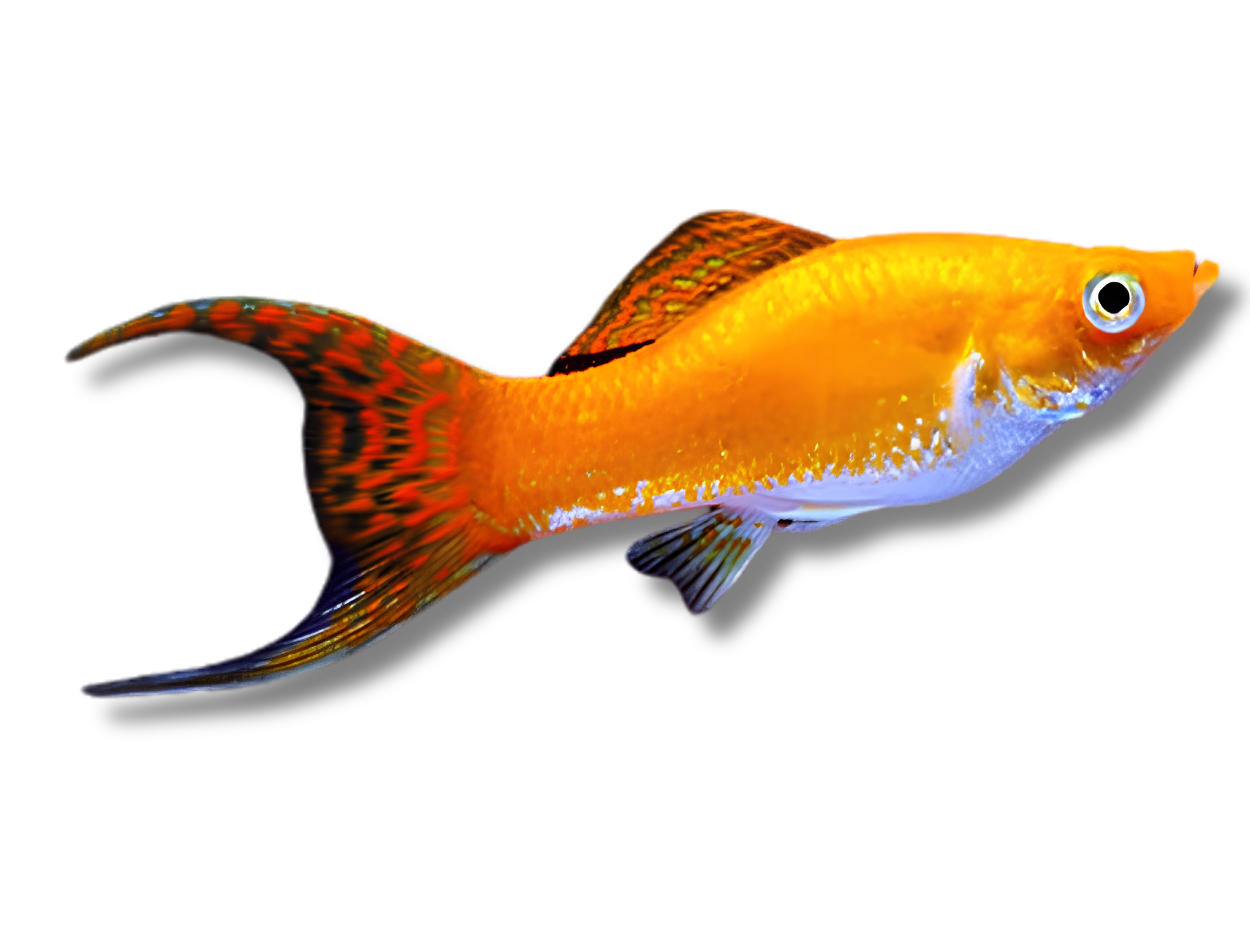
- Lyretail Molly
The Lyretail Molly is known for its elegant tail, where the upper and lower tail rays extend beyond the center to form a graceful lyre shape. This decorative tail gives the fish a stylish and eye - catching appearance while swimming. Lyretail Mollies come in various colors and are highly valued for their beauty and graceful movements.
Other Popular Molly Varieties
In addition to the varieties above, several other beautiful Molly Fish are commonly available in the aquarium trade. These include:
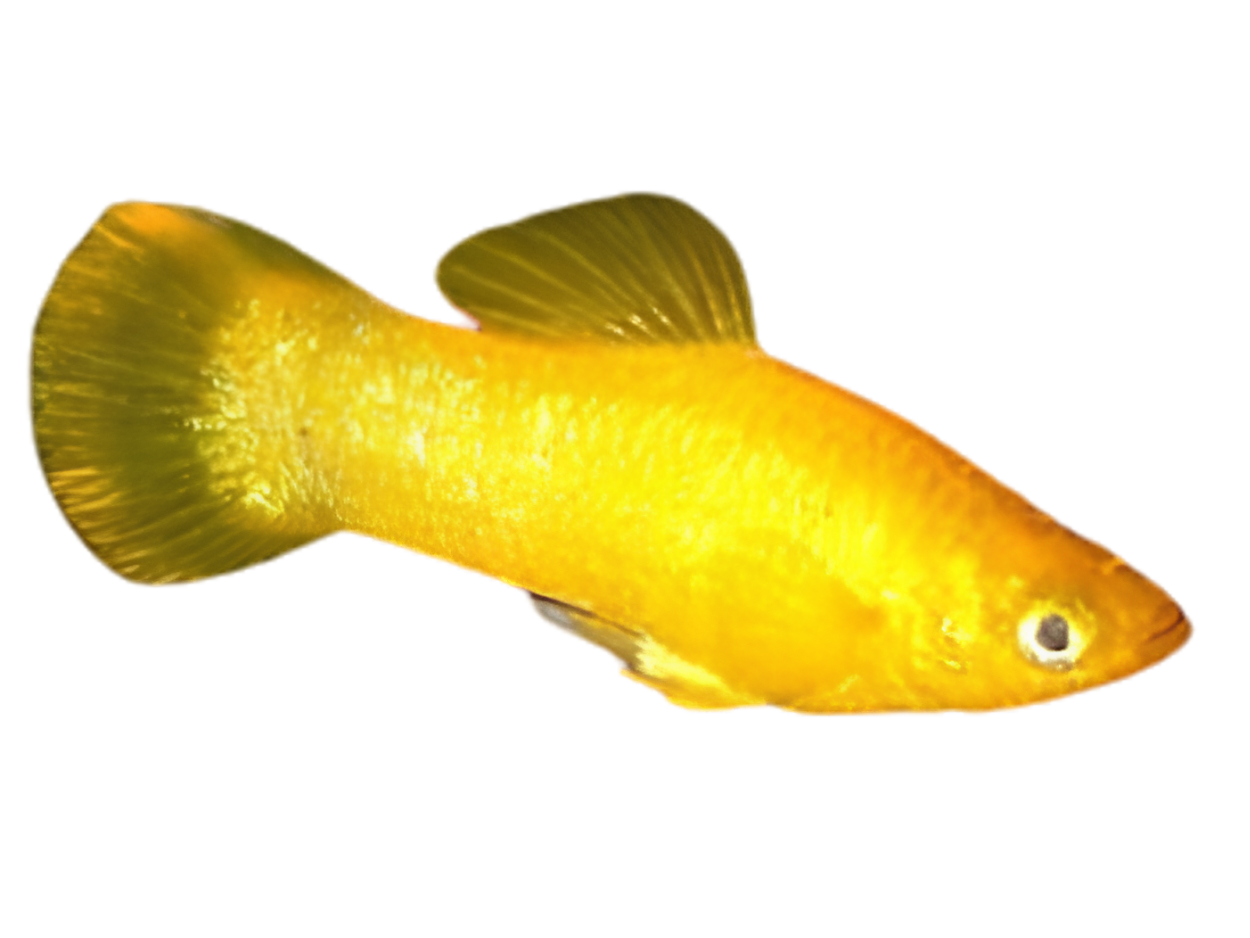
- Gold Molly - Features a bright golden - yellow body that adds warmth and color to the aquarium.
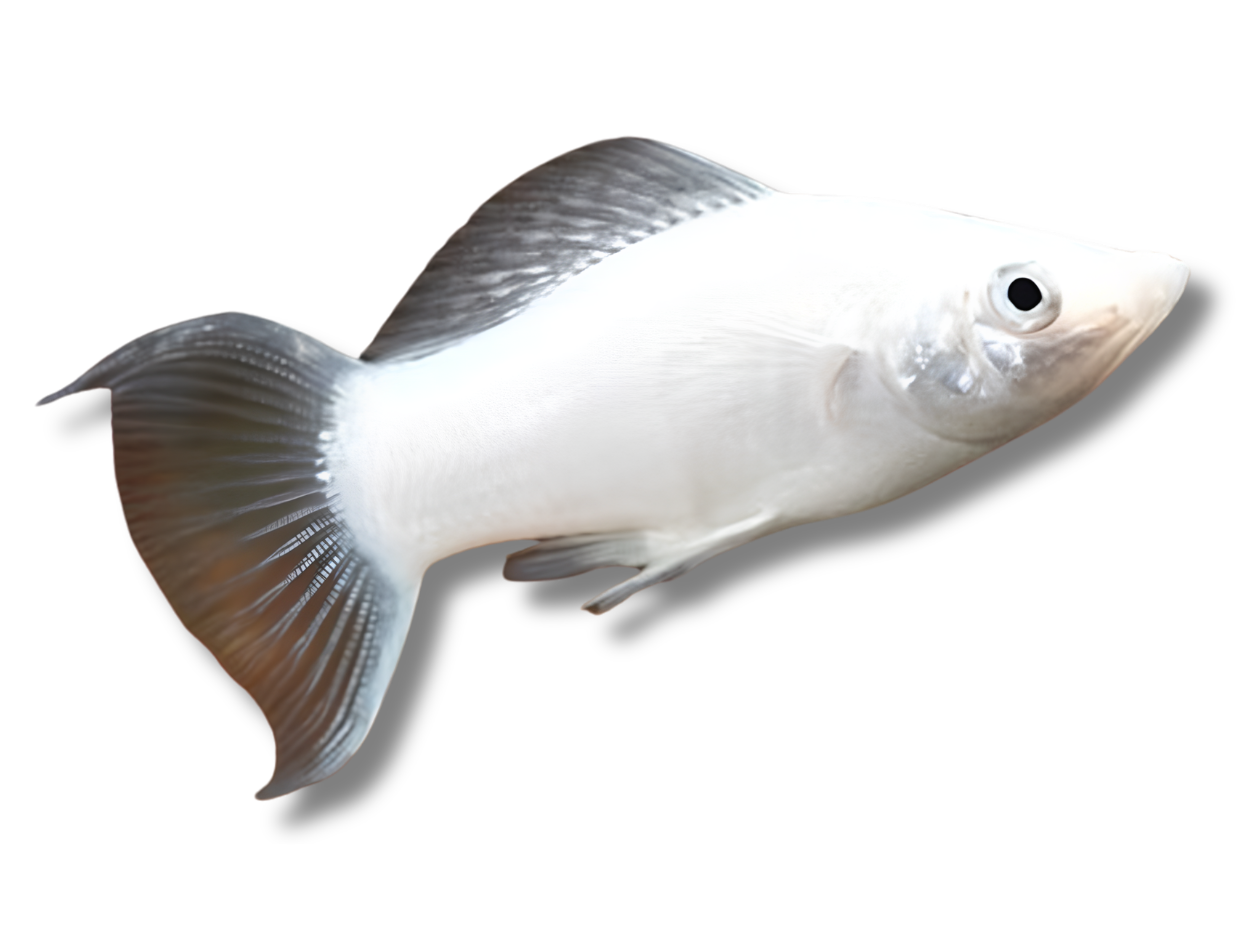
- Silver Molly - Displays a shiny metallic silver body with an elegant appearance.
- Marble Molly - Has a beautiful mix of black, white, and gray marbled patterns, making each fish unique.
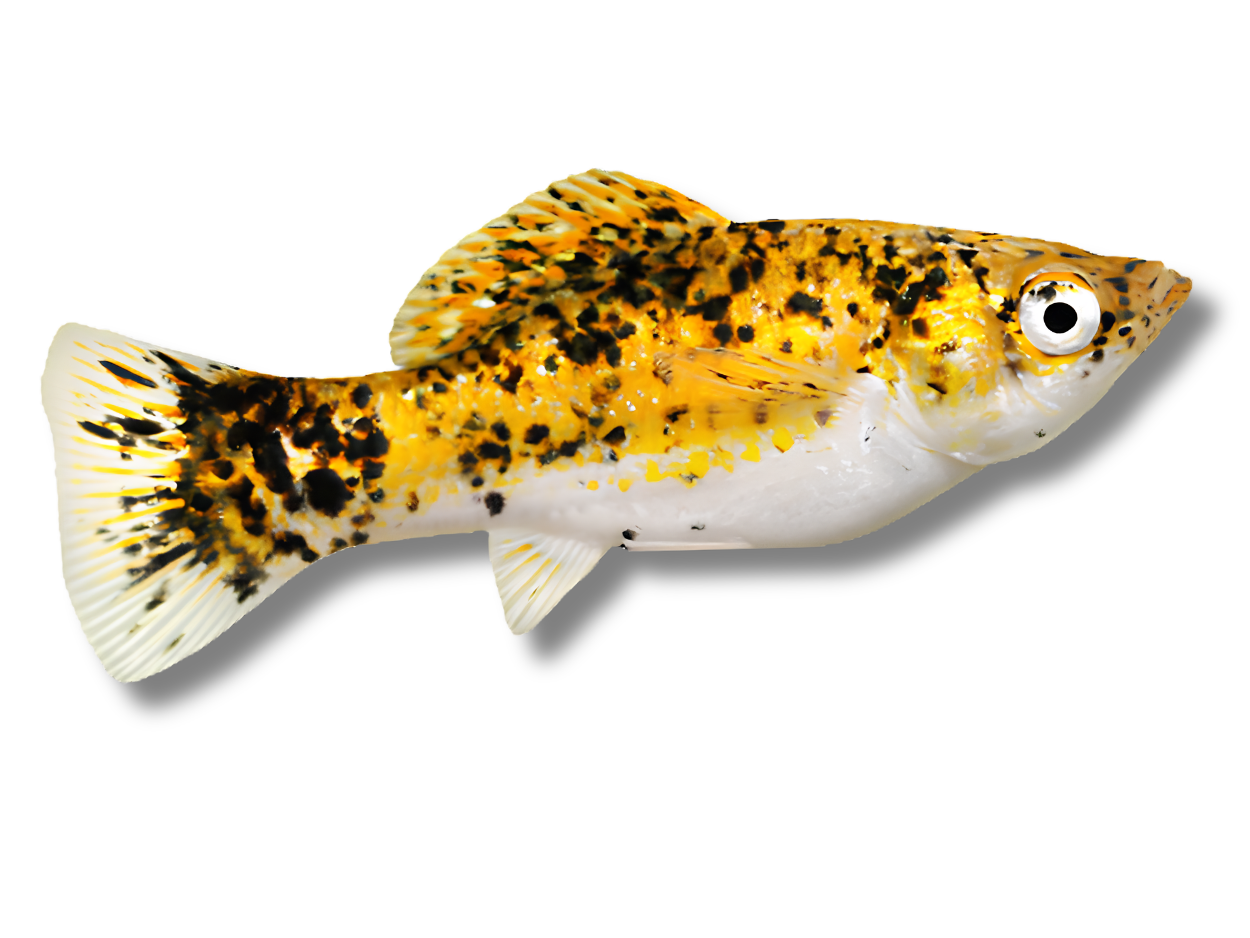
- Creamsicle Molly - Recognized for its attractive combination of creamy white and vibrant orange coloration.
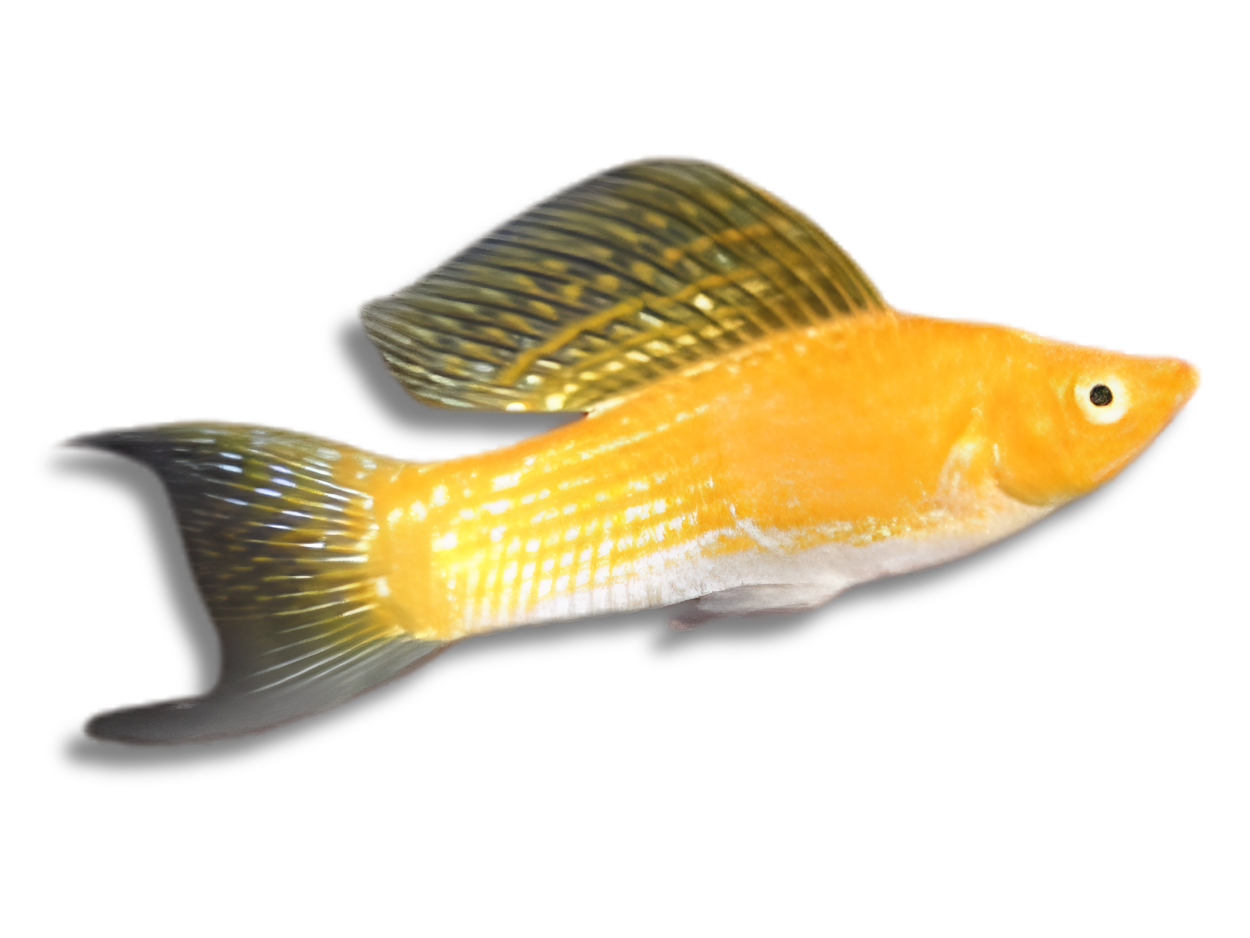
- Red Molly - Exhibits rich orange-red colors that create a bold and lively display.
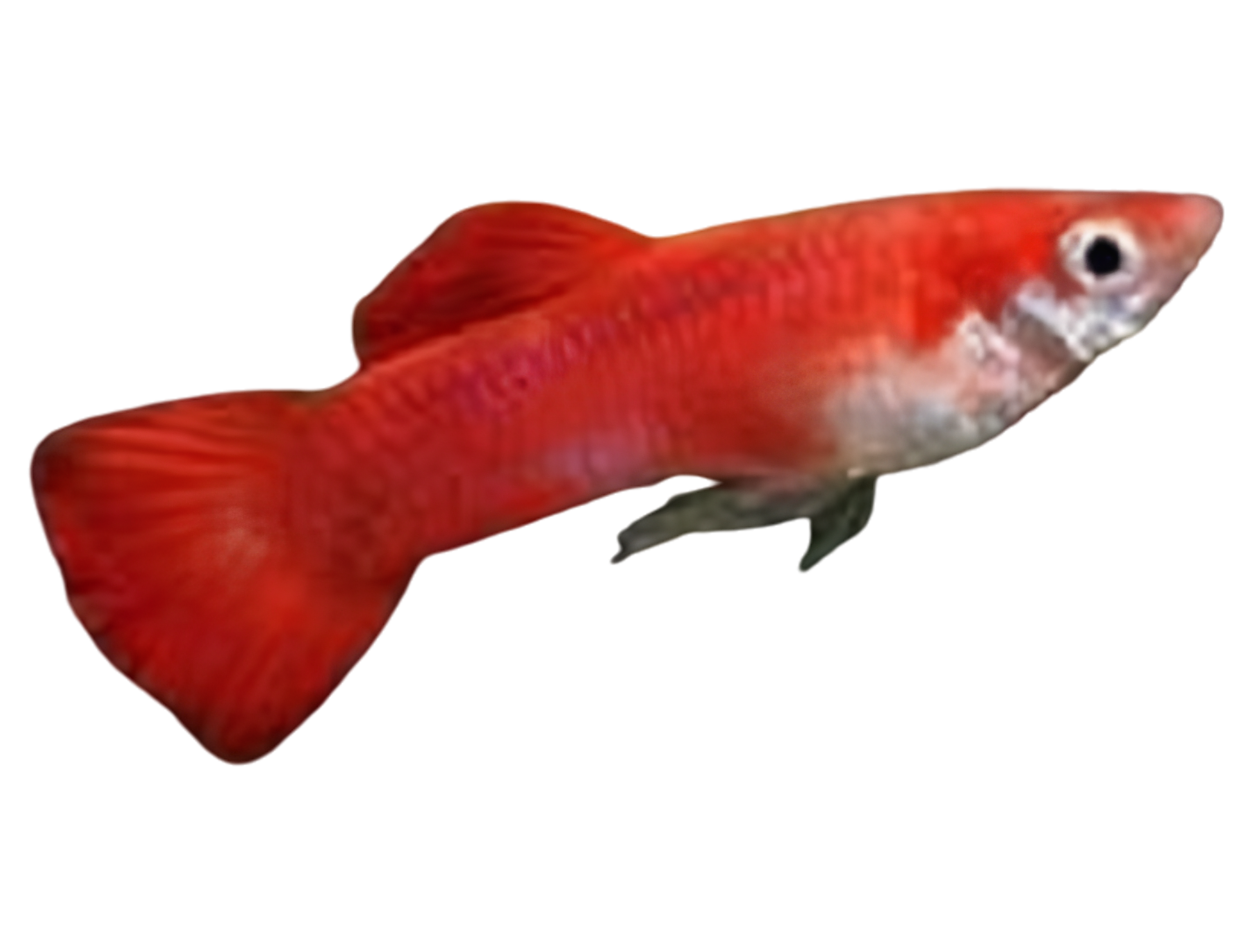
- Chocolate Molly - Features a deep chocolate-brown body, offering a unique and sophisticated look.
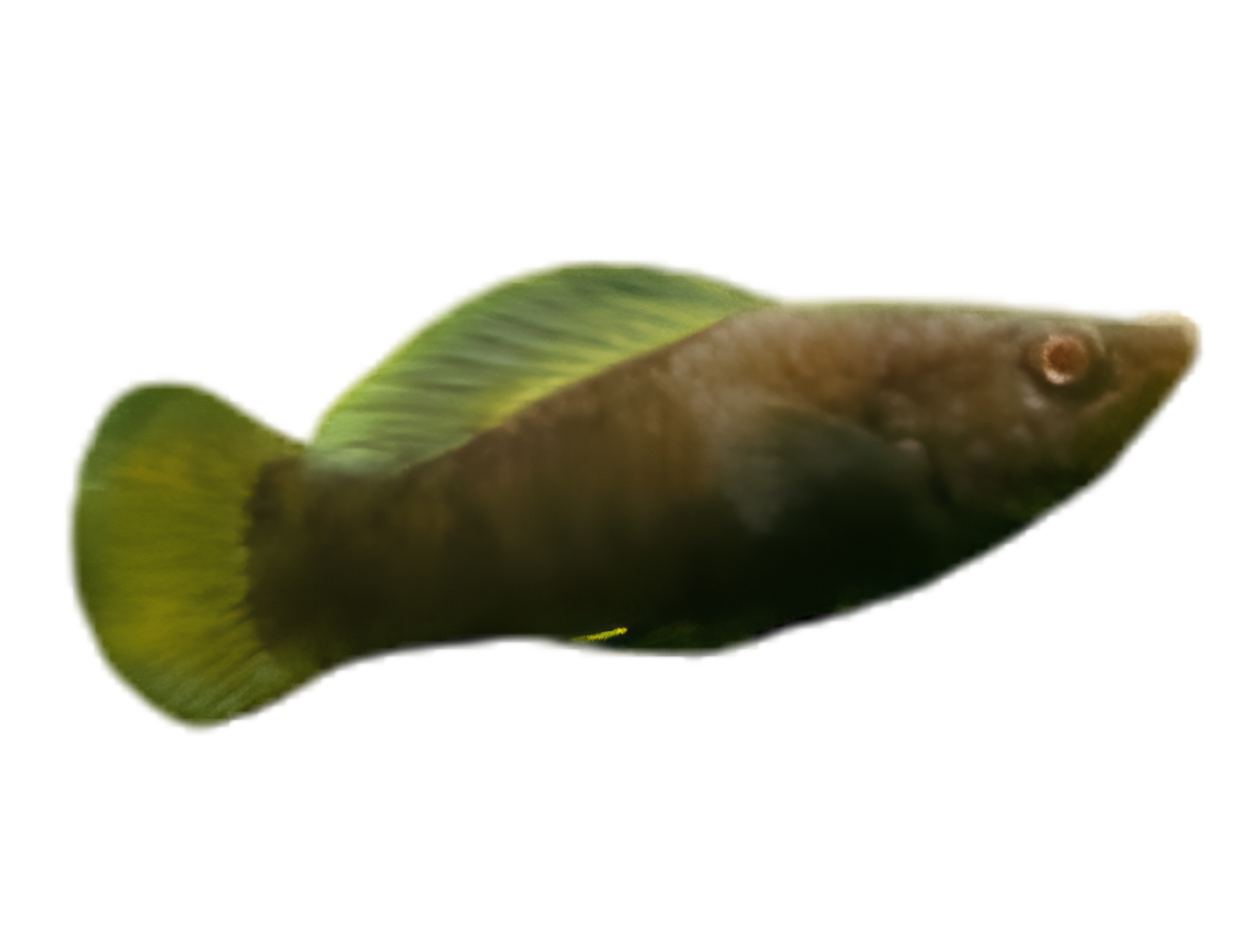
With so many stunning varieties available, Molly Fish allows aquarists to create colorful, vibrant, and peaceful freshwater aquariums suited to every style and preference.
Molly Fish Colors & Their Look
One of the biggest reasons Molly Fish are so popular is their incredible variety of colors and attractive appearance. Through selective breeding, they are available in numerous color combinations, patterns, and fin types, making them a beautiful addition to any freshwater aquarium. Their colors become even more vibrant when they are provided with clean water, a balanced diet, and proper aquarium care.
Common Molly Fish Colors
Molly Fish come in a wide range of stunning colors, each offering a unique look.
-
Black - Deep jet-black coloration with a smooth, velvety appearance.
-
White - Bright white body that creates a clean and elegant look.
-
Gold - Rich golden-yellow color that adds warmth and brightness to the aquarium.
-
Orange - Vibrant orange shades that stand out beautifully in community tanks.
-
Silver - Metallic silver body with a shiny, reflective appearance.
-
Yellow - Bright yellow coloration that adds a cheerful touch to the aquarium.
-
Marble - Attractive mix of black, white, and gray marbled patterns.
-
Dalmatian - White or silver body covered with irregular black spots, making each fish unique.
-
Red - Bold reddish-orange coloration that creates an eye-catching display.
-
Multicolored - A combination of two or more colors, often featuring unique patterns and striking contrasts.
Physical Features
Besides their beautiful colors, Molly Fish are admired for their elegant body shape and graceful swimming style. Their attractive appearance makes them one of the most visually appealing livebearer fish.
Some of their key physical features include:
- Smooth, streamlined body designed for active swimming.
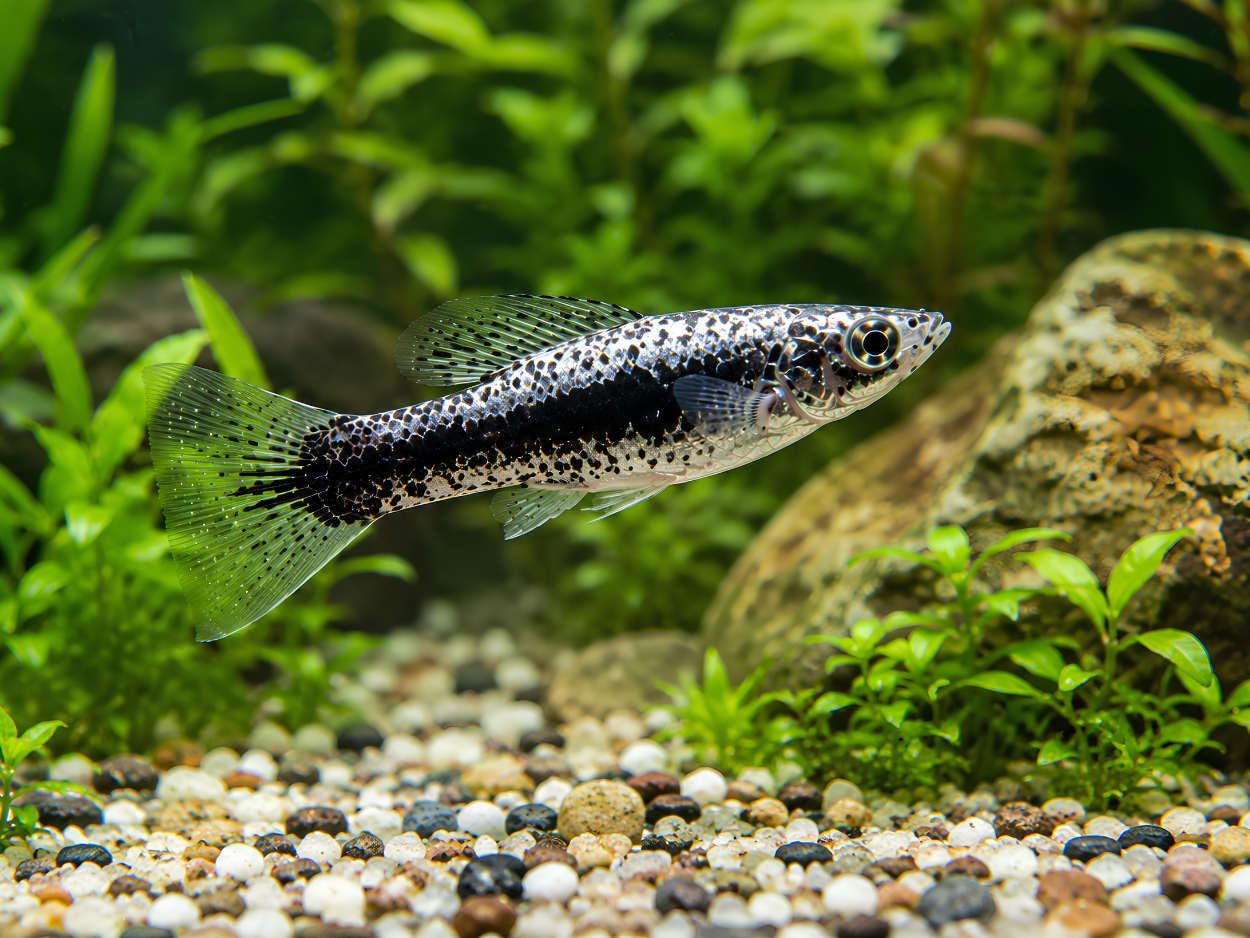
- Bright, glossy scales that may appear metallic under aquarium lighting.
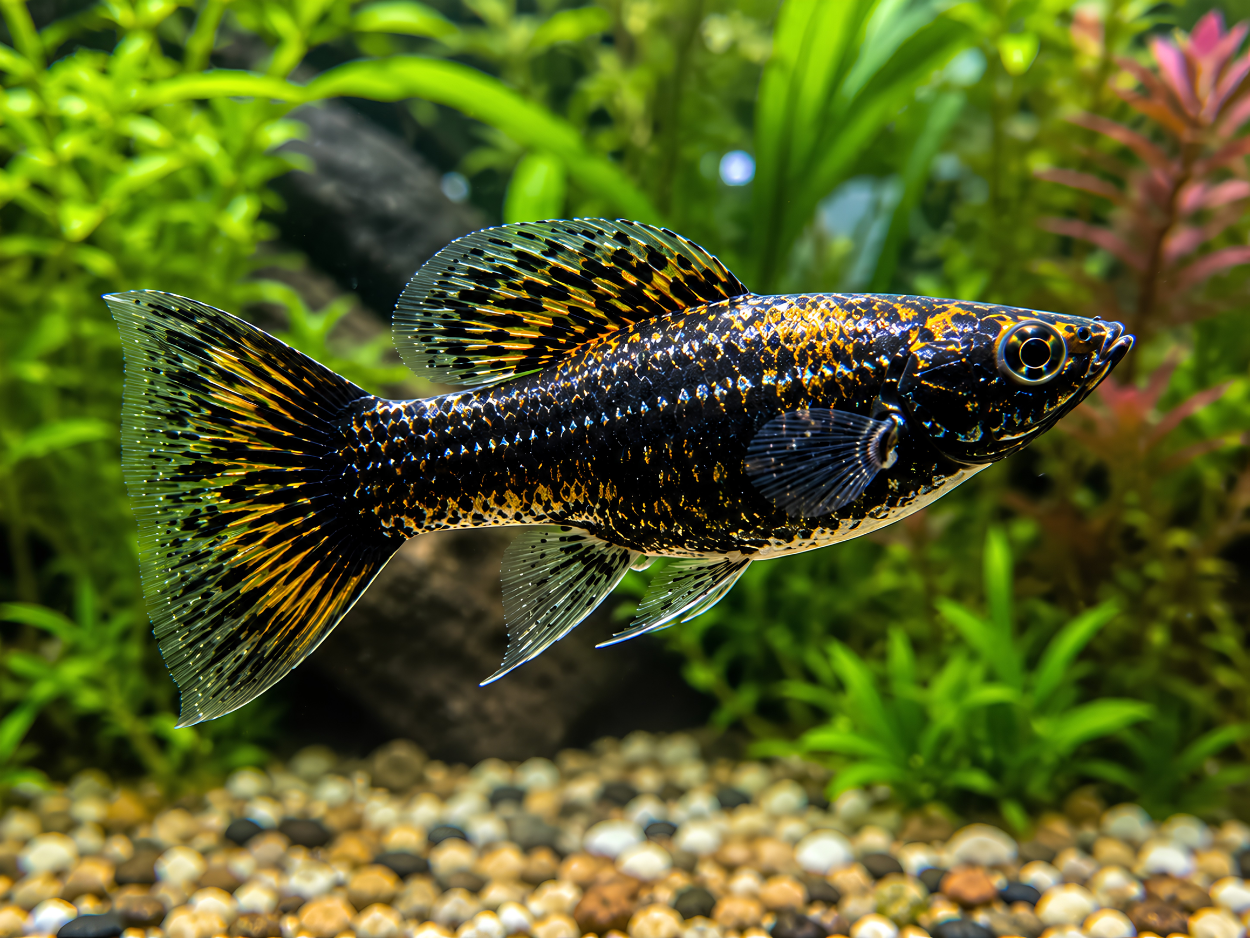
- Transparent or colorful fins, depending on the variety.
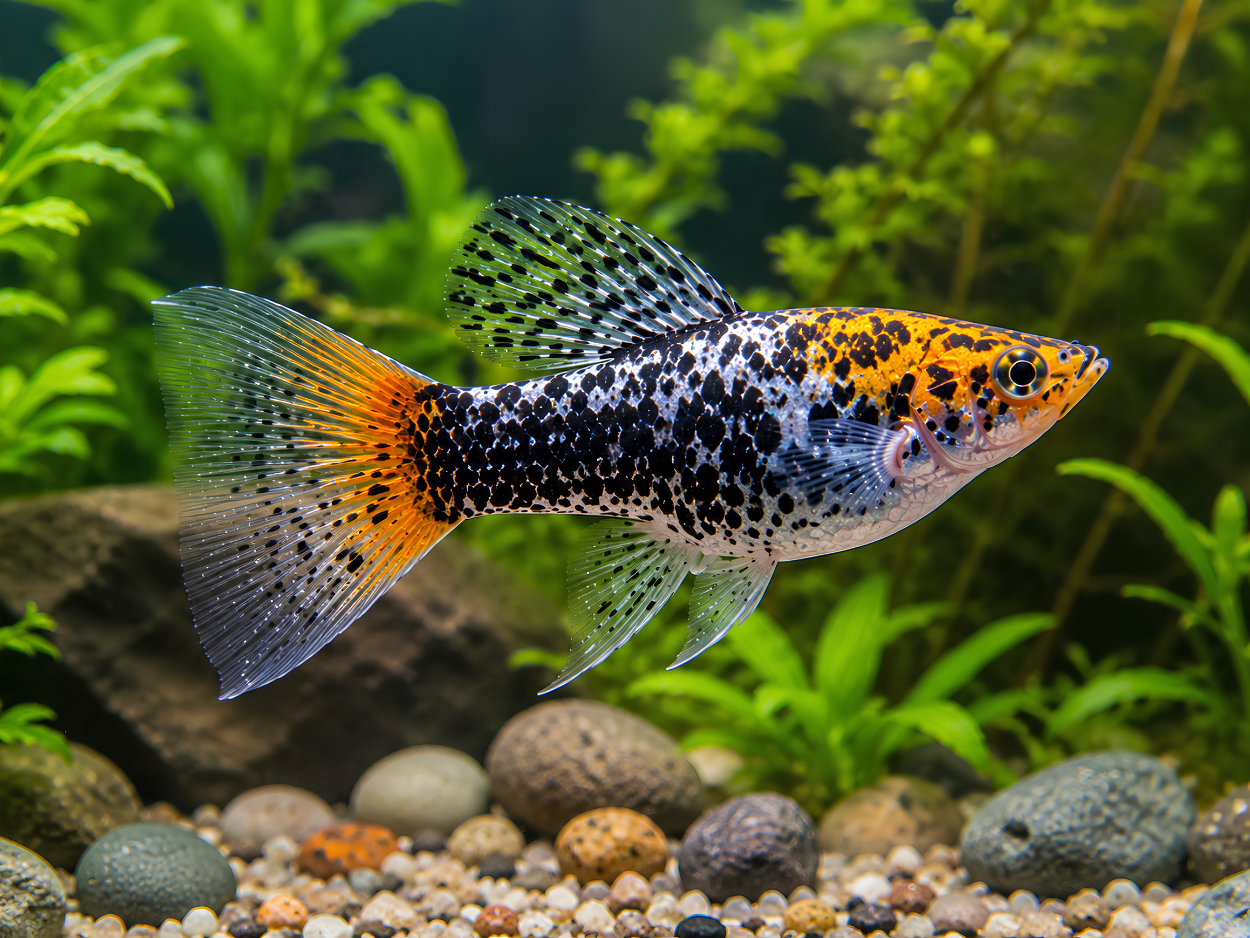
- Rounded, elongated, or balloon-shaped body forms.
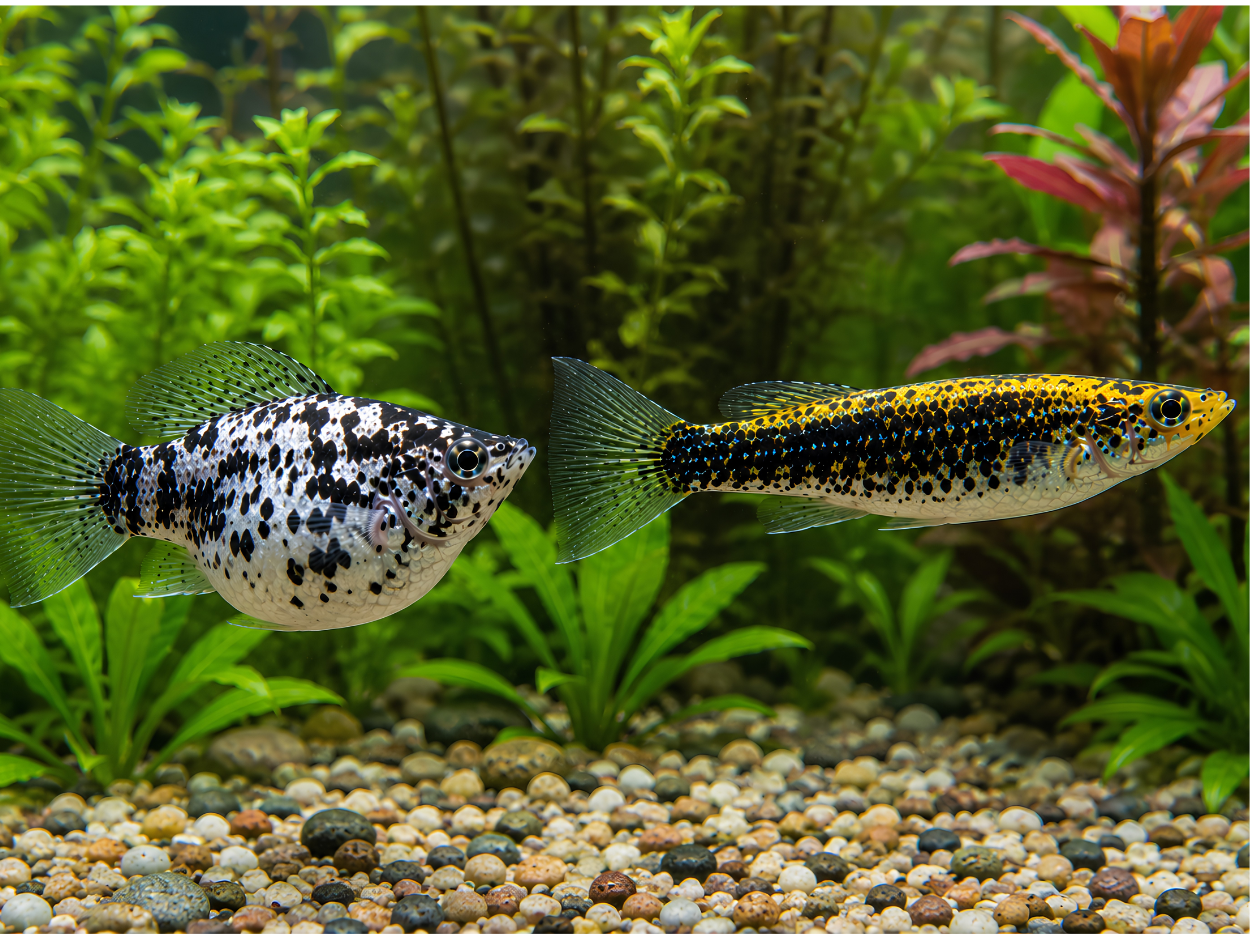
- Attractive dorsal fin, with Sailfin Mollies displaying a large sail-like fin.
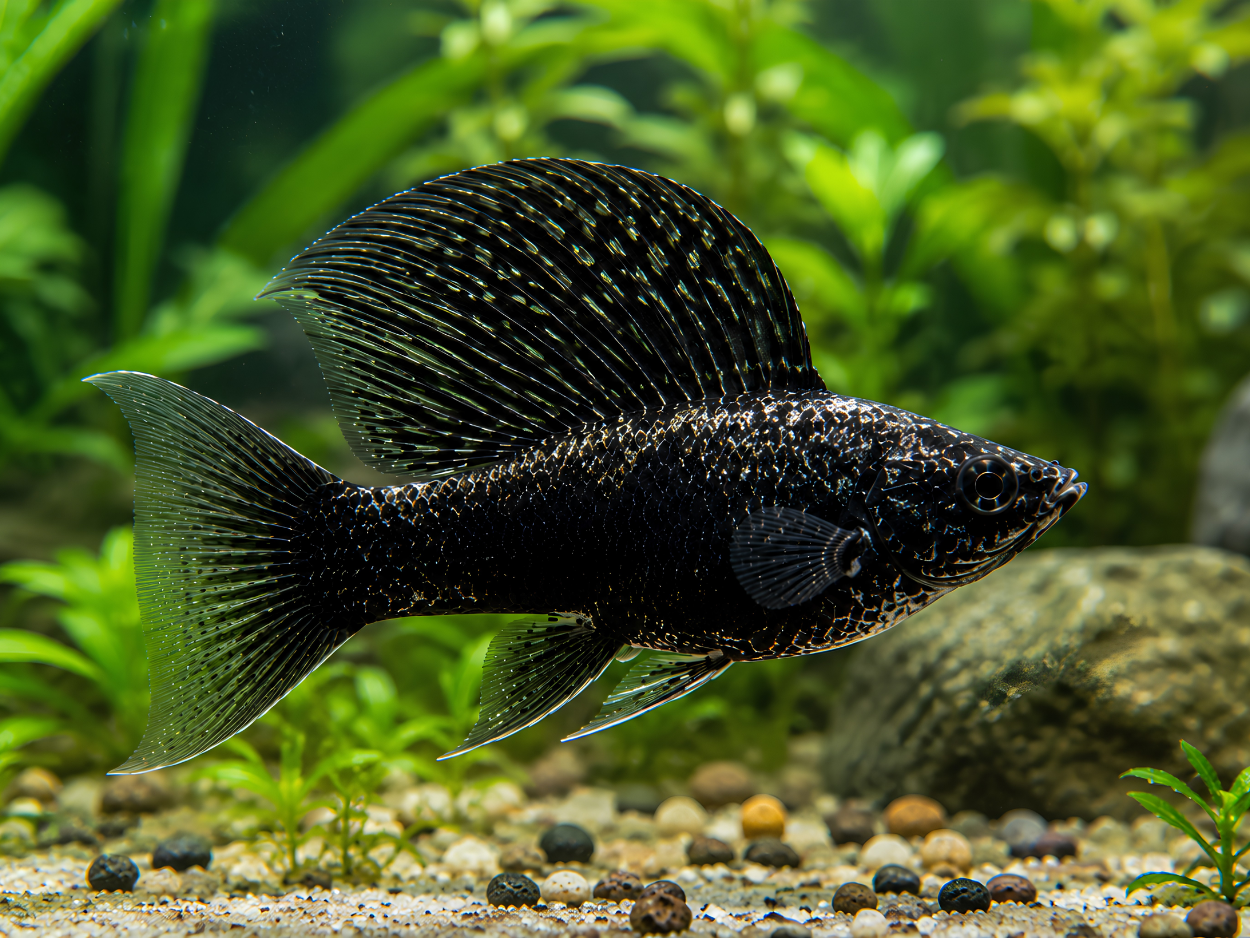
- Graceful and active swimming behavior that adds life and movement to the aquarium.
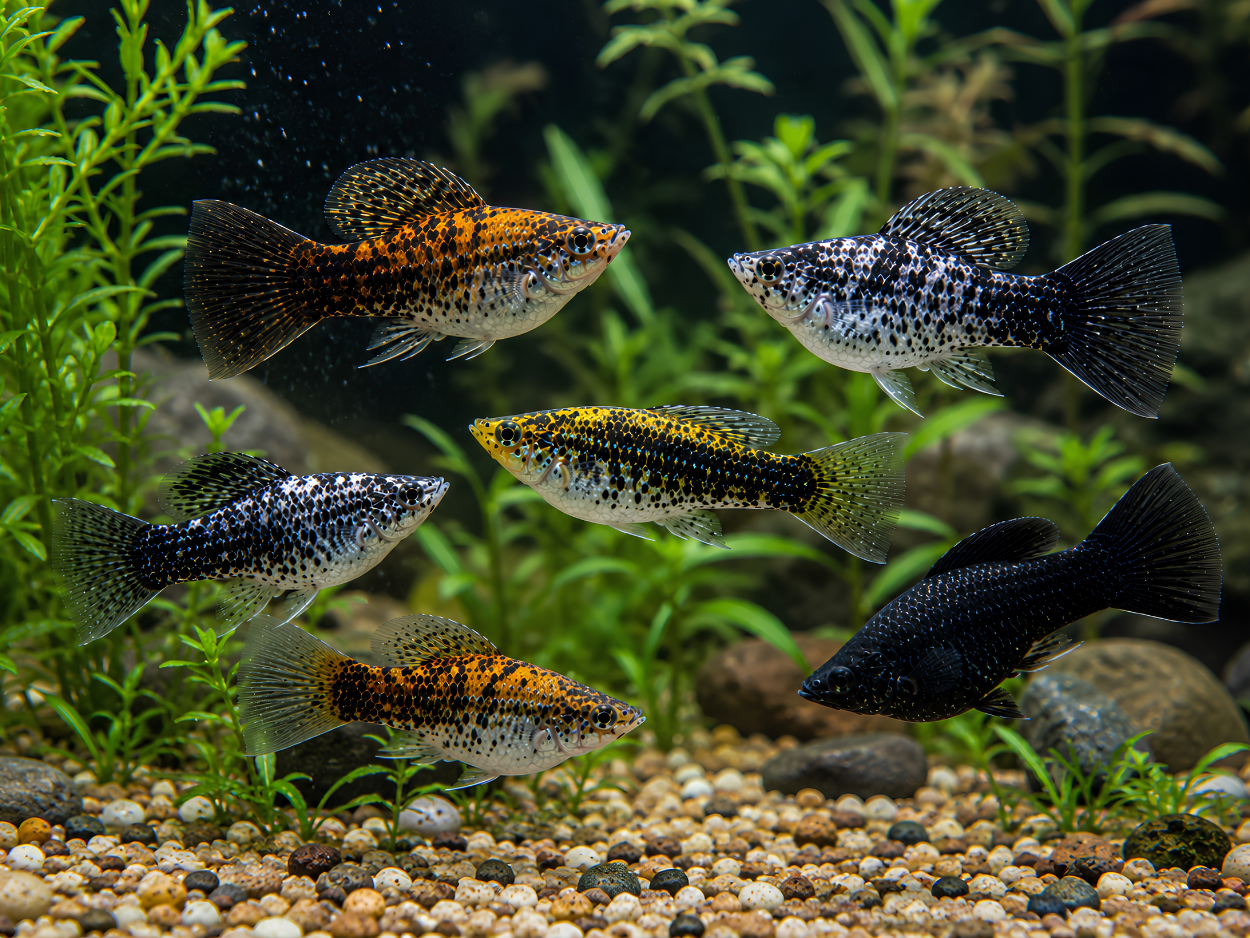
With their wide variety of colors, unique patterns, and elegant appearance, Molly Fish are an excellent choice for aquarists looking to create a colorful, lively, and visually stunning freshwater aquarium.
Molly Fish Behavior & Personality in Aquariums
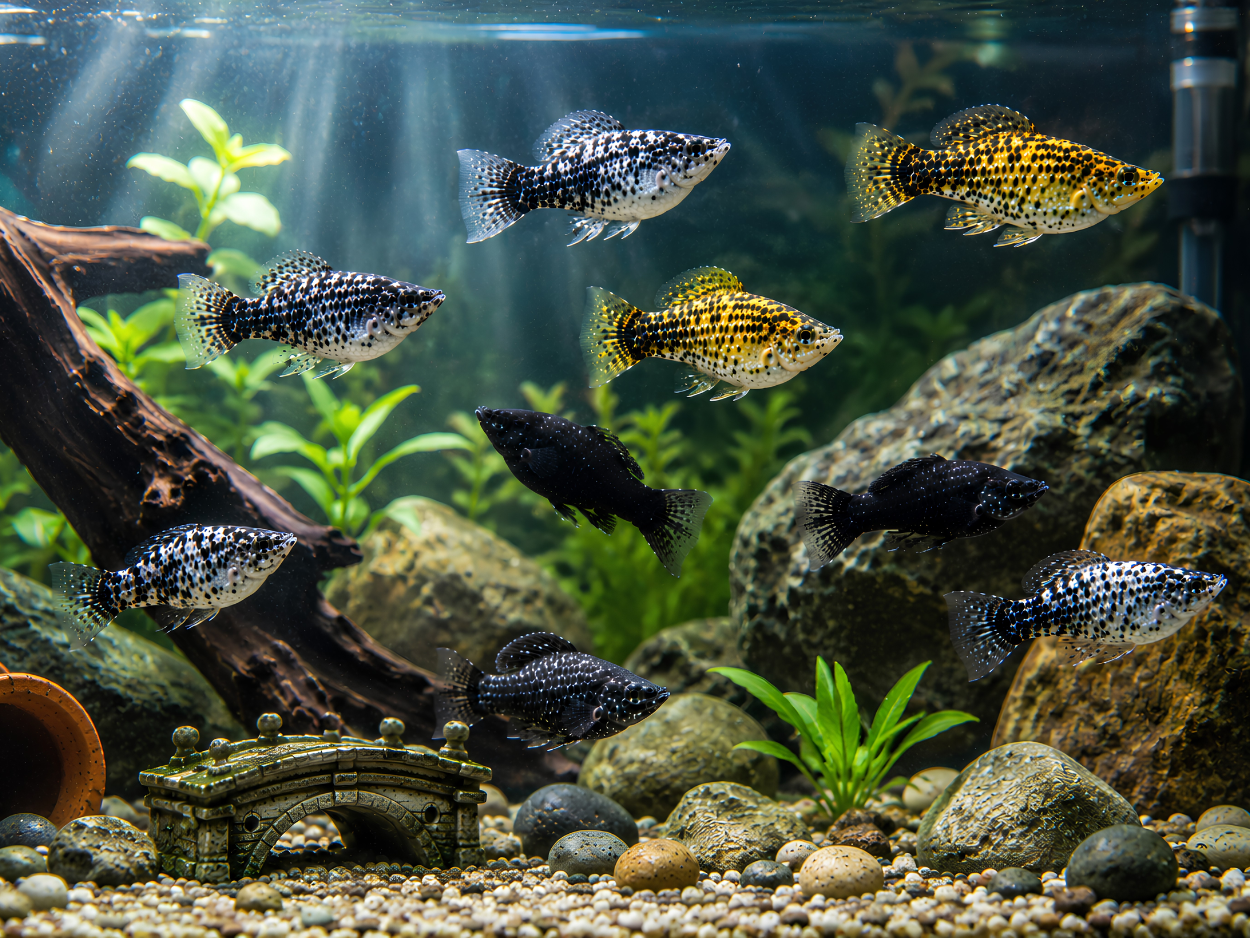
Molly Fish are well known for their peaceful, active, and social nature, making them one of the best choices for freshwater community aquariums. They are constantly on the move, swimming through different areas of the tank, exploring decorations and plants, and grazing on algae. Their curious personality and calm temperament make them enjoyable fish to watch throughout the day.
Unlike aggressive fish, Mollies rarely cause trouble when kept with compatible tank mates. They are adaptable, easy to care for, and generally get along well with other peaceful freshwater species.
Friendly Nature
Molly Fish are naturally friendly and spend much of their time interacting peacefully with other fish. They enjoy swimming in open areas, searching for food, and exploring every part of the aquarium. Their active lifestyle adds movement and energy to any tank without disturbing other inhabitants.
Molly Fish commonly:
- Swim together in loose groups throughout the aquarium.
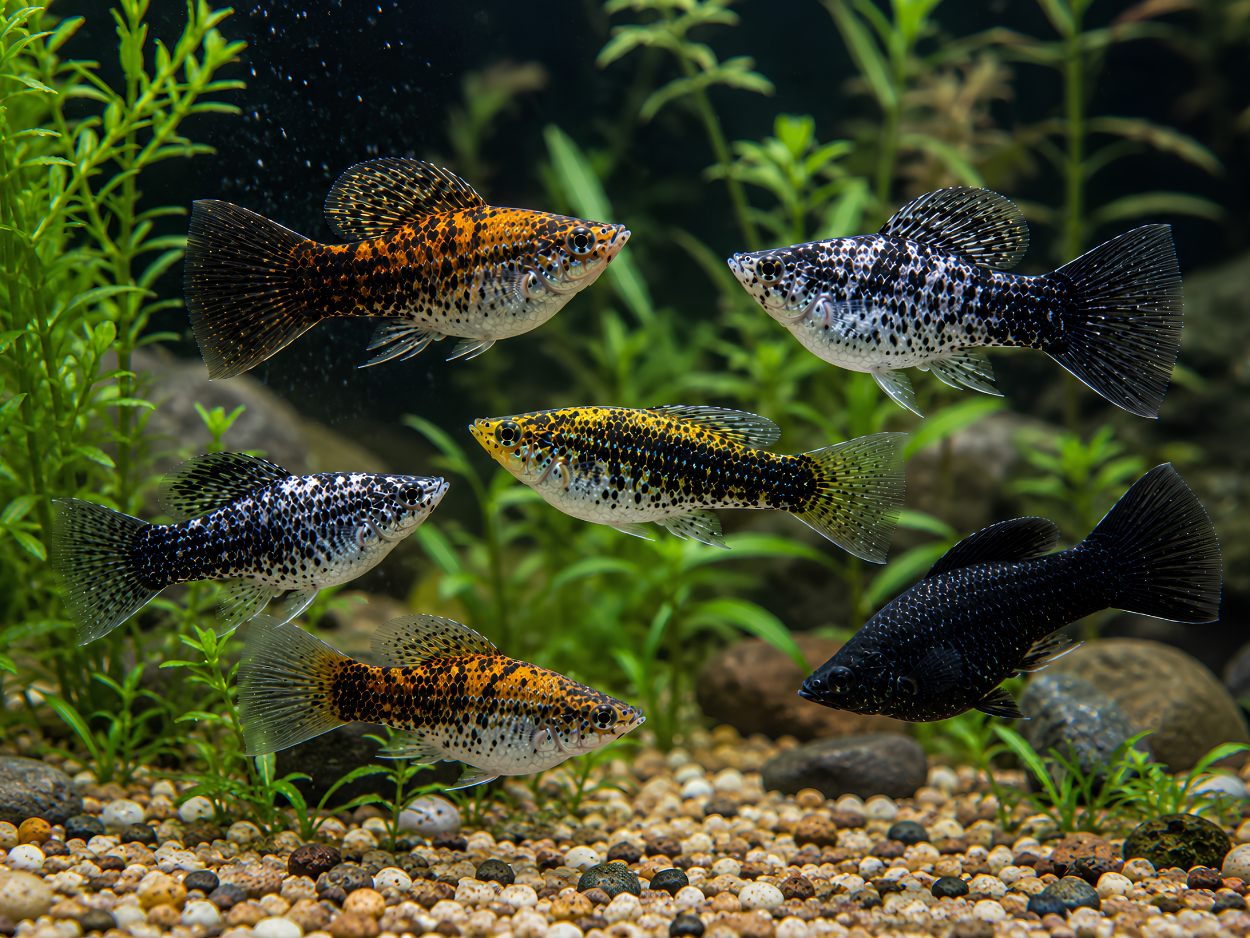
- Explore plants, driftwood, rocks, and decorations.
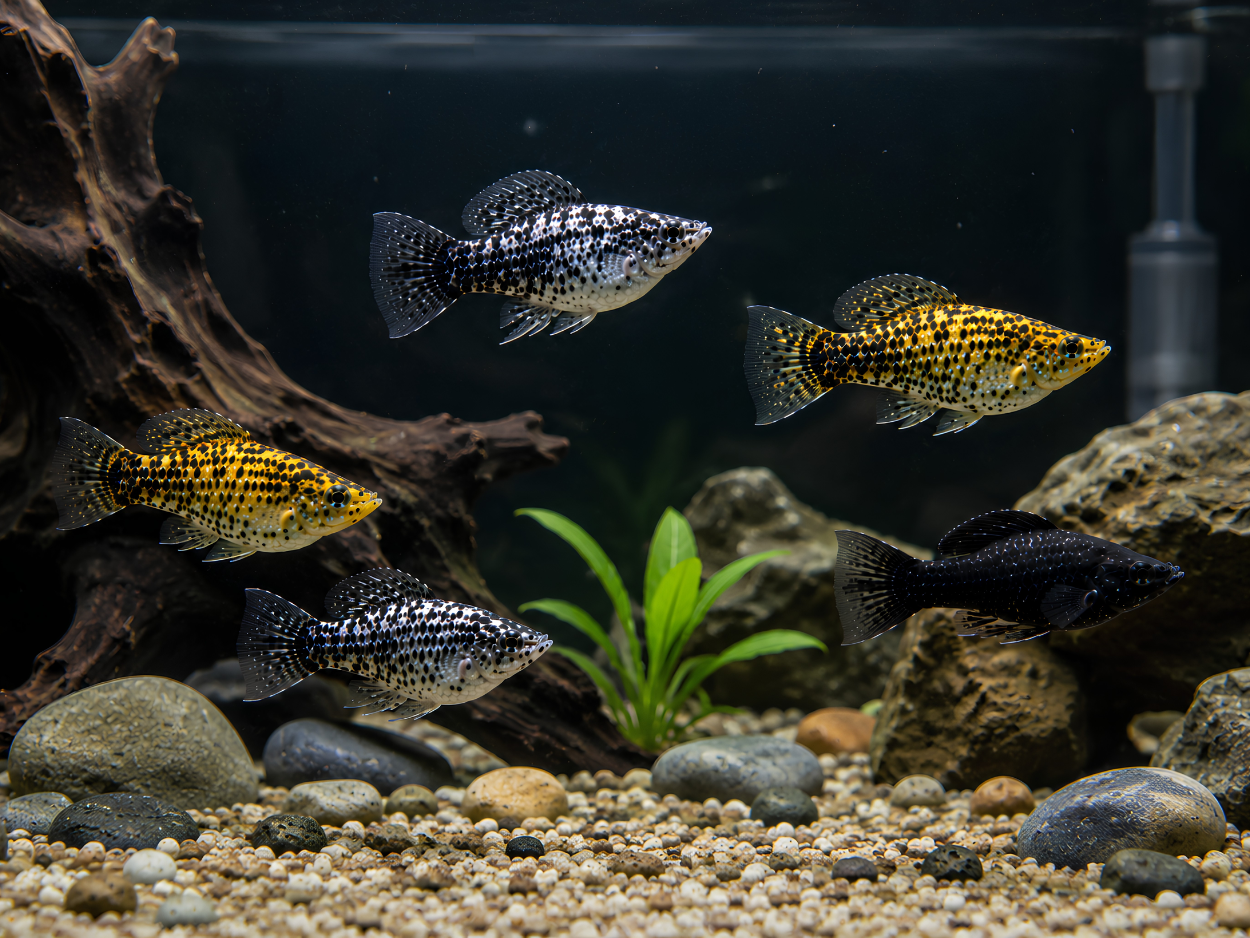
- Graze on algae and biofilm growing on aquarium surfaces.
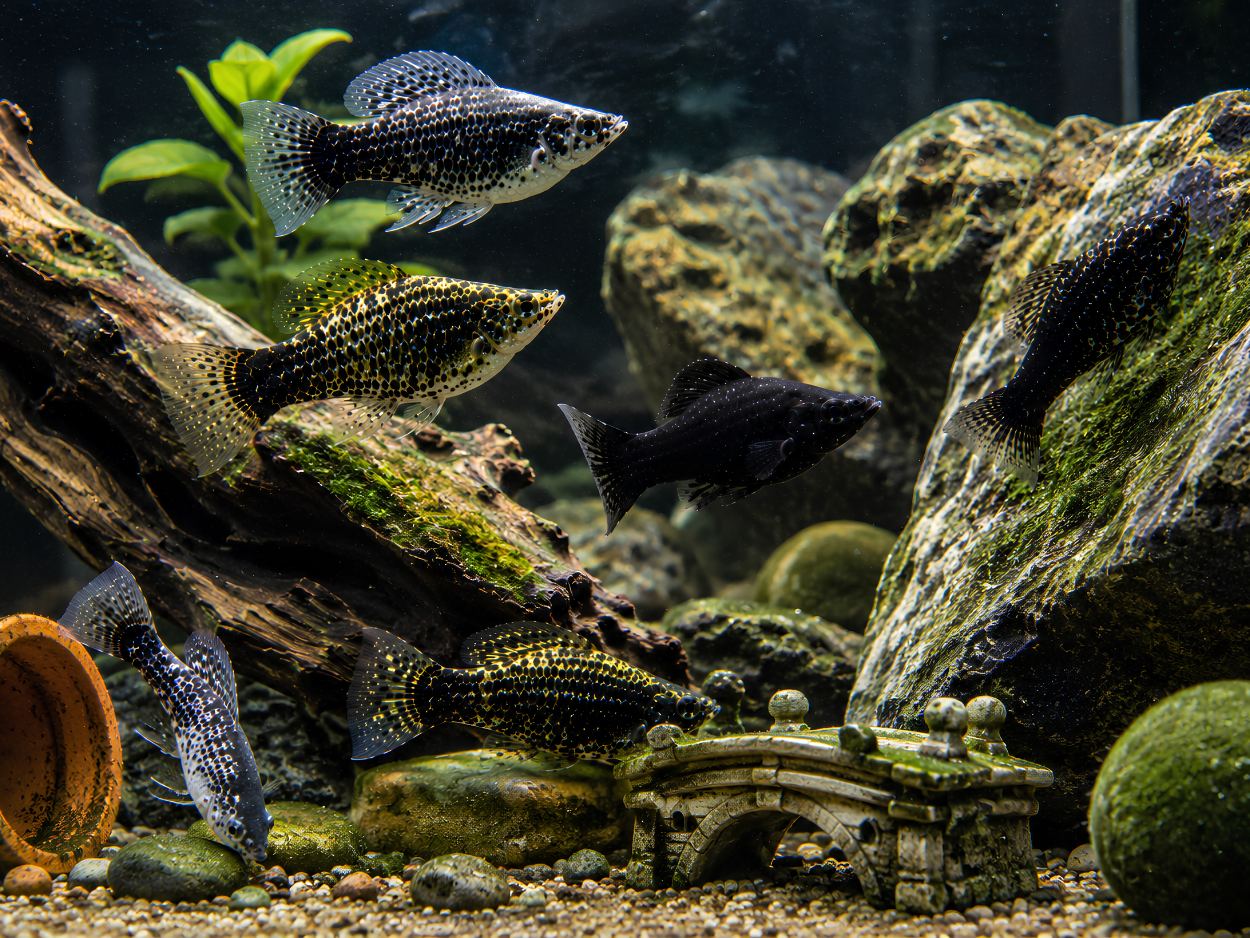
- Remain active during daylight hours.
-
Interact peacefully with most community fish.
-
Rarely show aggression unless competing for mates or territory.
-
Quickly adapt to new aquarium environments when properly acclimated.
Their calm behavior makes them an excellent choice for beginners as well as experienced aquarists.
Social Behavior
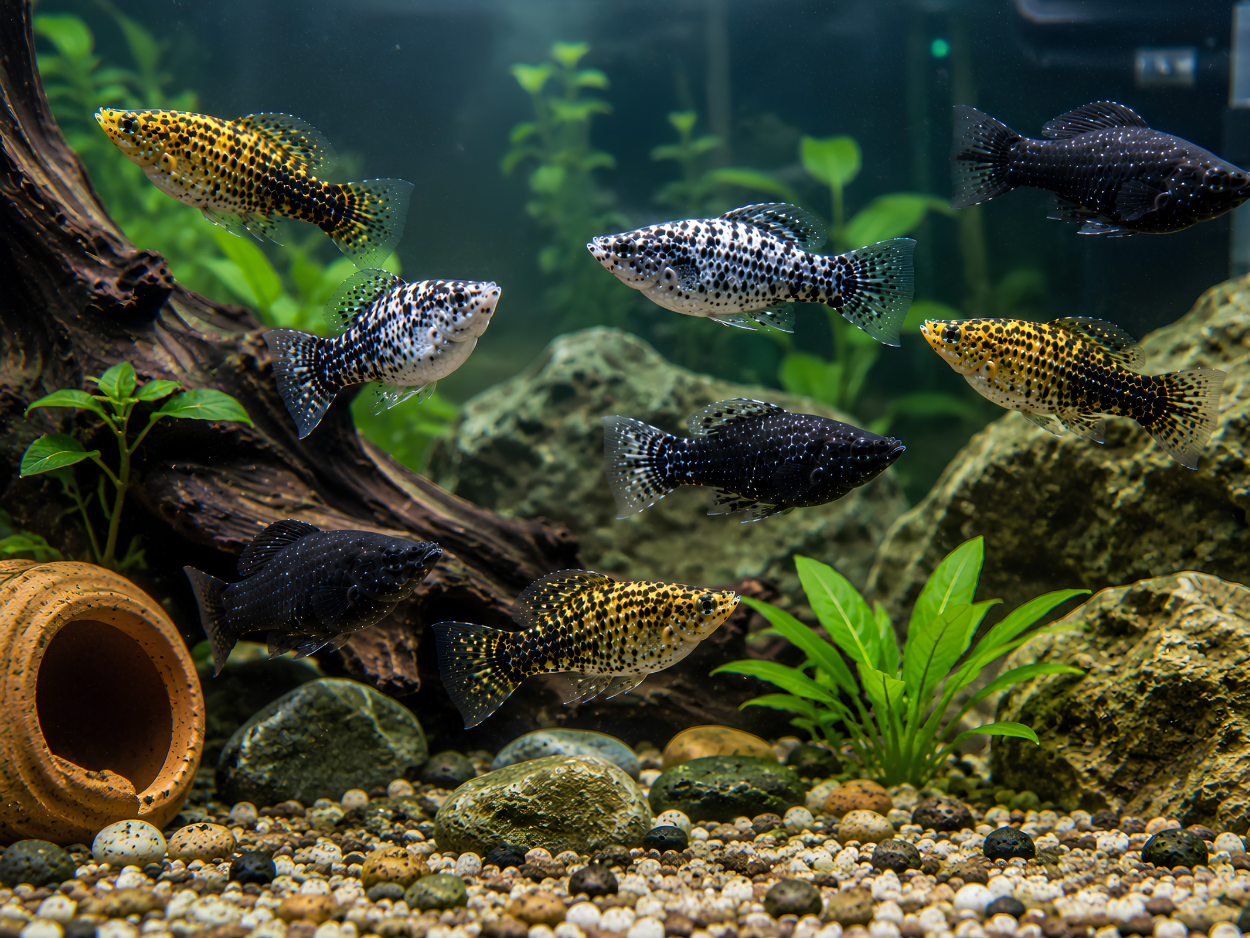
Molly Fish are social fish that feel more comfortable when kept in small groups. Although they can live alone, they display more natural behavior and become more active when housed with other Mollies.
Keeping a group helps reduce stress, encourages natural schooling behavior, and creates a more vibrant aquarium display. A ratio of one male to two or three females is often recommended to reduce breeding-related stress on females.
When kept in groups, Molly Fish often:
- Swim together around the aquarium.
-
Display more confidence and activity.
-
Establish a peaceful social hierarchy.
-
Show brighter colors under healthy conditions.
-
Create a lively and natural-looking community tank.
A well-planted aquarium with open swimming space allows them to display their full range of natural behaviors.
Suitable Tank Mates
Thanks to their peaceful temperament, Molly Fish are compatible with many other non-aggressive freshwater fish. They thrive in community aquariums where tank mates have similar water requirements and a calm personality.
Some of the best tank mates for Molly Fish include:
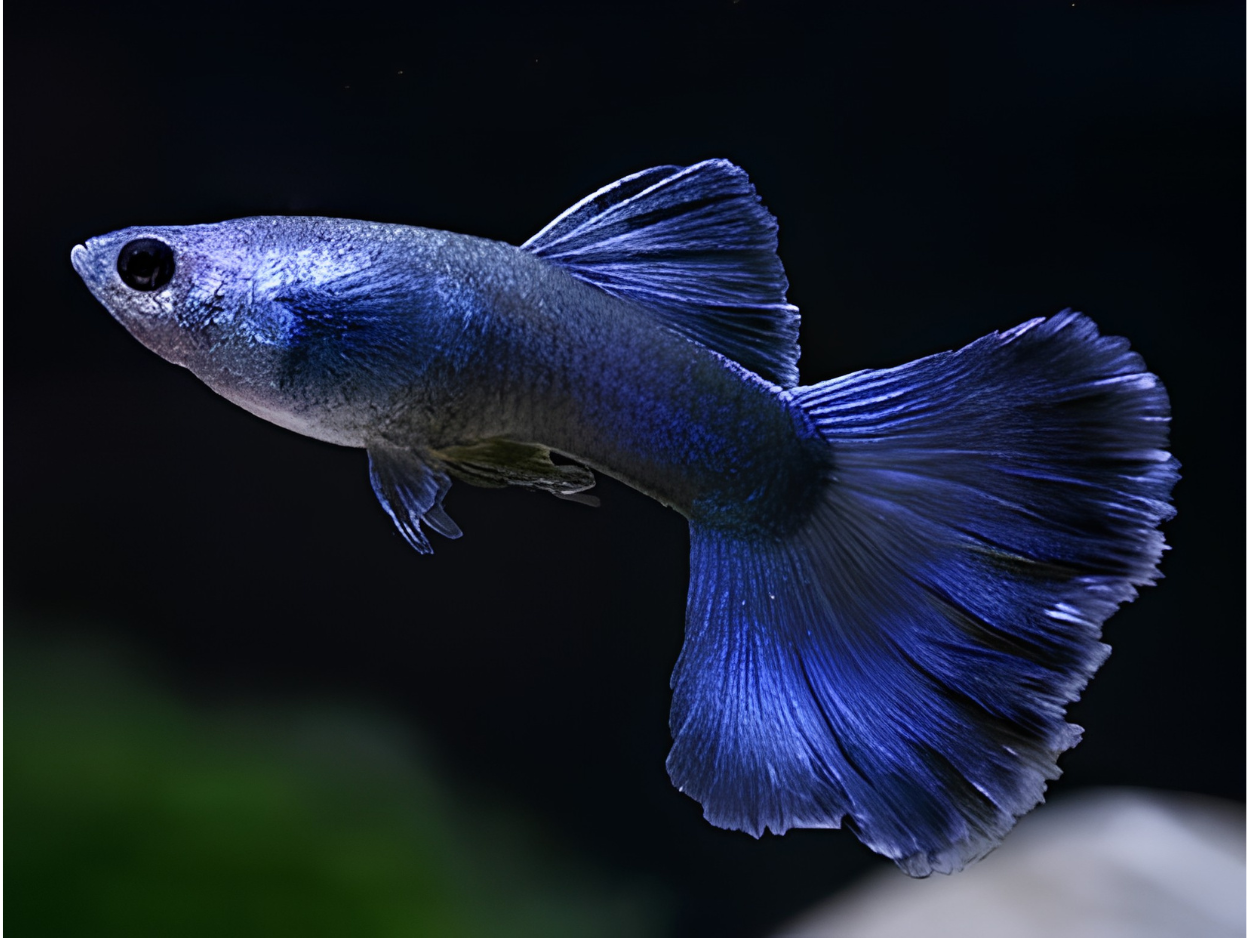
- Guppies - Colorful livebearers with a peaceful temperament.
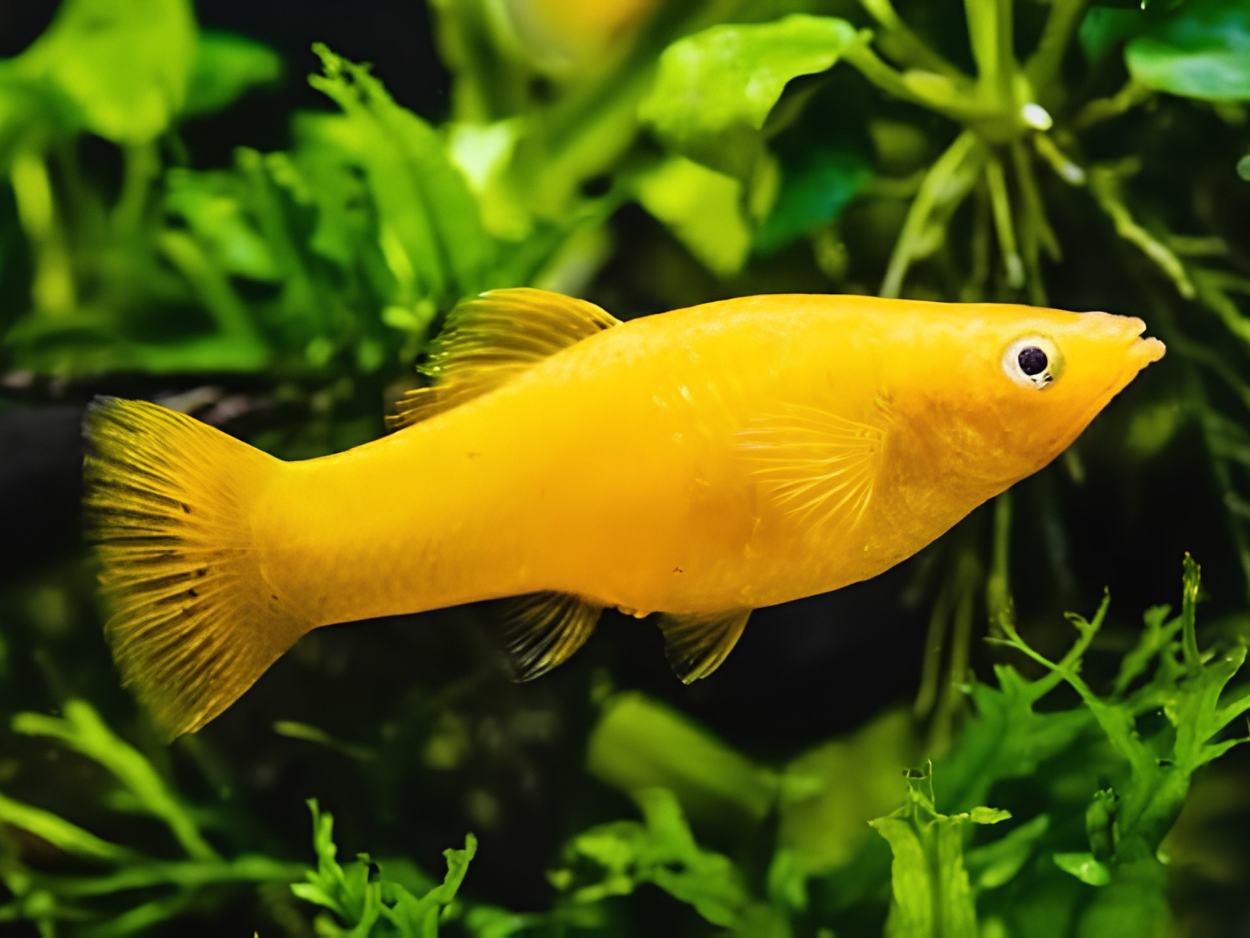
- Platies - Friendly and active fish that share similar care requirements.
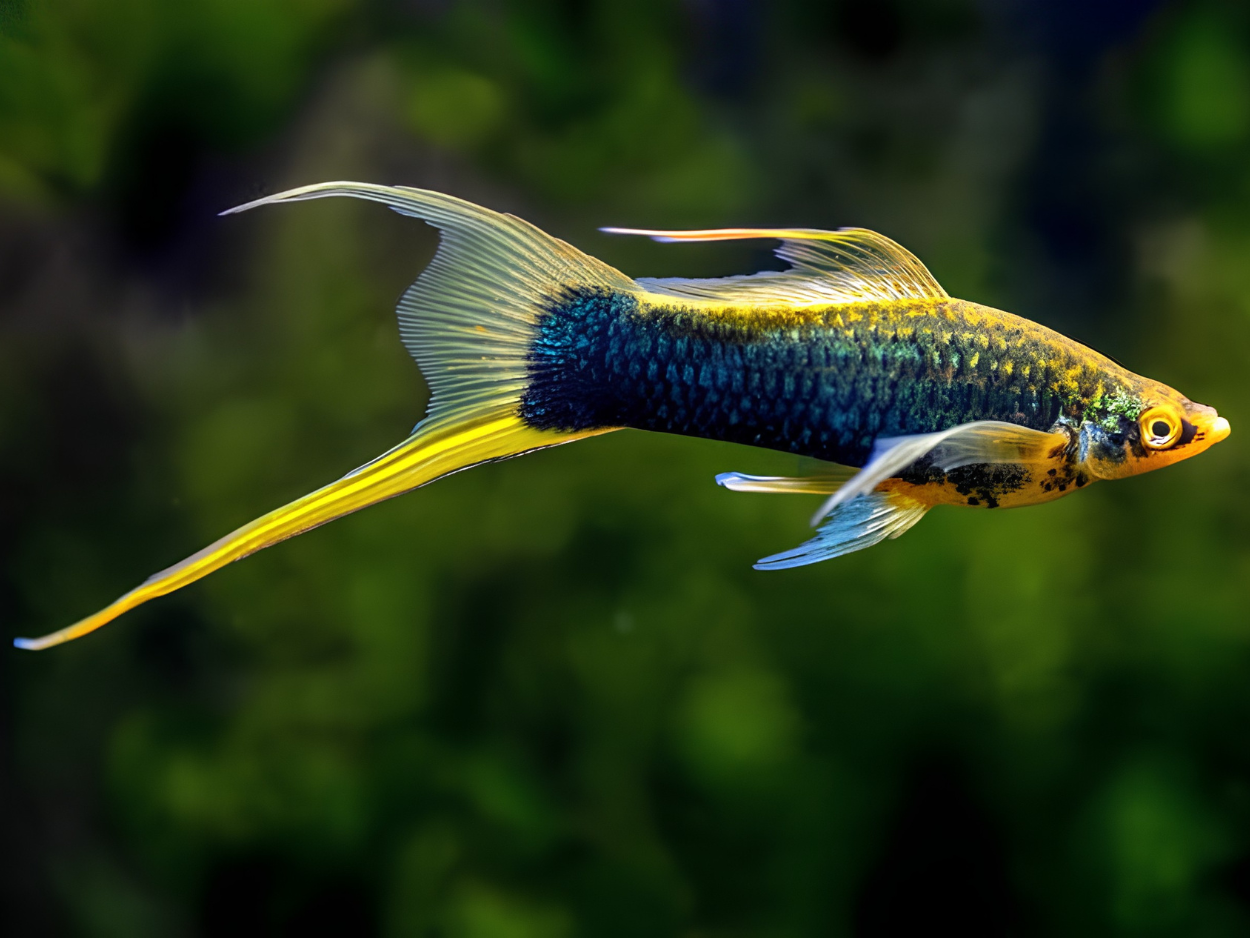
- Swordtails - Hardy livebearers that coexist well with Mollies.
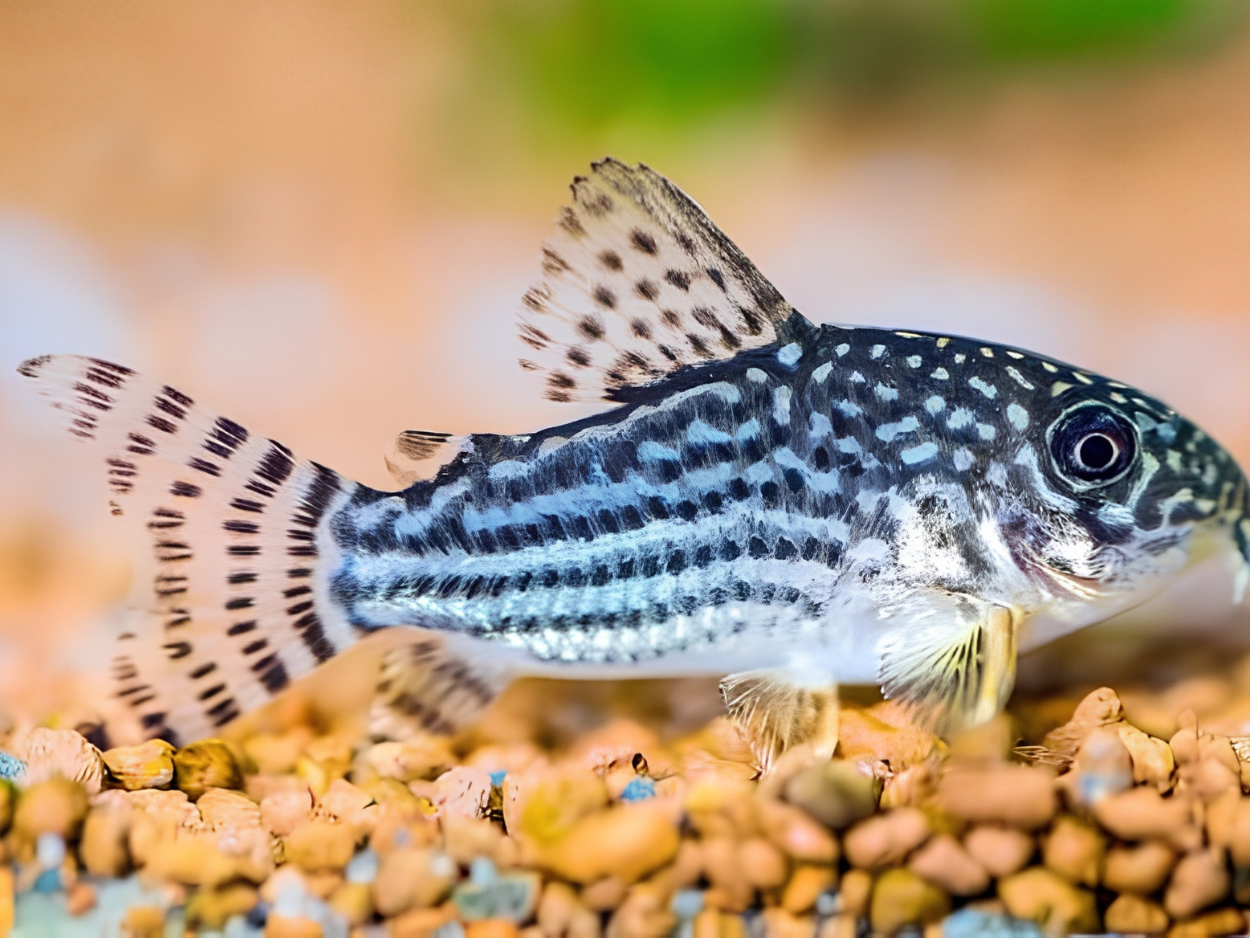
- Corydoras Catfish - Gentle bottom dwellers that help keep the substrate clean.
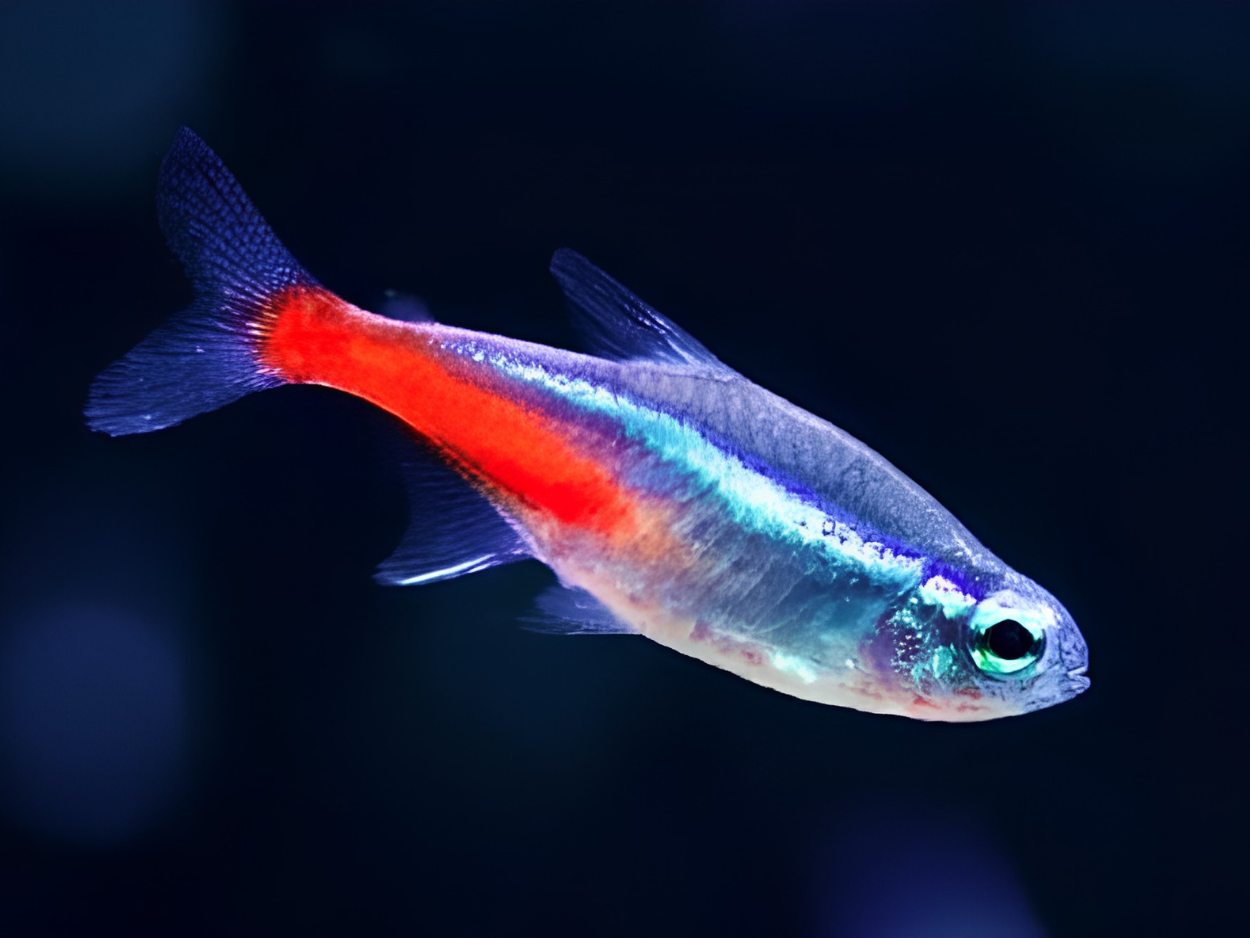
- Neon Tetras - Small, peaceful schooling fish that add vibrant color.
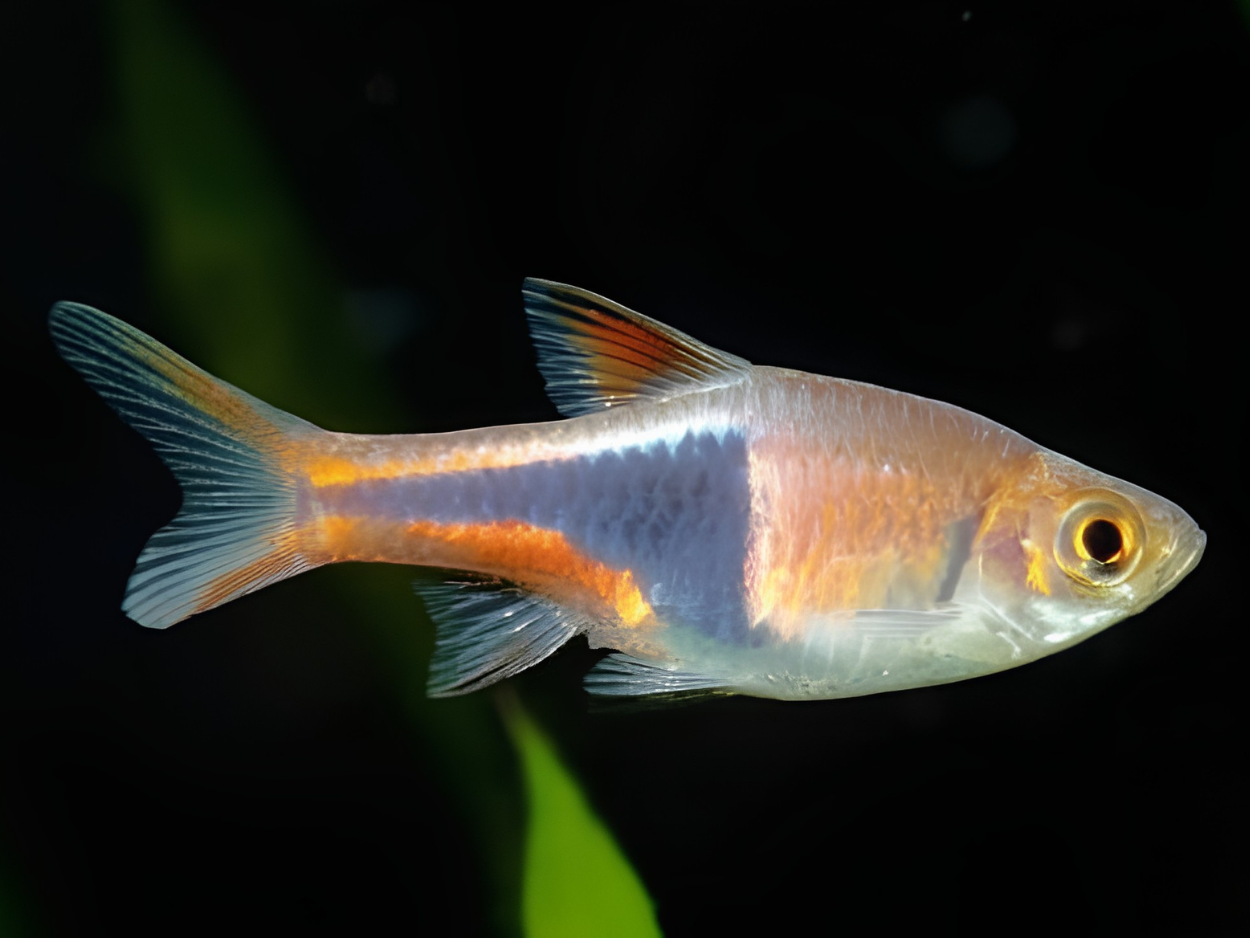
- Harlequin Rasboras - Calm mid-water swimmers that fit well in community tanks.
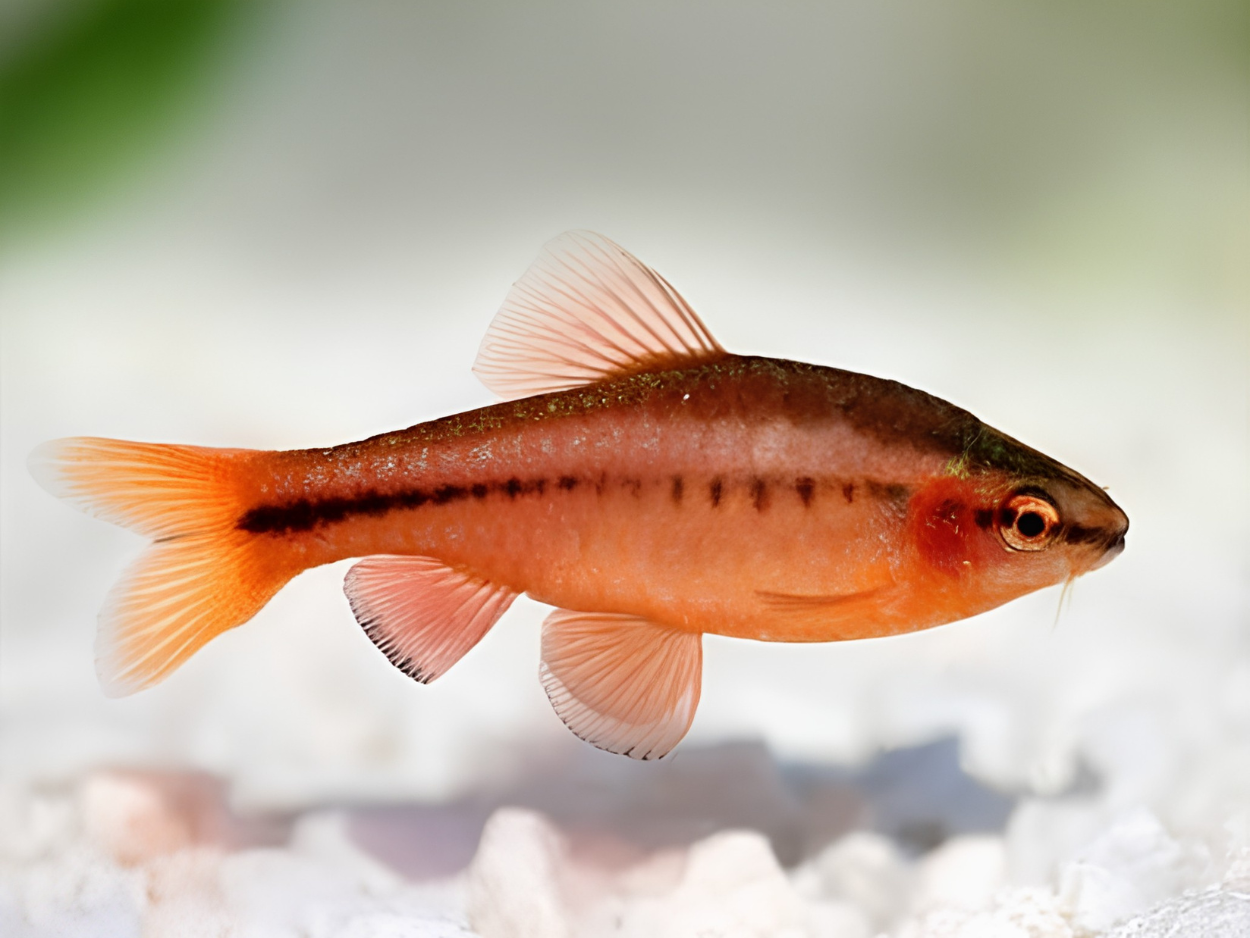
- Cherry Barbs - Peaceful barbs that rarely show aggression.
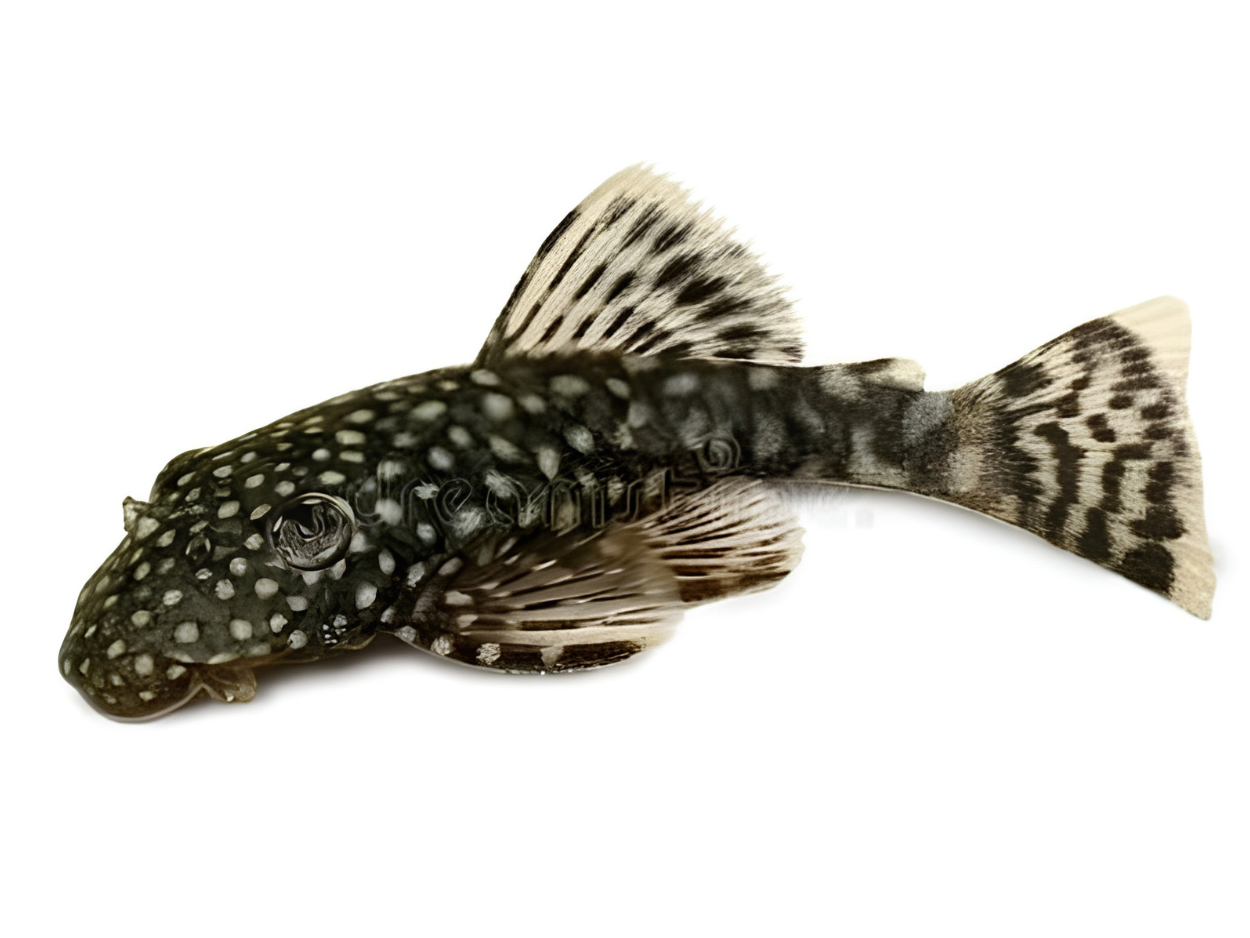
- Bristlenose Plecos - Excellent algae-eating fish that peacefully occupy the bottom of the aquarium.
Avoid keeping Molly Fish with aggressive or fin-nipping species, as this can lead to stress and damaged fins. When housed with compatible tank mates in a properly maintained aquarium, Molly Fish remain active, healthy, and display their friendly personalities to the fullest.
Why Molly Fish Are So Popular
Molly Fish are one of the most popular freshwater aquarium fish because they are colorful, peaceful, and easy to care for. Their hardy nature and friendly behavior make them an excellent choice for beginners, while their beautiful varieties and active personality also appeal to experienced aquarists.
They adapt well to community aquariums, breed easily, and are available in many attractive colors and fin types. Their lively swimming behavior adds beauty and movement to any freshwater tank.
Reasons Why Molly Fish Are So Popular
-
Bright Color Varieties - Available in stunning colors like black, gold, silver, red, marble, and Dalmatian.
-
Peaceful Temperament - Gets along well with most peaceful community fish.
-
Easy to Maintain - Requires simple care and adapts well to aquarium life.
-
Beginner-Friendly - Hardy and forgiving, making it ideal for new fishkeepers.
-
Active Swimmers - Constantly explore the aquarium and keep the tank lively.
-
Livebearing Fish - Gives birth to live fry, making breeding easy and enjoyable.
-
Community Compatible - Lives peacefully with Guppies, Platies, Tetras, Corydoras, and other non-aggressive fish.
-
Affordable - Easily available at a budget-friendly price.
-
Highly Adaptable - Can thrive in various freshwater conditions with proper care.
-
Attractive Appearance - Beautiful colors, graceful fins, and elegant swimming style make them visually appealing.
These qualities make Molly Fish a favorite choice for anyone looking to create a colorful, peaceful, and easy-to-maintain freshwater aquarium.
Fun Facts About Molly Fish
Molly Fish have several interesting characteristics that make them unique among freshwater aquarium fish. Their adaptability and livebearing nature have made them one of the most successful aquarium species.
Interesting Facts
-
Molly Fish gives birth to live babies instead of laying eggs.
-
Female Mollies can produce multiple broods from a single mating.
-
Some Molly species naturally live in both freshwater and brackish water.
-
They enjoy eating soft algae and plant matter.
-
Healthy females can give birth to 20 - 100 fry every month.
-
Molly Fish are excellent beginner fish.
-
Their colors become brighter with proper nutrition and clean water.
-
They are among the most peaceful community fish available.
-
Molly Fish are active throughout the day and love swimming in groups.
-
With proper care, they can live 3 - 5 years in home aquariums.
Faq
1. What is a Molly Fish?
A Molly Fish is a peaceful freshwater livebearer belonging to the Poeciliidae family. It is popular among aquarium hobbyists because of its colorful appearance, active behavior, and beginner-friendly care.
2. Are Molly Fish good for beginners?
Yes. Molly Fish are one of the best freshwater fish for beginners because they are hardy, easy to care for, and adapt well to different aquarium conditions.
3. How big do Molly Fish grow?
Most Molly Fish grow between 2.5 and 5 inches (6 - 12 cm), depending on their variety and the care they receive.
4. How long do Molly Fish live?
With proper care, clean water, and a balanced diet, Molly Fish typically live for 3 to 5 years in a home aquarium.
5. Are Molly Fish peaceful?
Yes. Molly Fish are peaceful community fish that get along well with most non-aggressive freshwater species.
6. What colors do Molly Fish come in?
Molly Fish are available in many beautiful colors, including black, white, gold, silver, orange, yellow, red, marble, Dalmatian, and multicolored varieties.
7. Can Molly Fish live with other fish?
Yes. Molly Fish are excellent community fish and can live with peaceful species such as Guppies, Platies, Swordtails, Corydoras Catfish, Neon Tetras, Harlequin Rasboras, Cherry Barbs, and Bristlenose Plecos.
8. Do Molly Fish lay eggs?
No. Molly Fish are livebearers, which means they give birth to live fry instead of laying eggs.
9. How often do Molly Fish breed?
Healthy female Molly Fish can produce a new brood approximately every month and may give birth to 20 - 100 fry under suitable conditions.
10. What do Molly Fish eat?
Molly Fish enjoy a varied diet that includes high-quality fish flakes or pellets, algae, plant matter, and occasional live or frozen foods to maintain good health and vibrant colors.
11. Why are Molly Fish so popular?
Molly Fish are popular because they are colorful, peaceful, easy to maintain, beginner-friendly, active swimmers, and available in many attractive varieties, making them ideal for community aquariums.
12. Do Molly Fish help control algae?
Yes. Molly Fish naturally graze on soft algae and biofilm growing on aquarium surfaces, although they should not be relied upon as the only algae-control solution.
13. How many Molly Fish should be kept together?
Molly Fish are social and feel more comfortable in small groups. A ratio of one male to two or three females is commonly recommended.
14. Can Molly Fish live in planted aquariums?
Yes. Molly Fish thrive in planted aquariums that provide open swimming areas along with plants, rocks, and decorations for exploration.
Conclusion
Molly Fish are a perfect combination of beauty, personality, and simplicity, making them one of the best freshwater fish for home aquariums. Their peaceful nature, colorful appearance, and ability to thrive in community tanks make them suitable for both beginners and experienced aquarists. By providing a balanced diet, clean water, and a well-maintained aquarium, you can enjoy healthy and active Mollies for years. Whether you're attracted to their stunning colors, easy breeding, or lively behavior, Molly Fish are a rewarding addition that brings life and charm to any aquarium.


