Newborn Fish Care: Complete Baby Fish Guide
Discover how to care for baby fish with our easy guide. Covers feeding, tank setup, water quality, and safety tips for successful newborn fry care.
Table of Contents
- What Are Newborn Fish Called?
- Setting Up a Safe Space
- Water Quality Tips
- Feeding Your Baby Fish
- Lighting & Environment
- Protection from Danger
- Growth Timeline
- Do’s and Don’ts of Fry Care
- Avoid These Mistakes
- Types of Baby Fish
- Moving Fry to Main Tank
- If Problems Happen
- Final Tips
- Faq
- Conclusion
Finding baby fish in your aquarium is exciting but can feel overwhelming. These tiny creatures, called fry, are very delicate and need special care to survive. Baby fish require different food, water conditions, and protection compared to adult fish. With the right knowledge and patience, you can successfully raise healthy baby fish from birth to adulthood. This guide will teach you everything you need to know in simple, easy-to-understand steps.
What Are Newborn Fish Called?
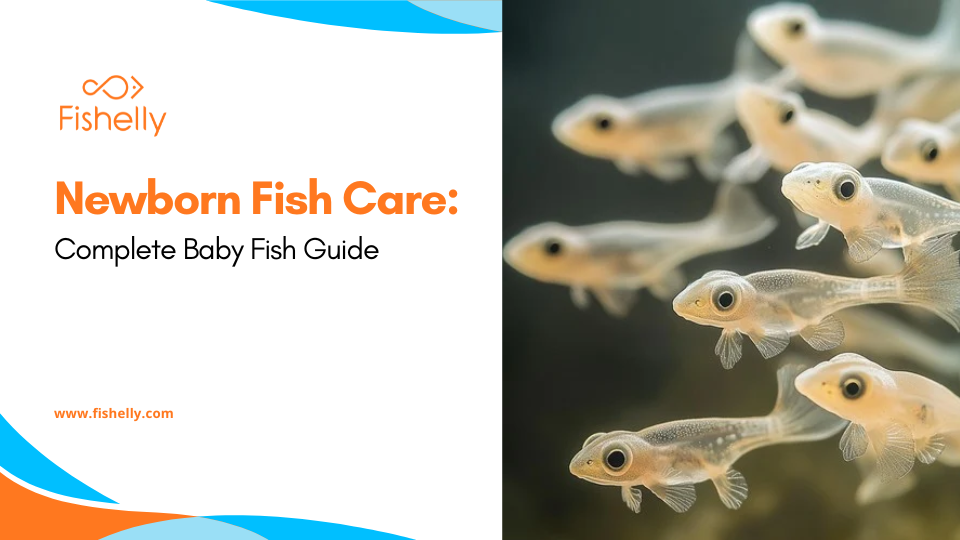
Newborn fish are commonly known as "fry." This term is used for baby fish that have just hatched from their eggs or have been born live, depending on the fish species.
At this early stage of life, fry are extremely tiny, fragile, and not fully developed. They are usually transparent or pale in color and often float or hide near the surface or bottom of the tank. Most fry cannot swim strongly yet and do not have fully formed fins.
Because they are so small, they are highly vulnerable — not just to predators (including other fish in the tank) but also to poor water conditions and lack of proper nutrition. That’s why they need special care, such as gentle filtration, frequent small feedings, and a safe, separate space to grow without threats.
As they grow and begin to eat on their own, they enter the next stage of life and eventually develop into juveniles and then adult fish.
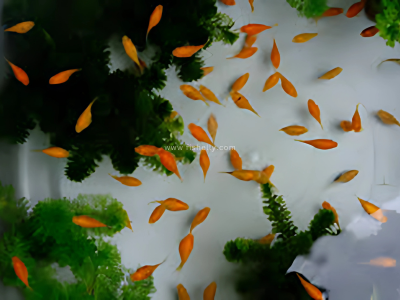
Setting Up a Safe Space
Best Option: Use a separate 10–20 gallon tank
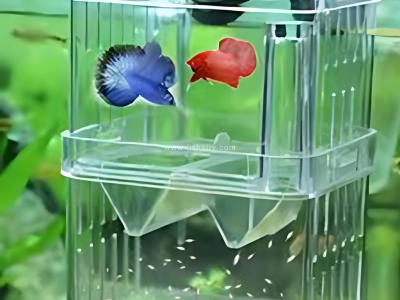
If not: Use a breeding box/net in the main tank
• Keep adult fish away — they may eat the fry.
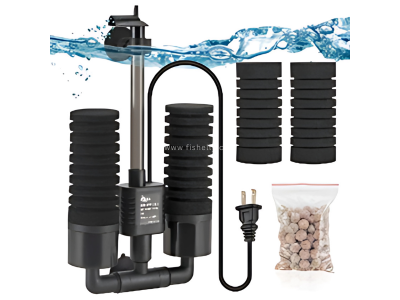
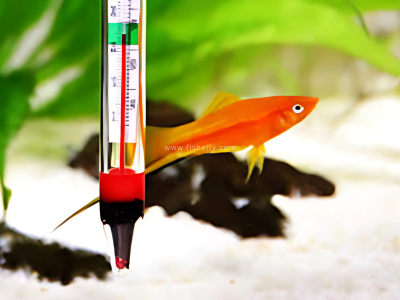
• Use a gentle sponge filter and keep the water warm (75–80°F or 24–27°C).
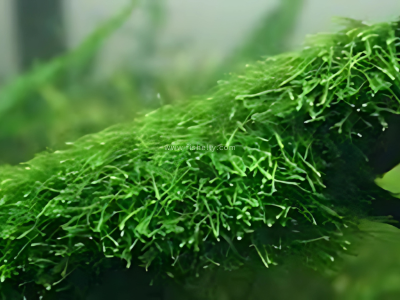
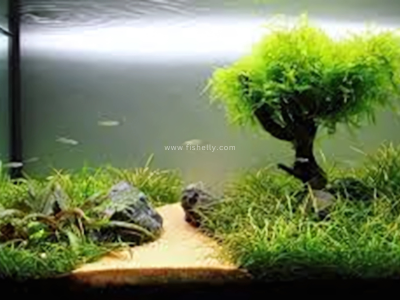
• Add plants like Java moss for hiding spots.
Water Quality Tips
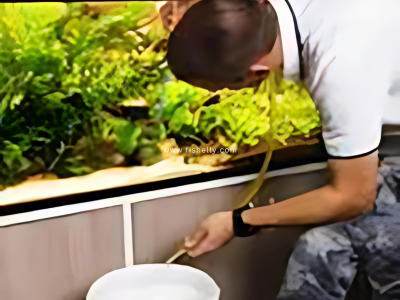
• Change 10–20% water every 2–3 days.
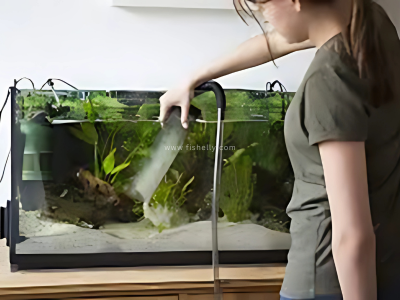
• Use a gentle siphon and water conditioner.
• Maintain temperature (75–80°F).
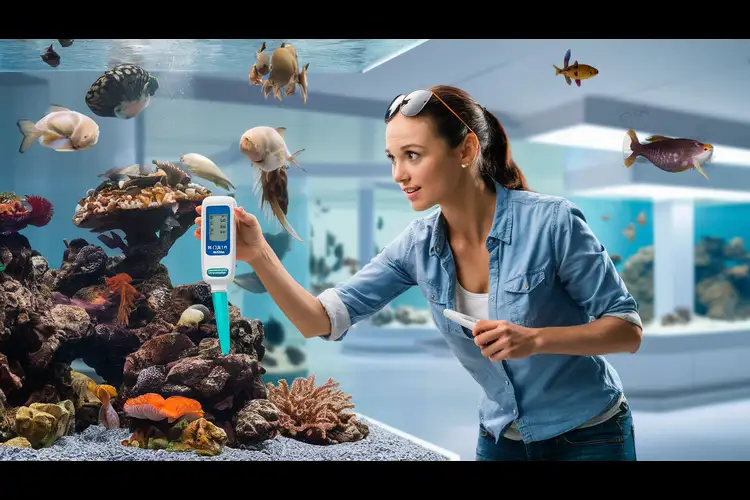
• Test water:
o pH: 6.5–7.5
o Ammonia/Nitrites: 0
Feeding Your Baby Fish
What to Feed Newborn Fish
First Week:
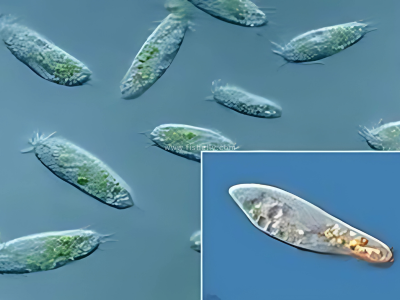
• Infusoria (tiny microorganisms)
• Liquid fry food from pet stores
• Egg yolk (very small amount, mixed with water)

• Green water (water with beneficial algae)
After First Week:
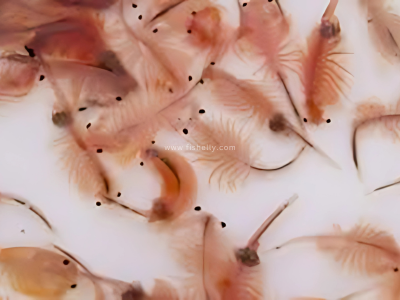
• Baby brine shrimp (live or frozen)
• Crushed flake food (make powder-fine)
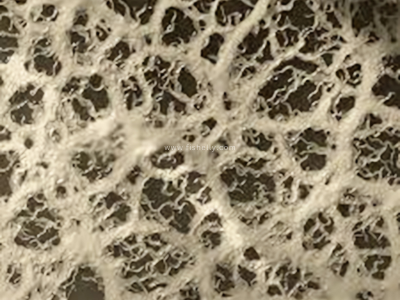
• Micro worms
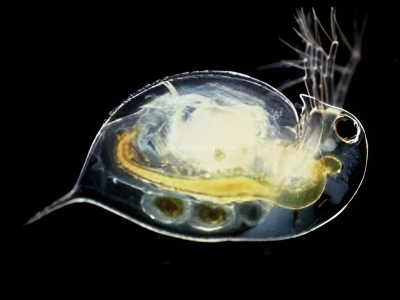
• Daphnia (water fleas)
How Much and How Often
• Feed small amounts 3-5 times per day
• Only give what they can eat in 2-3 minutes
• Remove leftover food to prevent water pollution
• Remember: Tiny stomachs = frequent meals
Making Your Own Baby Fish Food
• Hard-boiled egg yolk mixed with water
• Crush adult fish flakes into fine powder
• Blend vegetables like peas (remove skin first)
• Always strain food to make it very small
Lighting & Environment
• Use soft lights for 8–12 hours a day
• Avoid sudden light changes
• Provide hiding spots using plants and decorations
Protection from Danger
• Separate from adults until fry are 1 inch long
• Use sponge filters to prevent sucking them in
• Watch for diseases (white spots, odd behavior)
Growth Timeline
• Week 1–2: Very tiny, hiding, slow growth
• Week 3–4: Active swimming, visible colors
• Week 5–8: Can eat regular food, ready for main tank
Do’s and Don’ts of Fry Care
Do’s
• Use a separate tank or breeding box
• Feed small meals 3–5 times daily
• Maintain water temp 75–80°F
• Perform regular water changes
• Use sponge filters and live plants for safety and comfort
• Observe fry daily for changes
• Vary food types for balanced nutrition
• Test and monitor water quality
Don’ts
• Don’t overfeed — leftover food = dirty water
• Don’t use strong filters — fry are too weak
• Don’t mix fry with adult fish too early
• Don’t skip water changes
• Don’t use bright or flashing lights
• Don’t expose fry to fluctuating temperatures
• Don’t medicate without expert advice
• Don’t overcrowd the fry tank
• Don’t stress over a few losses — it’s normal
• Don’t rely on just one food type
Avoid These Mistakes
• Overfeeding = dirty water
• Skipping water changes
• Introducing fry to adults too soon
• Sudden temperature or light changes
Types of Baby Fish
• Egg-layers (like tetras): Smaller, slower growth
• Livebearers (like guppies): Bigger at birth, grow faster
Moving Fry to Main Tank
• Wait until they are at least 1 inch
• Test with a few fish first
• Move them gradually and monitor behavior
If Problems Happen
• Won’t eat? Try smaller or different food
• Dying? Check water and feeding
• Slow growth? Improve diet and water quality
Final Tips
• Be patient — fry take time to grow
• Keep notes on feeding and water changes
• Start with a small batch
• Join online fishkeeping groups for help
FAQ
1. What are baby fish called?
They are called fry. This term is used for baby fish that just hatched or were born.
2. Can I keep fry with adult fish?
No, adult fish might eat the fry. It's best to keep them separate.
3. What’s the easiest way to keep fry safe?
Use a separate tank or a breeding box/net inside the main tank.
4. How warm should the water be for baby fish?
Keep it between 75–80°F (24–27°C).
5. How do I feed newborn fish?
Start with infusoria, liquid fry food, or a bit of egg yolk. Feed very small amounts 3–5 times a day.
6. When can fry eat regular fish food?
After 2–3 weeks, you can start giving them crushed flakes and baby brine shrimp.
7. How often should I change the water?
Change 10–20% of the water every 2–3 days using a gentle siphon.
8. What should the water quality be?
pH: 6.5–7.5; Ammonia & Nitrites: 0.
9. Can I make fry food at home?
Yes, you can mash egg yolk, blend peas, or crush flakes into powder.
10. How do I know if the fry are growing properly?
You’ll see them swimming more actively and showing color by week 3–4.
11. When can I move fry to the main tank?
Once they’re at least 1 inch long and strong enough to swim with others.
12. Why are my baby fish dying?
Check water quality, avoid overfeeding, and make sure they're getting enough nutrition.
13. What are the most common mistakes?
Overfeeding, dirty water, mixing fry with adults too early, and sudden changes in light or temperature.
14. Do all baby fish grow at the same speed?
No, livebearers like guppies grow faster than egg-layers like tetras.
15. Is raising fry difficult for beginners?
It takes some effort, but with patience and care, even beginners can do it successfully.
Conclusion
Caring for baby fish takes effort, but it’s worth it. Focus on clean water, frequent feeding, and protection from adults. Even if you lose a few at first, you’ll learn and improve with time. Watching fry grow is one of the most rewarding parts of fishkeeping!