Ocean Fish vs River Fish vs Aquarium Fish: Key Differences
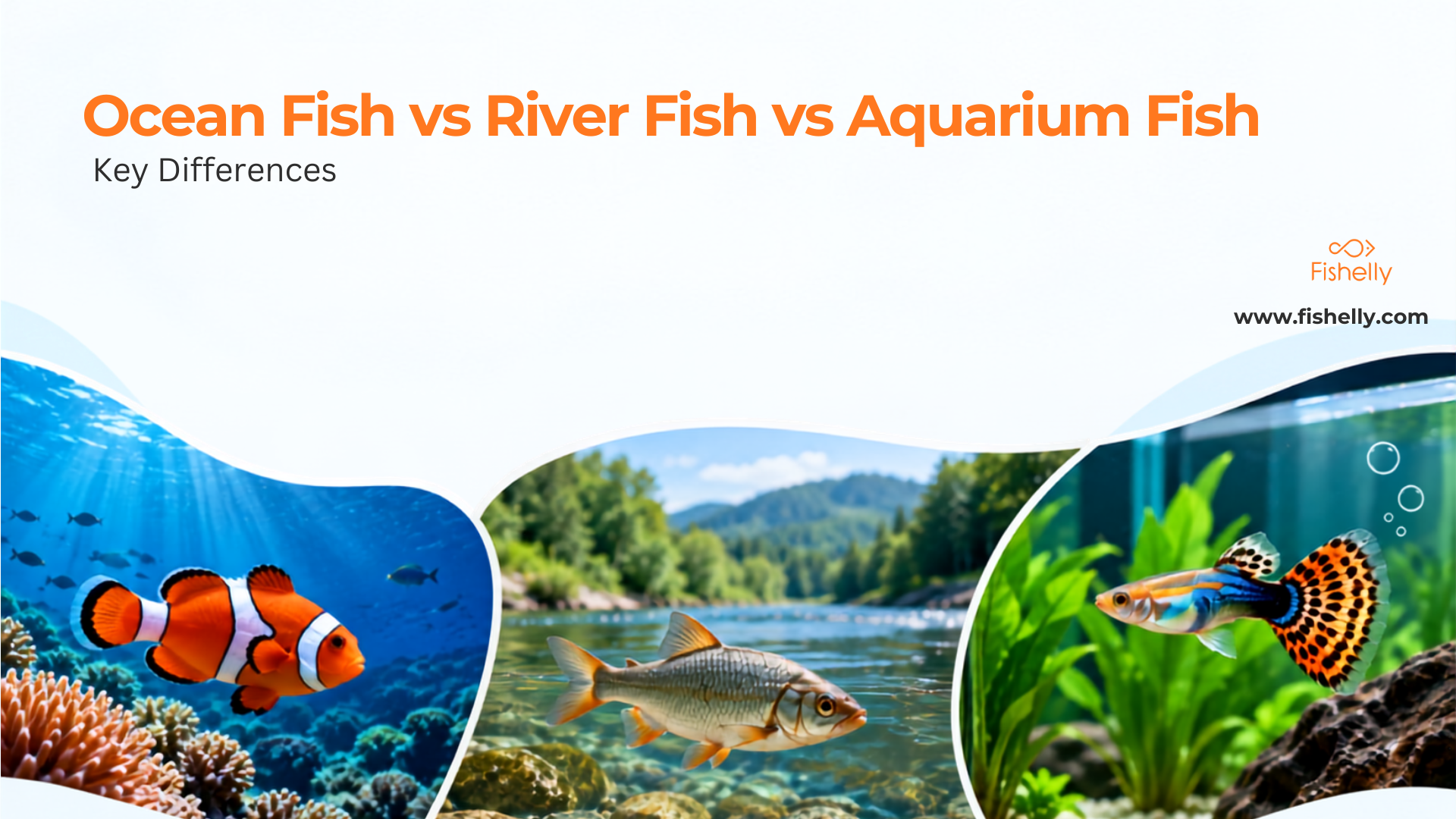
Learn the differences between ocean, river, and freshwater aquarium fish, including salinity, temperature, food, oxygen, water quality, waste, and osmoregulation.
- Ocean Fish vs River Fish: Saltwater vs Freshwater
- Salinity: The Most Important Water Difference
- Temperature: No Single Temperature Works for Every Fish
- Water Movement and Oxygen
- Food: Natural Food Web vs Controlled Feeding
- Water Quality: Nature vs a Small Aquarium
- Who Manages the Waste?
- Do Ocean Fish and River Fish Have Different Blood Types?
- Can Ocean Fish Live in a River?
- Why Is an Aquarium Different From a River?
- Faq
- Conclusion
Fish live in water, but not all water is the same. Oceans contain saltwater, rivers contain freshwater, and aquariums are controlled environments created by humans. These differences affect how fish manage salt, water, temperature, oxygen, food, and waste. For fishkeepers, understanding these differences is important because every fish has specific environmental needs. In this guide, we’ll compare ocean fish, river fish, and freshwater aquarium fish and explore what makes each environment different.
Ocean Fish vs River Fish: Saltwater vs Freshwater
One of the biggest differences between ocean fish and river fish is the amount of salt in the water they live in.
Ocean water is salty, while river water contains very little salt. Because of this, fish have different ways of maintaining the right balance of water and salt inside their bodies.
Ocean Fish
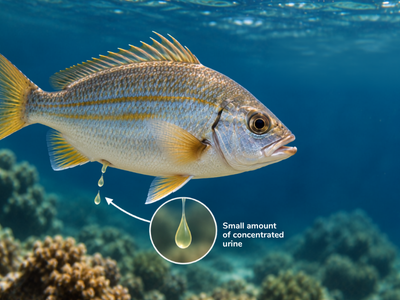
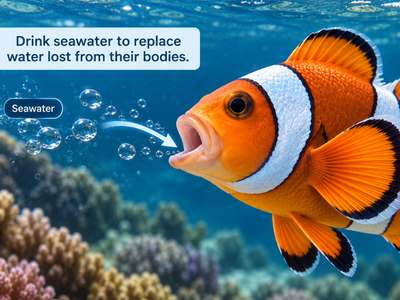
Ocean fish live in salty water, which can cause them to lose water from their bodies.
To maintain the right water and salt balance, they usually:
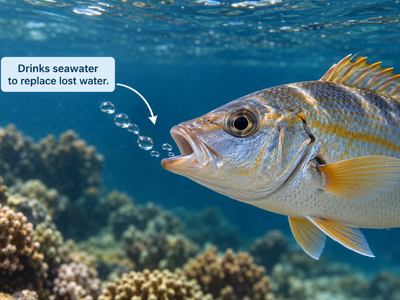
- Drink seawater to replace lost water.
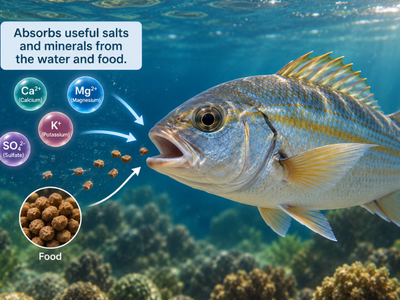
- Absorb useful salts and minerals from the water and food.
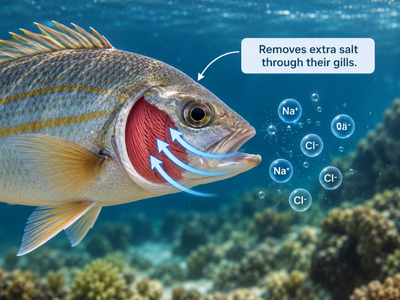
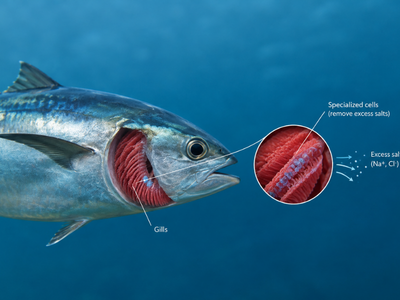
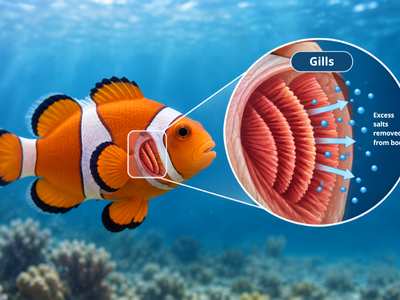
- Remove extra salt through their gills.
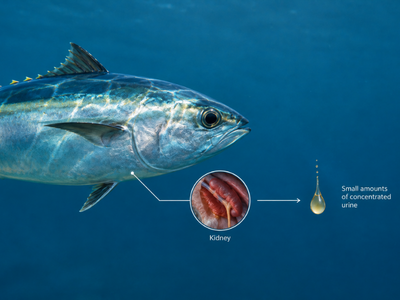
- Produce a small amount of concentrated urine to save water.
River Fish
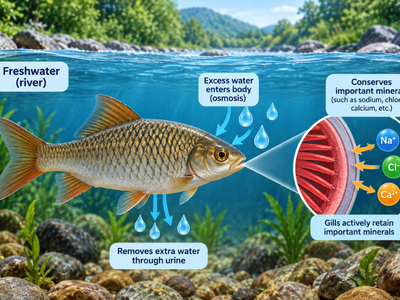
River fish live in freshwater, where there is much less salt than inside their bodies. Water naturally moves into their bodies, while some important salts can be lost.
To maintain the right balance, they usually:
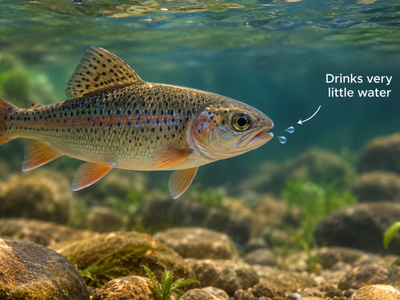
- Drink very little water.
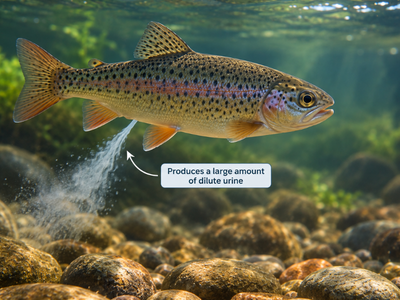
- Produce a large amount of dilute urine to remove extra water.
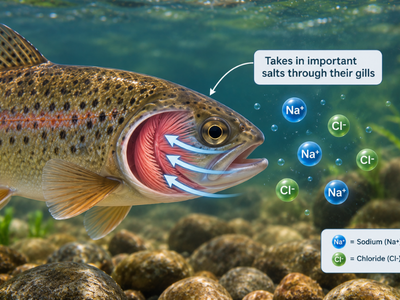
- Take in important salts through their gills.
- Keep as much salt as possible inside their bodies.
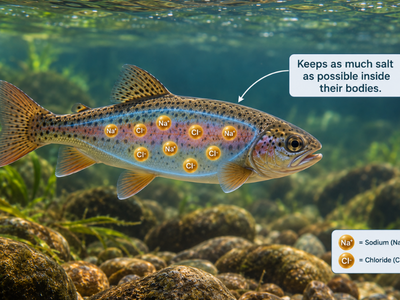
In Simple Words
Ocean fish: Their main challenge is not losing too much water.
River fish: Their main challenge is getting rid of extra water while keeping important salts.
The process fish use to maintain the proper balance of water and salts in their bodies is called osmoregulation.
Salinity: The Most Important Water Difference
Salinity means the amount of dissolved salt and other minerals present in water. It is one of the most important differences between ocean water, river water, and aquarium water because fish are adapted to the type of water they naturally live in.
The wrong salinity can put stress on a fish's body and make it difficult for the fish to maintain the proper balance of water and salts.
Ocean Fish
Ocean fish are naturally adapted to saltwater, which contains a much higher level of dissolved salts than freshwater.
A typical marine aquarium is maintained at around 35 ppt (parts per thousand), which is close to natural seawater. However, the ideal salinity can vary depending on the fish species and the type of marine aquarium.
Ocean fish have special adaptations that help them live in salty water. Their bodies constantly work to prevent excessive water loss and remove extra salts.
-
For example, marine fish may:
-
Drink seawater to replace water lost from their bodies.
- Remove excess salts through specialized cells in their gills.
- Produce small amounts of concentrated urine to conserve water.
This means that suddenly moving a marine fish into freshwater can cause serious stress because its body is not designed to maintain the correct balance under those conditions.
River Fish
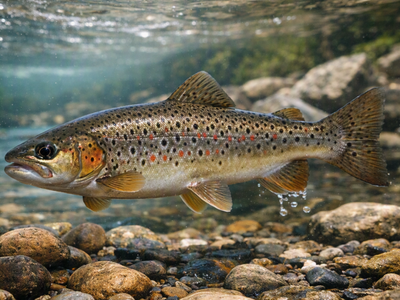
River fish generally live in freshwater, where the amount of dissolved salt is much lower than in the ocean.
Because freshwater contains less salt than a fish's body fluids, water naturally enters the fish's body. At the same time, the fish can lose important minerals to the surrounding water.
Freshwater fish have adapted to handle this difference. They usually produce more dilute urine to remove extra water while conserving important salts.
However, not all rivers have exactly the same water conditions. Some rivers may contain more minerals than others, depending on the rocks, soil, rainfall, and surrounding environment.
Freshwater Aquarium Fish
Freshwater aquarium fish also generally need freshwater conditions, but this does not mean that every freshwater fish can live comfortably in the same type of water.
Different species come from different natural environments. Some naturally live in soft, acidic water, while others are adapted to harder, mineral-rich water.
For example, a fish from a soft-water rainforest stream may prefer water with low mineral content and a slightly acidic pH. Another freshwater fish from a mineral-rich lake or river may be more comfortable in harder water with higher levels of dissolved minerals.
This is why aquarium owners need to consider more than simply whether the water is "freshwater."
Important water factors can include:
- Salinity: The amount of dissolved salts in the water.
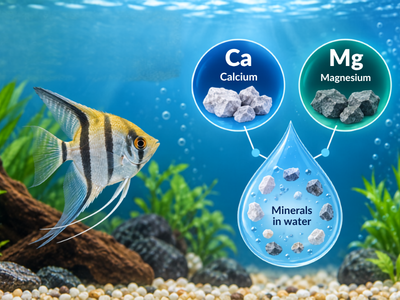
- Water hardness: The amount of minerals such as calcium and magnesium.
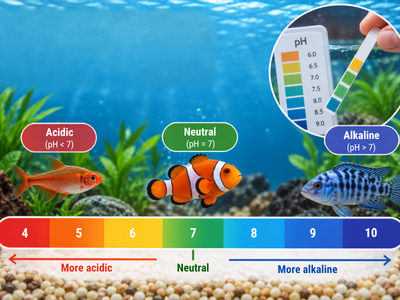
- pH: Whether the water is acidic, neutral, or alkaline.
- Mineral content: The types and amounts of dissolved minerals present.
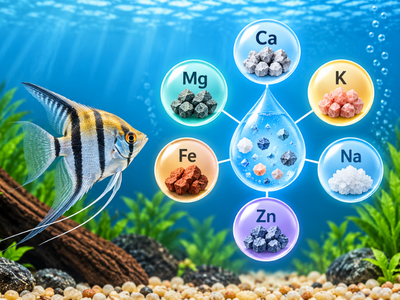
The Key Difference
- Ocean fish are adapted to salty water and must prevent excessive water loss.
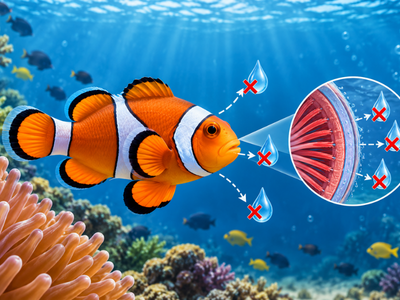
- River fish are adapted to low-salinity water and must remove extra water while conserving important minerals.
- Freshwater aquarium fish need freshwater, but their ideal hardness, pH, and mineral levels can vary greatly from one species to another.
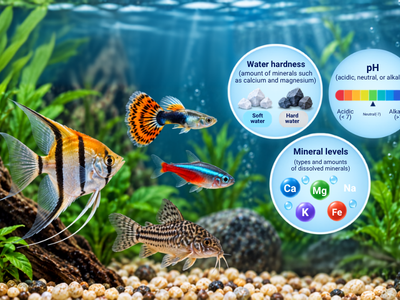
Remember: Freshwater does not mean "one type of water fits all." Always check the natural water conditions and recommended parameters for the particular fish species you are keeping.
Temperature: No Single Temperature Works for Every Fish
Temperature plays an important role in a fish's health, activity, digestion, growth, and metabolism. However, there is no single temperature that is suitable for every type of fish. It is also incorrect to assume that ocean fish are always cold-water fish and river fish are always warm-water fish. Both marine and freshwater environments can have a wide range of temperatures depending on the location, depth, season, and climate.
Temperature in Ocean Fish
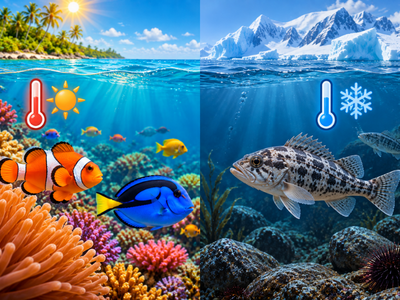
Ocean temperatures can vary greatly around the world. Some marine fish live in warm tropical seas, while others are naturally found in cold waters.
Tropical marine fish generally need warm and relatively stable water. Many popular marine aquarium fish come from tropical coral reefs, where temperatures remain fairly warm throughout the year.
On the other hand, some marine species are adapted to cool or cold water and would not do well in a warm tropical aquarium.
Temperature in River Fish
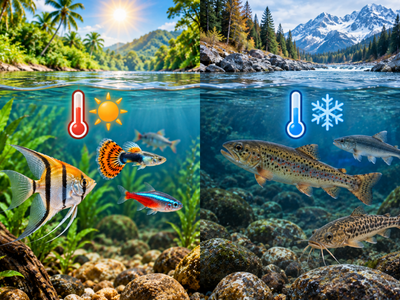
River temperatures also vary depending on the region and climate.
Tropical freshwater fish usually prefer warm water because their natural habitats are located in warm parts of the world. Many common aquarium fish belong to this group.
However, freshwater fish from temperate or cooler regions may require lower temperatures. Some species are naturally adapted to seasonal temperature changes and cooler water.
This means that simply calling a fish a "river fish" does not tell us what temperature it needs.
Temperature in a Freshwater Aquarium
When keeping fish in an aquarium, the most important factor is the temperature requirement of the particular species.
Different fish can have very different temperature preferences, even when they are all freshwater fish. Some need warm tropical water, while others are more comfortable in cooler conditions.
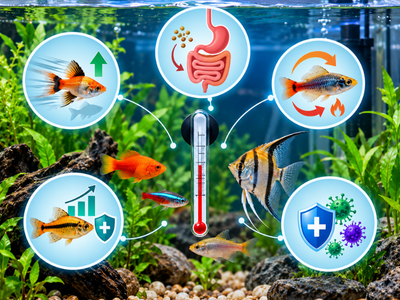
Aquarium temperature can affect several important parts of a fish's life:
-
Activity: Fish may become less active when the water is too cold or stressed when it is too warm.
-
Digestion: Temperature affects how efficiently fish process their food.
-
Metabolism: Warmer water generally increases metabolic activity, while cooler water slows it down.
-
Growth and health: Maintaining suitable temperatures supports normal growth and overall health.
-
Disease resistance: Sudden or unsuitable temperature changes can stress fish and make them more vulnerable to health problems.
Temperature Changes in Nature vs Aquarium
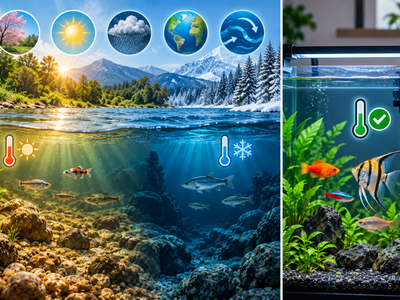
In nature, fish experience temperature changes caused by seasons, weather, water depth, currents, rainfall, and geographical location.
For example, a shallow river may become warmer during the day, while deeper water can remain cooler. Seasonal changes can also cause natural shifts in water temperature.
In an aquarium, however, the fishkeeper has much more control over the environment. The goal is to maintain a species-appropriate and reasonably stable temperature rather than allowing sudden changes.
The Key Difference
There is no universal temperature for all ocean fish, river fish, or aquarium fish.
-
Ocean fish: Can live in tropical, temperate, or cold marine environments.
-
River fish: Can also live in tropical, temperate, or cooler freshwater environments.
-
Aquarium fish: Need a temperature based on their specific species and natural habitat, not simply whether they come from an ocean or river.
Remember: The right temperature is not about where the water comes from it is about what the fish is naturally adapted to.
Water Movement and Oxygen
Water movement is an important part of a fish’s environment. It helps with oxygen exchange, swimming, feeding, and waste removal. However, the amount of water movement a fish needs depends on the environment it naturally lives in.
Ocean Fish
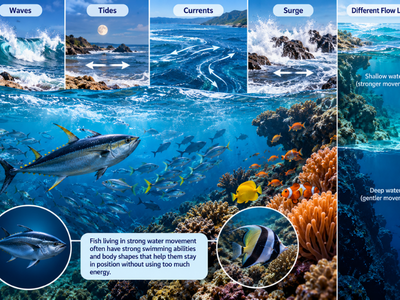
Ocean water is constantly moving because of natural forces such as waves, tides, and currents. The strength of the movement can be very different depending on the location and depth.
Ocean fish may experience:
-
Waves: Move water near the surface and coastal areas.
-
Tides: Regularly change the direction and movement of water.
-
Currents: Carry water over long distances and can be weak or very strong.
-
Surge: Creates back-and-forth water movement, especially around reefs and rocky areas.
-
Different flow levels: Water movement can change significantly between shallow and deep areas.
Fish living in strong water movement often have strong swimming abilities and body shapes that help them stay in position without using too much energy.
River Fish
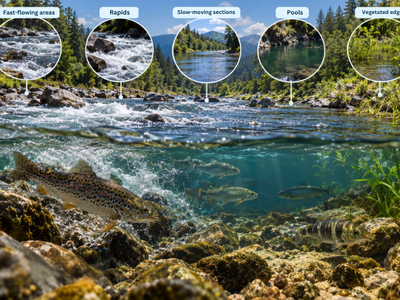
River water naturally flows from one area to another, but the strength of the current is not the same everywhere.
River fish may live in:
-
Fast-flowing areas: Fish need to swim against strong currents or find sheltered places.
-
Rapids: Water moves quickly and can be turbulent.
-
Slow-moving sections: Provide calmer conditions for fish that prefer weaker flow.
-
Pools: Deeper areas where the water may be relatively calm.
-
Vegetated edges: Plants and other structures can reduce the strength of the current.
Because of these different conditions, river fish can have very different swimming abilities. Fish from fast-flowing rivers may have body shapes and behaviors that help them hold their position in strong currents.
Freshwater Aquarium Fish
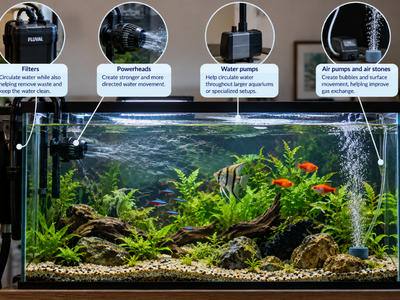
An aquarium does not naturally have the same currents as an ocean or river. Instead, the fishkeeper needs to create and control water movement using aquarium equipment.
Common equipment includes:
-
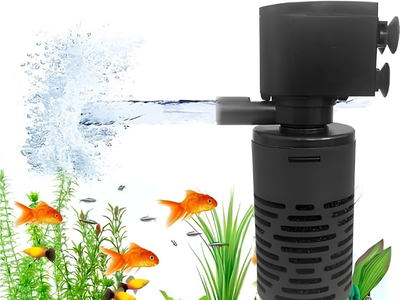
Filters: Circulate water while also helping remove waste and keep the water clean.
-
Powerheads: Create stronger and more directed water movement.
-
Water pumps: Help circulate water throughout larger aquariums or specialized setups.
-
Air pumps and air stones: Create bubbles and surface movement, helping improve gas exchange.
Why Is Water Movement Important for Oxygen?
Fish need dissolved oxygen in the water to breathe through their gills. Water movement helps maintain oxygen availability, especially by increasing movement at the water’s surface.
Good water circulation can:
-
Help oxygen enter the water from the air.
-
Help carbon dioxide leave the water.
-
Distribute oxygen throughout the aquarium.
-
Prevent stagnant areas where water movement is very low.
-
Help move waste toward the filter.
However, more flow is not always better. A very strong current can make it difficult for some fish to swim, feed, or rest.
The Key Difference
-
Ocean: Water movement comes from waves, tides, currents, and natural ocean circulation.
-
River: Water naturally flows, but the current can range from very strong to very slow.
-
Aquarium: Water movement must be created and controlled using filters, pumps, and air equipment.
The ideal water movement depends on the species, size of the aquarium, and natural habitat of the fish.
Remember: The goal is not to create the strongest current. The goal is to provide the right amount of water movement and oxygen for your fish.
Food: Natural Food Web vs Controlled Feeding
Food is another important difference between ocean, river, and aquarium environments. In nature, fish find food on their own as part of a large food web. In an aquarium, the fishkeeper is responsible for providing the right food and maintaining a proper feeding routine.
Ocean Fish
The ocean has a huge and complex natural food web. Different fish eat different types of food depending on their species, size, habitat, and feeding behavior.
Marine fish may eat:
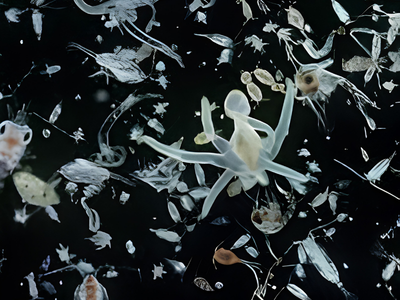
- Plankton: Tiny organisms that are an important food source for many marine animals.
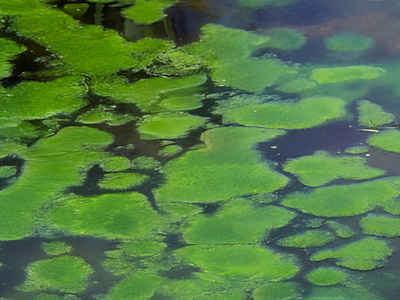
- Algae: Commonly eaten by herbivorous and algae-grazing fish.
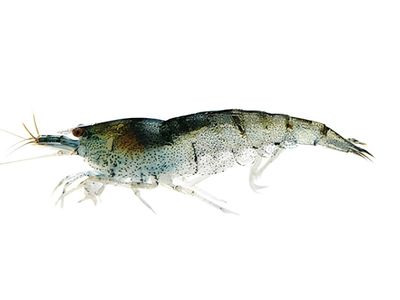
- Crustaceans: Such as shrimp, krill, and small crabs.
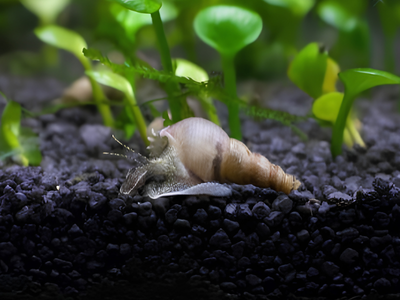
- Mollusks: Including small clams, snails, and other soft-bodied animals.
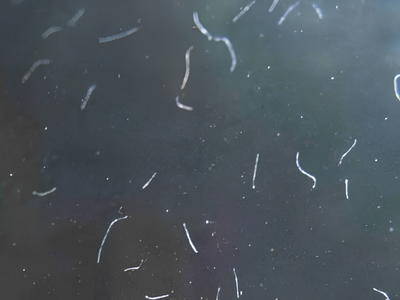
- Worms: Found in sand, rocks, reefs, and other marine habitats.
- Smaller fish: Larger or predatory fish may hunt smaller fish.
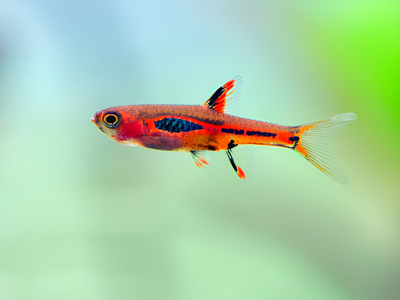
Other marine organisms: Some species have highly specialized diets based on their natural habitat.
Because food is naturally available in different parts of the ocean, fish may spend much of their time searching, grazing, hunting, or filtering food from the water.
River Fish
River environments also contain a diverse range of natural food sources. However, the available food depends on the river, water conditions, surrounding vegetation, and season.
River fish may feed on:
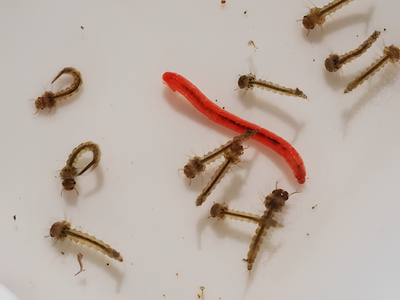
- Insects and insect larvae: Especially common in freshwater streams and rivers.
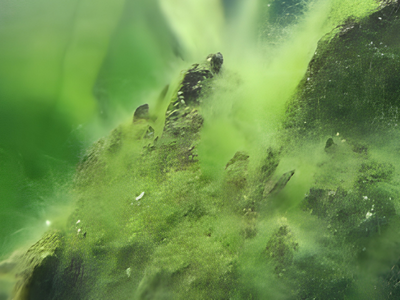
- Algae: A food source for many smaller fish and algae-eating species.
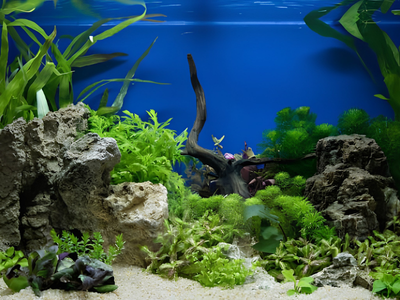
- Aquatic plants: Some fish feed directly on plants and plant matter.
-
Seeds and organic material: Food can enter rivers from surrounding land and vegetation.
-
Crustaceans: Small shrimp and other freshwater crustaceans can be eaten by many species.
-
Worms: An important source of protein for many fish.
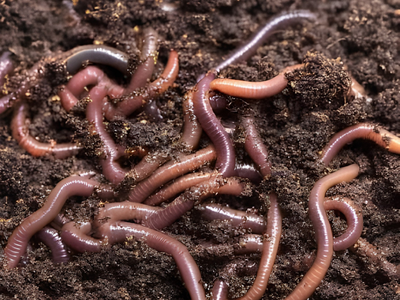
- Smaller fish: Predatory freshwater fish may hunt smaller species.
Different river fish have different feeding habits. Some graze on plants and algae, some search along the bottom for small organisms, while others actively hunt prey.
Aquarium Fish
In an aquarium, fish usually do not have access to the large and constantly changing food web found in nature. Instead, their food is provided by the fishkeeper.
Common aquarium foods include:
- Flakes: Convenient and suitable for many common aquarium fish.

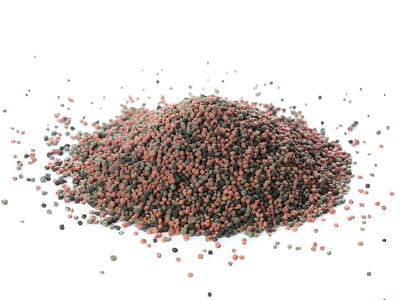
- Pellets: Available in different sizes and formulas for different fish.
- Frozen foods: Such as bloodworms, brine shrimp, and other nutritious options.

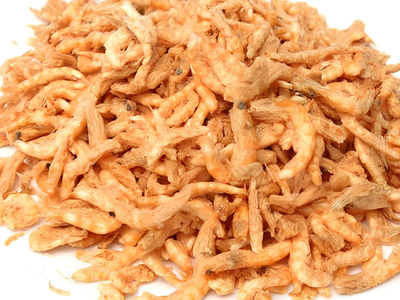
- Freeze-dried foods: Convenient foods that can provide additional variety.
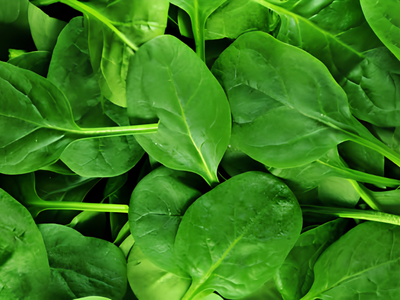
- Vegetables: Suitable for many herbivorous and plant-eating fish.
- Algae-based foods: Useful for species that naturally graze on algae.
- Live foods: Can be offered to certain species when appropriate and safely sourced.
The type of food should always match the species and its natural diet. A fish that naturally eats plants will have different nutritional needs from a fish that normally hunts other animals.
Why Proper Feeding Matters
Unlike fish in nature, aquarium fish depend heavily on their owner for their daily nutrition. Providing the wrong food or too much food can cause problems.
Good feeding practices include:
-
Choose species-appropriate food based on the fish's natural diet.
-
Provide a balanced diet rather than relying on only one type of food.
-
Feed appropriate portions to reduce uneaten food and water pollution.
-
Offer variety when needed to provide different nutrients.
-
Consider the fish's feeding level because surface, mid-water, and bottom-dwelling fish may eat differently.
The Key Difference
-
Ocean: Fish find food within a large and complex marine food web.
-
River: Fish depend on the natural food available in their particular river environment.
-
Aquarium: The fishkeeper controls what food is available and is responsible for meeting the fish's nutritional needs.
Remember: In nature, fish search for food as part of a natural food web. In an aquarium, the fishkeeper becomes responsible for providing the right food, quantity, and feeding routine.
Water Quality: Nature vs a Small Aquarium
Water quality is very important for fish health. The biggest difference between natural water and an aquarium is the amount of water and how quickly waste can build up.
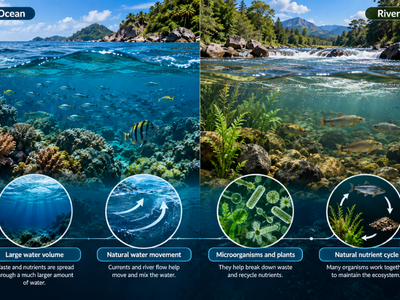
Ocean & River
Oceans and rivers are large natural ecosystems where water is constantly affected by natural processes.
-
Large water volume: Waste and nutrients are spread through a much larger amount of water.
-
Natural water movement: Currents and river flow help move and mix the water.
-
Microorganisms and plants: They help break down waste and recycle nutrients.
-
Natural nutrient cycle: Many organisms work together to maintain the ecosystem.
Aquarium
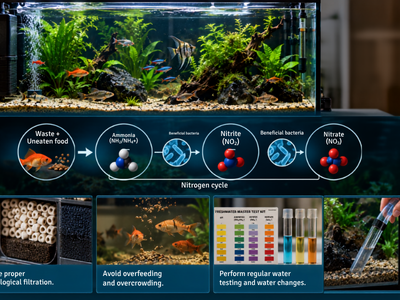
An aquarium is a small artificial ecosystem, so fish waste and leftover food can affect water quality much faster.
The basic process is:
Waste + Uneaten food → Ammonia → Nitrite → Nitrate
Beneficial bacteria help convert toxic ammonia and nitrite into nitrate. This process is called the nitrogen cycle.
To maintain good water quality:
-
Use proper biological filtration.
-
Avoid overfeeding and overcrowding.
-
Perform regular water testing and water changes.
The Key Difference
Ocean/River: Large natural ecosystems with continuous nutrient cycling.
Aquarium: Small artificial ecosystem where waste can build up quickly and needs regular management.
Remember: In an aquarium, the fishkeeper plays an important role in maintaining the water quality that natural ecosystems manage through their larger and more complex processes.
Who Manages the Waste?
Fish naturally produce waste, and uneaten food also adds waste to the water. The main difference is how that waste is processed and removed in oceans, rivers, and aquariums.
Ocean
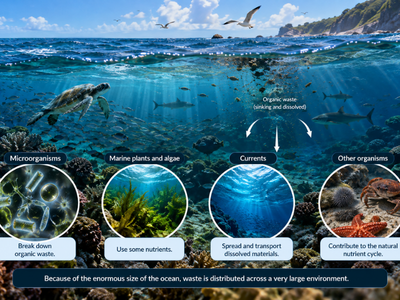
The ocean is a huge natural ecosystem where waste is continuously broken down and recycled by many organisms and natural processes.
-
Microorganisms break down organic waste.
-
Marine plants and algae use some nutrients.
-
Currents spread and transport dissolved materials.
-
Other organisms contribute to the natural nutrient cycle.
Because of the enormous size of the ocean, waste is distributed across a very large environment.
River
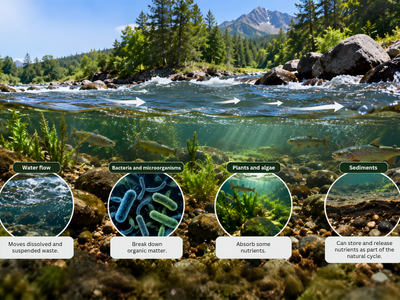
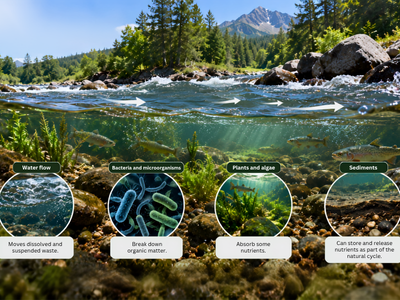
Rivers have flowing water that naturally transports waste, nutrients, and other materials downstream.
-
Water flow moves dissolved and suspended waste.
-
Bacteria and microorganisms break down organic matter.
-
Plants and algae absorb some nutrients.
-
Sediments can store and release nutrients as part of the natural cycle.
The amount and type of waste processing can vary depending on the river's flow, plants, microorganisms, and surrounding environment.
Aquarium
An aquarium is much smaller and has fewer natural processes than an ocean or river. Therefore, the fishkeeper must actively manage the waste.
Important methods include:
- Biological filtration: Beneficial bacteria help process toxic fish waste.
- Mechanical filtration: Removes solid particles and debris from the water.
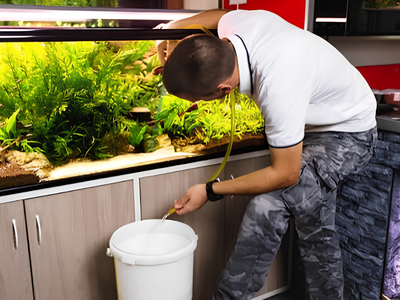
- Water changes: Remove accumulated waste and help maintain water quality.
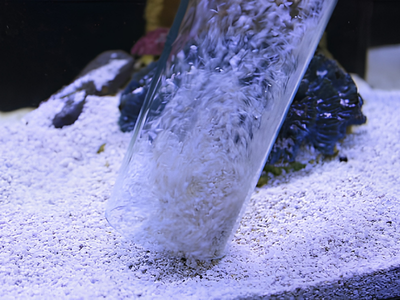
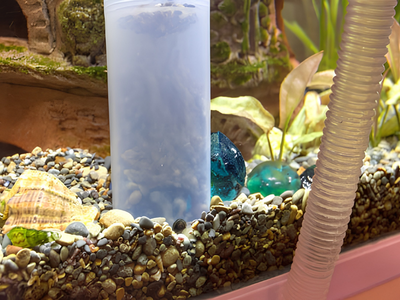
- Substrate maintenance: Helps prevent excessive waste from collecting in the gravel or substrate.
- Removing uneaten food: Prevents leftover food from decomposing and adding more waste.
- Appropriate stocking: Keeping a suitable number of fish helps prevent excessive waste production.
The Key Difference
-
Ocean: Natural processes manage waste within a massive ecosystem.
-
River: Flowing water and natural organisms help transport and recycle waste.
-
Aquarium: The fishkeeper must manage waste through filtration, maintenance, feeding control, and appropriate stocking.
-
Remember: The more fish and food you add to a small aquarium, the more waste it produces. Overfeeding and overstocking can quickly reduce water quality.
Do Ocean Fish and River Fish Have Different Blood Types?
A common misconception is that ocean fish and river fish have completely different blood types because they live in different types of water. However, this is not how fish blood works.
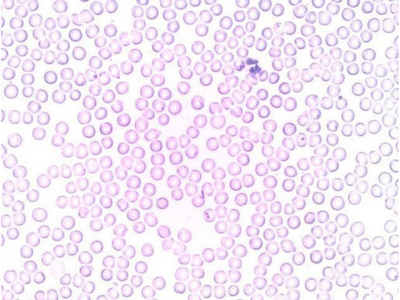
Fish blood contains many of the same basic components found in other vertebrates, including:
- Red blood cells: Carry oxygen around the body using hemoglobin.

- White blood cells: Help protect the fish from infections and disease.
- Plasma: The liquid part of blood that carries nutrients, hormones, and other substances.
- Hemoglobin: A protein that helps transport oxygen through the blood.
Most fish also have nucleated red blood cells, meaning their red blood cells contain a nucleus.
Ocean Fish vs River Fish
The main difference between marine and freshwater fish is not their blood type. Instead, their bodies have different ways of controlling the balance of water and dissolved salts.
-
Freshwater fish: Water tends to enter their bodies, so they remove excess water and conserve important salts.
-
Marine bony fish: Water tends to leave their bodies, so they drink seawater and remove excess salts.
This process is called osmoregulation. It helps fish maintain the right internal balance even when the surrounding water has very different salt levels.
The Key Difference
Blood type is not the main difference between ocean and river fish.
Osmoregulation is the important difference because it allows fish to survive in their particular water environment.
Remember: Ocean and freshwater fish are adapted to different salt and water conditions, but this does not mean they have completely different blood types.
Can Ocean Fish Live in a River?
Usually, no. Most ocean fish are specially adapted to live in salty seawater, while river fish are adapted to low-salinity freshwater. Their bodies are designed to maintain a specific balance of water and salts, so they cannot usually switch environments suddenly.
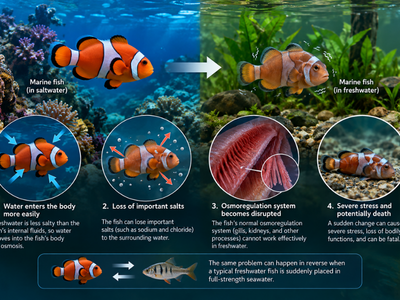
What Happens When a Marine Fish Enters Freshwater?
When a typical marine fish is placed in freshwater, its body can struggle to maintain the correct salt and water balance.
-
Water enters the body more easily because freshwater is less salty than the fish's internal fluids.
-
The fish can lose important salts to the surrounding water.
-
Its normal osmoregulation system becomes disrupted.
-
A sudden change can cause severe stress and potentially death.
The same problem can happen in reverse when a typical freshwater fish is suddenly placed in full-strength seawater.
Euryhaline Fish: The Exception
Some fish have evolved special adaptations that allow them to tolerate large changes in salinity. These fish are called euryhaline fish.
Some examples include:
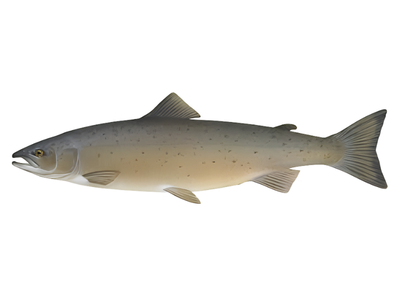
- Salmon: Can move between freshwater rivers and the ocean during different stages of their life.
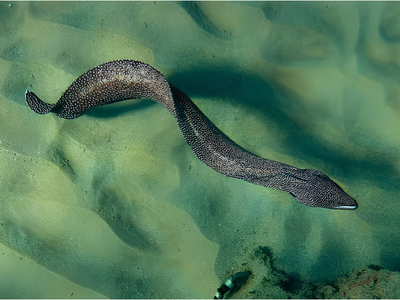
- Eels: Certain species can live and migrate between freshwater and marine environments.
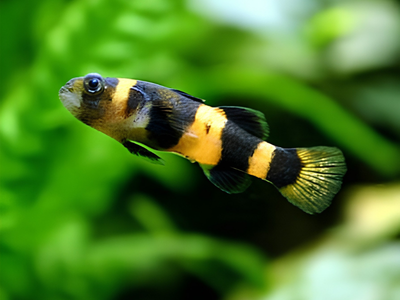
- Gobies: Some species can tolerate a wide range of salinity.
- Mollies: Some species can tolerate brackish or moderately salty water, although their tolerance depends on the species and conditions.
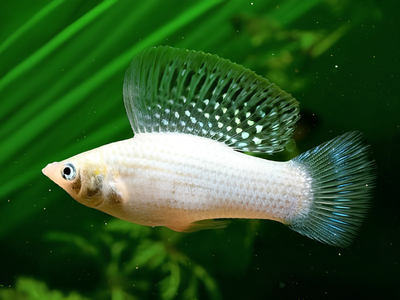
However, being euryhaline does not mean a fish can handle any salinity change instantly. Tolerance varies by species, life stage, and how quickly the salinity changes.
The Key Difference
Most marine fish: Need stable saltwater conditions.
Most freshwater fish: Need low-salinity freshwater conditions.
Euryhaline fish: Have special adaptations that allow them to tolerate or move between different salinity levels.
Remember: Never assume a fish can move from freshwater to saltwater, or saltwater to freshwater, just because another species can. Always check the specific species' salinity tolerance and acclimate it gradually when appropriate.
Why Is an Aquarium Different From a River?
A freshwater aquarium may contain the same species of fish that naturally lives in a river, but the two environments are very different.
A river is a large, naturally changing ecosystem where water, plants, microorganisms, food, and other organisms interact continuously. An aquarium is a much smaller environment where many of these natural processes have to be supported by the fishkeeper.
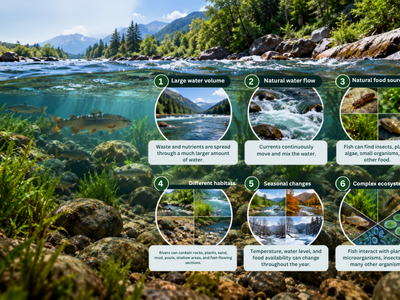
Life in a River
A natural river provides fish with a constantly changing environment.
-
Large water volume: Waste and nutrients are spread through a much larger amount of water.
-
Natural water flow: Currents continuously move and mix the water.
-
Natural food sources: Fish can find insects, plants, algae, small organisms, and other food.
-
Different habitats: Rivers can contain rocks, plants, sand, mud, pools, shallow areas, and fast-flowing sections.
-
Seasonal changes: Temperature, water level, and food availability can change throughout the year.
-
Complex ecosystem: Fish interact with plants, microorganisms, insects, and many other organisms.
Life in an Aquarium
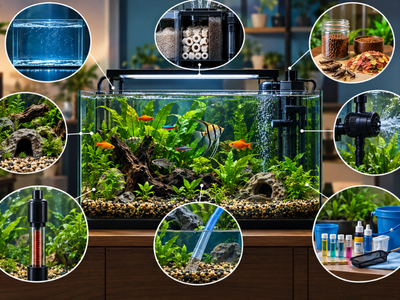
An aquarium is a small, controlled environment. The fishkeeper must provide many of the things that a river naturally provides.
-
Limited water volume: Waste can build up much faster than in a river.
-
Artificial filtration: Filters help remove waste and support beneficial bacteria.
-
Controlled feeding: The fishkeeper provides food instead of fish searching for their natural diet.
-
Artificial water movement: Filters and pumps create the required circulation.
-
Limited habitat: Rocks, plants, caves, and other decorations are added to provide shelter and enrichment.
-
Controlled temperature: Heaters or cooling equipment may be used to maintain suitable conditions.
-
Regular maintenance: Water testing, water changes, filter care, and cleaning are needed to maintain water quality.
The Key Difference
River: A large, naturally changing ecosystem where many processes happen without human control.
Aquarium: A small, managed ecosystem where the fishkeeper must control and maintain important conditions.
An aquarium can recreate some important aspects of a fish's natural habitat, but it cannot fully reproduce the size and complexity of a natural river.
Remember: An aquarium is not a miniature river it is a managed ecosystem designed to provide suitable conditions for the fish.
Frequently Asked Questions
1. What is the main difference between ocean fish and river fish?
Ocean fish live in salty water, while river fish live in low-salinity freshwater. Their bodies have different adaptations for maintaining water and salt balance.
2. What is osmoregulation in fish?
Osmoregulation is the process fish use to maintain the proper balance of water and salts inside their bodies.
3. Can ocean fish live in freshwater?
Most ocean fish cannot live in freshwater because their bodies are adapted to stable saltwater conditions. A sudden change in salinity can cause severe stress.
4. Can freshwater fish live in saltwater?
Most freshwater fish cannot tolerate full-strength seawater. However, some euryhaline fish can tolerate changes in salinity.
5. Do ocean fish and river fish have different blood types?
No. The main difference is not their blood type but how their bodies regulate water and dissolved salts.
6. Do all fish need the same temperature?
No. Fish have different temperature requirements depending on their species and natural habitat.
7. How is an aquarium different from a river?
A river is a large, naturally changing ecosystem, while an aquarium is a small, controlled environment that requires regular maintenance by the fishkeeper.
8. What do aquarium fish eat?
Aquarium fish may eat flakes, pellets, frozen foods, vegetables, algae-based foods, or live foods, depending on their natural diet.
9. Why is water quality important for aquarium fish?
Poor water quality can quickly stress fish because waste and uneaten food can build up in a small aquarium. Filtration, water testing, and regular water changes help maintain suitable conditions.
10. What is the biggest responsibility of a fishkeeper?
The fishkeeper must provide suitable water conditions, temperature, food, oxygen, filtration, and regular maintenance based on the fish species.
Conclusion
Ocean fish, river fish, and freshwater aquarium fish may live in different environments, but each has specific needs for salinity, temperature, oxygen, food, and water quality. Understanding these differences helps fishkeepers create a safe and suitable environment where their fish can stay healthy and thrive.