Parrot Fish Overview - History, Colors, Behavior & Fun Facts

Discover Parrot Fish (Blood Parrot Cichlids), their origin, unique appearance, colors, personality, behavior, types, lifespan, and interesting facts.
- What Is a Parrot Fish?
- Origin & History of Parrot Fish
- Popular Types of Parrot Fish
- Parrot Fish Colors & Their Look
- Parrot Fish Behavior & Personality in Aquariums
- Parrot Fish Around the World
- Why Parrot Fish Are So Popular
- Fun Facts About Parrot Fish
- Faq
- Conclusion
Parrot Fish, also known as Blood Parrot Cichlids, are colorful freshwater aquarium fish loved for their bright colors, unique body shape, and friendly personality. Their playful behavior and interactive nature make them a popular centerpiece fish for home aquariums.

What Is a Parrot Fish?
Parrot Fish, commonly called Blood Parrot Cichlids, are hybrid freshwater fish created through selective breeding of South and Central American cichlids. Unlike many aquarium fish that occur naturally in rivers and lakes, Blood Parrot Fish are the result of controlled breeding programs designed to combine attractive colors, unique body shapes, and engaging personalities.
Physical Appearance
Parrot Fish have several features that make them easy to recognize:
-
Rounded, balloon-shaped body
-
Distinctive beak-like mouth
-
Large expressive eyes
-
Bright and vibrant coloration
-
Graceful swimming style
Most adult Parrot Fish grow between 6 and 10 inches, although some individuals may become larger in spacious aquariums.
Personality and Intelligence
One of the biggest reasons for their popularity is their interactive behavior.
Parrot Fish are known to:
-
Recognize their owners
-
Swim to the front of the tank during feeding time
-
Learn feeding routines
-
Explore decorations and aquarium surroundings
-
Display individual personalities
Many fishkeepers describe them as behaving more like aquatic pets than ordinary aquarium fish.
Origin & History of Parrot Fish
Unlike most aquarium fish, Blood Parrot Fish do not occur naturally in the wild.
Hybrid Origins
Blood Parrot Fish were first developed in Taiwan during the 1980s through selective breeding.
They are widely believed to be a hybrid of:
- Midas Cichlid

- Red Devil Cichlid

Breeders aimed to create a fish that combined attractive coloration, unique body shape, and a friendly personality.
Rise in Popularity
After their introduction, Parrot Fish quickly became popular throughout Asia and later spread to Europe, North America, and other parts of the world.
Today, they are among the most popular hybrid cichlids in the aquarium hobby.
Modern Breeding
Over the years, selective breeding programs have produced fish with:
-
Brighter coloration
-
Improved body structure
-
Better overall hardiness
-
Greater variety in appearance
As a result, Parrot Fish are now bred commercially in many countries around the world.
Popular Types of Parrot Fish
Blood Parrot Fish: The most popular variety, recognized for its bright orange color, rounded body shape, and peaceful, friendly nature that makes it a favorite among aquarium hobbyists.

Red Parrot Fish: A selectively bred variety featuring a deep red coloration and vibrant appearance, often chosen as a striking centerpiece fish for display aquariums.

Calico Parrot Fish: Known for its unique mix of orange, black, and white patterns, each fish displays distinctive markings that make it visually different from others.

Pink Parrot Fish: A less common variety with a soft pink body coloration, valued by aquarists looking for something unusual and eye-catching.
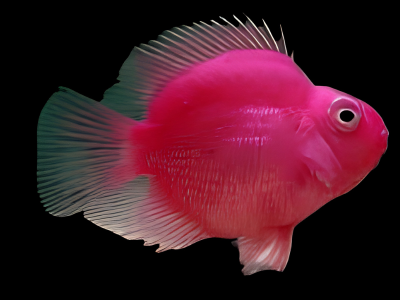
Jellybean Parrot Fish: Characterized by unusually bright colors created through artificial color enhancement techniques, though naturally colored varieties are generally preferred by experienced fishkeepers.

Parrot Fish Colors & Their Look
The incredible coloration of Parrot Fish is one of the biggest reasons for their popularity.
Orange: The classic and most recognizable color.

Red: A deeper and more vibrant version of orange.

Yellow: Bright and eye-catching.

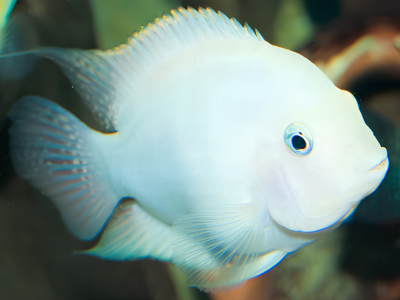
White: Rare and highly attractive.
Physical Features
Beak-Like Mouth: Their mouth resembles a parrot's beak, inspiring their name.
Rounded Body: Creates a cute and distinctive appearance.
Large Eyes: Give them a curious and expressive look.
Vibrant Scales: Reflect aquarium lighting beautifully.
Their unique combination of shape and color makes them instantly recognizable among freshwater aquarium fish.
Parrot Fish Behavior & Personality in Aquariums
Parrot Fish are known for being among the most interactive freshwater fish.
Friendly Nature
-
Generally peaceful
-
Enjoy interacting with owners
-
Curious about their environment
Semi-Aggressive Tendencies
-
May defend territory
-
Can chase fish that invade their space
-
More aggressive during breeding periods
Intelligence
-
Owner Recognition
-
Many Parrot Fish learn to recognize their owners.
Feeding Routine Awareness
They quickly learn feeding schedules.
Environmental Curiosity
Parrot Fish enjoy exploring their surroundings and often:
- Rearrange gravel

- Move small decorations
-
Investigate new objects
-
Claim caves and shelters as personal territory
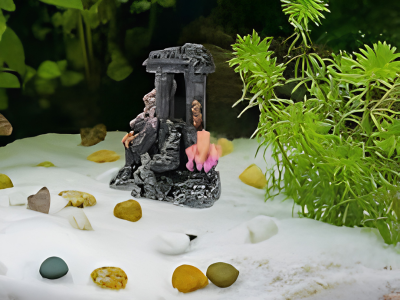
Their playful nature makes them entertaining fish to observe.
Suitable Tank Mates
Parrot Fish can live peacefully with similarly sized, non-aggressive fish.
Popular tank mates include:
- Severums

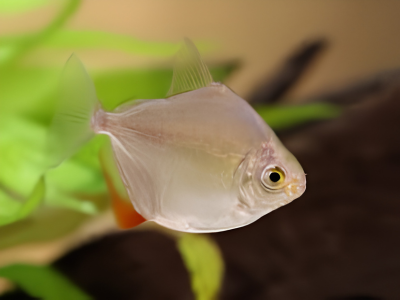
- Silver Dollars
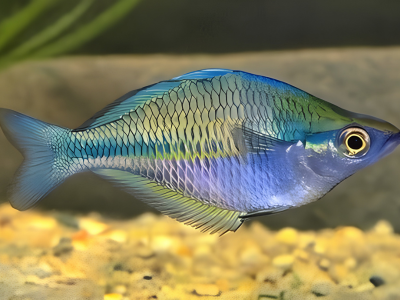
- Rainbowfish
- Plecos

- Larger peaceful Barbs

- Giant Danios

Very small fish may be intimidated by larger Parrot Fish, while highly aggressive cichlids may cause stress.
Territory Formation
Although generally peaceful, Parrot Fish can be mildly territorial.
They may:
-
Defend favorite hiding spots
-
Chase fish that enter their territory
-
Show increased aggression during breeding behavior
However, they are usually less aggressive than many larger cichlid species.
Parrot Fish Around the World
Parrot Fish have become a global aquarium favorite.
Asia
Countries such as:
-
Taiwan
-
China
-
Thailand
-
India
consider them symbols of luck, prosperity, and happiness.

Europe
Popular among aquascapers due to:
-
Unique appearance
-
Bright coloration
-
Interactive nature

*North America
Frequently kept in:
-
Community aquariums
-
Large cichlid tanks
-
Display aquariums

Worldwide Recognition
Their bright colors and engaging behavior have made them one of the most recognized freshwater fish species in the aquarium hobby.
Why Parrot Fish Are So Popular
There are many reasons why aquarium hobbyists love Parrot Fish:
-
Bright and attractive colors
-
Unique body shape
-
Friendly and interactive personality
-
High intelligence
-
Beginner friendly nature
-
Long lifespan
-
Strong adaptability to aquarium life
With proper care, these fish can live for 10 to 15 years or even longer, making them long term companions for dedicated fishkeepers.

Fun Facts About Parrot Fish
-
Can recognize their owners.
-
One of the most popular hybrid aquarium fish.
-
Colors become brighter with proper care.
-
Enjoy rearranging gravel and decorations.
-
Each fish has a unique personality.
-
Considered a symbol of luck and prosperity in Asia.
FAQ
1.How big do Parrot Fish grow?
Most Parrot Fish grow between 6 and 10 inches.
2.How long do Parrot Fish live?
They typically live 10–15 years with proper care.
3.Are Parrot Fish aggressive?
They are generally semi-aggressive and become territorial occasionally.
4.What do Parrot Fish eat?
They enjoy pellets, flakes, bloodworms, brine shrimp, krill, vegetables, and other protein-rich foods.
5.Can Parrot Fish recognize their owners?
Yes. Many owners observe their Parrot Fish responding to familiar faces.
6.Are Parrot Fish suitable for beginners?
Yes. They are considered beginner-friendly when provided with adequate tank space and proper filtration.
7.What tank size is best for Parrot Fish?
A minimum of 55 gallons is recommended for a single adult fish.
8.Can Parrot Fish live with other fish?
Yes. They can live with similarly sized peaceful fish.
9.Why is their mouth shaped differently?
Their beak shaped mouth is a result of their hybrid genetics.
10.Do Parrot Fish change color?
Their coloration can become brighter with age, nutrition, and proper aquarium conditions.
Conclusion
Parrot Fish are colorful, intelligent, and highly interactive aquarium fish. Their unique appearance, playful nature, and ability to recognize their owners make them a favorite among fishkeepers. Whether you're a beginner or an experienced hobbyist, Parrot Fish can be a beautiful and rewarding addition to any freshwater aquarium.