Platy vs Molly Fish: Essential Differences Explained
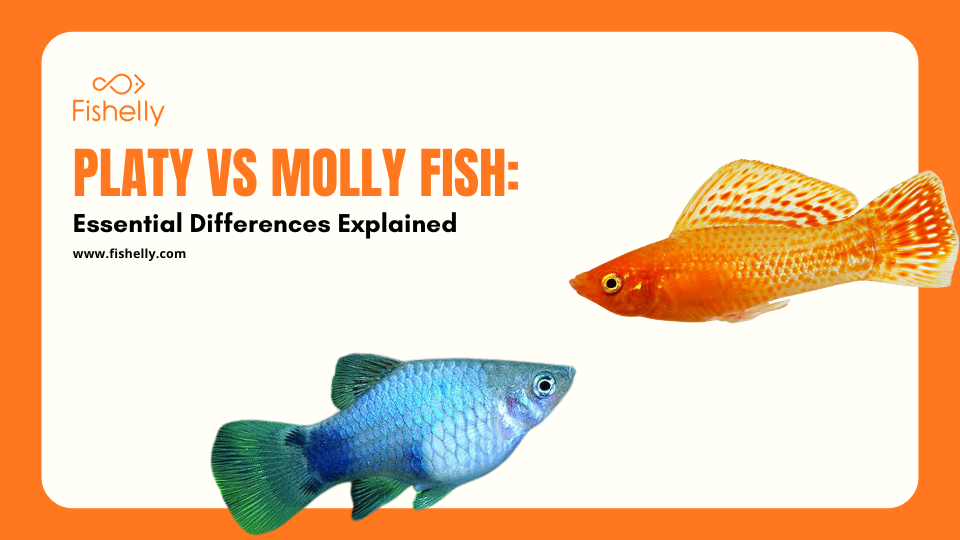
Compare Platy vs Molly fish in size, temperament, care level, water needs, breeding, and tank setup. Learn which livebearer is best for beginners and community tanks.
Table of Contents
- Size Difference
- Body Shape & Appearance
- Behavior & Temperament
- Tank & Care Requirements
- Water Parameters
- Diet & Feeding
- Breeding Differences
- Lifespan
- Tank Mates
- Which Fish Should You Choose?
- Faq
- Conclusion
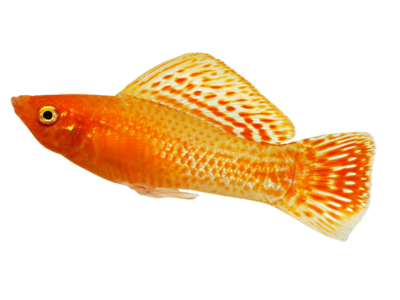
Livebearers are among the most beginner-friendly aquarium fish, and two of the most popular choices are the Platy (Xiphophorus maculatus/variatus) and the Molly (Poecilia sphenops/latipinna). Both belong to the same family, share similar body structures, and are known for their peaceful nature - but they also have clear differences when it comes to size, care demand, water parameters, and ideal tank setup.
Before choosing between them, it’s important to understand how each fish behaves, what environment they prefer, and how they differ in appearance and care level.This detailed guide gives you a complete comparison of platy vs molly fish - including size, temperament, tank needs, diet, breeding, lifespan, color varieties, and which one is better for you depending on your aquarium.
Size Difference
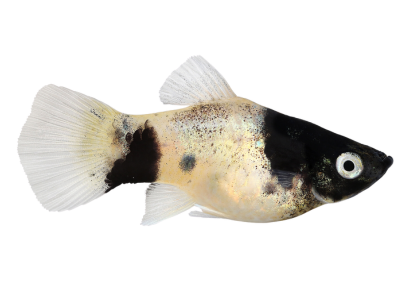
Platy
-
Average size: 2–3 inches
-
Compact, smaller, and great for small community tanks
-
Ideal for tanks starting from 10 gallons
Molly
-
Average size: 3–5 inches (some types like Sailfin Mollies can grow larger)
-
Bigger body and longer fin varieties available
-
Prefer 20 gallons or more due to larger size and activity level
Molly fish grow noticeably larger and need more space compared to platies.
Body Shape & Appearance
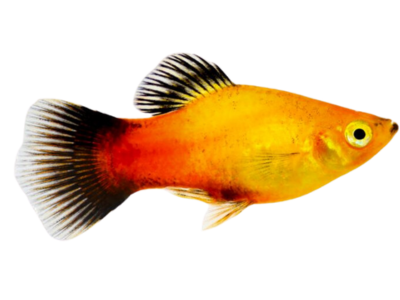
Platy
-
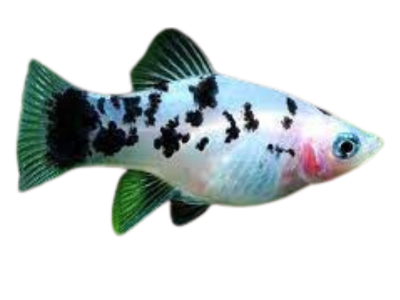
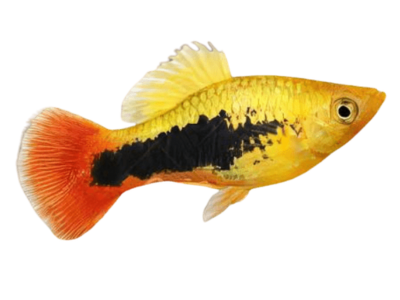
Short, rounded, compact body
-
Shorter fins
-
Wider range of color patterns
-
Look chubby and cute
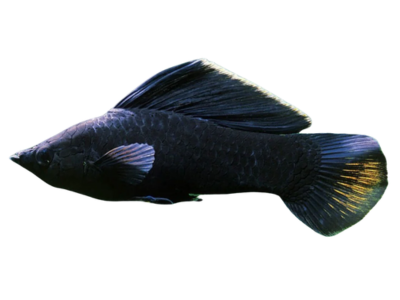
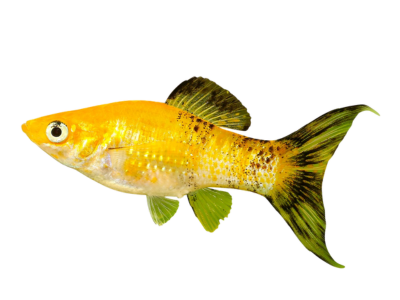
Molly
-
Longer, slender body
-
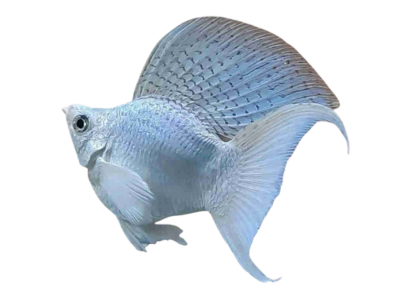
Longer or sail-like fins (especially Sailfin Molly)
-
Graceful, smooth swimming style
Platies are rounder, while mollies are sleek and more elegant.
Behavior & Temperament
Platy
-
Very peaceful, calm
-
Perfect for beginners
-
Prefer middle areas of the tank
-
Thrive in community setups
Molly
-
Peaceful but slightly more active
-
Sometimes show mild dominance (especially males)
-
Love exploring the entire tank
-
Prefer well-oxygenated, spacious environments
Both are peaceful, but mollies are more energetic and may need more swimming space.
Tank & Care Requirements
Platy Care Needs
-
Very easy care
-
Low maintenance
-
Tolerate small mistakes made by beginners
-
Ideal for 10–15 gallon tanks
-
Prefer stable temperature: 22–26°C
Molly Care Needs
-
Need more space and slightly salty water (optional but beneficial)
-
More sensitive to poor water quality
-
Need tanks with good aeration and filtration
-
Minimum 20–30 gallon recommended
-
Prefer warmer water: 24–28°C
Mollies need more room and cleaner water; platies are more forgiving.
Water Parameters
Platy
pH: 7.0–8.2
Hardness: Moderate to hard
Temperature: 22–26°C
Molly
pH: 7.5–8.5
Hardness: Hard, alkaline water preferred
Temperature: 24–28°C
Mollies especially thrive in hard, mineral-rich water, and some varieties do better with a bit of aquarium salt.
Diet & Feeding
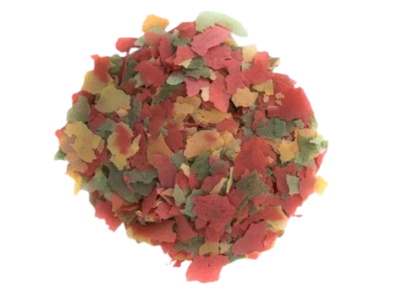
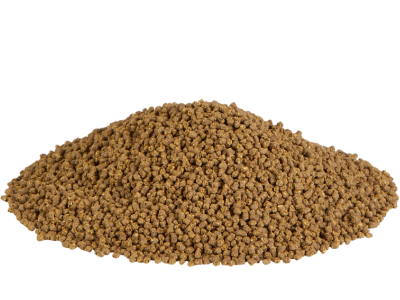
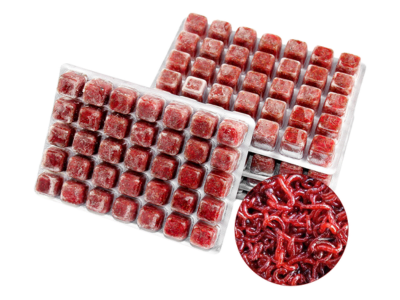
Both Species Eat:
High-quality flakes
Pellets
Frozen/live food: bloodworms, daphnia, brine shrimp
Special Notes
Platies love plant-based food
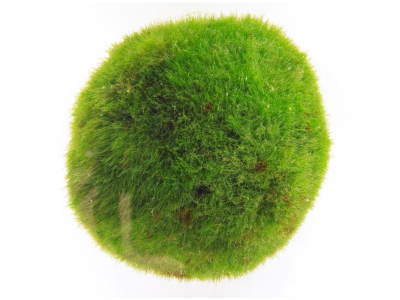
Mollies require more vegetable matter (algae, spirulina, zucchini slices)
Breeding Differences
Both are livebearers - they give birth to free-swimming fry.
Platy Breeding
-
Breed faster and more frequently
-
Adults rarely eat babies compared to mollies
-
Easy for beginners
Molly Breeding
-
Larger fry
-
Females can store sperm and give birth multiple times
-
Need more nutrition during pregnancy
Lifespan
Platy: 3–4 years
Molly: 3–5 years (Sailfin and larger mollies may live longer)
Tank Mates
Good Tank Mates for Platy and Molly
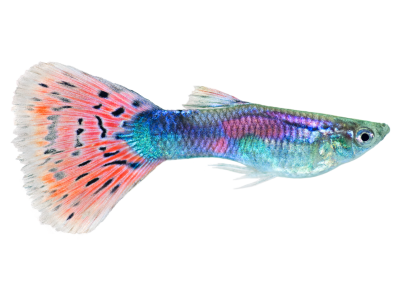
Guppies
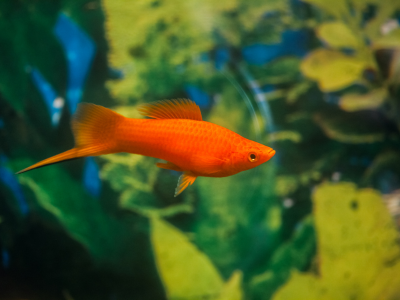
Swordtails
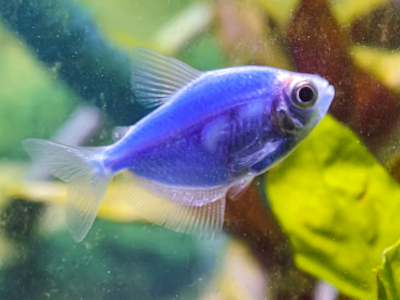
Tetras
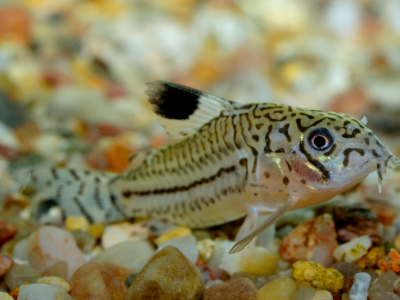
Corydoras
Avoid
Large cichlids
Aggressive fish
Fin-nippers
Which Fish Should You Choose?
Choose Platy if:
You want low-maintenance fish
You have a smaller tank (10–15 gallons)
You are a total beginner
You want very peaceful behavior
Choose Molly if:
-
You have a larger tank (20–30 gallons)
-
You want elegant long-fin varieties
-
You can maintain stable warm water
-
You like more active fish
Faq
1. Are platies easier to care for than mollies?
Yes. Platies are hardier, less sensitive, and perfect for beginners.
2. Do mollies need salt in the water?
Not required, but a little aquarium salt can help them thrive in hard, alkaline water.
3. Which fish grows larger, platy or molly?
Mollies. They grow 3 - 5 inches, while platies grow 2 - 3 inches.
4. Can platies and mollies live together?
Yes. They are peaceful, compatible, and enjoy similar water parameters.
5. What tank size is best for platies?
A minimum of 10 - 15 gallons is ideal.
6. What tank size is best for mollies?
At least 20 - 30 gallons because they are more active and grow larger.
7. Do platies or mollies breed faster?
Platies breed more frequently and are easier for beginners.
8. Which fish is more active?
Mollies. They swim more and explore the entire tank.
9. Do adult mollies eat their fry?
Occasionally, yes. Mollies are more likely to eat fry than platies.
10. What water pH do platies need?
A pH of 7.0 - 8.2 is suitable.
11. What water pH do mollies need?
A pH of 7.5 - 8.5 ideally harder, mineral-rich water.
12. Which fish is better for small tanks?
Platies - they stay smaller and tolerate small setups better.
Conclusion
Platies are smaller, hardier, and ideal for beginners or small tanks, while mollies are larger, more active, and need more space and cleaner, harder water. Both are peaceful, colorful livebearers that fit well in community tanks. Choose platies for easy care and smaller setups, or mollies if you have a bigger, well-maintained aquarium. Either fish adds beauty and liveliness to your tank.