During Summer- Feeding Tips For Aquarium Fish
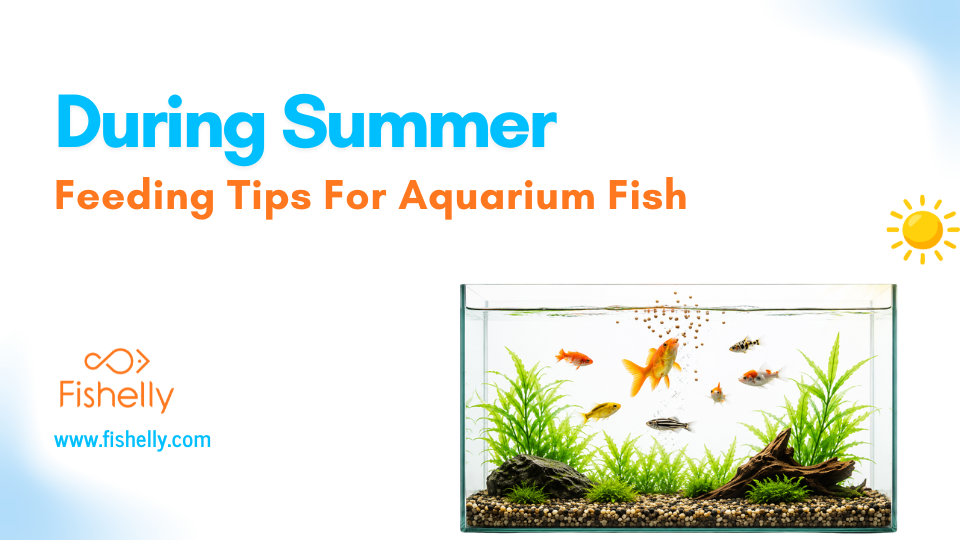
Discover what, when, and how much to feed aquarium fish in summer. Avoid overfeeding, improve digestion, and maintain healthy fish year-round.
- How Fish Eating Habits Change in Summer
- Why You Should Not Overfeed Fish
- How Much Food Should You Feed?
- Best Fish Foods for Summer
- Protein Is Important, But Don't Overdo It
- Foods to Avoid
- Give Your Fish a Varied Diet
- Signs Your Fish Are Healthy and Well-Fed
- Signs of Poor Feeding
- Should Fish Be Fed Every Day?
- Summer Feeding Tips
- Faq
- Conclusion
Summer can be a challenging season for aquarium fish. Rising temperatures can affect their appetite, digestion, and overall activity levels. Providing the right food in the correct quantity helps fish stay healthy, active, and stress-free throughout the warmer months
How Fish Eating Habits Change in Summer
Fish do not eat the same way throughout the year. During summer, warmer water can increase metabolism in many species, making them more active and eager to feed. However, extremely high temperatures may have the opposite effect and reduce appetite.
Key changes to watch for:
-
Increased activity: Some fish become more energetic and search for food more frequently.
-
Reduced appetite: Fish may eat less during the hottest part of the day.
-
Behavior changes: Healthy fish usually swim toward food quickly, while stressed fish may ignore food.
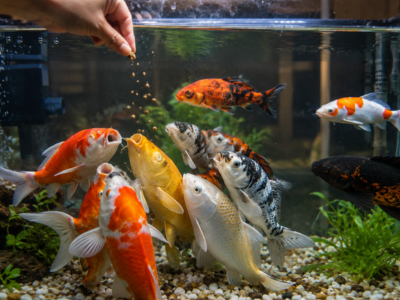
Observing your fish daily is the best way to understand their feeding needs during summer.
Why You Should Not Overfeed Fish
Overfeeding is one of the most common mistakes aquarium keepers make during hot weather. Fish often continue eating even when they have consumed enough food.
Problems caused by overfeeding:
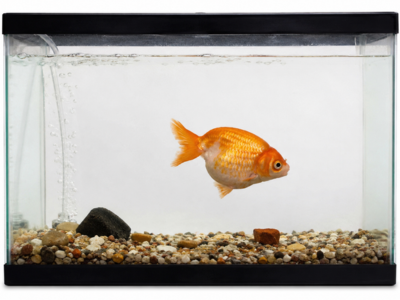
- Bloating and constipation: Excess food can strain the digestive system.
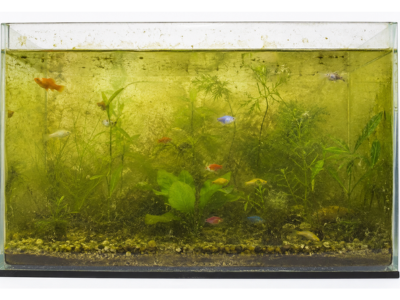
- Poor water quality: Uneaten food decomposes and releases harmful waste.
- Reduced activity: Overfed fish often become sluggish.
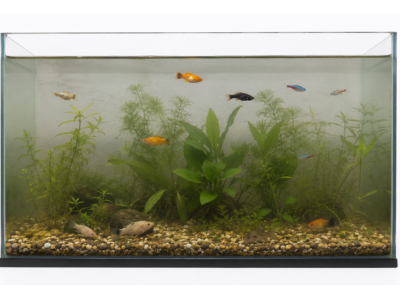
- Health complications: Long-term overfeeding may lead to obesity and organ stress.
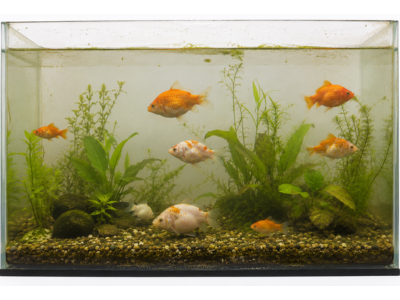
Feeding less is usually safer than feeding too much.
How Much Food Should You Feed?
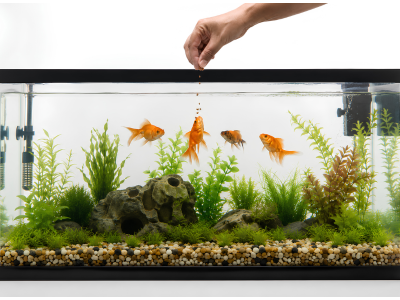
A simple feeding rule is to offer only the amount your fish can consume within 2–3 minutes.
Best feeding practices:
-
Start with a small portion.
-
Watch how quickly the fish eat.
-
Add a little more only if necessary.
-
Stop feeding when interest decreases.
Smaller meals are easier to digest and help keep the aquarium cleaner.
Best Fish Foods for Summer
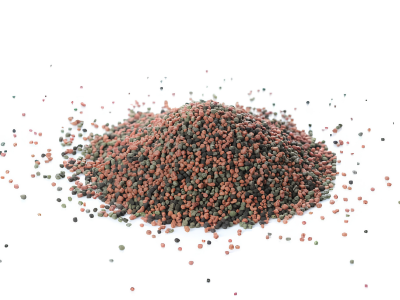
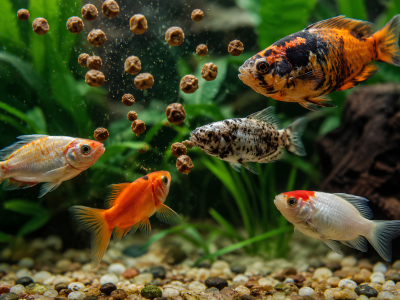
Pellets
Pellets are one of the most complete foods available for aquarium fish. They contain balanced nutrition and are available for different species and dietary requirements.
Benefits of Pellets:
-
Complete nutrition
-
Easy digestion
-
Rich in vitamins and minerals
-
Supports growth and coloration
Choose pellet sizes that match the mouth size of your fish for easier feeding.
Flakes
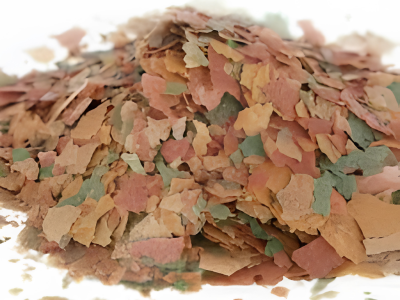
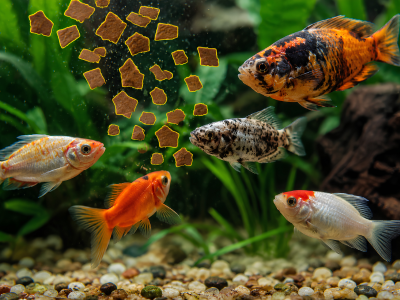
Flake food is a popular choice for community aquariums and works well for many small freshwater fish.
Suitable for:
-
Guppies
-
Mollies
-
Platies
-
Tetras
-
Rasboras
Benefits of Flakes:
-
Easy to eat
-
Convenient daily food
-
Ideal for surface-feeding fish
Feed small quantities to prevent excess flakes from polluting the water.
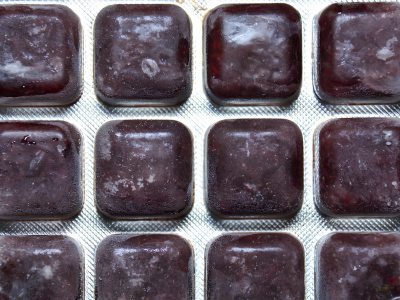
Frozen Foods
Frozen foods closely resemble the natural diet of many fish and provide valuable nutrients.
Popular Frozen Foods:
-
Bloodworms
-
Brine shrimp
-
Daphnia
-
Mysis shrimp
Benefits:
-
High-quality protein
-
Improves fish activity
-
Enhances feeding response
-
Provides dietary variety
Offering frozen foods once or twice a week can be a great supplement to regular feeding.
Live Foods
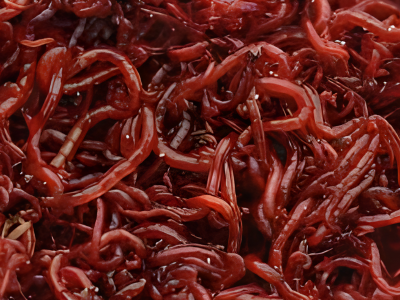
Live foods stimulate natural hunting behavior and are highly attractive to many aquarium fish.
Common Live Foods:
- Brine shrimp
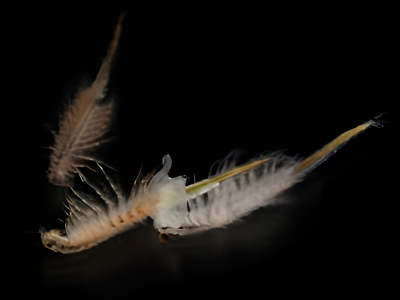
- Daphnia
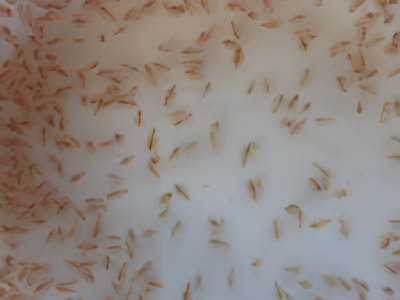
- Mosquito larvae
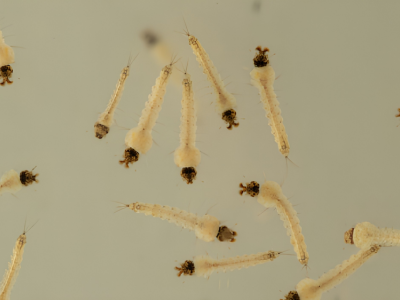
- Small worms
Benefits:
-
Encourages natural instincts
-
Improves activity levels
-
Supports healthy growth
-
Provides enrichment
Always purchase live foods from reliable sources to minimize disease risks.
Vegetables for Fish
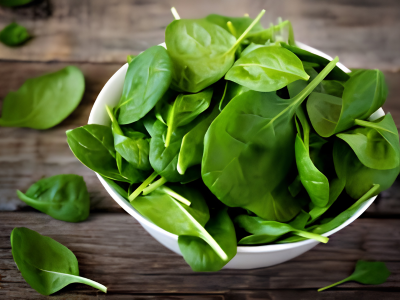
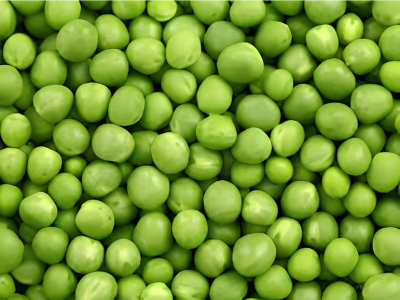
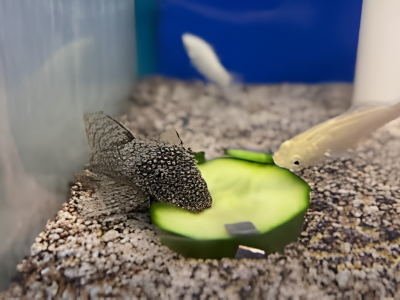
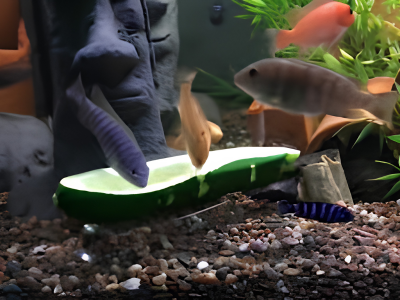
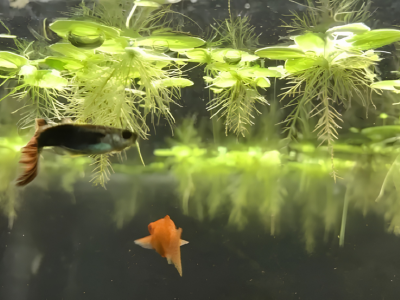
Many herbivorous and omnivorous fish enjoy fresh vegetables as part of a balanced diet.
Good Vegetable Choices:
- Spinach
- Peas
- Cucumber
- Zucchini
- Lettuce
Benefits of Vegetables
-
Rich in fiber
-
Supports digestion
-
Provides vitamins and minerals
-
Helps prevent constipation
Blanching vegetables before feeding makes them softer and easier for fish to consume.
Protein Is Important, But Don't Overdo It
Protein is essential for growth, muscle development, and tissue repair. However, excessive protein can sometimes cause digestive issues.
Healthy Protein Sources:
-
Premium pellets
-
Brine shrimp
-
Bloodworms
-
High-quality flakes
A balanced diet should include both protein-rich foods and plant-based foods for optimal health.
Foods to Avoid
Not all foods are safe for aquarium fish. Feeding poor-quality food can lead to health problems and water quality issues.
Avoid Feeding:
-
Expired fish food
-
Moldy food
-
Low-quality food
-
Oily foods
-
Unknown live foods
-
Human snacks and processed foods
Fresh and high-quality food always provides the best nutritional value.
Give Your Fish a Varied Diet
Feeding the same food every day may limit the nutrients your fish receive. A varied diet helps support overall health and coloration.
Balanced Feeding Example:
- Pellets as the main diet
- Flakes on alternate days
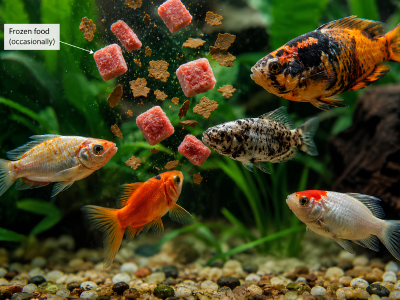
- Frozen foods occasionally
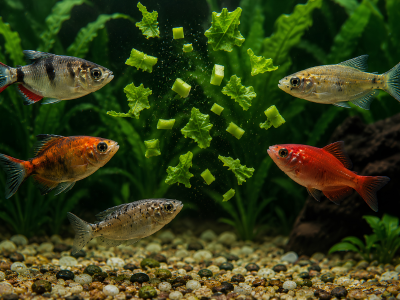
- Vegetables once or twice weekly
Variety helps ensure fish receive a complete range of nutrients.
Signs Your Fish Are Healthy and Well-Fed
Healthy fish often show clear signs that indicate proper nutrition and care.
Positive Signs Include:
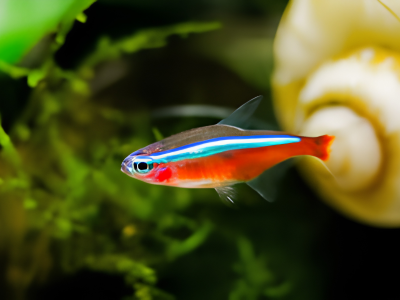
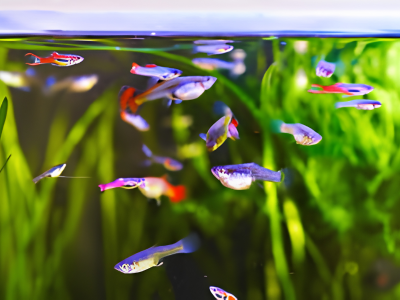
- Bright colors
-
Strong appetite
-
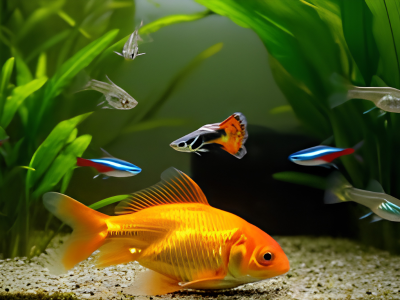
Active swimming
- Healthy growth
- Good body shape
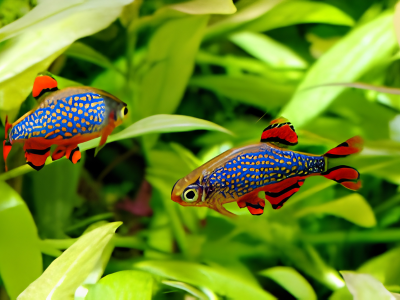
- Fully developed fins
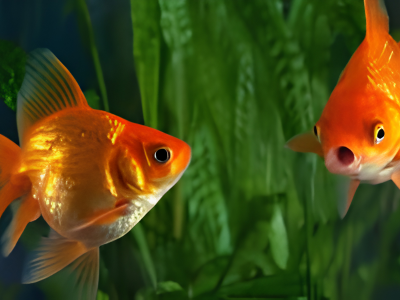
These signs suggest your feeding routine is working effectively.
Signs of Poor Feeding
Improper feeding habits can quickly affect fish health.
Warning Signs:
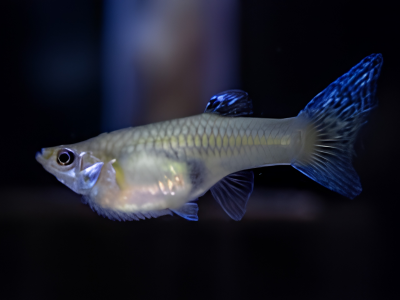
- Swollen belly
- Stringy waste
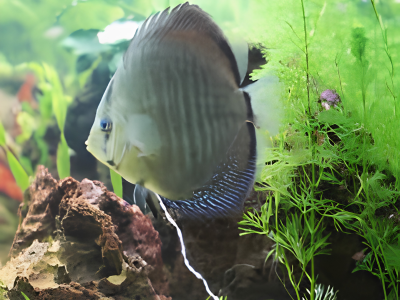
- Loss of appetite
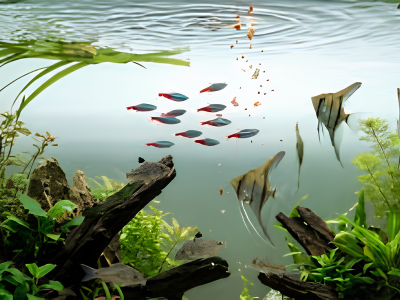
- Lethargic behavior
-
Weight loss
-
Uneaten food in the tank
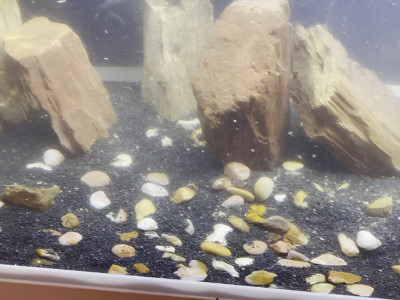
If these symptoms appear, review your feeding schedule and food quality.
Should Fish Be Fed Every Day?
Most adult aquarium fish thrive when fed once or twice daily. Consistency is more important than quantity.
Benefits of Controlled Feeding:
-
Better digestion
-
Reduced waste production
-
Lower risk of overeating
-
Improved water quality
Many fish keepers also provide one fasting day per week to support digestive health.
Summer Feeding Tips
Follow these simple tips to keep your fish healthy during warm weather:
-
Feed smaller portions.
-
Avoid overfeeding.
-
Use fresh food only.
-
Store food in a cool, dry place.
-
Watch fish during feeding.
-
Remove uneaten food promptly.
-
Adjust feeding according to activity levels.
-
Avoid sudden diet changes.
-
Include both protein and vegetable-based foods.
These simple practices can make a significant difference during the summer season.
Faq
1. How often should I feed my fish during summer?
Most aquarium fish should be fed once or twice a day during summer. Offer small portions that they can finish within 2–3 minutes to prevent overfeeding and water pollution.
2. Do fish eat more in summer?
In moderately warm temperatures, many fish become more active and may appear hungrier because their metabolism increases. However, during extreme heat, some fish may lose their appetite and eat less.
3. What is the best food for fish during summer?
A balanced combination of quality pellets, flakes, frozen foods, live foods, and vegetables provides the best nutrition. The ideal diet depends on the species and dietary requirements of your fish.
4. Can I feed vegetables to my aquarium fish?
Yes. Many herbivorous and omnivorous fish enjoy vegetables such as spinach, peas, cucumber, zucchini, and lettuce. Vegetables provide fiber and help support healthy digestion.
5. Why is overfeeding dangerous during summer?
Overfeeding can cause bloating, constipation, poor water quality, obesity, and digestive problems. Uneaten food decomposes quickly in warm water, increasing the risk of harmful ammonia spikes.
6. How much food should I give my fish?
Feed only the amount your fish can consume within 2–3 minutes. Start with a small portion and add more only if all food is eaten quickly.
7. Are frozen foods good for fish in summer?
Yes. Frozen foods such as bloodworms, brine shrimp, daphnia, and mysis shrimp provide high-quality protein and add variety to your fish's diet. They can be offered once or twice a week.
8. Can fish eat live food during summer?
Yes. Live foods like brine shrimp, daphnia, mosquito larvae, and small worms encourage natural feeding behavior and improve activity levels. Always source live foods from reputable suppliers.
9. Should I feed fish during the hottest part of the day?
It is generally better to feed fish during cooler periods such as morning or evening, especially when temperatures are very high, as some fish may eat less during peak heat.
10. How can I tell if my fish are getting enough food?
Well-fed fish usually show:
-
Bright colors
-
Active swimming
-
Strong appetite
-
Healthy growth
-
Well-developed fins
-
Good body condition
11. What are the signs of overfeeding?
Common signs include:
-
Swollen belly
-
Stringy waste
-
Sluggish behavior
-
Uneaten food in the aquarium
-
Cloudy water
-
Digestive issues
12. Is protein important for fish during summer?
Yes. Protein supports growth, muscle development, tissue repair, and overall health. However, it should be balanced with plant-based foods to avoid digestive problems.
13. Can I give my fish a fasting day?
Yes. Many aquarium hobbyists provide one fasting day per week to allow the digestive system to rest and help prevent constipation.